Outrage Without Borders: The Crimes Against Women That Shocked the World
Violence against women remains one of the most pervasive human rights violations across the world. While millions of incidents occur silently, certain cases have shocked global audiences and forced societies to confront deep-rooted inequalities and failures in legal systems. From the United States and the United Kingdom to Yemen, Afghanistan, Pakistan, and India, these stories illustrate how individual tragedies have sparked global debate, protests, and in some cases legal reform.
One of the most widely discussed cases in recent history is that of Jyoti Singh in India. In December 2012, the 23-year-old physiotherapy student boarded a private bus in New Delhi after watching a film. Inside the bus, she was brutally gang-raped and assaulted by several men before being thrown onto the roadside. The severity of her injuries horrified the nation, and she died days later in hospital. The attack triggered unprecedented protests across India, with thousands demanding justice and safer public spaces for women. Demonstrations spread internationally, and the case became a defining moment in the global fight against sexual violence. India subsequently introduced sweeping reforms to its criminal law in 2013, expanding the definition of sexual assault and increasing penalties for rape.
Another case that shocked the world was the death of Mahsa Amini in 2022. The 22-year-old Kurdish woman was detained by morality police in Tehran for allegedly wearing her hijab improperly. Hours later she was hospitalised and soon died. Authorities claimed she had suffered a medical emergency, but her family and activists alleged she had been beaten. Her death sparked widespread protests across Iran, with women publicly removing their headscarves and chanting “Woman, Life, Freedom.” Demonstrations quickly spread worldwide, turning Amini into a global symbol of resistance against state control over women’s rights.
Japan witnessed one of its most horrifying crimes with the murder of Junko Furuta in 1988. The 17-year-old schoolgirl was kidnapped by teenage boys in Tokyo and held captive for over forty days. During this period, she was subjected to extreme torture and abuse before dying from her injuries. The brutality of the crime shocked the Japanese public and sparked criticism of the justice system when the perpetrators received comparatively lenient sentences because they were minors. The case remains one of the most disturbing examples of gender-based violence in modern Japan.

In the United Kingdom, the murder of Sarah Everard in 2021 sparked a nationwide reckoning about women’s safety. The 33-year-old marketing executive disappeared while walking home in London. It was later revealed that she had been abducted and murdered by a serving police officer who used his authority to falsely arrest her. The fact that the perpetrator was a police officer intensified public outrage and raised serious questions about institutional accountability. Vigils across the country became powerful expressions of frustration over the everyday fears many women experience in public spaces.
Child marriage and domestic abuse were thrust into the global spotlight through the story of Nujood Ali. In Yemen, the ten-year-old girl was forced into marriage with a much older man. After enduring abuse, she ran away and walked alone into a courtroom demanding a divorce. Her courage shocked the nation and drew international attention. With support from activists and lawyers, she became one of the youngest divorcees in the world.
Her case highlighted the dangers of child marriage and inspired campaigns to raise awareness about girls’ rights in Yemen and beyond.
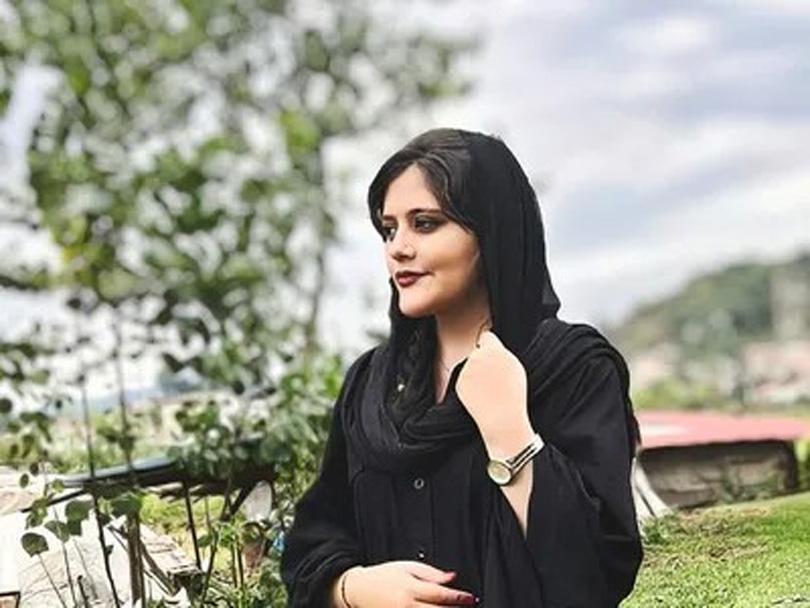
Another British case that provoked intense debate was the killing of Shafilea Ahmed. The 17-year-old from Warrington disappeared in 2003 after reportedly resisting her parents’ attempts to force her into an arranged marriage. Years later it was revealed that she had been murdered by her own parents in an “honour killing.” Their eventual conviction sparked national debate in the United Kingdom about forced marriage, honour-based abuse, and the need to better protect vulnerable young women.
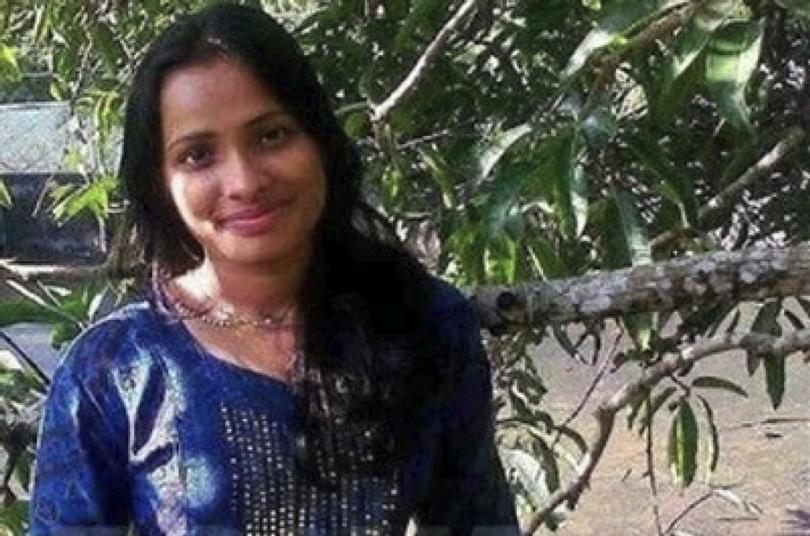
In the United States, the murder of Nicole Brown Simpson in 1994 became one of the most widely publicised criminal cases in history. Simpson was found stabbed to death outside her home in Los Angeles along with her friend Ron Goldman. Her former husband, former American football star O. J. Simpson, was charged with the murders. The televised trial captivated global audiences and exposed the dynamics of domestic abuse, as evidence revealed a long history of violence in their marriage. Although Simpson was acquitted in the criminal trial, the case intensified global conversations about domestic violence and accountability.
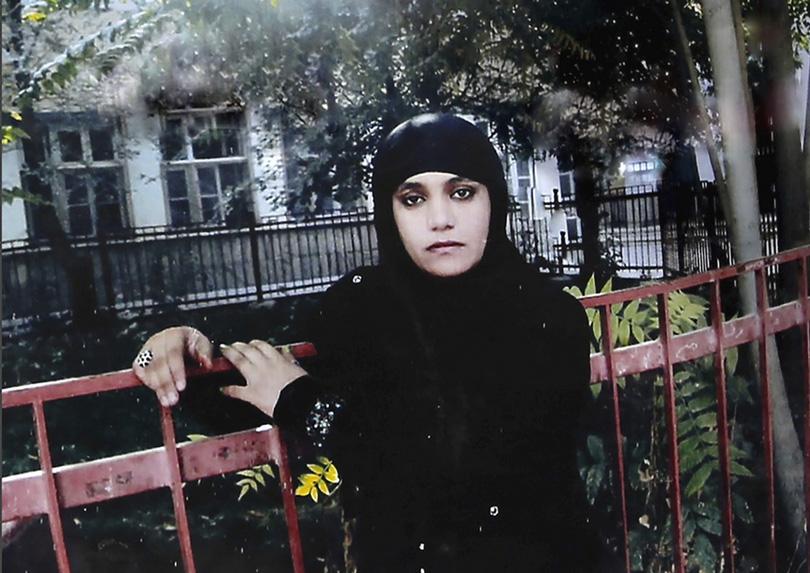
Another American case that dominated headlines was the disappearance and murder of Gabby Petito in 2021. Petito had been documenting a road trip across the United States with her fiancé through social media when she suddenly vanished. Her remains were later discovered in Wyoming, and investigators concluded she had been killed by her partner. The case received extraordinary online attention, raising awareness about domestic abuse and the warning signs often overlooked in young relationships.
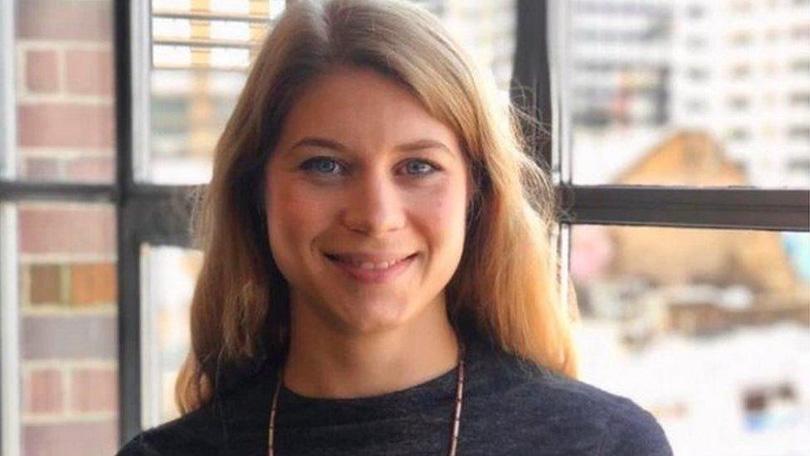
In Pakistan, the courage of Mukhtar Mai turned her into a global advocate for women’s rights. In 2002, she was gang-raped on the orders of a village council as punishment for a crime allegedly committed by her brother. Rather than remaining silent, she pursued justice through the courts. Her case attracted international attention and exposed the power structures that often silence victims of sexual violence. Mai later established schools and organisations supporting women and girls in rural Pakistan.
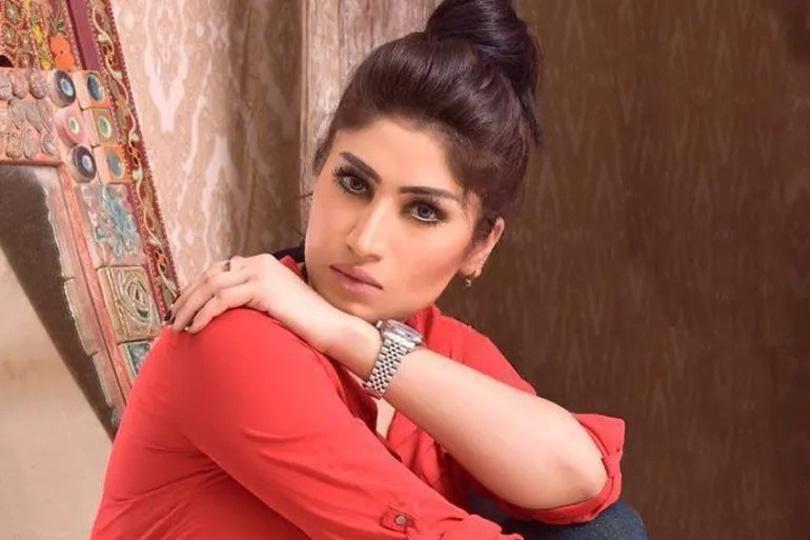
Pakistan also witnessed widespread outrage following the killing of social media personality Qandeel Baloch in 2016. Known for her bold online presence and willingness to challenge conservative norms, Baloch was strangled by her brother, who claimed he had acted to restore family honour. Her death sparked national debate about honour killings and women’s freedom of expression in Pakistani society.

In Afghanistan, the lynching of Farkhunda Malikzada in 2015 shocked the world. The 27-year-old woman was falsely accused of burning the Quran near a shrine in Kabul. A mob attacked her, beating and burning her body in broad daylight while onlookers filmed the incident. Later investigations proved the accusations were baseless. The case triggered protests across Afghanistan and became a powerful symbol of the dangers women face when misinformation and mob violence intersect.
India again witnessed national outrage in 2019 following the rape and murder of Priyanka Reddy near Hyderabad. Her death sparked massive protests and demands for swift justice. Weeks later, the four accused men were killed by police during an alleged escape attempt. While many celebrated the encounter as immediate justice, critics warned that extrajudicial killings undermine due process and legal accountability.
Another shocking incident occurred in 2023 with the murder of Sakshi Kumari. The 16-year-old was stabbed and bludgeoned in public in Delhi, while CCTV footage showed bystanders failing to intervene. The disturbing images sparked renewed debate about bystander responsibility and the persistent dangers faced by women in urban spaces.
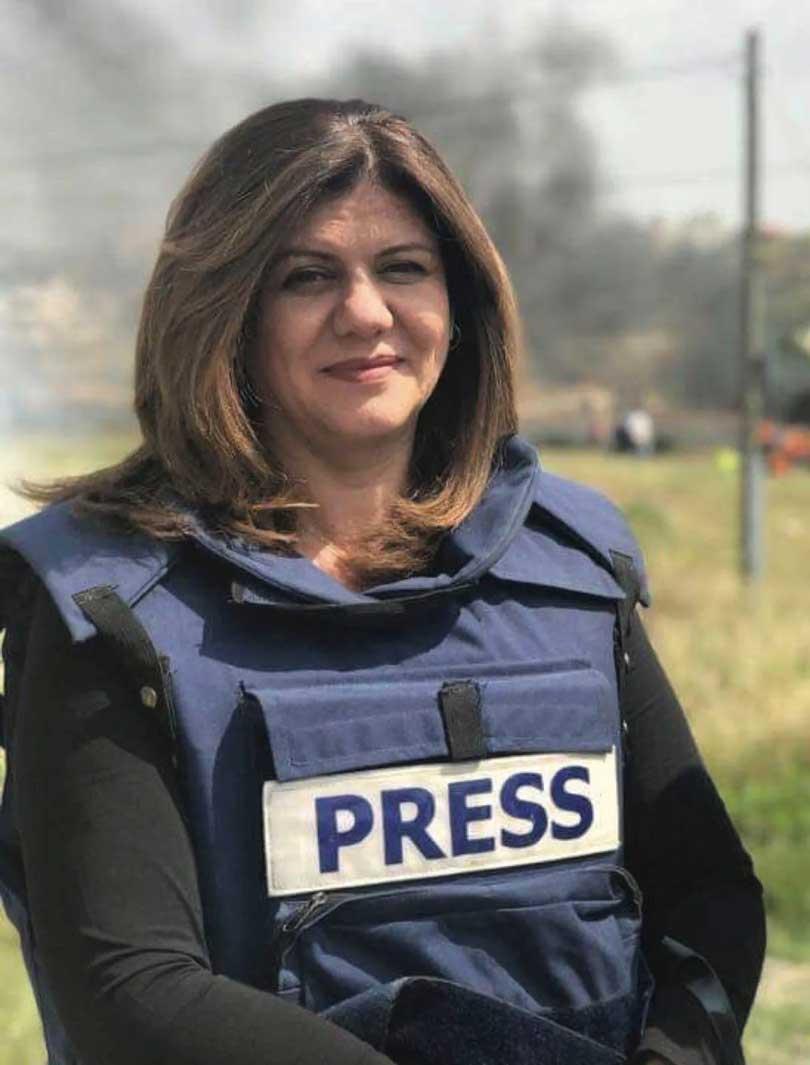
The dangers faced by women journalists in conflict zones were highlighted by the killing of Shireen Abu Akleh in 2022. The veteran reporter for Al Jazeera was shot while covering an Israeli military operation in Jenin in the occupied West Bank. Her death sparked international condemnation and calls for an independent investigation, drawing attention to the risks faced by journalists reporting from conflict areas.
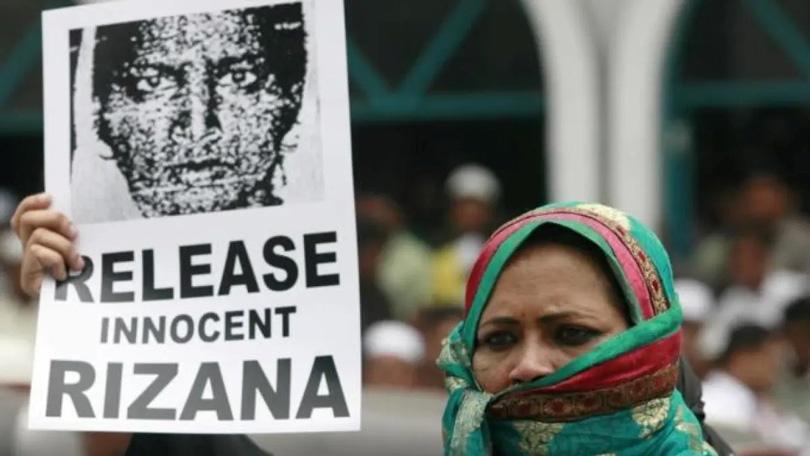
The story of Rizana Nafeek also stirred international outrage. The young migrant worker from Sri Lanka was accused of killing an infant while working as a domestic servant in Saudi Arabia. Despite concerns about the fairness of the trial and her age at the time of the alleged incident, she was executed in 2013. Her death triggered protests and highlighted the vulnerability of migrant women working abroad.
Taken together, these cases illustrate that violence against women is a global problem that transcends geography, culture, and political systems. Whether through domestic abuse, honour killings, mob violence, or systemic injustice, women continue to face threats to their safety and dignity. Yet the international outrage these incidents generated has also sparked movements demanding accountability and reform. Remembering these stories is not only about acknowledging past tragedies but also about reinforcing the urgent need to create a world where women can live without fear.