Beyond the Seams: Has Fast Fashion Stolen Our Personal Style?
By: Shri Amarasinghe
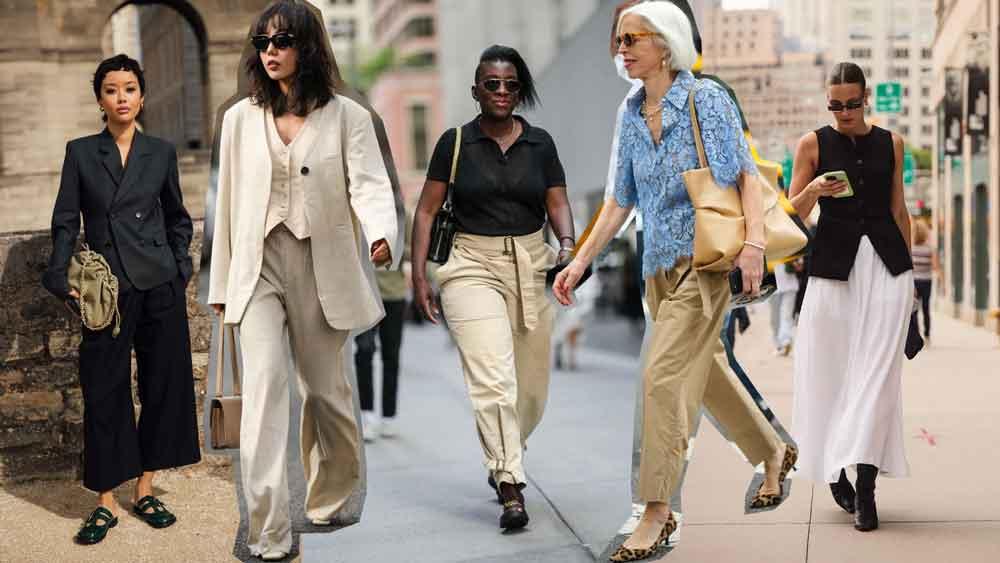
 When I think of personal style, I always think of my mother. Even while juggling a demanding job and raising three children, my mother never stepped out without looking "fabulous". She truly believed in the power of dressing up, in being the “main character” in her own story. There was always something that made her stand out: a vintage brooch, a contrasting jacket, or bold, unapologetic jewelry piece. I so fondly remember how she would walk into a room and own it but now, walk down any high street in the world, and you’ll notice something unsettling. The silhouettes are similar. The colour palettes repeat. The same cargo skirt, the same oversized blazer, the same “quiet luxury” knit, circulating like a uniform of the moment. Scroll through TikTok or Instagram and the algorithm confirms it: trending now, viral must-haves, outfits you “need.” Fashion once promised individuality. Today, it often feels like choreography. So, the question is uncomfortable but necessary: has fast fashion stolen our personal style?
When Style Was Slower
Personal style used to be evolutionary. It was shaped by climate, culture, income, subcultures, music scenes, and geography. A woman in coastal Sri Lanka dressed differently from a student in Paris, not because one was behind, but because style reflected lived context. Before the acceleration of brands like Zara and Shein, trends moved seasonally. Designers presented collections months ahead; magazines curated and interpreted. Even high street brands needed time to manufacture, ship and restock. Now, micro-trends turn over weekly. Aesthetic cycles, “clean girl,” “coastal grandmother,” “mob wife,” “old money”, flare up and fade before you’ve had time to ask whether they suit you. Speed has replaced reflection.
The Psychology of the Trend Machine
Fast fashion doesn’t just sell clothes; it sells identity prototypes. Psychologists call this “identity signaling”, we use clothing as a shorthand to communicate who we are or who we aspire to be. The problem arises when identity is outsourced to algorithms. When a platform repeatedly feeds you one silhouette, one colour story, one aesthetic, it begins to narrow your imagination. You don’t explore who you are. You adopt what’s trending. Fast fashion thrives on urgency. Limited drops. “Only 3 left.” Flash sales ending in hours. The business model is engineered around impulse behaviour, not self-expression. The result? Closets full of options, but very little clarity.
The Illusion of Choice
On paper, we have more choices than ever before. Thousands of SKUs are released daily. Endless scrolling. Global access. But if everyone is buying from the same ten global retailers, is it really a choice, or just variation within a controlled system?
Sociologists describe this as “mass individualism”: the idea that we feel unique while consuming identical products. When a viral skirt sells 500,000 units worldwide, wearing it doesn’t necessarily communicate individuality. It signals participation. And participation is profitable.
The Erosion of Craft and Narrative
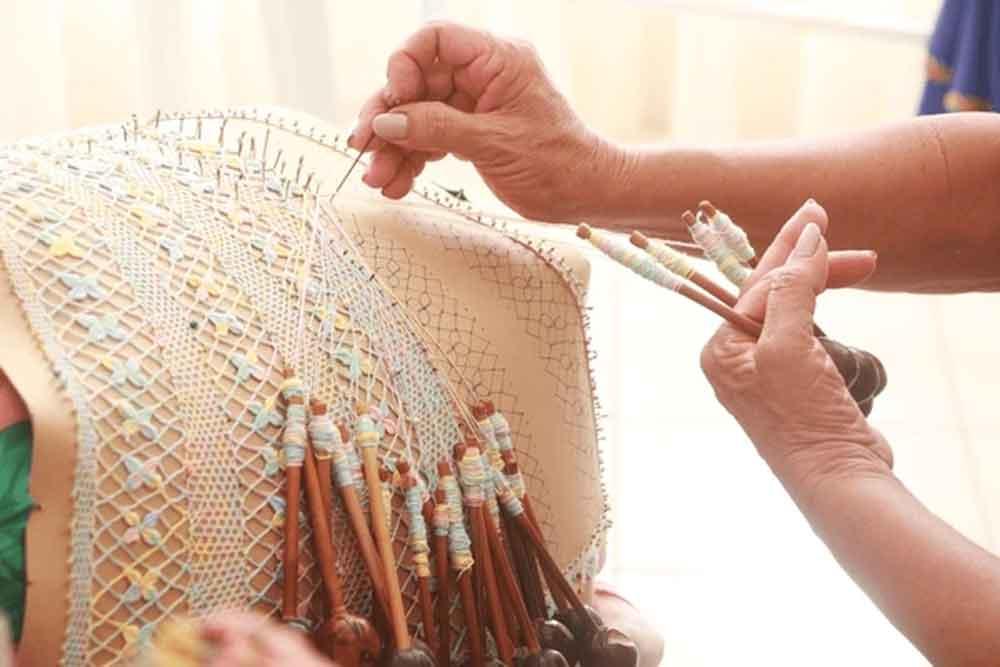
Fast fashion also disconnects us from garment narrative. When you buy a handloom saree from a Sri Lankan artisan, you are buying into a story of technique, lineage, geography, skill. The fabric holds cultural memory. The time invested in its making often shapes how carefully you wear it. Contrast that with a polyester top delivered in 48 hours. You don’t know who made it, how long it took, or what skills were involved. Without story, clothing becomes disposable. And when clothing is disposable, style becomes disposable too. For those of us building brands rooted in craft, whether in Sri Lanka or abroad, this is not just an aesthetic issue. It’s existential. Craft requires time. Personal style requires intention. Both are undermined by velocity.
The Homogenisation Effect
Globalisation has always influenced fashion, but digital acceleration has intensified homogenisation. A trend born in Los Angeles can be in Pettah within weeks. A celebrity photographed once can trigger millions of purchases. Consider the ripple effect when figures like Kim Kardashian or Hailey Bieber are seen in a particular silhouette. Within days, near-identical versions flood high streets. This creates a feedback loop:
Celebrity → Social media amplification → Fast fashion replication → Consumer adoption → Algorithm reinforcement.
Originality becomes diluted at every stage.
Are We Dressing for Ourselves, or for Content?
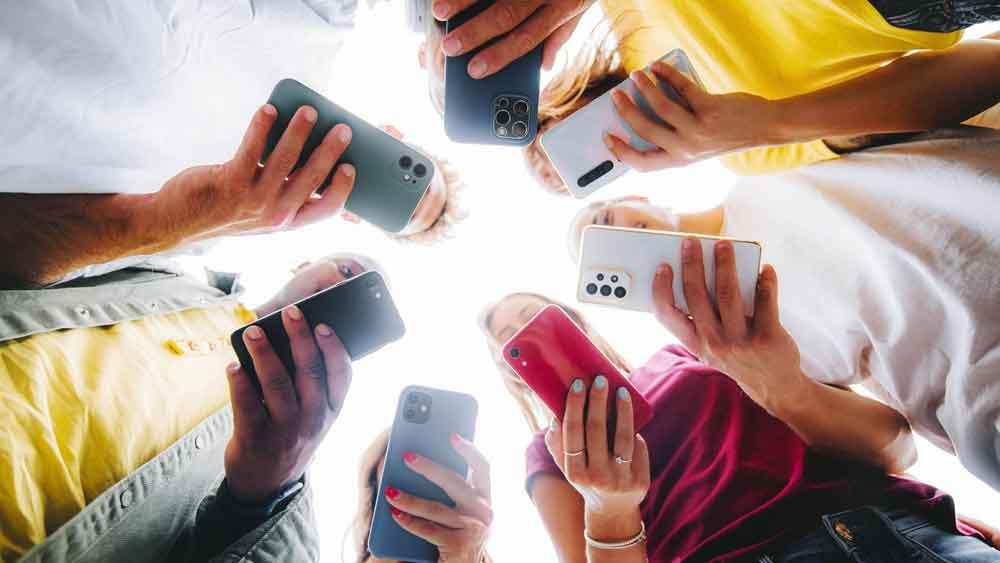
There’s another dimension we rarely discuss: we now dress for documentation. Outfits are selected for how they photograph, not how they feel. Fabrics are chosen for how they move on camera, not how they breathe in tropical heat. The “outfit post” often matters more than the longevity of the garment. When clothing becomes content, personal style risks becoming performance. And performance is exhausting.
The Economic Trap
It would be naïve to ignore economics. Fast fashion is accessible. For many, it is the only financially viable option. When budgets are tight, paying five times more for a garment made ethically is not always realistic.
But the paradox is this: buying ten inexpensive trend pieces often costs more over time than investing in two well-made staples. The industry’s genius lies in fragmentation, splitting spending into small, frequent transactions that feel painless. The long-term cost is stylistic incoherence and environmental strain.
So, Has It Stolen Our Style?
Stolen might be too dramatic. But diluted? Distracted? Disoriented? Absolutely. Fast fashion hasn’t erased personal style. It has made it harder to hear your own aesthetic voice over the noise. When every week presents a new “must-have,” self-knowledge is replaced by trend literacy. And trend literacy is not the same as style.
Reclaiming Personal Style
The solution is not moral superiority or abandoning high street shopping overnight. It's a conscious engagement.
Here are practical shifts that restore agency:
1. Audit your wardrobe for repetition.
Which items do you genuinely re-wear? Those pieces reveal your authentic preferences more than any mood board.
2. Define three style pillars.
Instead of chasing aesthetics, identify constants: perhaps structure, natural fibres, and neutral palettes. Or fluid silhouettes, bold colour, and handcrafted details.
3. Introduce one heritage piece.
Whether it’s a handloom textile, a locally made accessory, or a garment passed down, anchor your wardrobe in something with narrative depth.
4. Slow the purchase cycle.
Institute a 30-day rule for non-essential buys. If you still want it after a month, it’s likely aligned with your style, not a fleeting trend.
5. Dress for lived context.
Sri Lanka’s climate, culture and daily rhythm are different from Copenhagen’s. Style should respond to your environment, not someone else’s feed.
The Quiet Return of Individuality
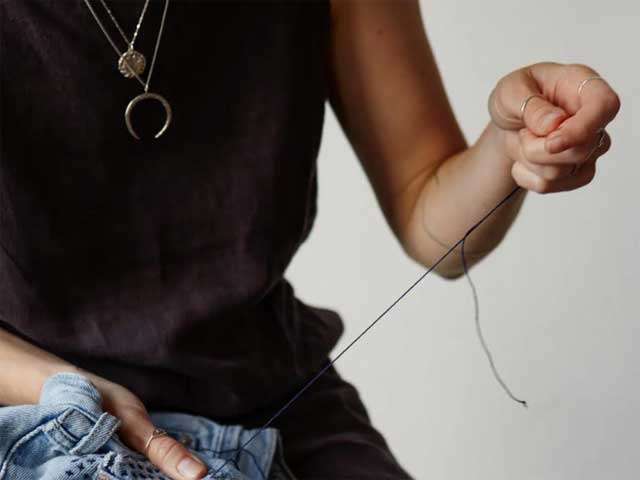
Interestingly, there is a countercurrent emerging. Small-batch designers. Upcycled collections. Limited drops that prioritise craft over volume. Consumers asking, “Who made this?” rather than “Is this trending?” We are witnessing a subtle fatigue with sameness. Personal style is beginning to reassert itself, not through louder branding, but through intentionality. The future of fashion may not be about rejecting fast fashion entirely. It may be about rebalancing, using accessible pieces strategically, while building a wardrobe ecosystem grounded in identity and longevity.
Beyond the Seams
Style has always been more than clothing. When we outsource it entirely to trend cycles, we risk flattening our own narratives. Fast fashion offers immediacy, but personal style requires introspection. Perhaps the real question isn’t whether fast fashion has stolen our style. It’s whether we are willing to reclaim it. Because style, when rooted in self-knowledge rather than speed, cannot be mass-produced.