Behind the Beauty: The Untold Challenges Salon Workers Face Every Day
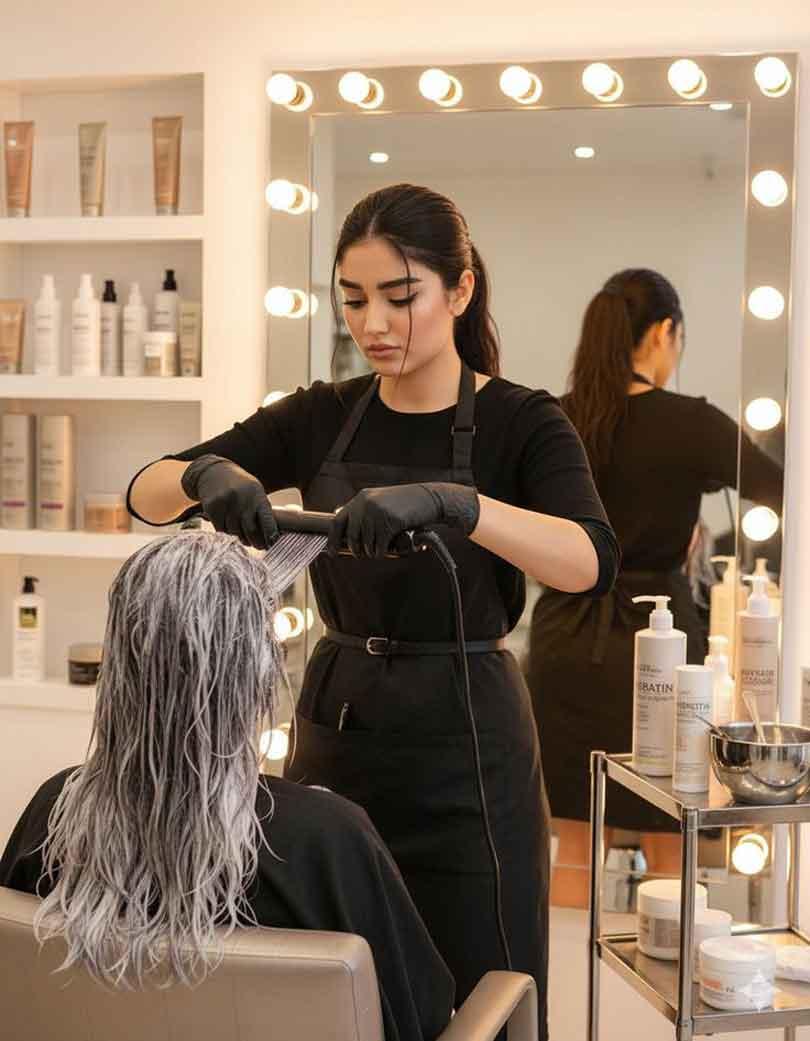
When we walk into a salon, we usually expect one thing: to leave feeling refreshed, confident and beautiful. We admire the flawless hairstyles, perfectly polished nails, glowing skin treatments and stunning makeovers that salon professionals create. What many of us rarely stop to think about, however, is the person behind the chair. Every profession comes with its own challenges. Doctors save lives under immense pressure, teachers shape future generations, journalists chase deadlines, and delivery riders brave traffic and unpredictable weather. Salon workers are no exception. While their work may appear glamorous from the outside, the reality behind the scenes is often physically demanding, emotionally exhausting and, at times, underappreciated.
Many salon professionals spend their entire workday on their feet. Unlike office workers who can sit between tasks, hairstylists, beauticians and nail technicians often stand continuously for eight to twelve hours. Hours of bending, reaching, washing hair, styling and performing treatments place constant strain on their backs, shoulders, knees and wrists. Over time, many develop chronic pain or repetitive strain injuries, yet continue working because their livelihood depends on it.
Another overlooked challenge is exposure to chemicals. Hair dyes, bleaches, nail products, straightening treatments and other beauty products contain strong ingredients that workers handle every day. Even with proper ventilation and protective equipment, repeated exposure can lead to skin irritation, allergies or respiratory problems. Clients enjoy the final transformation but rarely see the precautions professionals take to protect their own health. Salon work is also emotionally demanding. A salon is often more than a place for beauty treatments; it becomes a space where clients share stories about their lives. From career struggles and relationship issues to family concerns and personal achievements, salon workers spend hours listening. They become trusted confidants, offering kindness, empathy and encouragement while continuing to perform their work with precision.
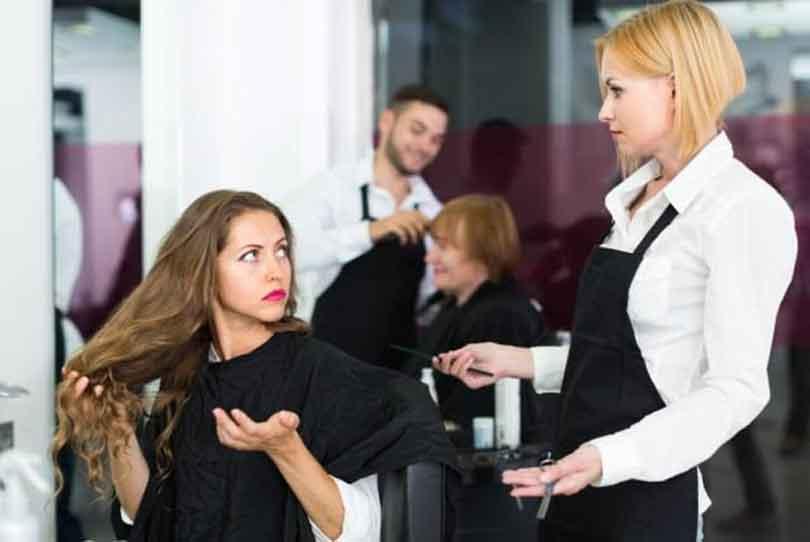
Yet despite this emotional labour, they are expected to maintain a cheerful attitude regardless of how they personally feel. Even on difficult days, they greet clients with a smile, make conversation and create a welcoming atmosphere. Like anyone else, they may be dealing with personal problems, financial stress or family responsibilities, but professionalism requires them to set those emotions aside. Another reality is the pressure to meet clients’ expectations. Social media has transformed the beauty industry. Clients often arrive with pictures of celebrities or influencers, expecting identical results. However, hair texture, skin type, previous treatments and natural features vary from person to person. Despite explaining these limitations, salon professionals sometimes face disappointment or criticism when expectations do not perfectly match reality.
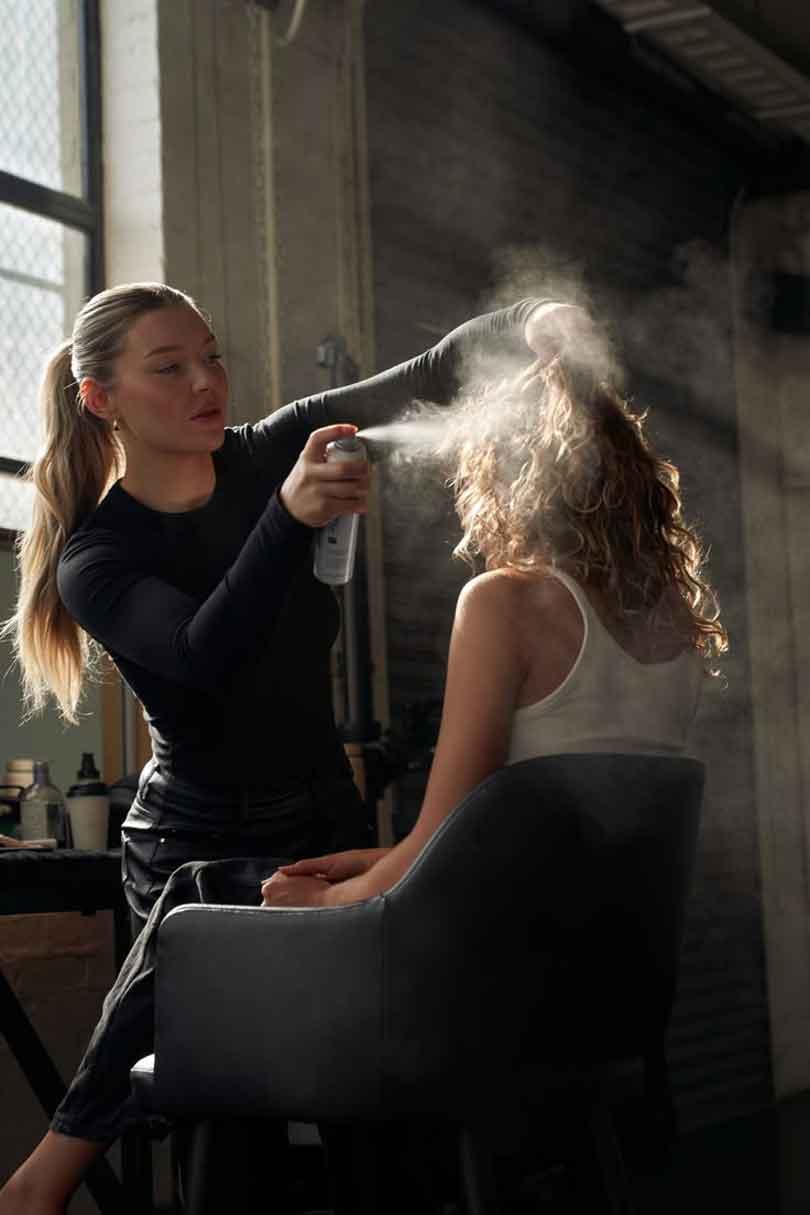
Time pressure adds another layer of stress. During festive seasons, weddings and weekends, salons can become extremely busy. Workers may barely have time for a proper meal or even a short break. Appointments often run back-to-back, leaving little opportunity to rest between clients. Missing lunch or working overtime becomes part of the routine. Income is another challenge that many people overlook. In some salons, earnings depend partly on commissions or tips. Business may fluctuate throughout the year, meaning workers experience periods of financial uncertainty. A quiet month can significantly affect their income, while busy periods demand long hours with little personal time.
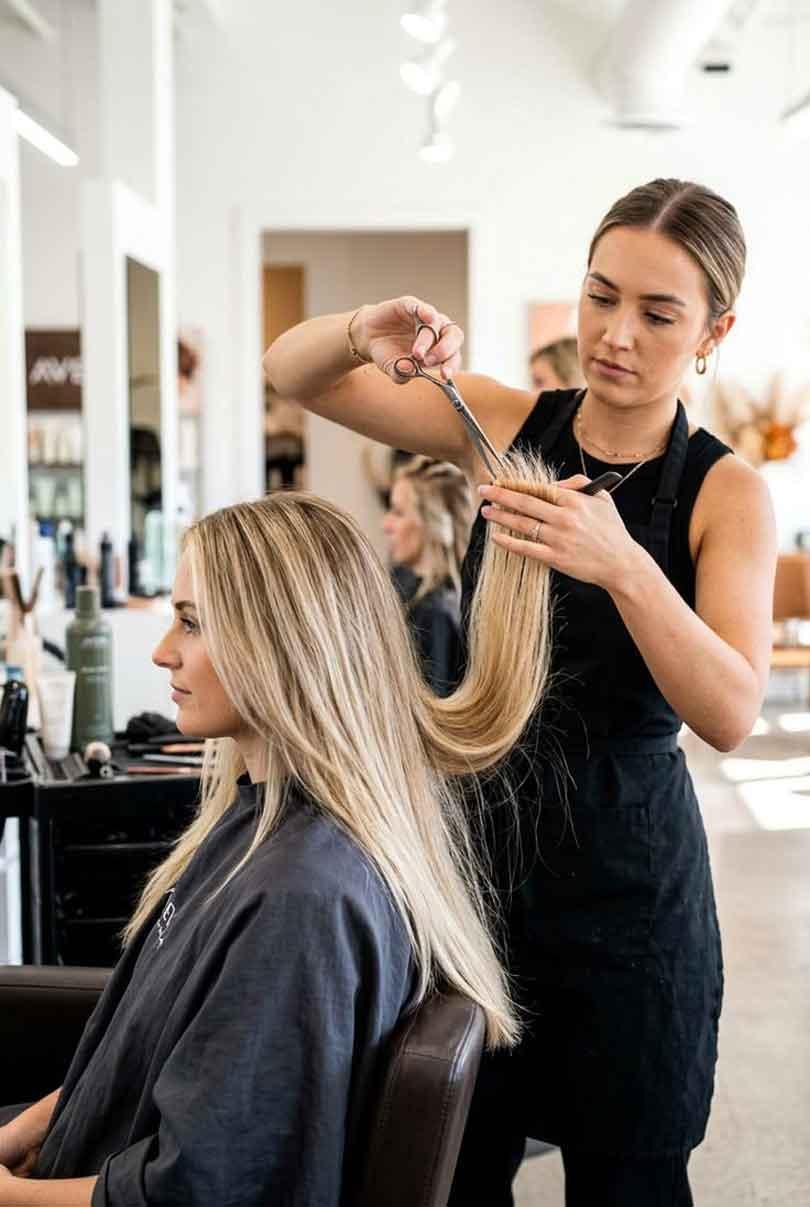
The beauty industry also requires constant learning. New hairstyles, skincare techniques, nail art trends and beauty technologies emerge every year. To remain competitive, salon professionals invest time and money in training courses, workshops and new certifications. Many purchase their own professional tools and equipment, making continuous learning not just a choice but a necessity. Perhaps one of the biggest misconceptions is that salon work is “easy.” Because the environment is colourful, creative and customer-focused, people sometimes underestimate the skill involved. Creating the perfect haircut requires technical knowledge. Hair colouring involves understanding chemistry. Skincare treatments demand knowledge of skin conditions and hygiene. Nail technicians require patience, precision and artistic ability. Every service combines creativity with technical expertise.
The COVID-19 pandemic also highlighted the vulnerability of the industry. During lockdowns, many salons were forced to close, leaving workers without stable incomes. Even after reopening, strict hygiene protocols, customer concerns and reduced appointments created additional challenges. It reminded many people how dependent the industry is on face-to-face interaction. Despite these difficulties, salon professionals continue to bring confidence and happiness into people’s lives. A haircut can help someone prepare for an important interview. Bridal makeup becomes part of unforgettable wedding memories. A skincare treatment can boost self-esteem, while a simple haircut may give someone the confidence to begin a new chapter in life. Kindness from clients can make a significant difference. Arriving on time, communicating respectfully, understanding that complex treatments take time, and appreciating the effort behind every service contribute to a better working environment. A genuine “thank you” can mean more than people realise after a long day of serving others.
Every occupation deserves respect because every profession contributes to society in its own way. Salon workers do more than cut hair or apply makeup, they create confidence, celebrate milestones and help people feel their best. Behind every polished hairstyle and flawless makeover is someone who has spent years mastering their craft while enduring long hours, physical strain and emotional demands. The next time you visit a salon, take a moment to notice the dedication behind the service. The person standing beside your chair is not simply providing a beauty treatment. They are balancing creativity, technical skill, patience and professionalism, often while quietly carrying challenges of their own. Beauty may be the result clients see, but hard work is the story that often goes unnoticed.