A Touch of Eternity at Arcade Independence Square Inside Colombo’s Wax Museum
By Amaya Herath
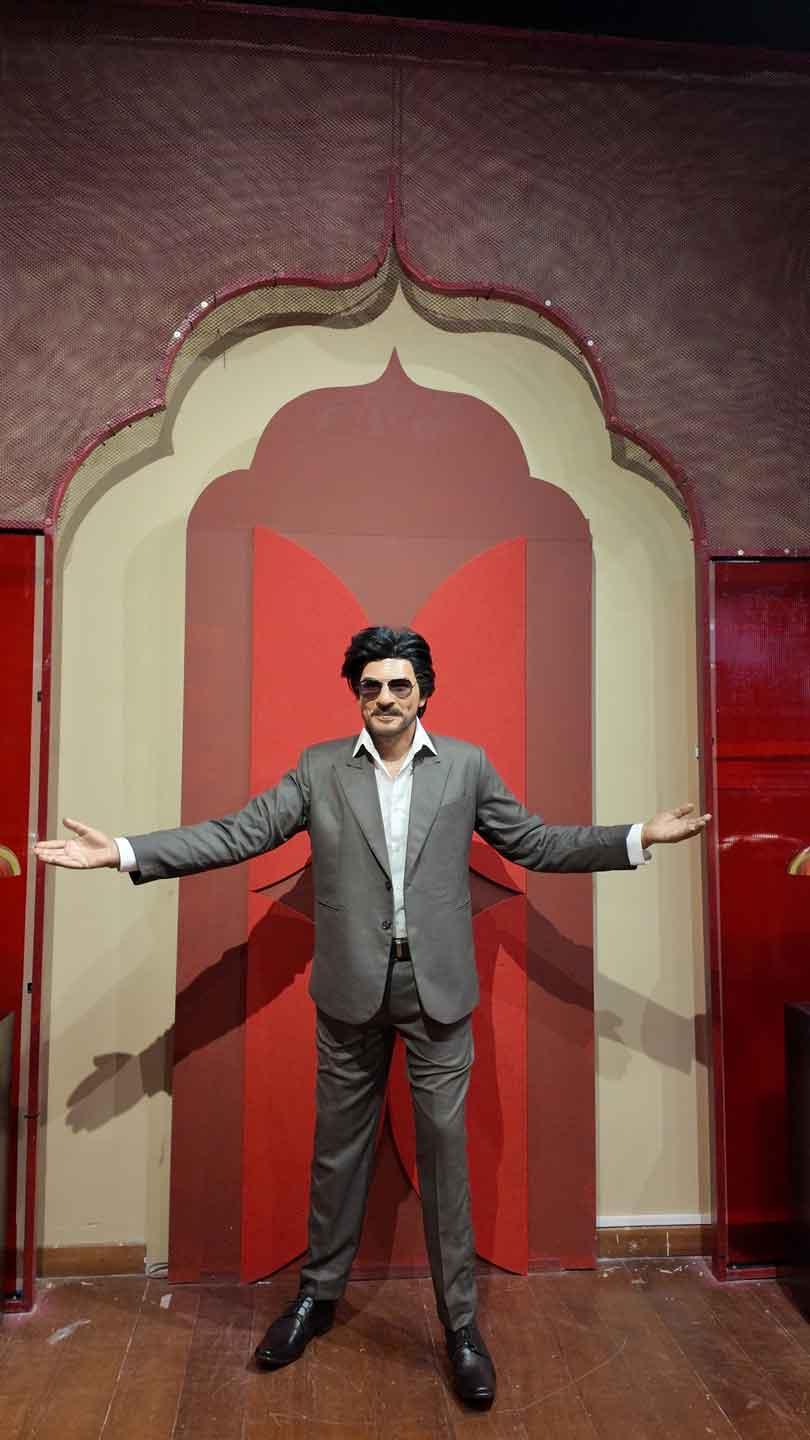
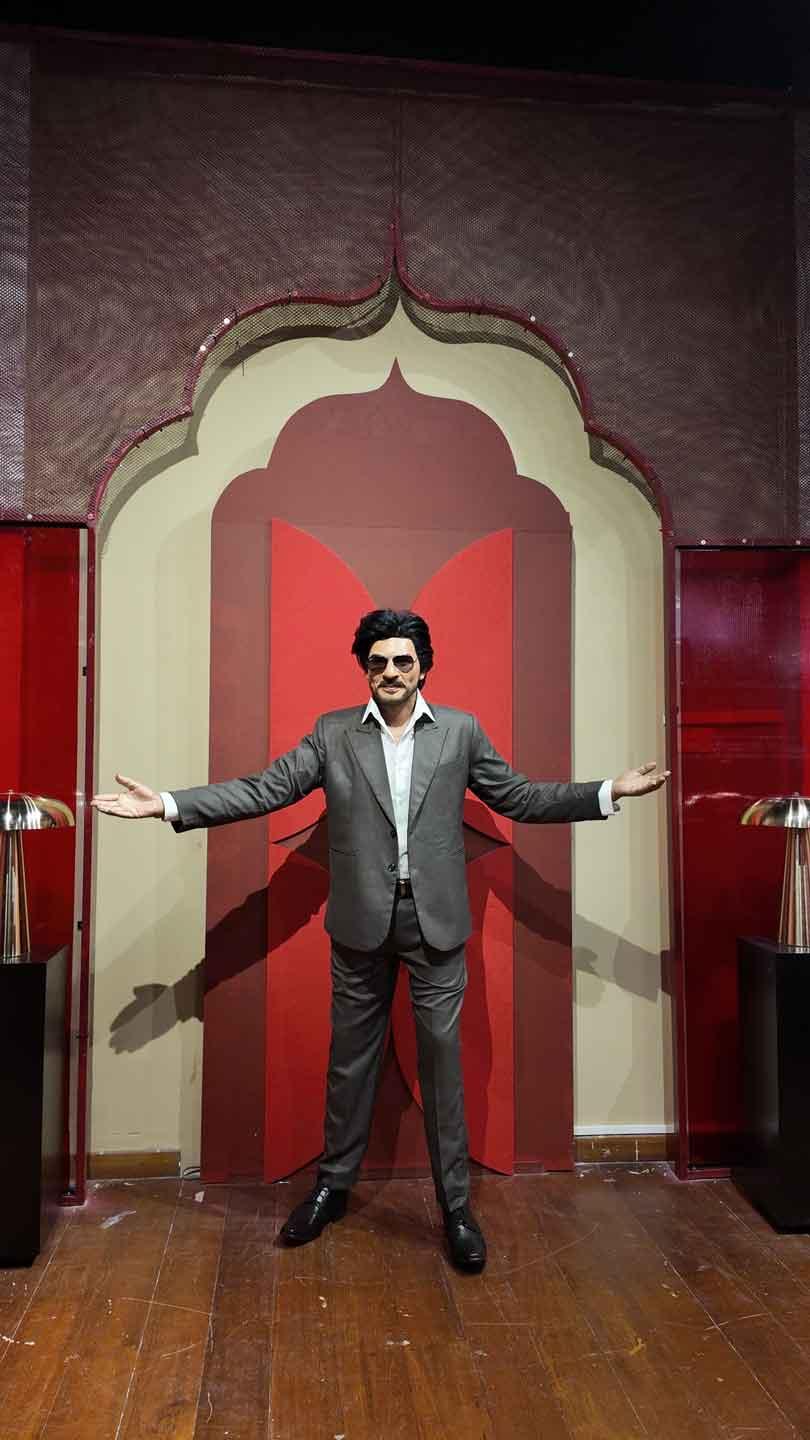
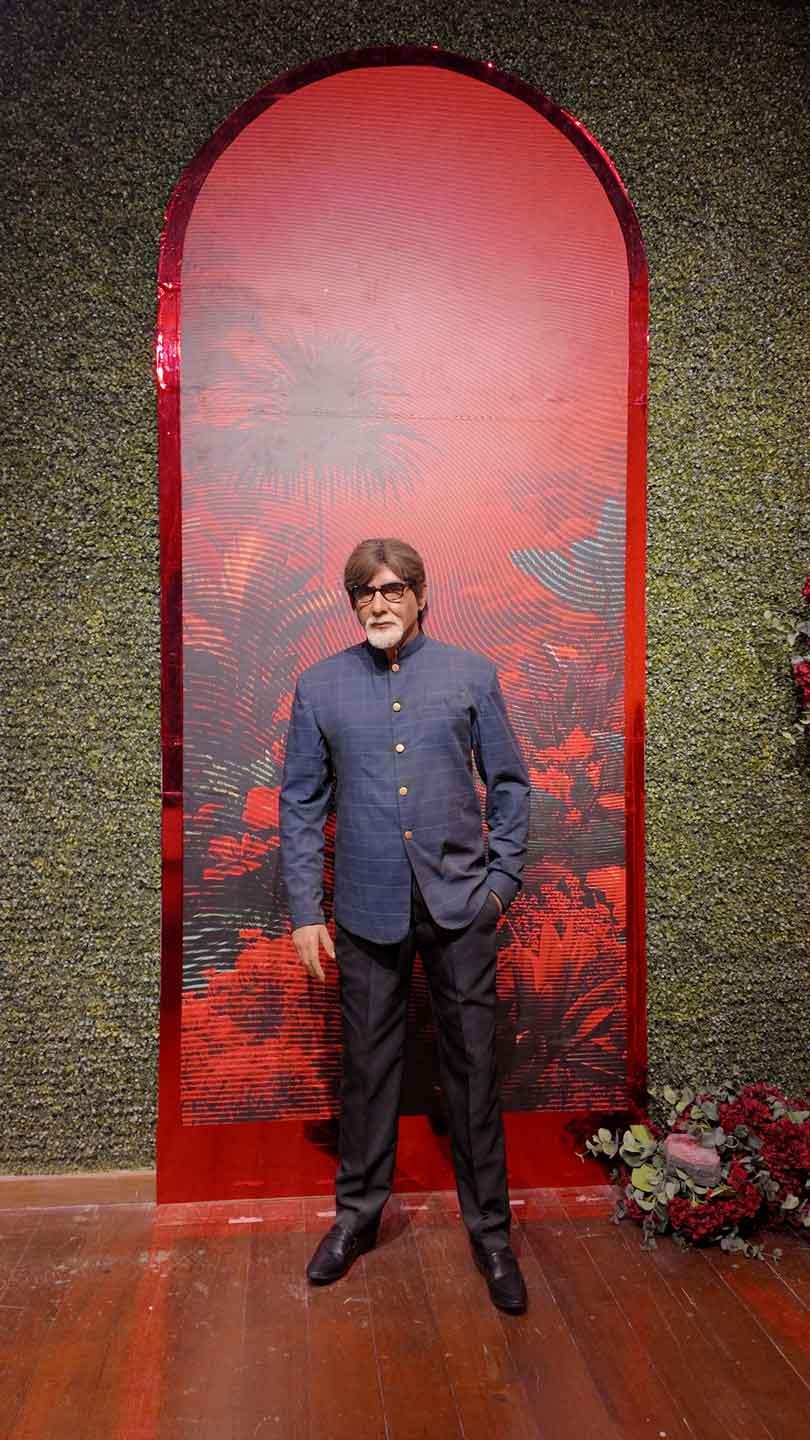
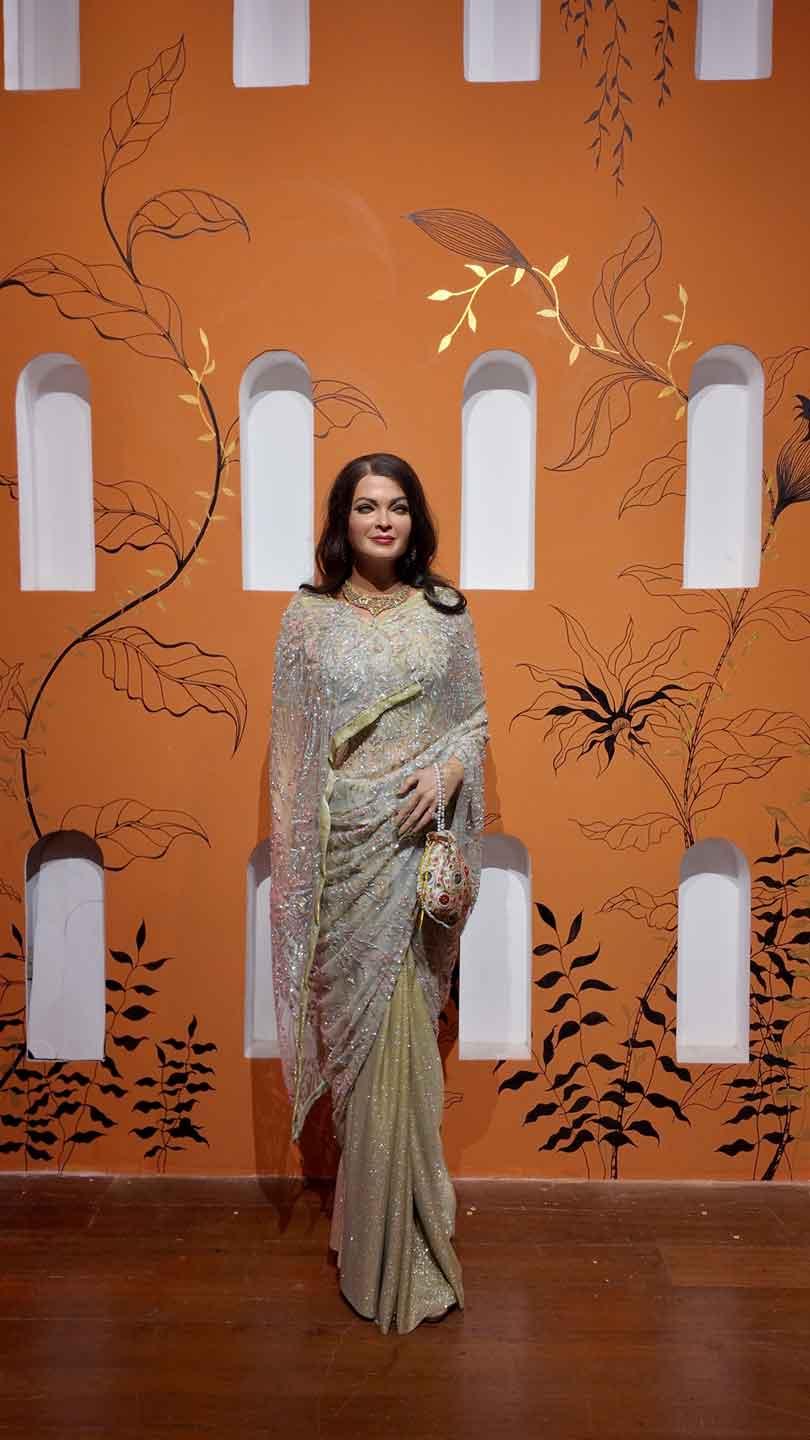
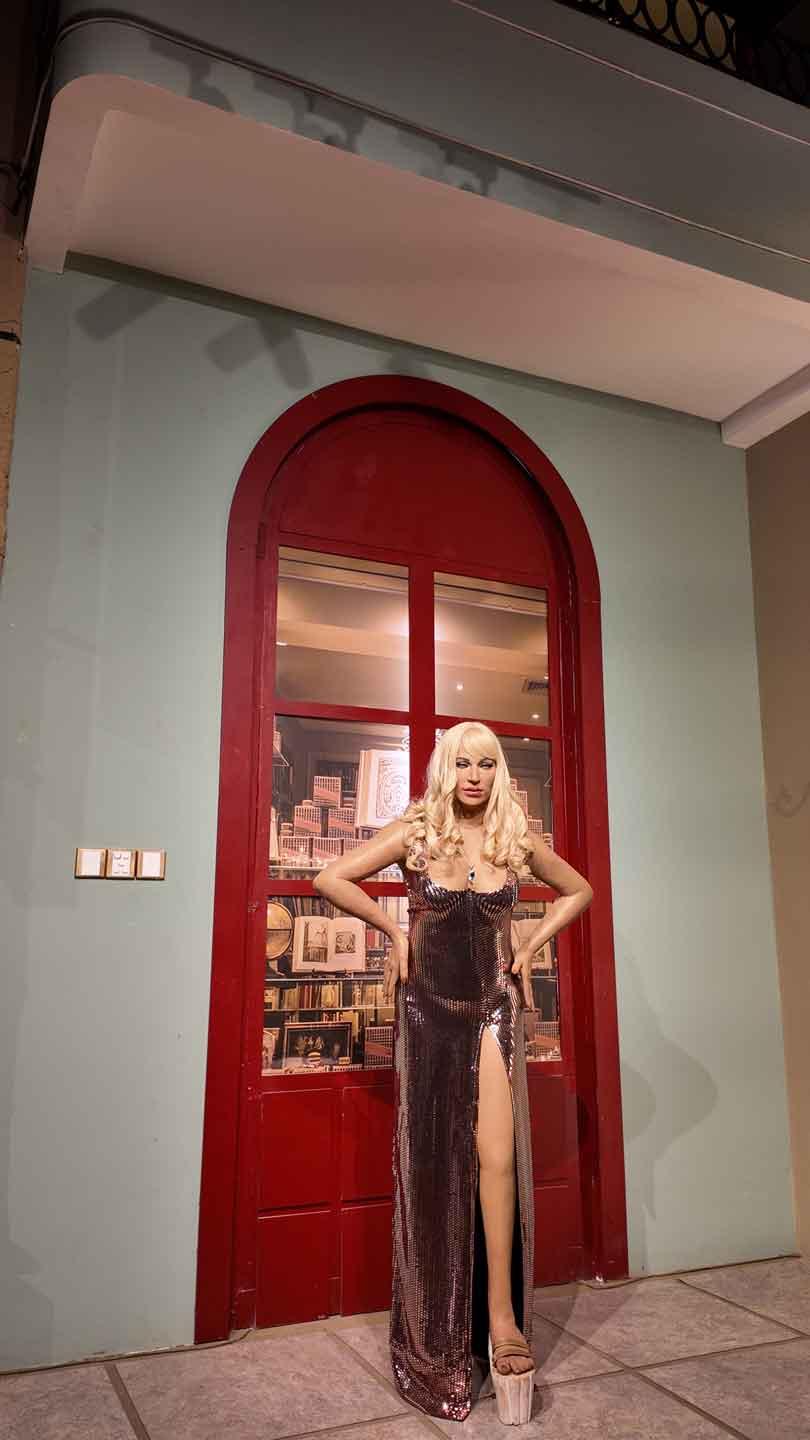
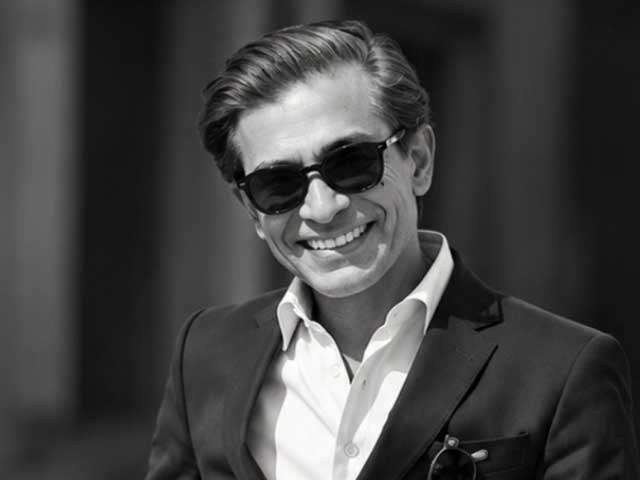
There is something strangely intimate about standing in front of a person who is not there. The eyes appear to meet yours. The posture suggests a moment frozen in time. The details are so precise that your mind momentarily forgets what it already knows. The figure before you is not alive, yet it feels uncannily present.
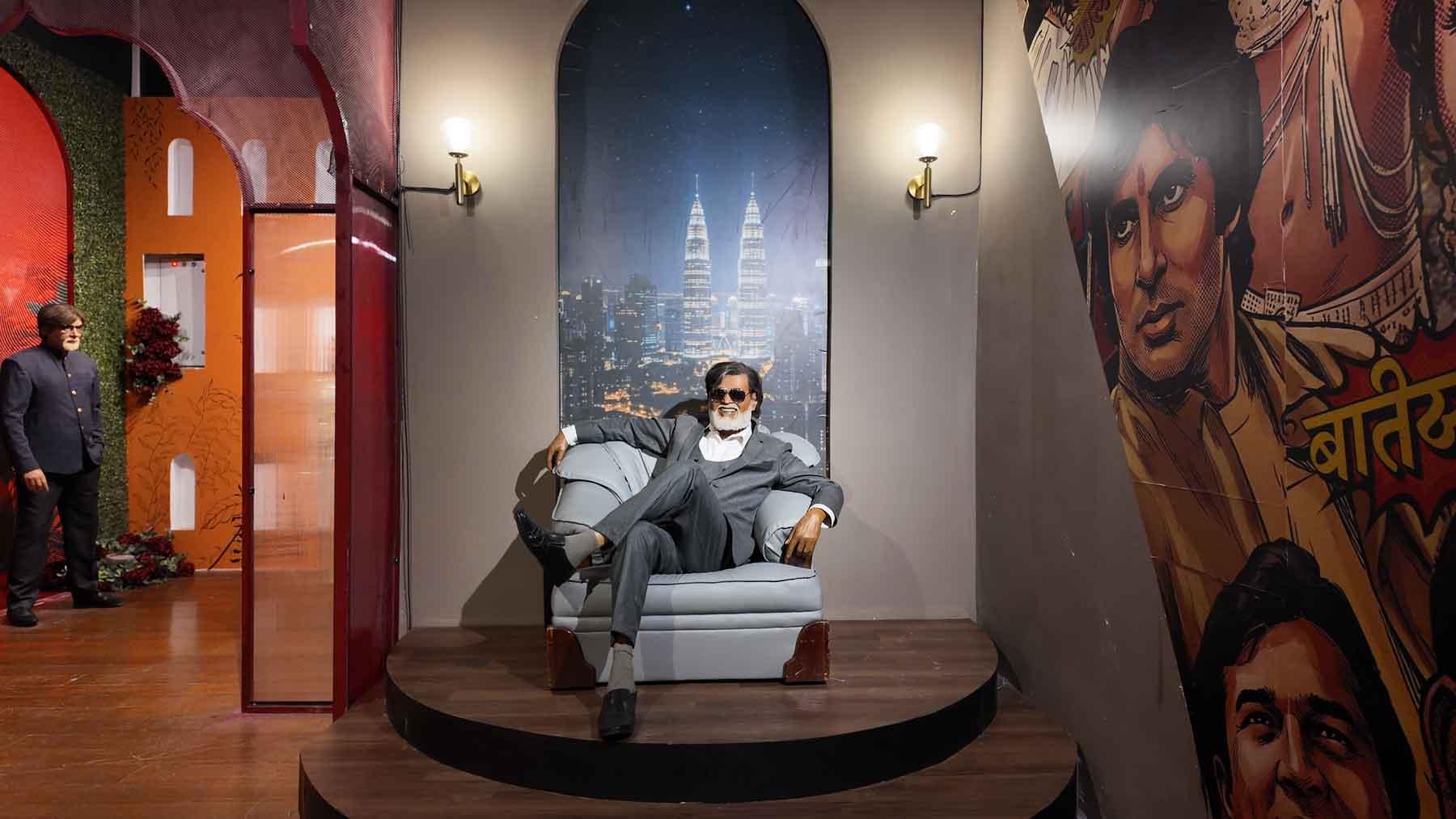
For generations, this experience belonged to faraway cities. Travelers journeyed to London, New York, Amsterdam, or Singapore to wander through the celebrated halls of wax museums and pose beside the likenesses of presidents, movie stars, athletes, and monarchs. It was an experience associated with international tourism, not something one expected to find in Sri Lanka. That changed when the Colombo Wax Museum opened its doors at Arcade Independence Square.
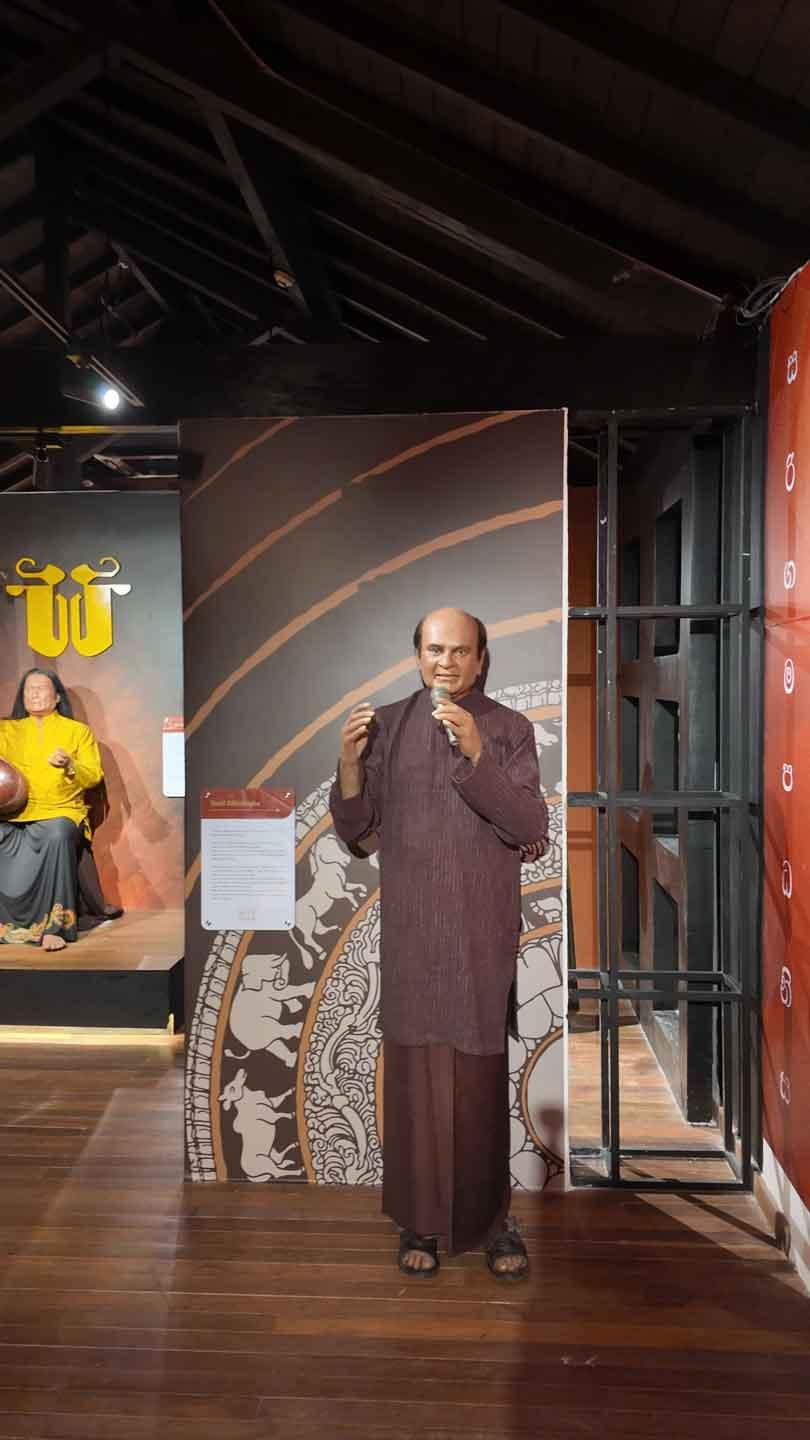
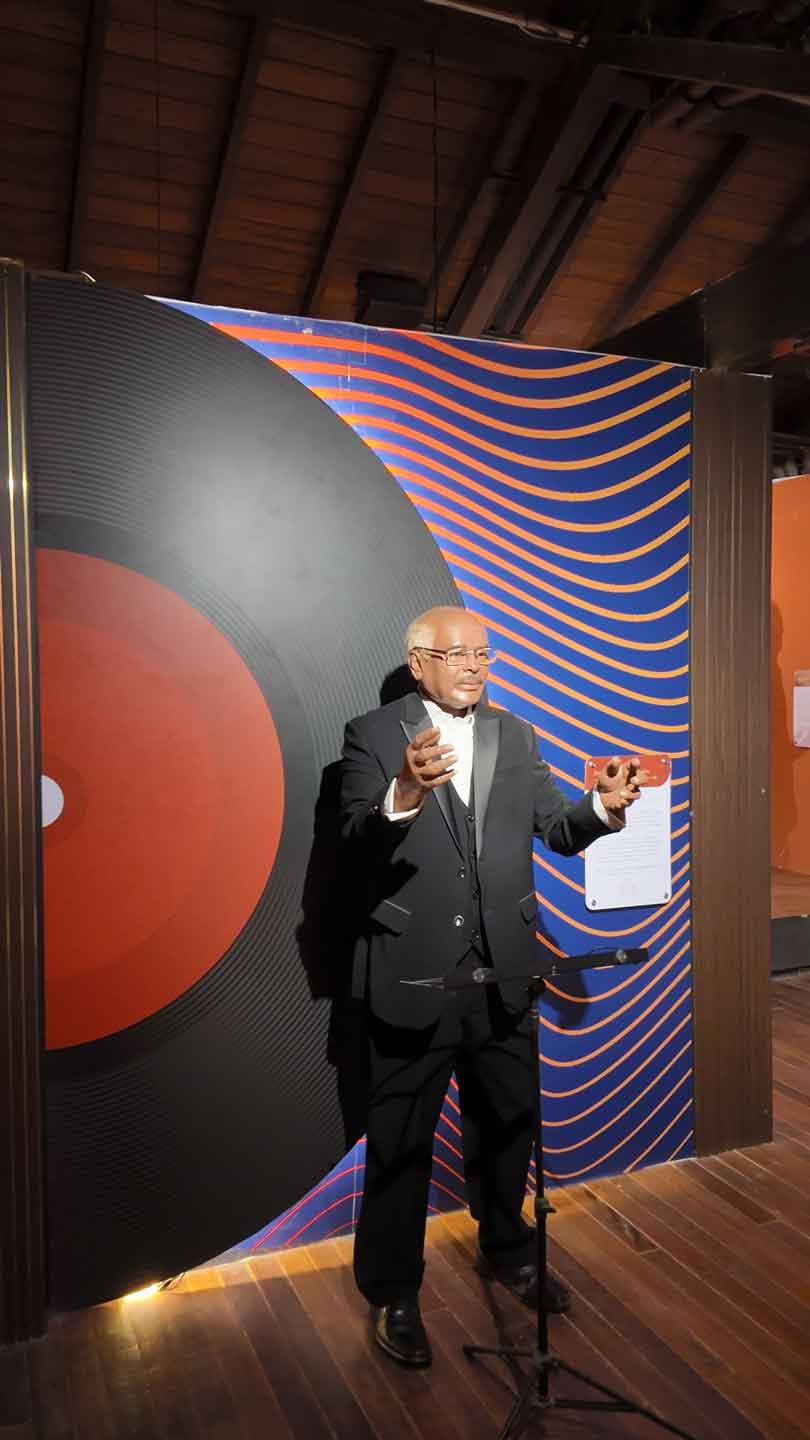
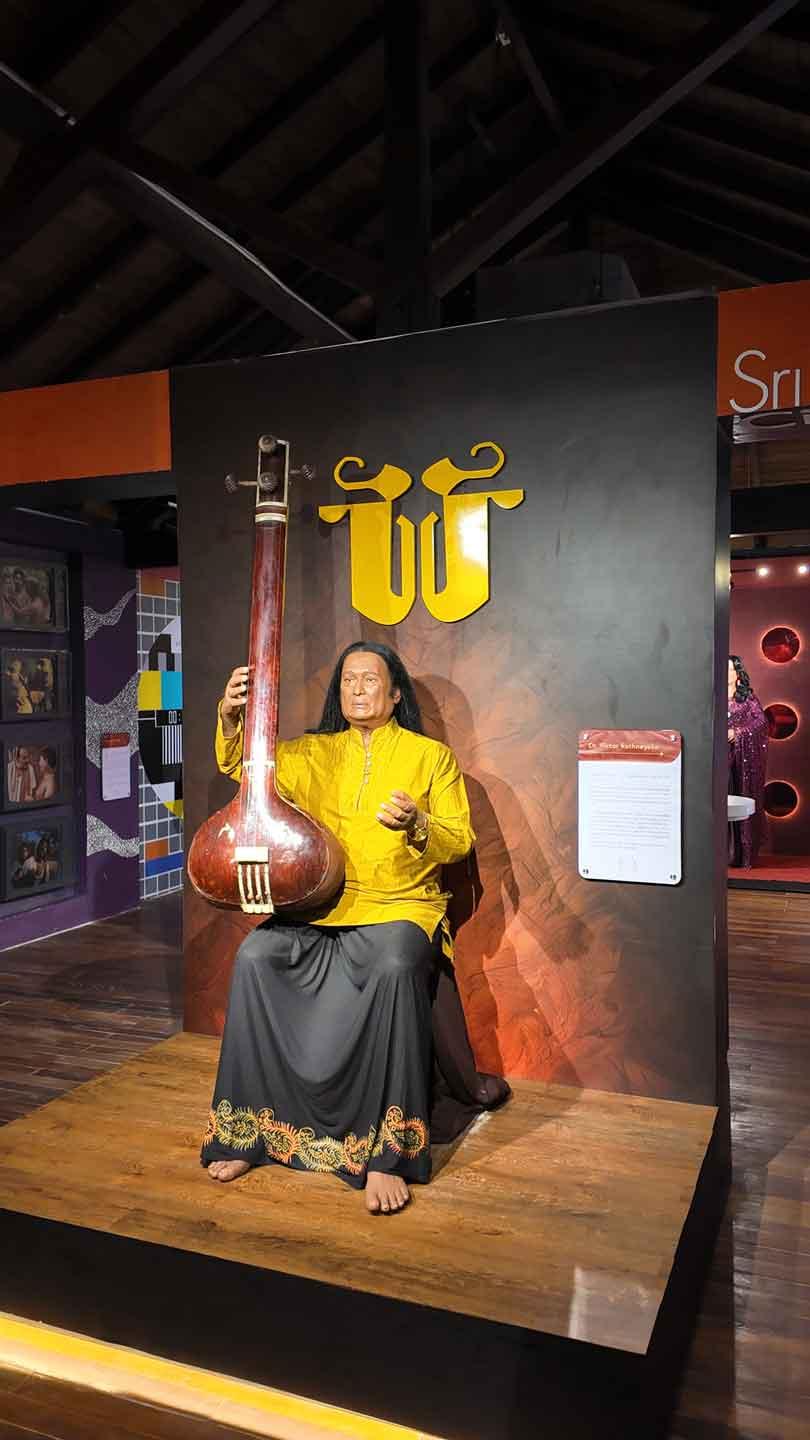
At first glance, the museum appears to be a collection of remarkably realistic sculptures. Spend a little longer inside, however, and it becomes clear that it is something far more meaningful. It is a celebration of memory, craftsmanship, history, and the determination of one Sri Lankan artist who spent decades pursuing a dream many believed impossible. The story begins with Athula Herath.
Long before the museum existed, Herath was fascinated by the challenge of recreating human likeness. Unlike painters who could interpret their subjects through color and brushstrokes, sculptors faced a more demanding task. Every wrinkle, every contour of the face, every subtle expression had to be captured with near-perfect precision. Herath dedicated years to mastering this craft. Without the support of large institutions or international studios, he taught himself techniques through persistence, experimentation, and countless hours of practice. What began as a personal passion gradually evolved into a mission to create something Sri Lanka had never seen before.
His vision was not simply to build a museum. It was to create a space where people could encounter history differently. Museums often encourage distance. Artefacts sit behind glass. Portraits hang on walls. Visitors observe but rarely connect. Wax figures offer something else entirely. Standing beside a life-sized figure creates a sense of proximity that books and photographs cannot replicate. Historical figures cease to be names in a chapter. They become people. Their presence feels immediate. This philosophy is evident throughout the Colombo Wax Museum.
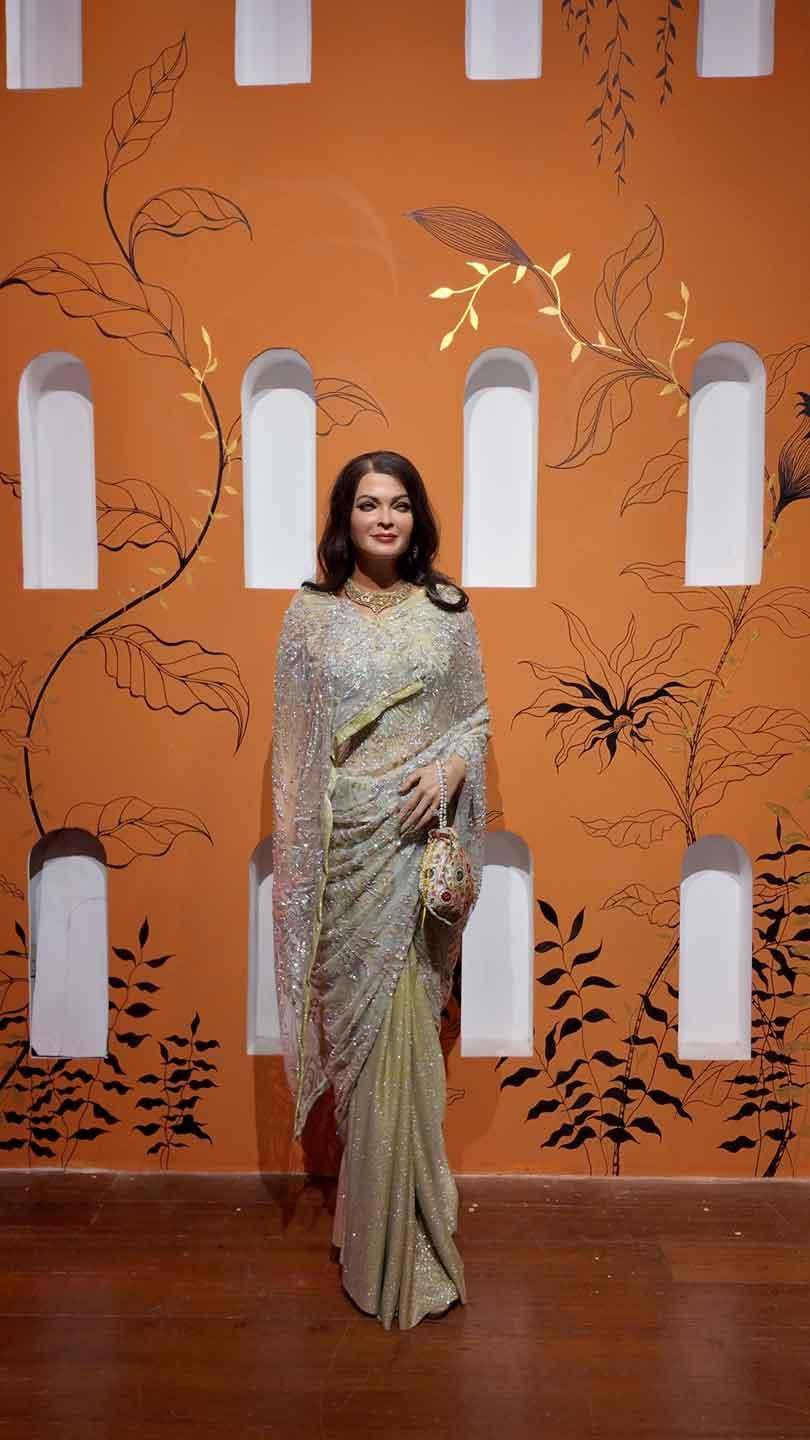
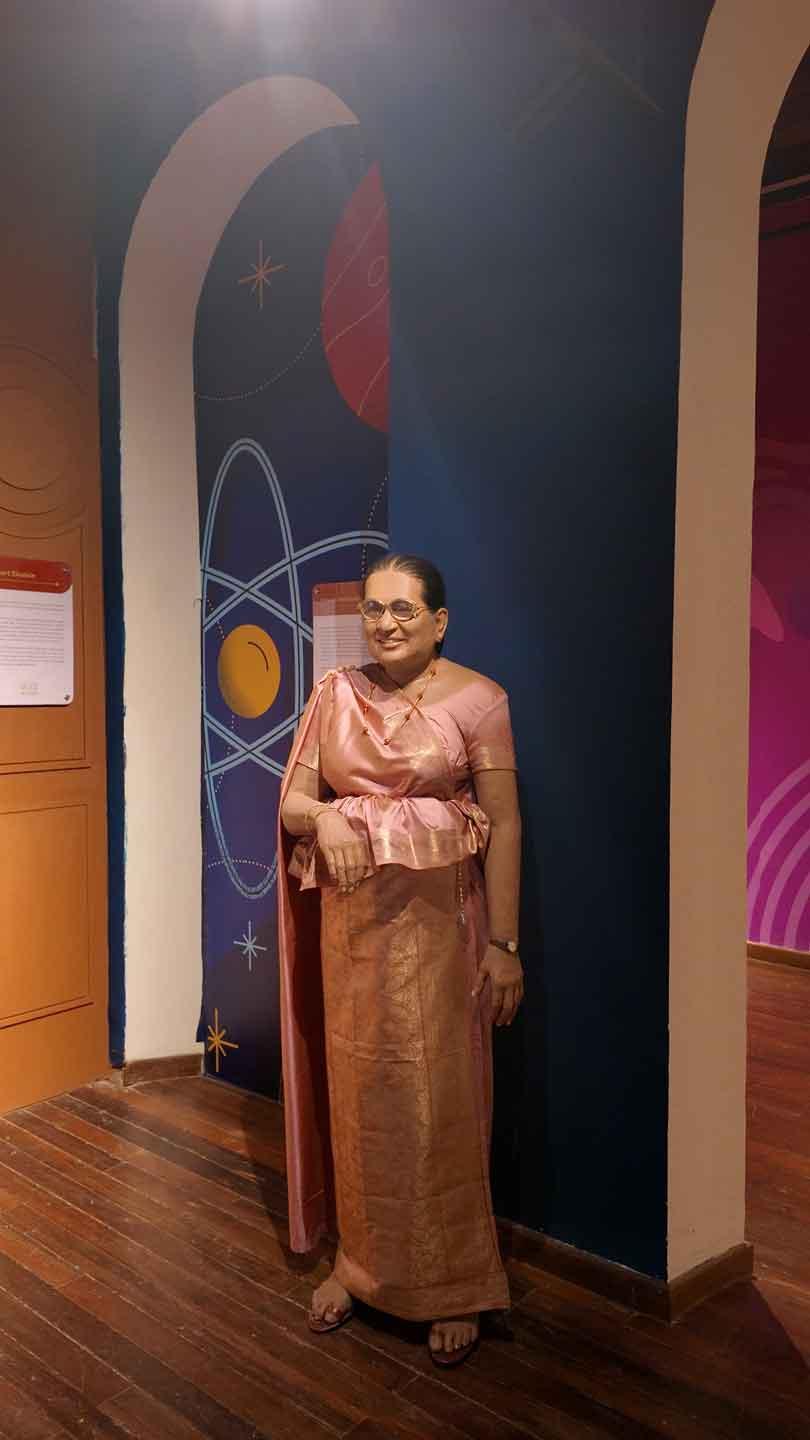
One of its most powerful exhibits features Sirimavo Bandaranaike, the world's first female Prime Minister. For many visitors, seeing her rendered in such astonishing detail evokes memories of an era that helped shape modern Sri Lanka. Younger visitors who know her only through history lessons suddenly find themselves face to face with a figure whose influence extended far beyond the island's shores.
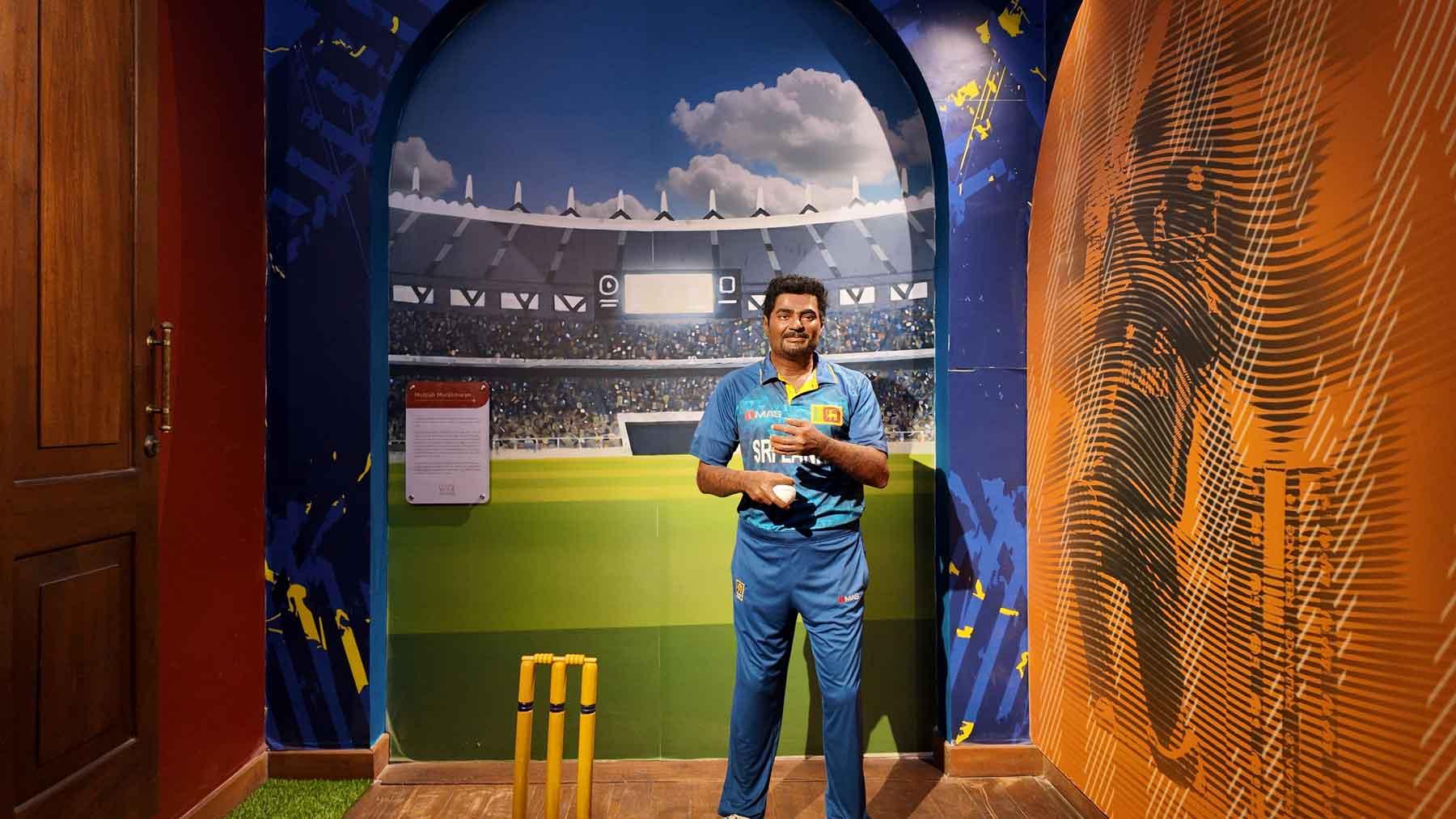
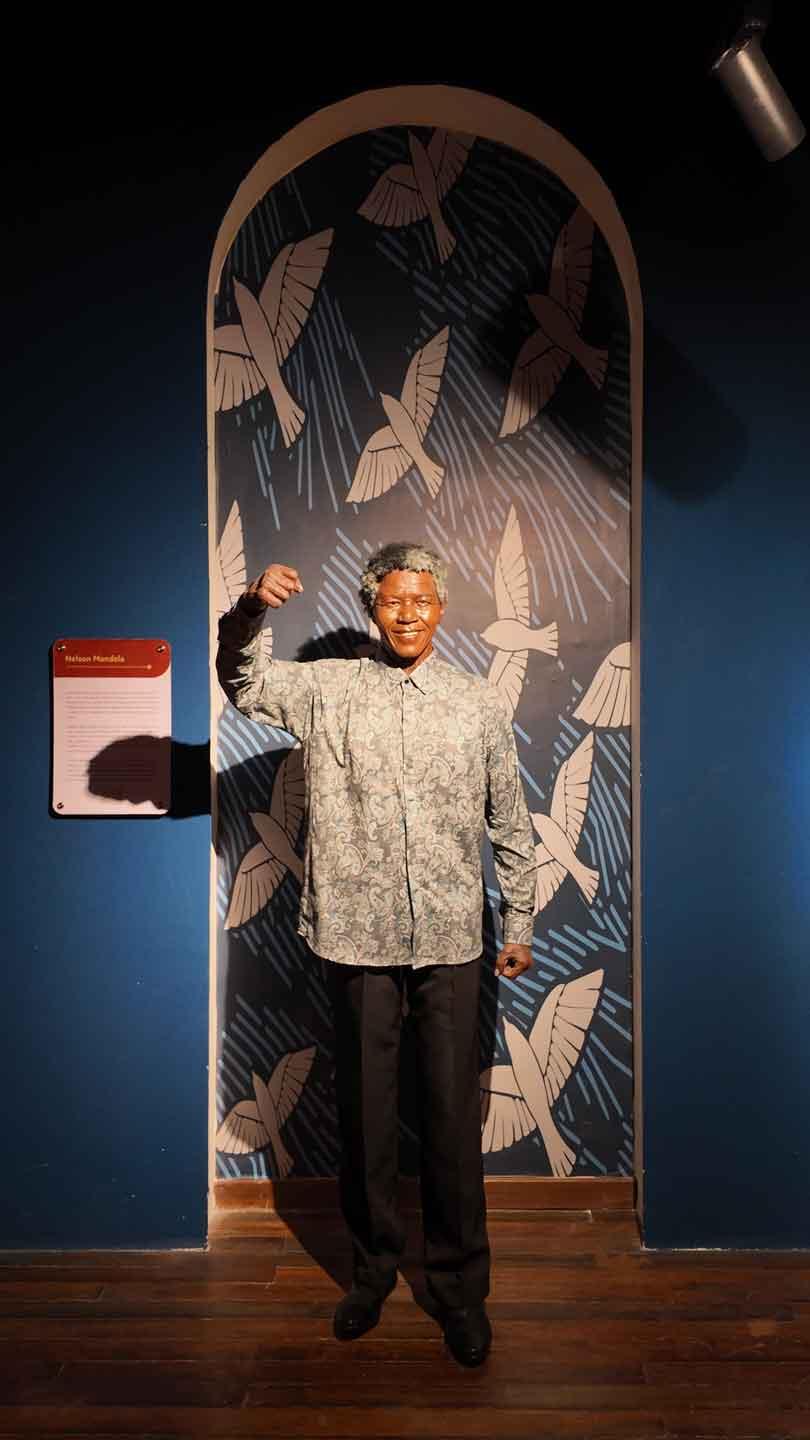
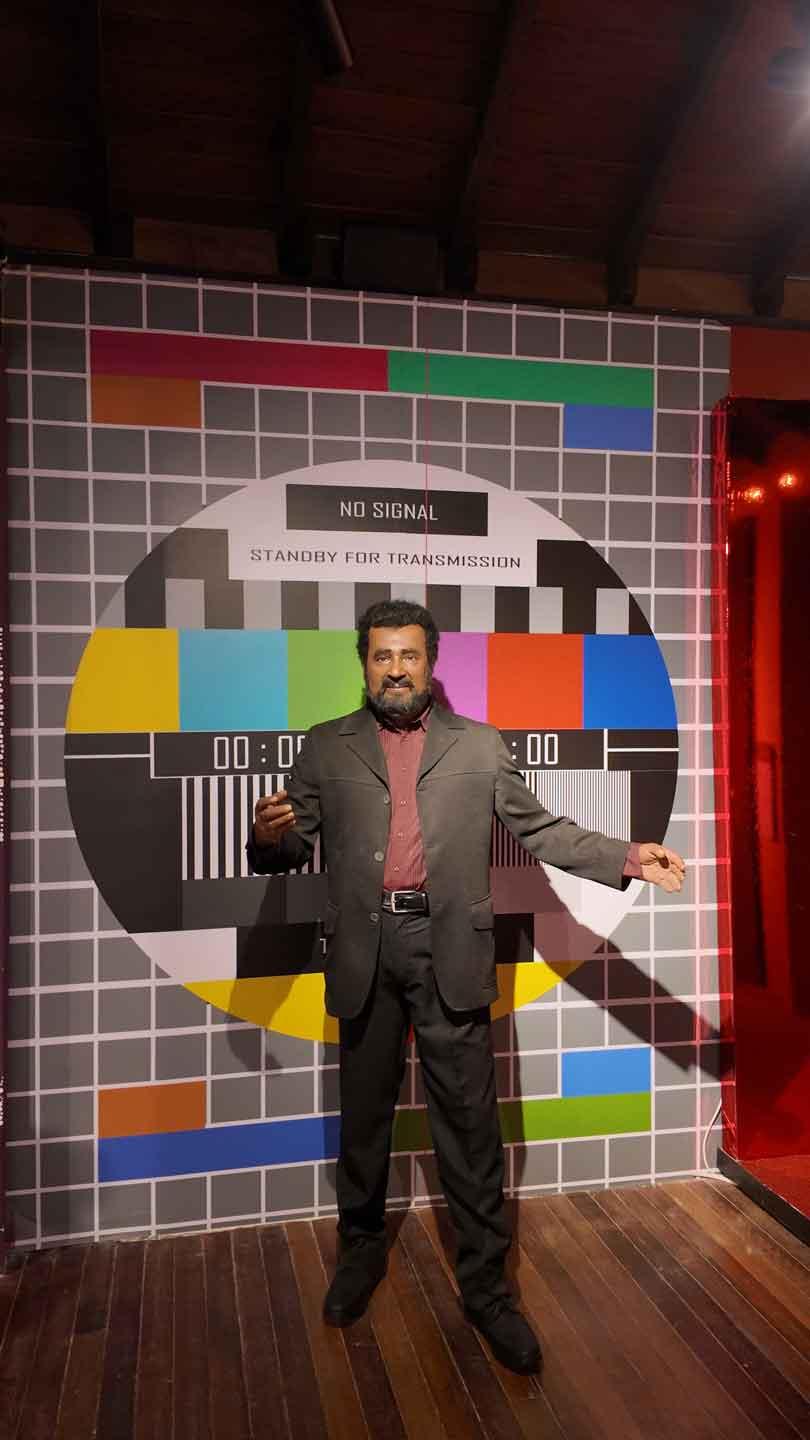
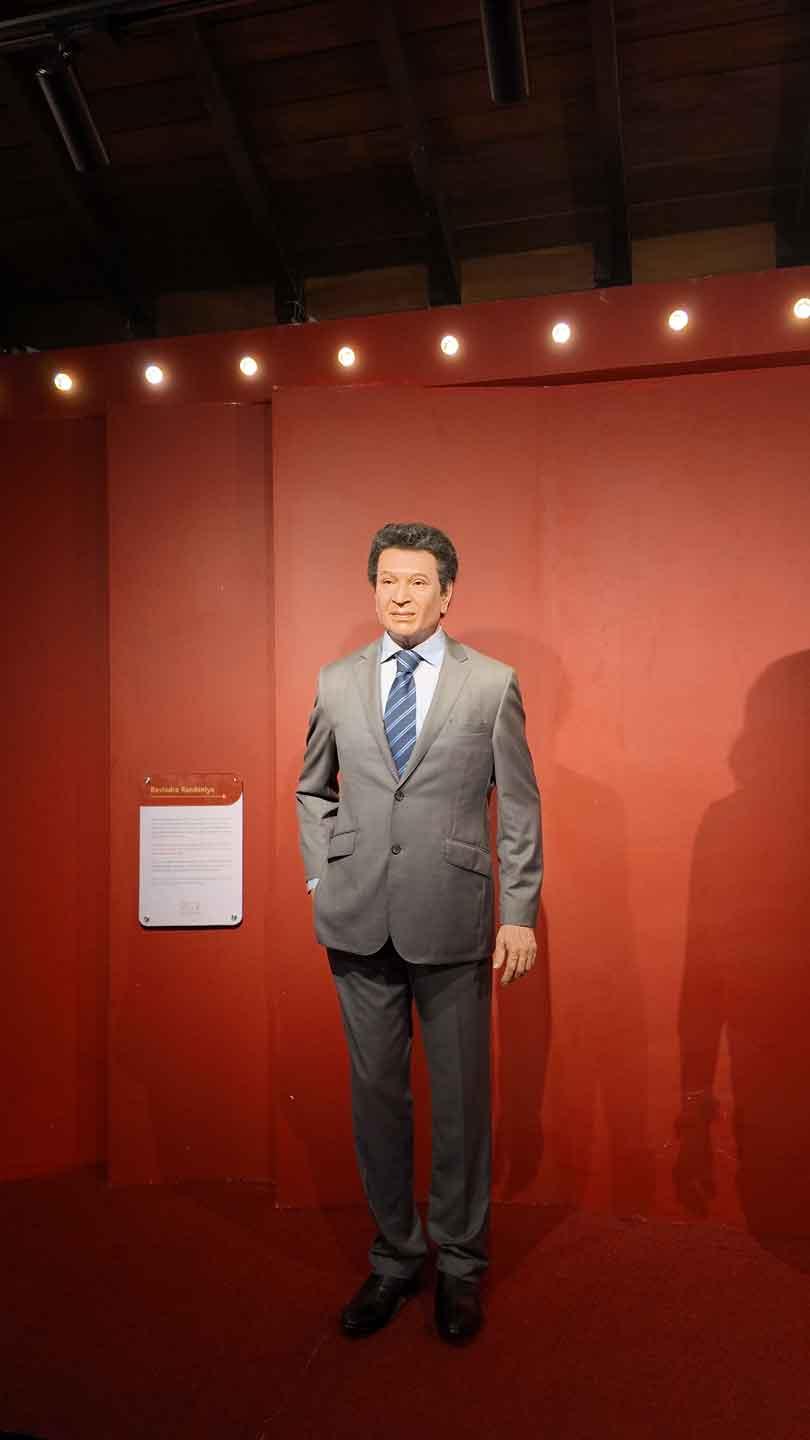
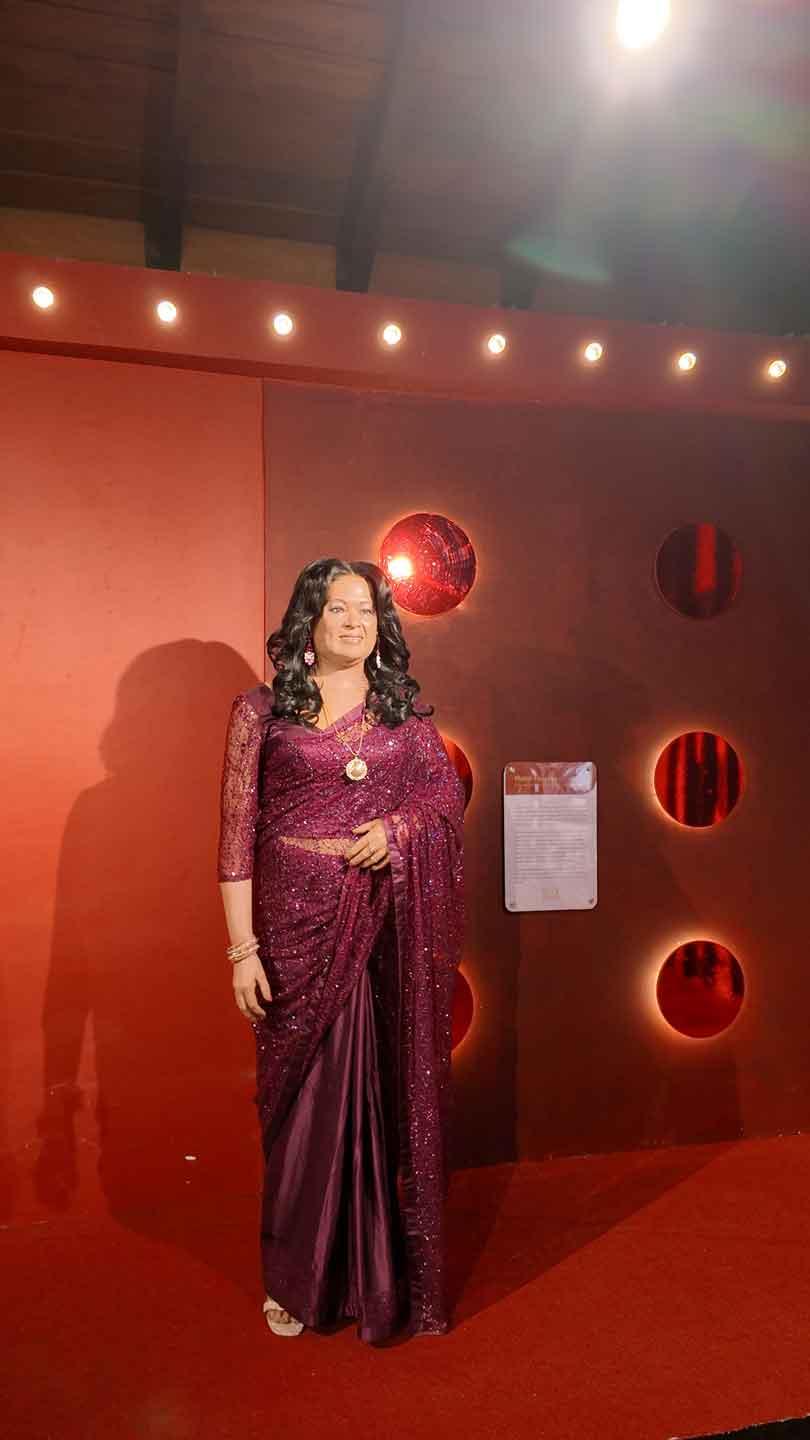
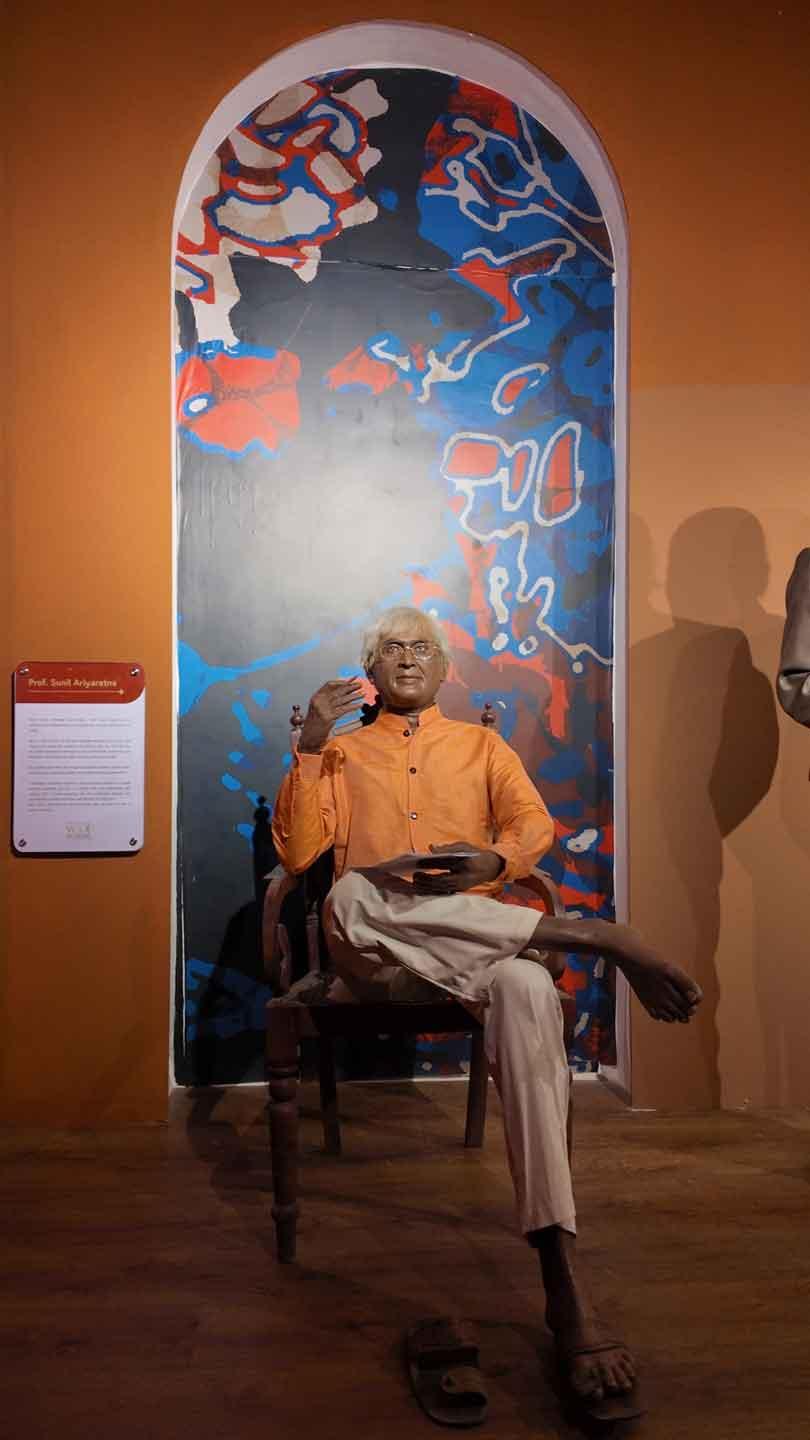
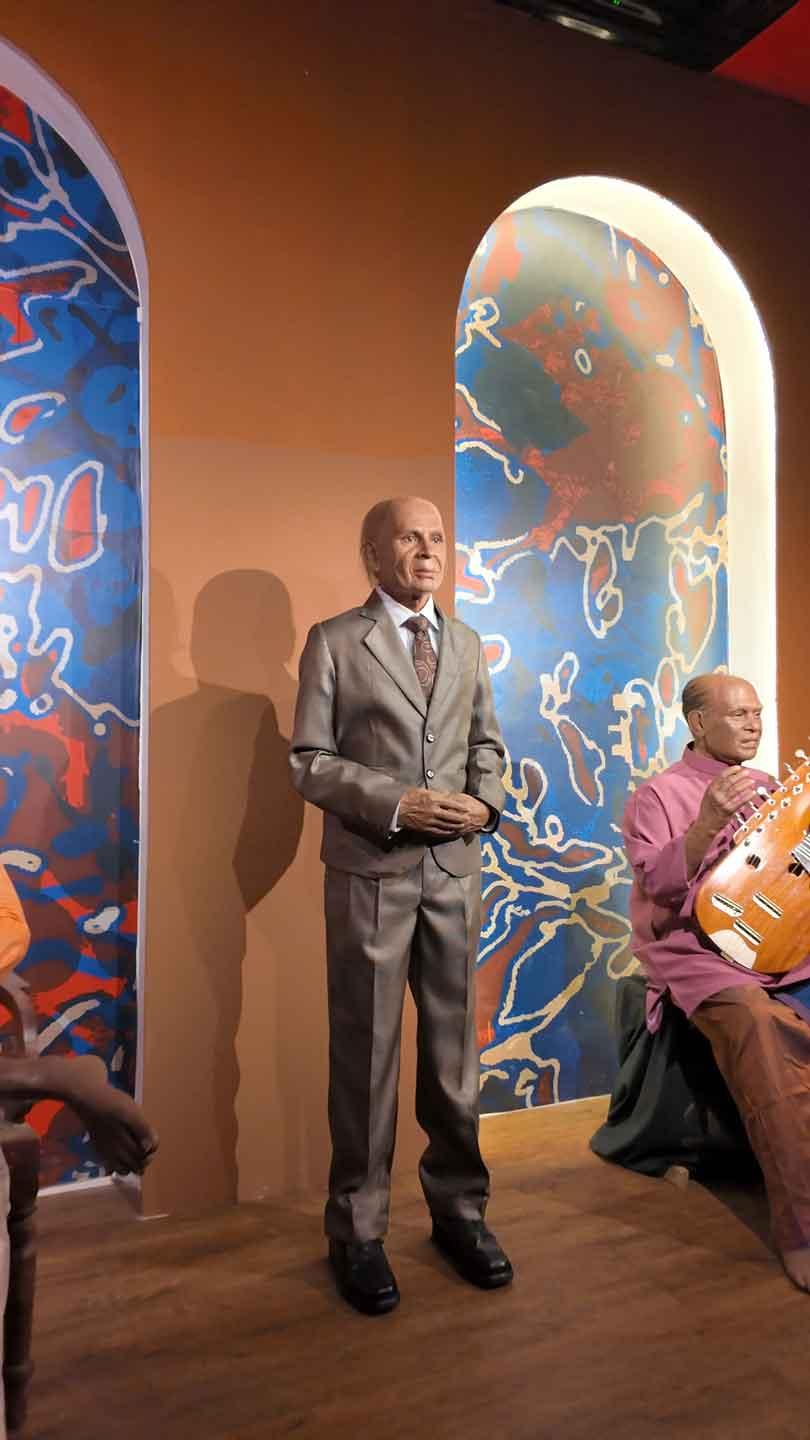
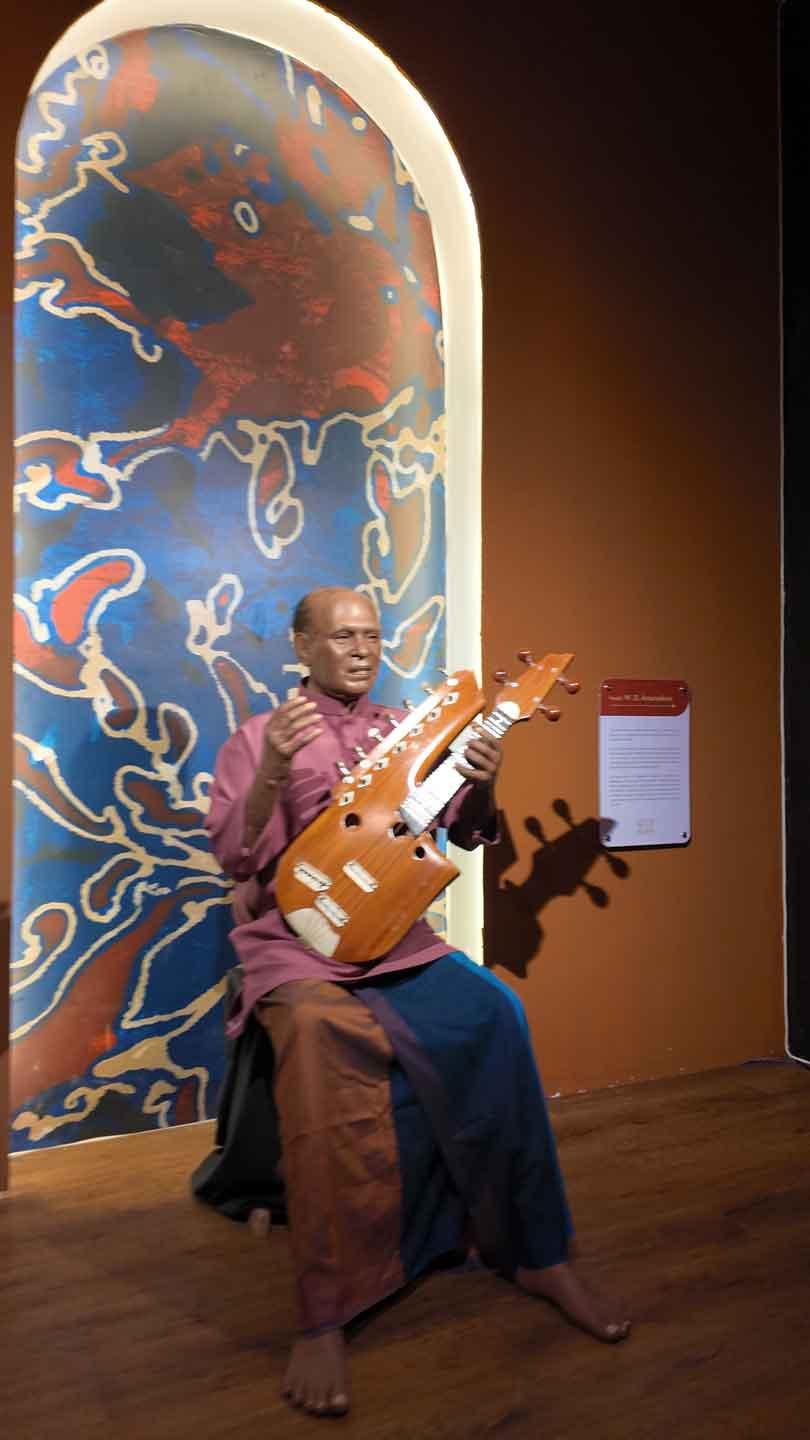
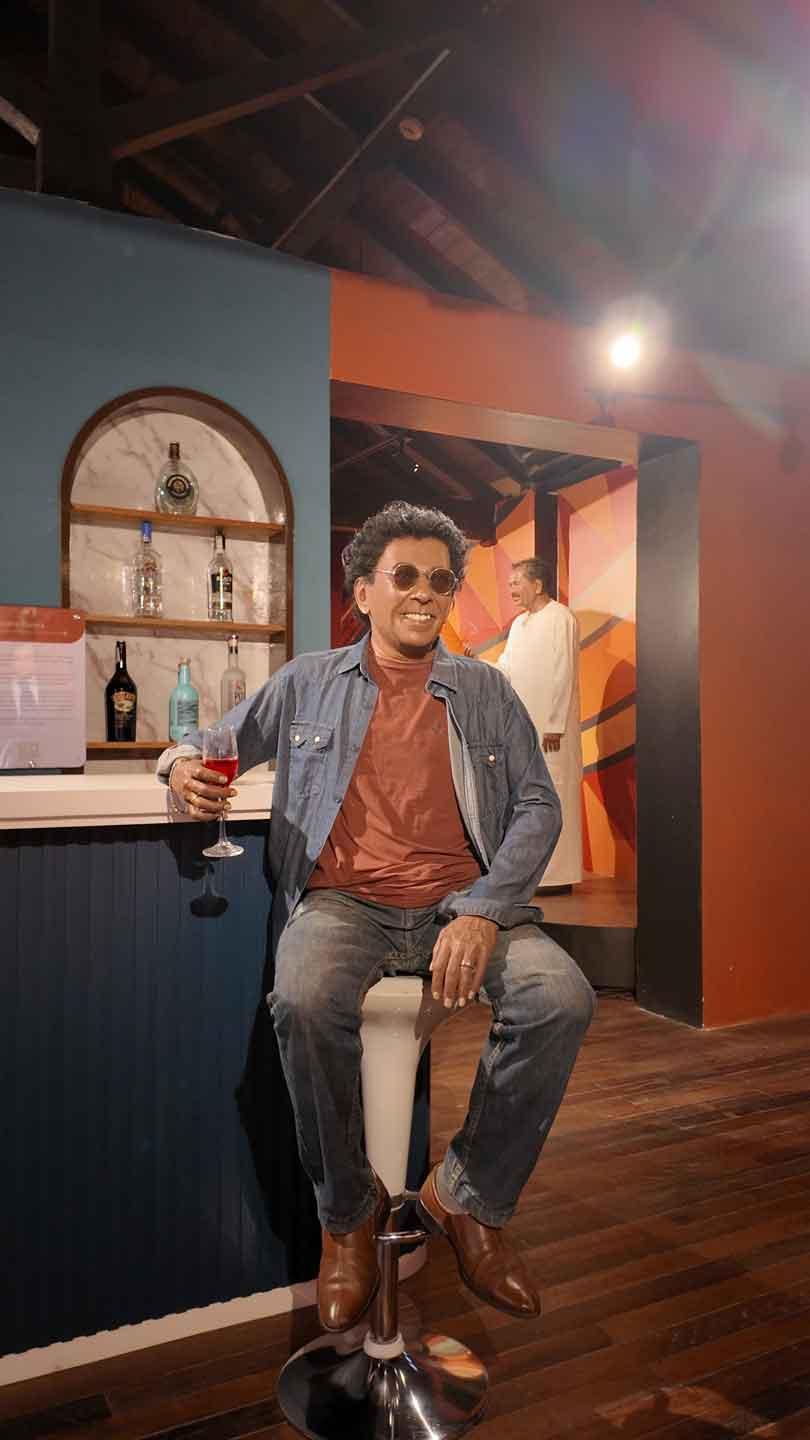
Elsewhere, the museum pays tribute to personalities who helped define Sri Lanka's cultural identity. Actors, musicians, artists, and public figures stand preserved in moments that capture the essence of their careers. For older visitors, the displays inspire nostalgia. For younger audiences, they serve as introductions to the individuals who shaped the country's artistic and social landscape. Yet the museum does not stop at national icons.
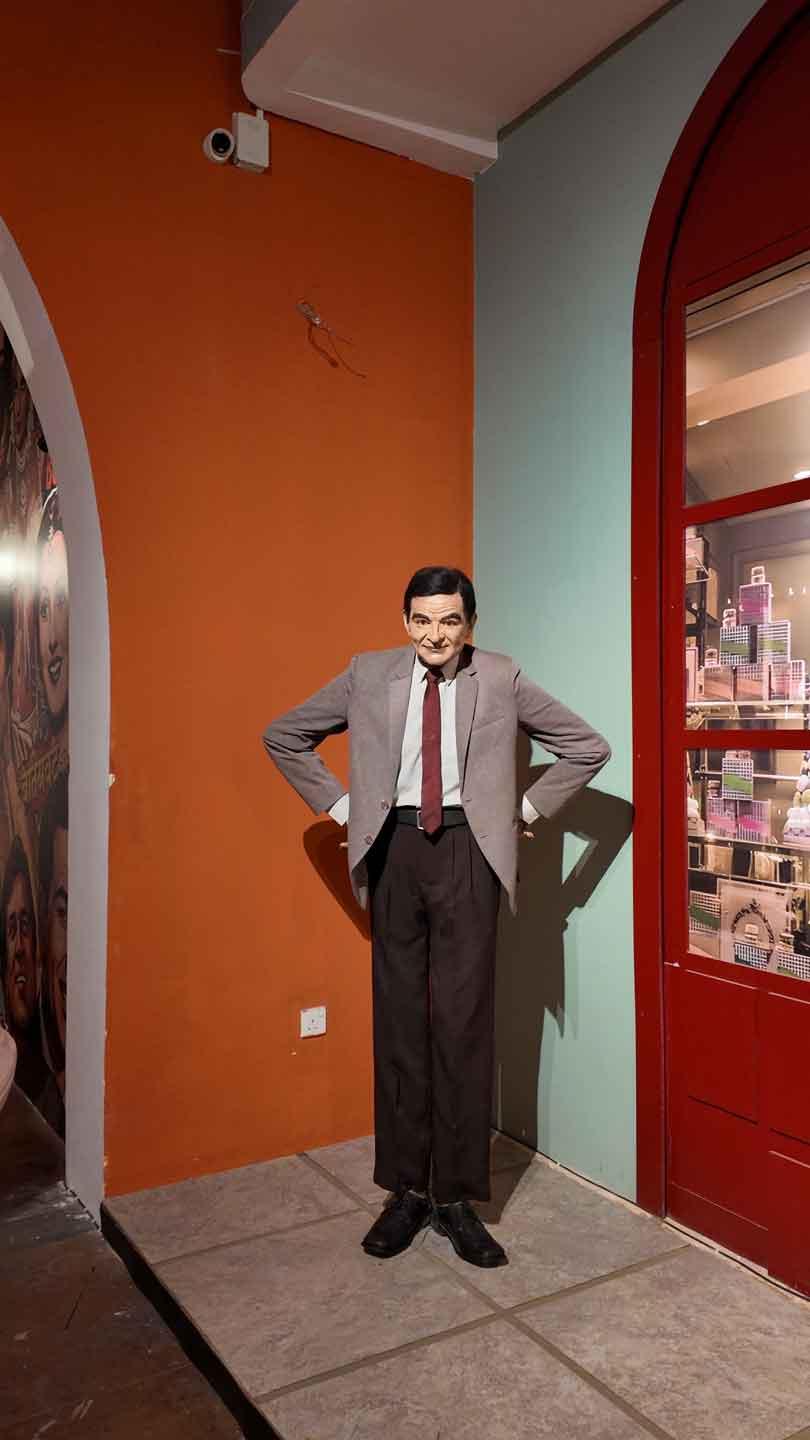
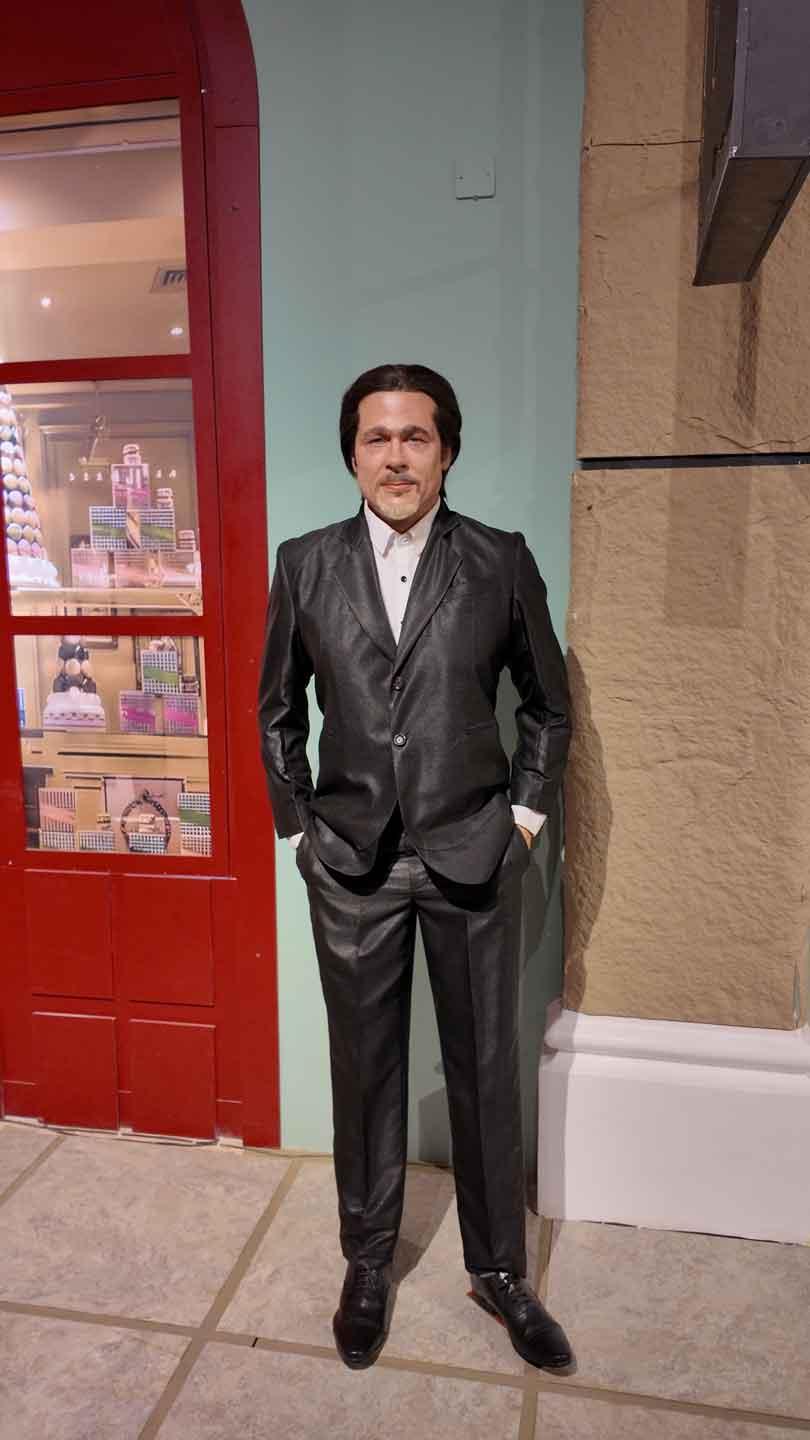
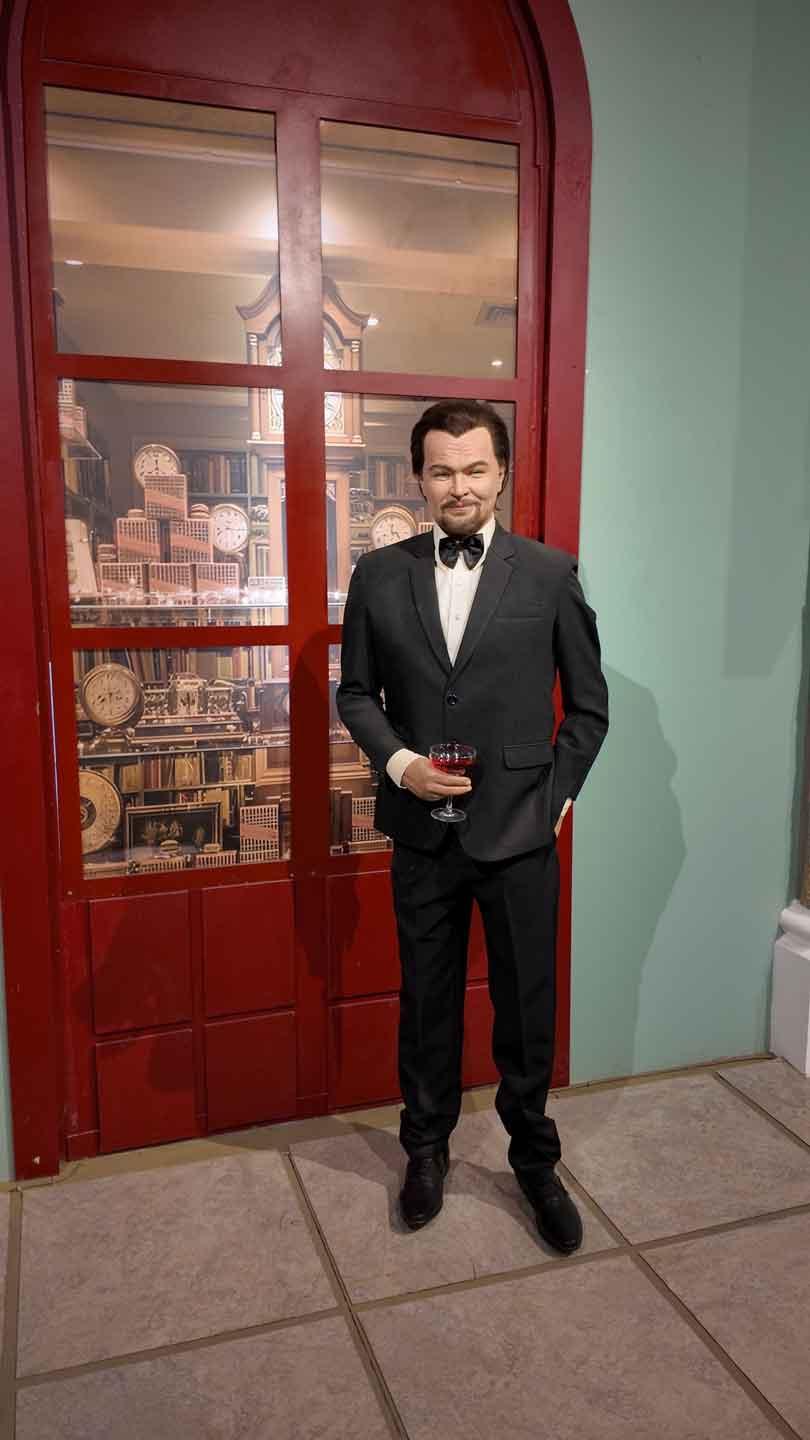
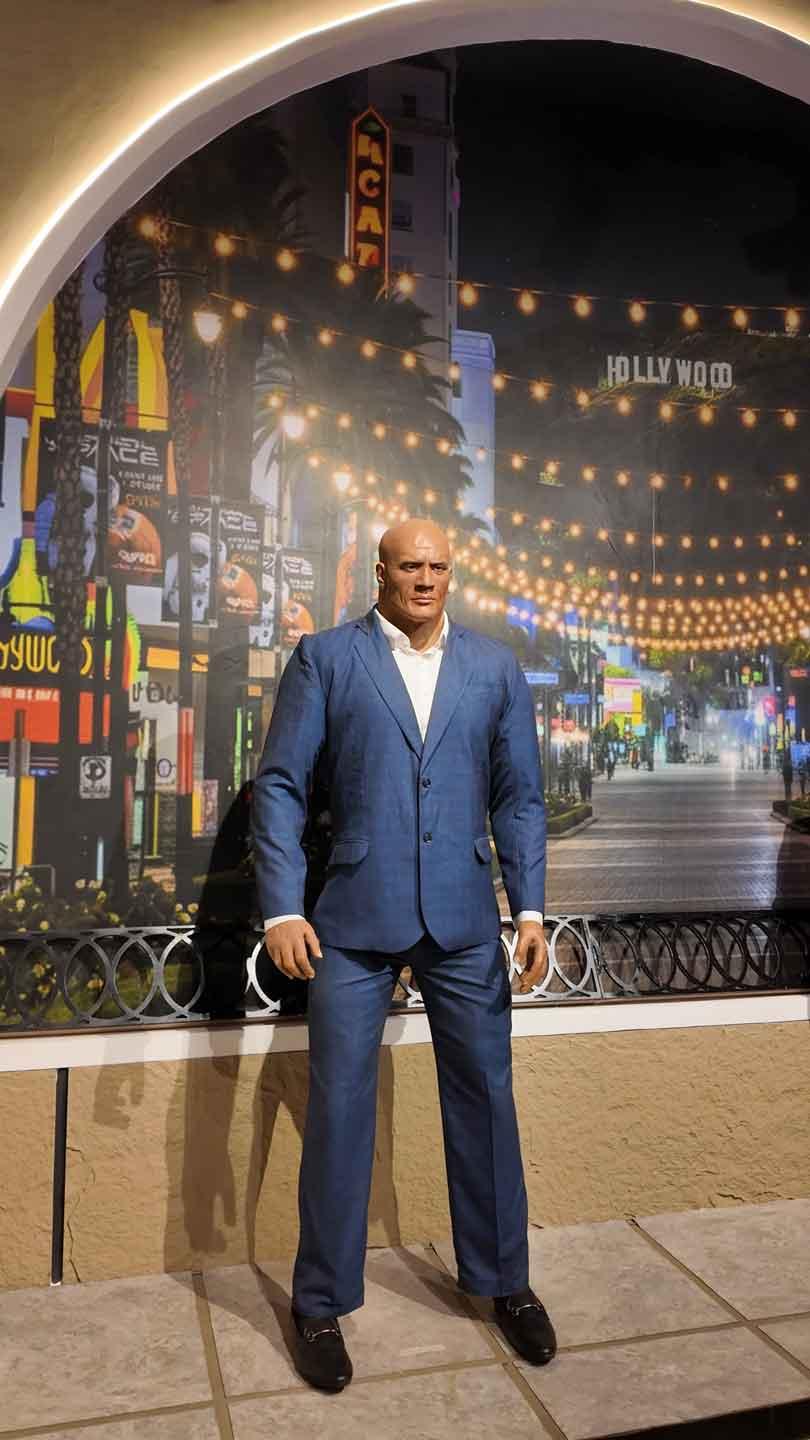
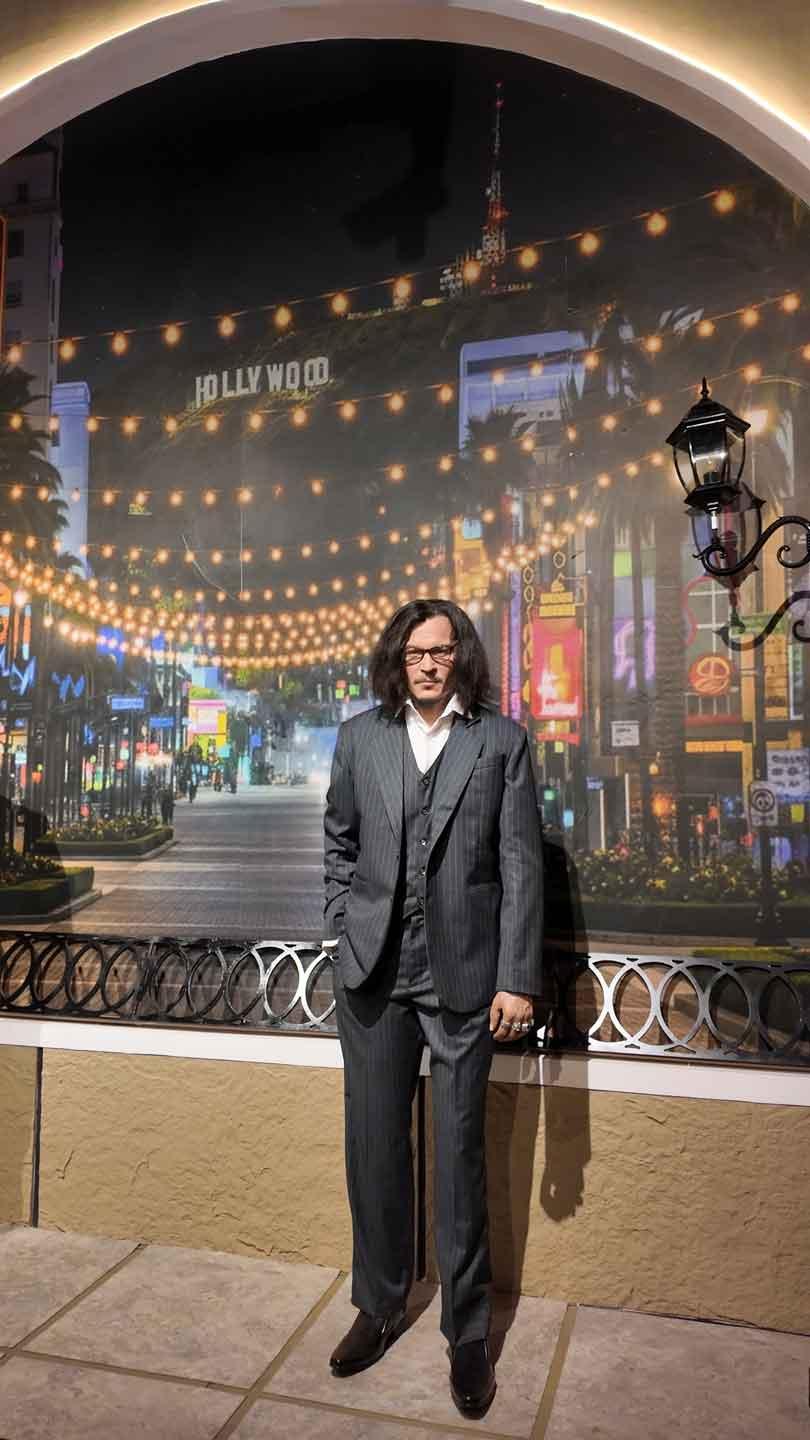
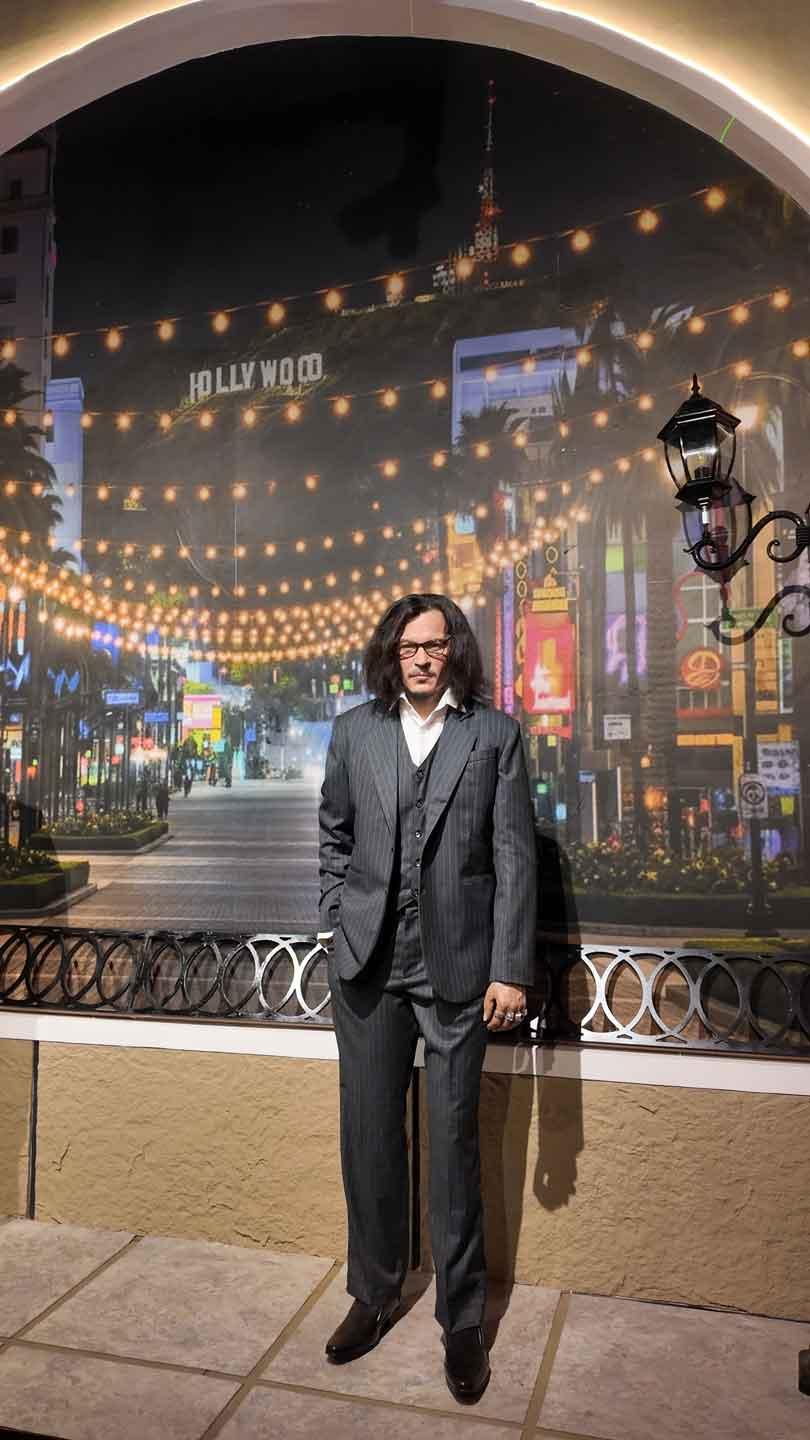
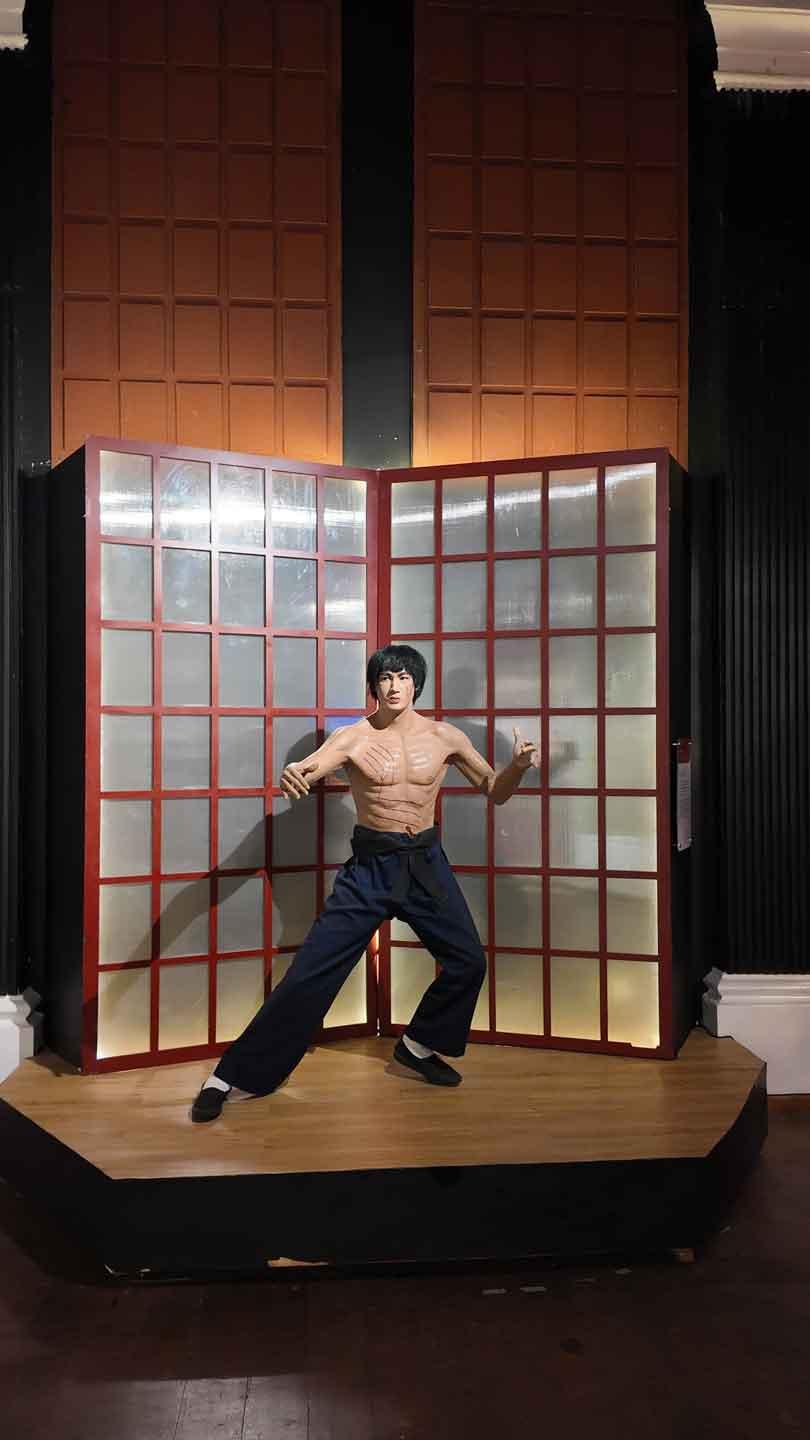
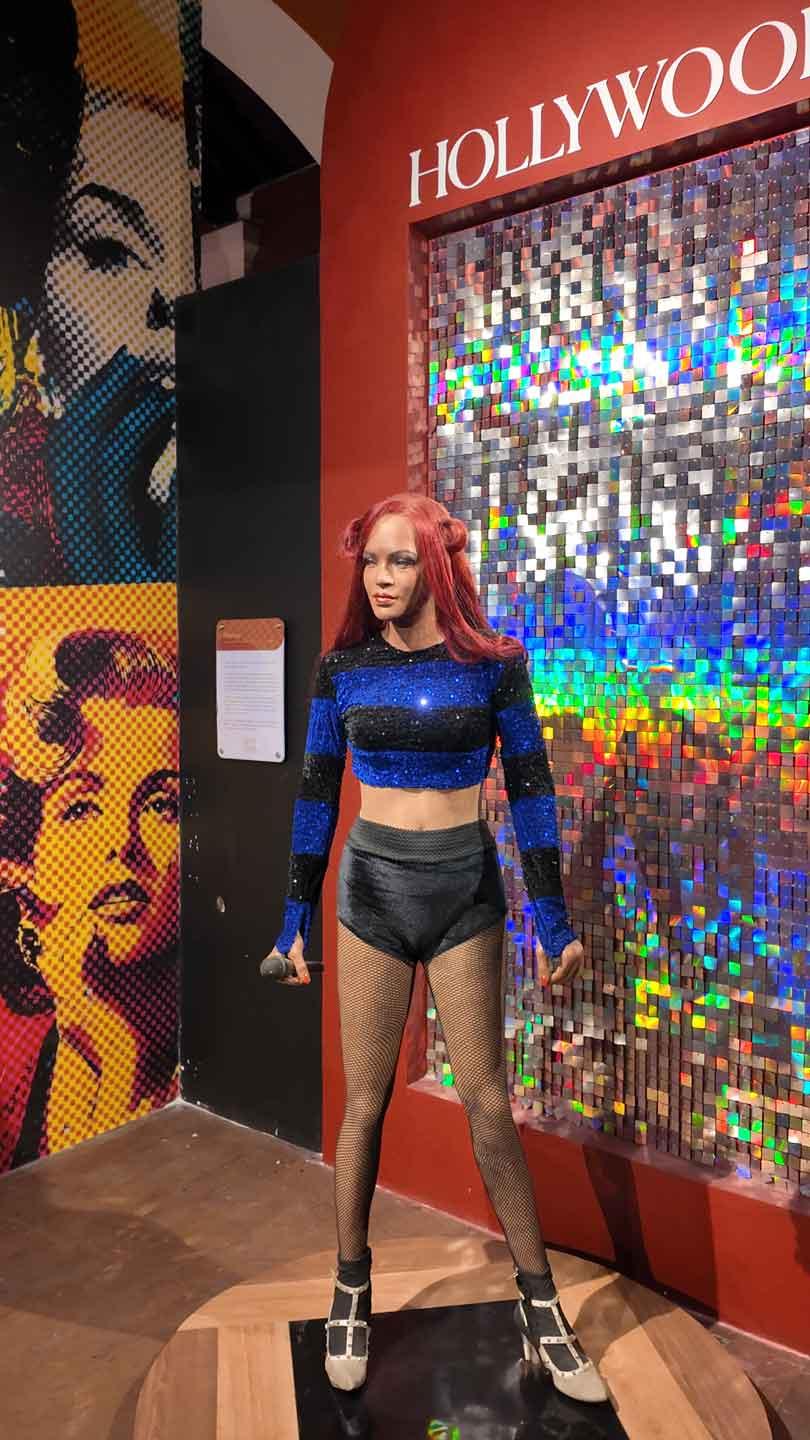
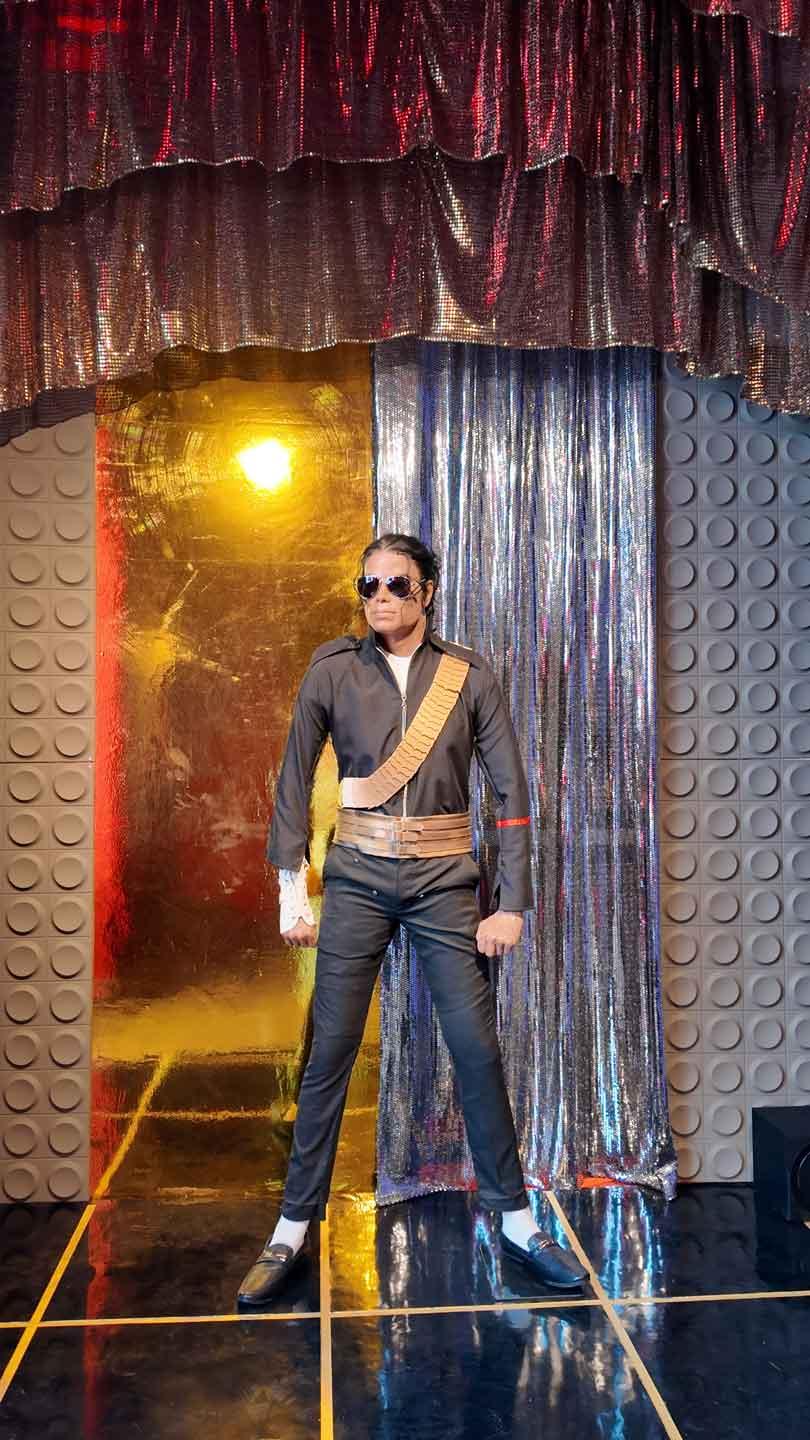
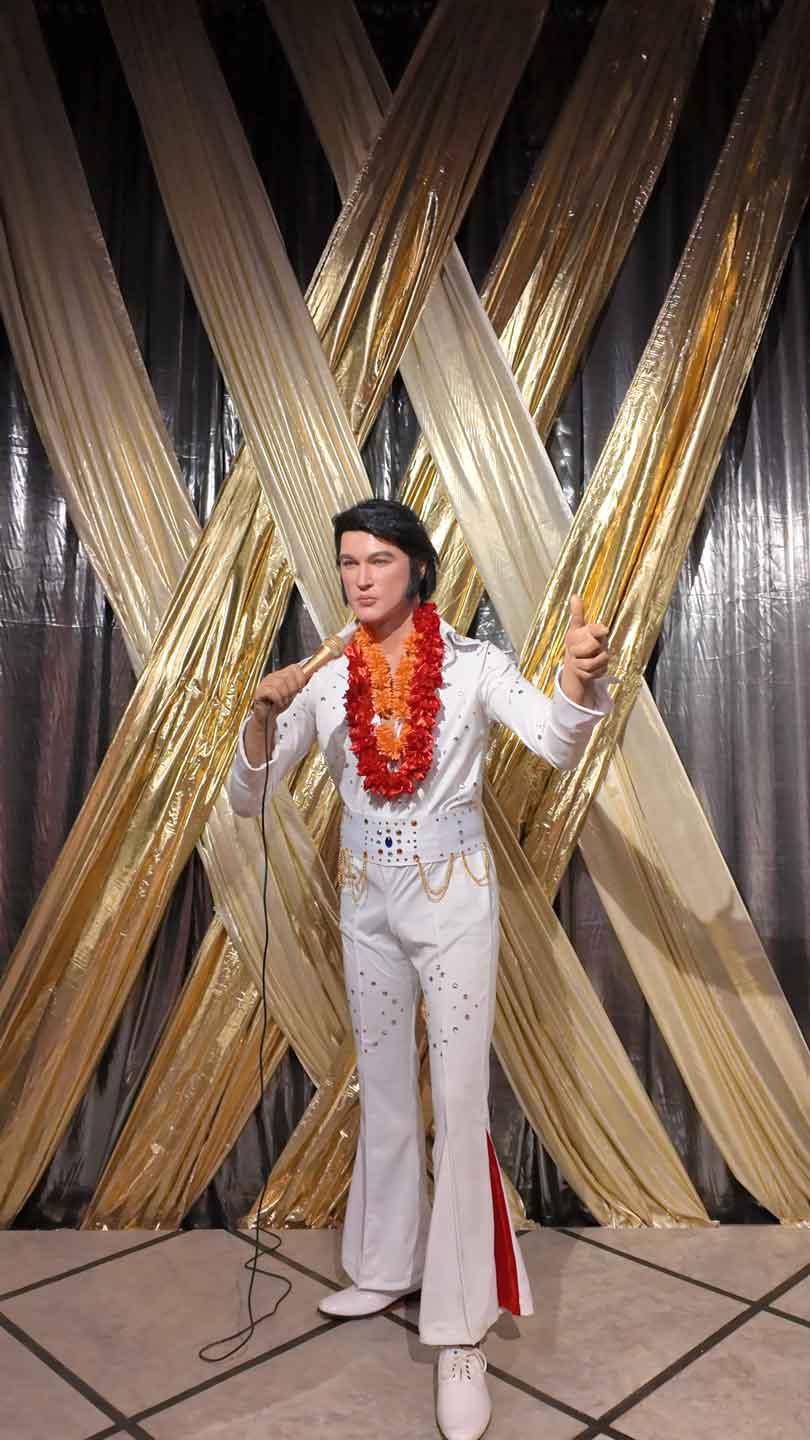
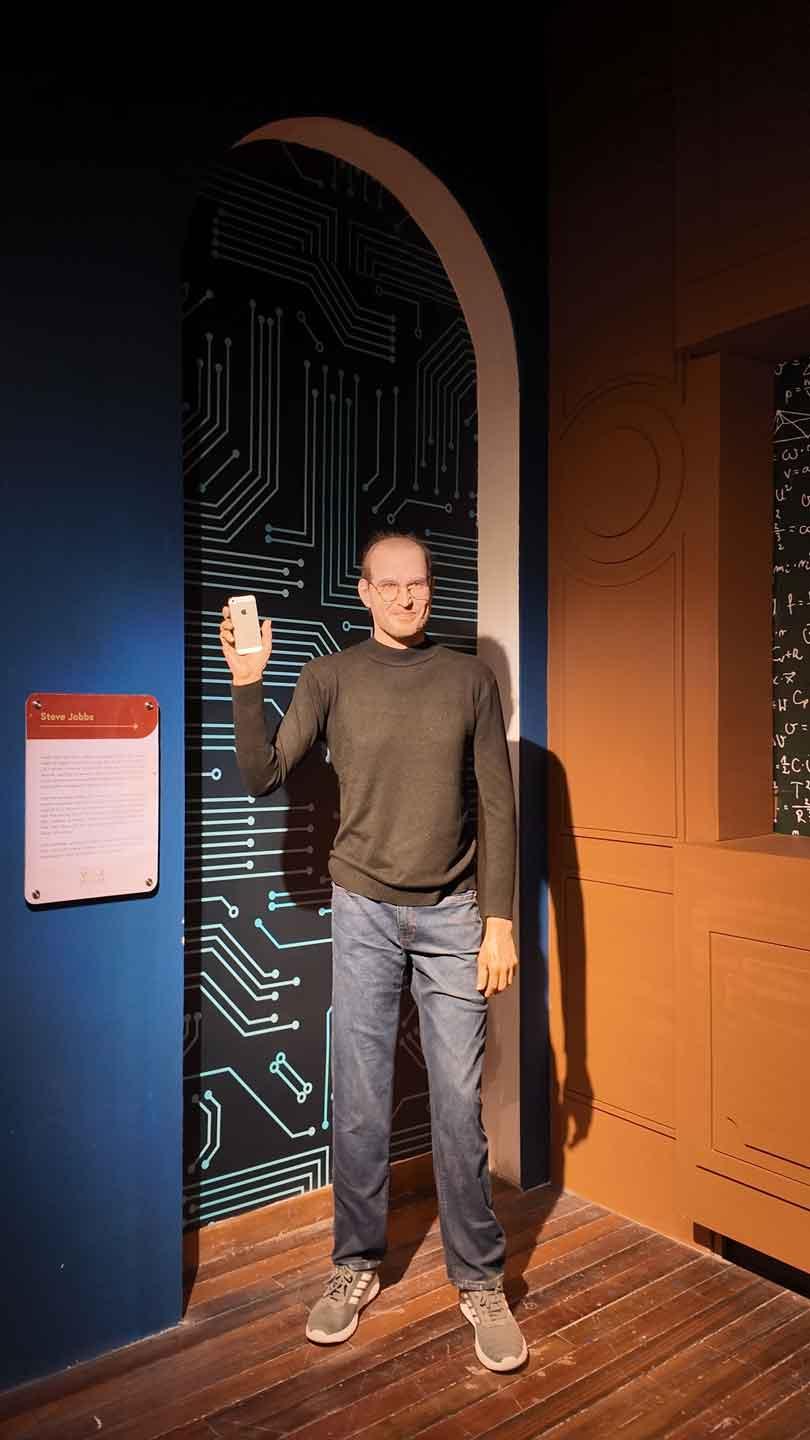
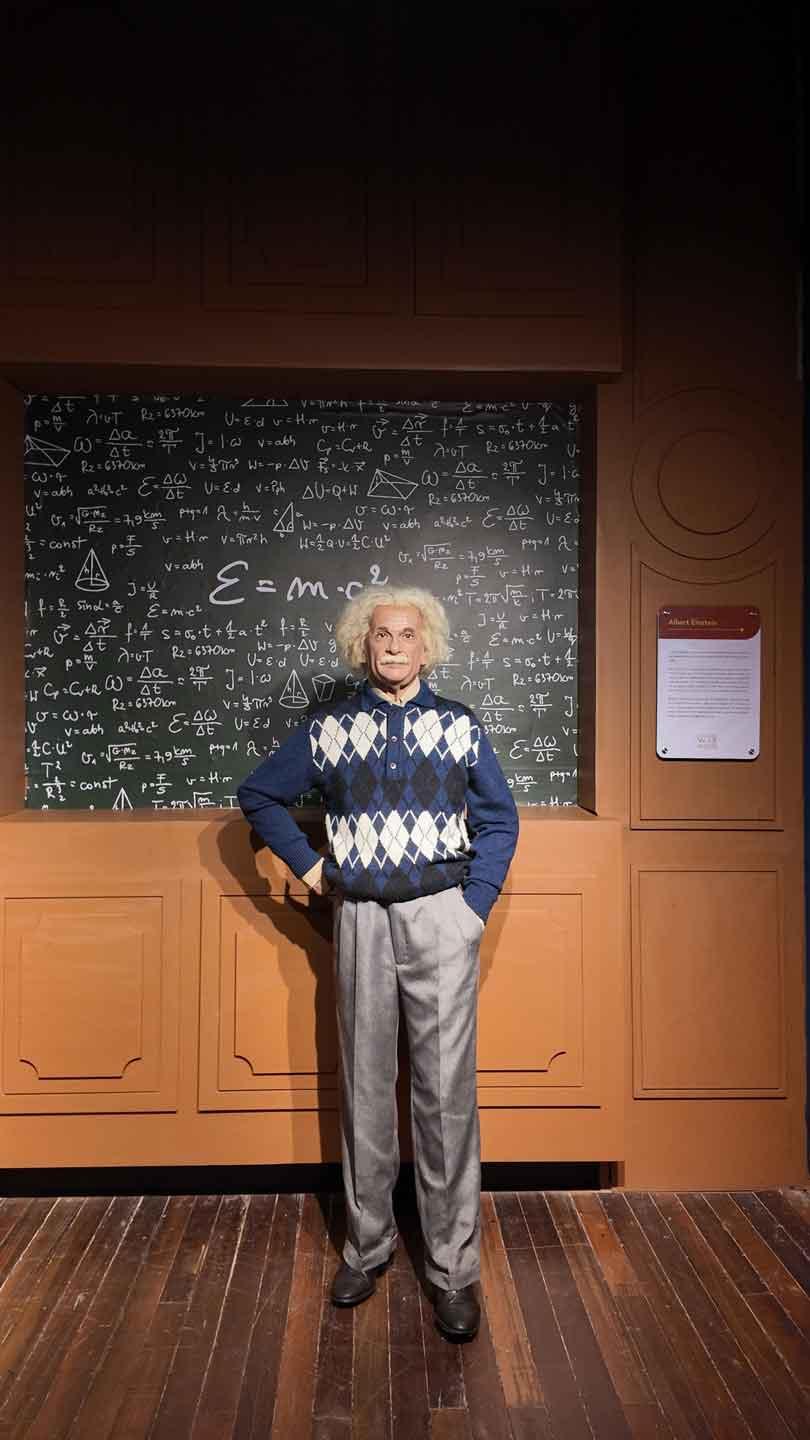
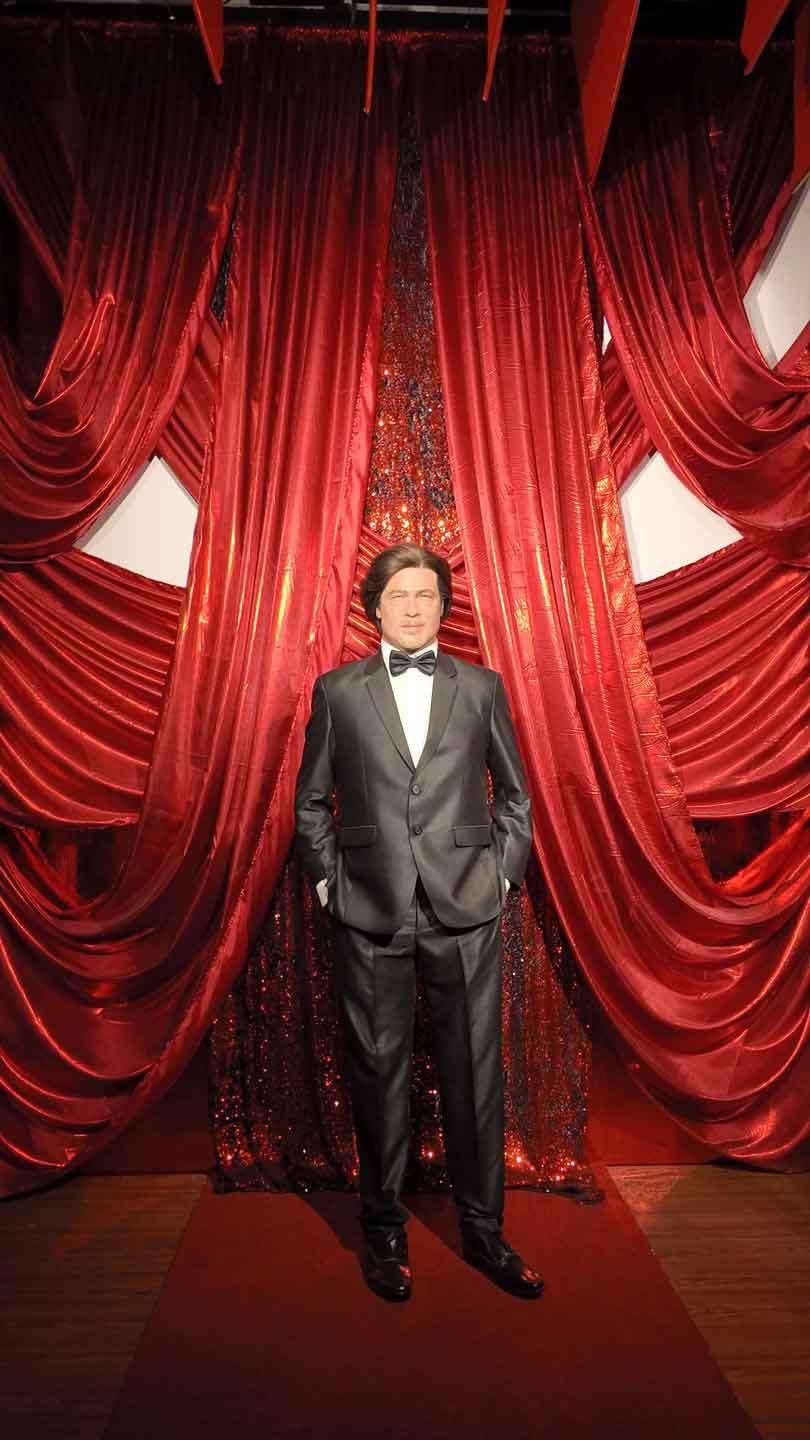
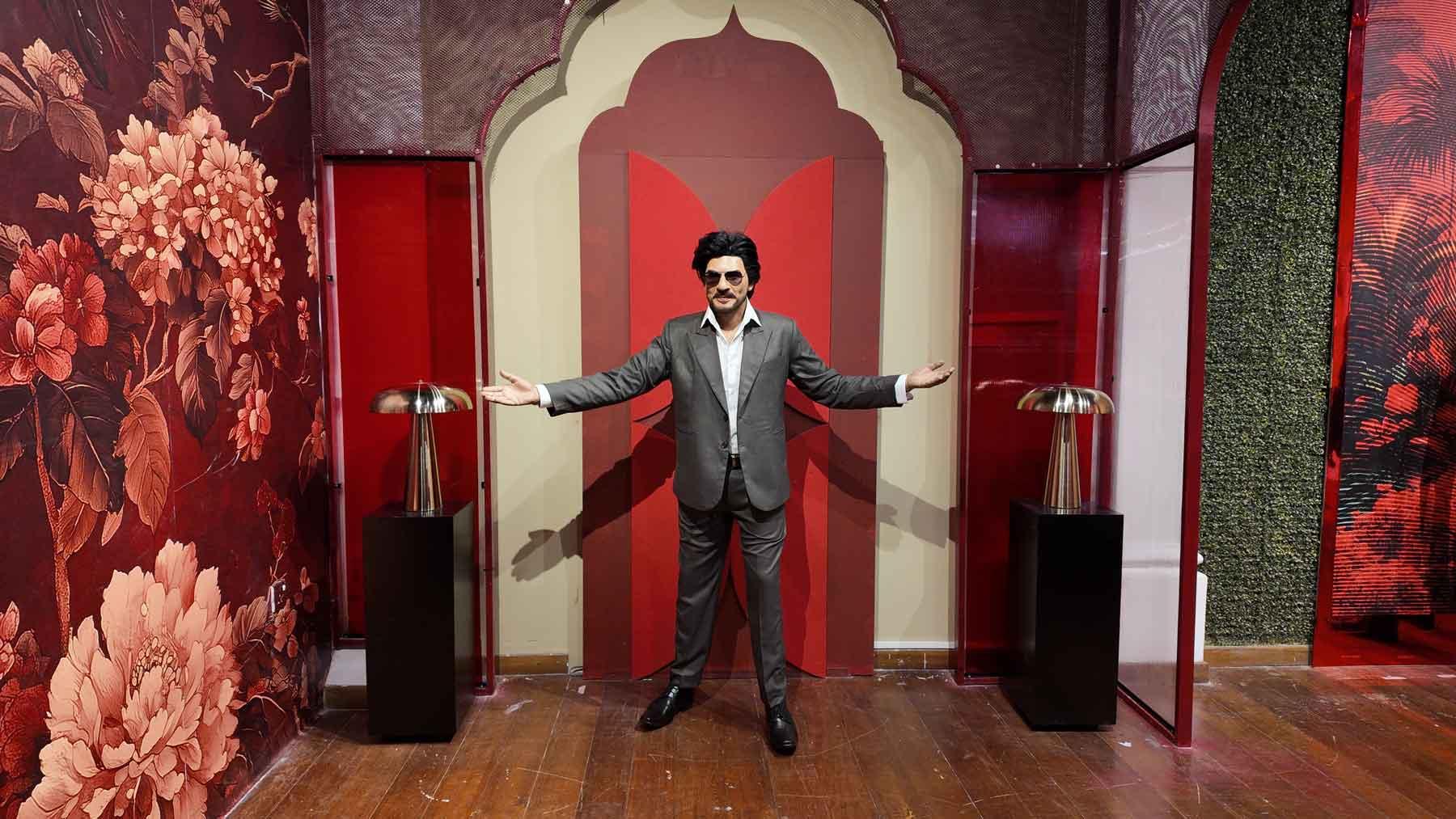
Beyond the galleries dedicated to Sri Lankan history lies a world populated by international celebrities whose influence transcends borders. Visitors can pose for photographs beside figures inspired by Johnny Depp, Leonardo DiCaprio, and Dwayne Johnson, among others. Predictably, these exhibits attract enthusiastic crowds. Smartphones emerge almost instantly. Families gather for photographs. Children stare in disbelief.
The reactions reveal something fascinating about human nature. We are naturally drawn to stories, and famous faces often serve as gateways to those stories. A wax figure is not merely an object. It represents a life, an achievement, a memory, or a cultural moment that resonates with the public imagination. What makes the museum especially remarkable is the extraordinary effort hidden behind every display. Creating a realistic wax figure is a painstaking process that demands equal measures of artistry and scientific precision.
The journey begins with research. Hundreds of photographs are studied. Video footage is analyzed. Facial proportions and body measurements are examined to ensure accuracy. Once sufficient information has been gathered, the sculpting process begins. Using clay, artists carefully build the figure from the ground up. This stage can take weeks or even months as every facial feature is refined and adjusted.
Only when the clay model is perfected does the process move to molding and wax casting. Then comes perhaps the most labor-intensive stage of all. Individual strands of hair are inserted one by one. Eyebrows, eyelashes, and facial hair are painstakingly positioned. Glass eyes are selected to match the subject's appearance. Layers of color are applied to mimic the subtle variations found in human skin.
The result is realism so convincing that visitors often find themselves leaning closer just to confirm what they are seeing. For Herath, however, technical achievement alone was never the goal.
The museum was conceived as a cultural space, one that could inspire curiosity and learning. School groups are encouraged to visit, allowing students to engage with history through direct visual experiences rather than relying solely on textbooks. Art enthusiasts can gain insight into the complex processes behind sculpture and figure-making. Families can enjoy a day that combines entertainment with education. Perhaps most importantly, the museum demonstrates what can be achieved through local talent.
Sri Lanka has never lacked creativity. What it has often lacked are platforms capable of showcasing that creativity on a larger scale. The Colombo Wax Museum challenges the notion that world-class attractions must come from elsewhere. It proves that ambition, skill, and perseverance can produce something extraordinary right here at home.
As Colombo continues to evolve into a modern cultural hub, the museum occupies a unique place within the city's landscape. It is simultaneously an art gallery, a historical archive, a tourist attraction, and a testament to one man's unwavering belief in his craft. Visitors arrive expecting to see wax figures. Many leave with something more. They leave with a renewed appreciation for history, a deeper respect for artistic mastery, and a reminder that the stories of great individuals never truly disappear. Through patience, creativity, and vision, they can be preserved for generations to come. In that sense, the Colombo Wax Museum is not really about wax at all. It is about memory. And memory, when carefully preserved, has a way of making people immortal.