STORYTELLING AT ITS FINEST PART I: WHEN CLASSROOMS HAD NO WALLS
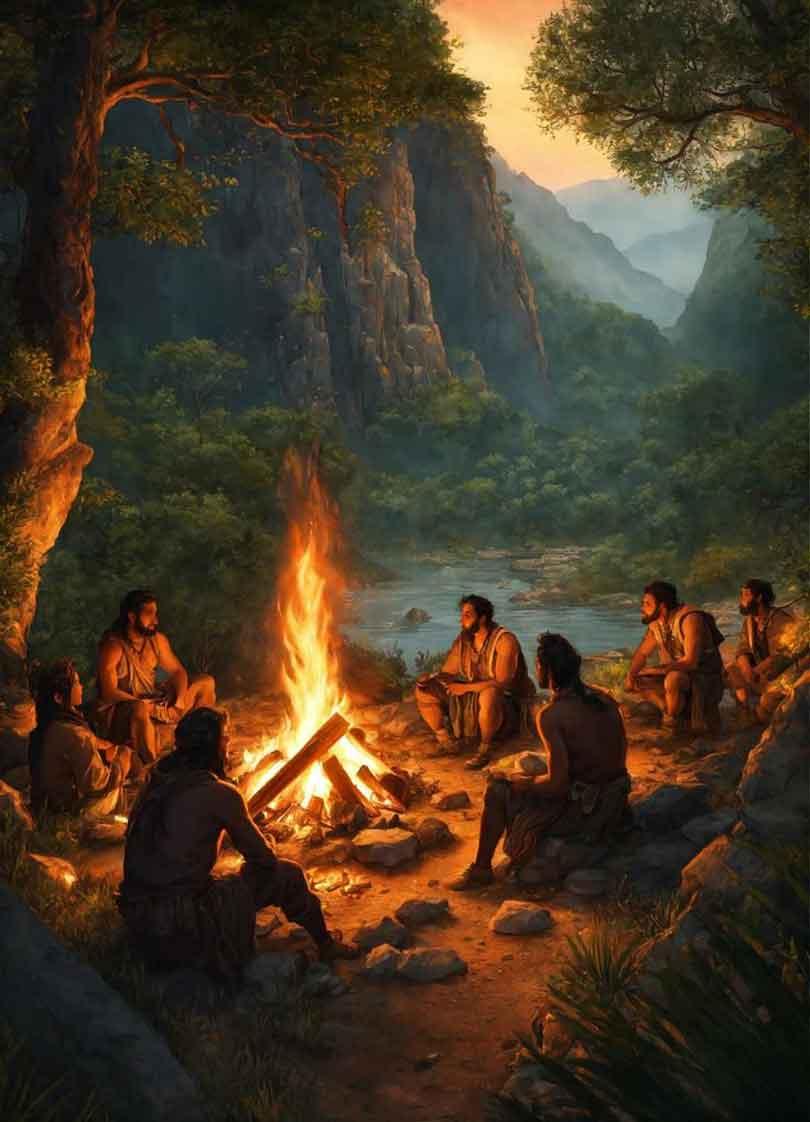
Ask someone where learning begins and most would instinctively point towards a classroom. We picture rows of desks, shelves lined with textbooks and a teacher standing before a whiteboard. It is such a familiar image that we rarely stop to question it. Yet for almost the entirety of human civilisation, there were no classrooms. There were no textbooks, no examinations and no report cards. The greatest lessons humanity ever learnt were not written in books but carried in voices. Before education had walls, it had stories.
Long before writing became commonplace, knowledge depended upon memory. Entire civilisations entrusted their history, their laws, their beliefs and their identity not to paper, but to people. In ancient Greece, the Iliad and the Odyssey were not read in silence but recited aloud by travelling performers. Rhythm, repetition and poetic structure were not artistic flourishes; they were educational tools. They enabled thousands of lines of verse to be remembered with astonishing accuracy, preserving the collective memory of a civilisation long before libraries became commonplace.
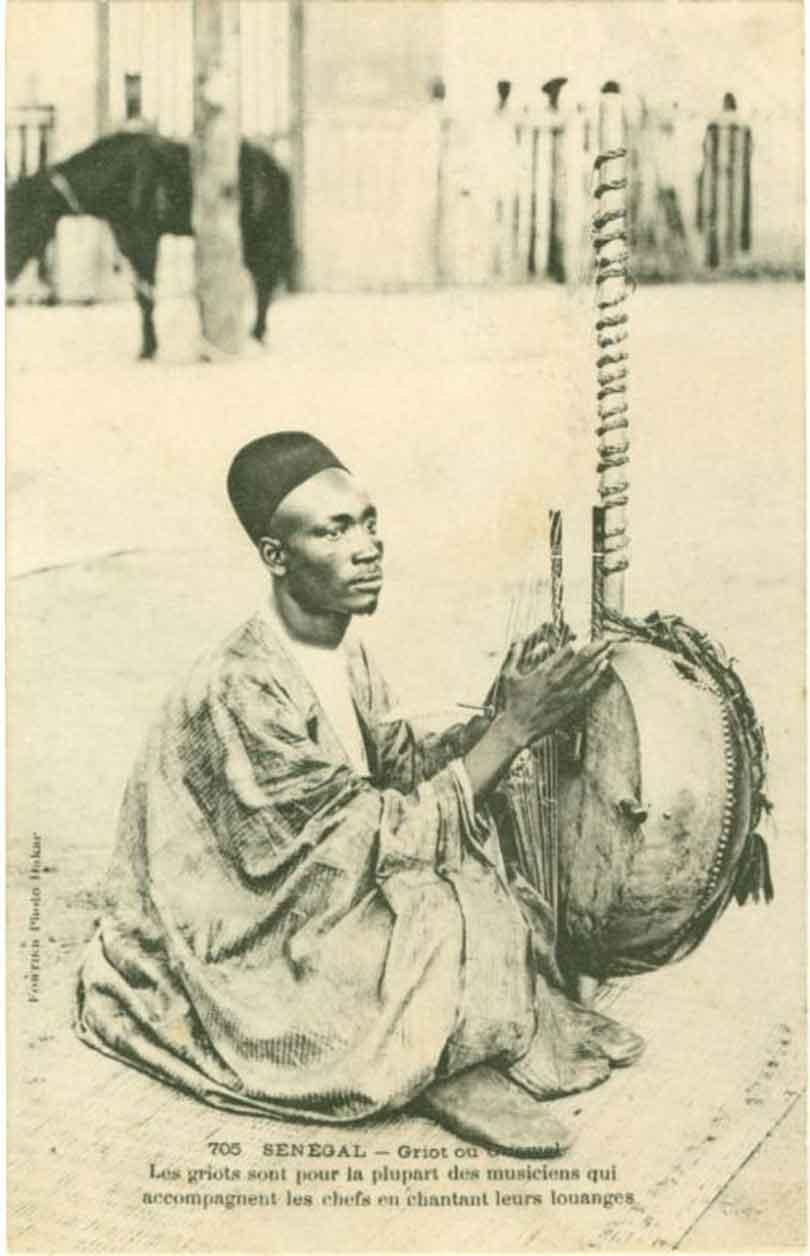
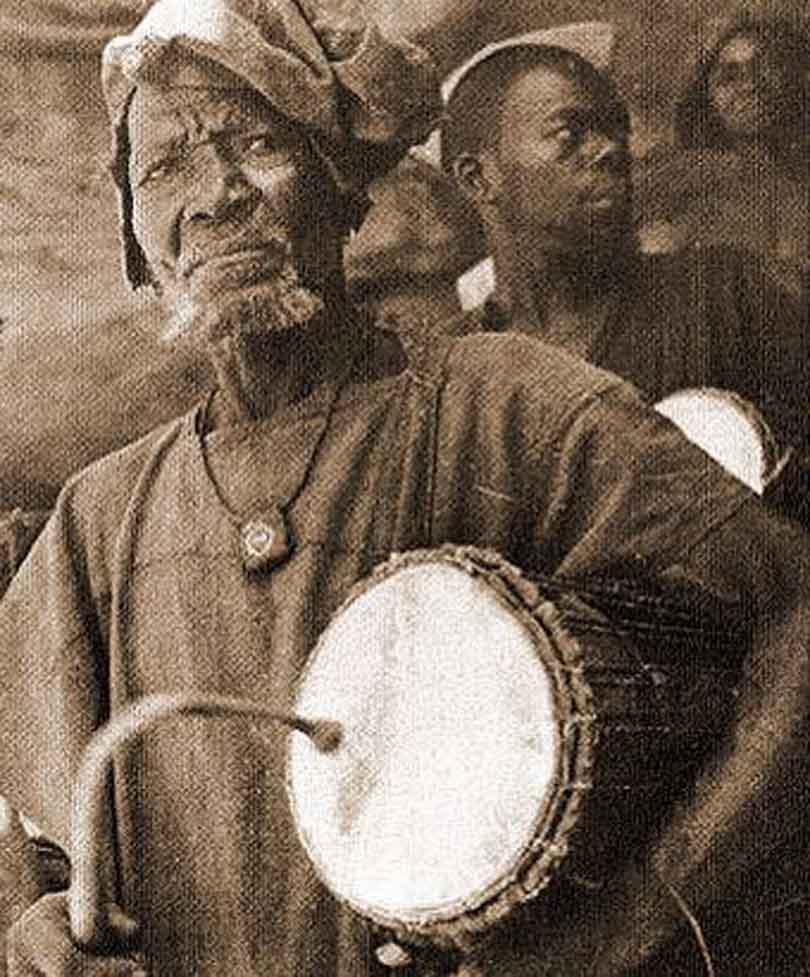
Across West Africa, the griots fulfilled a remarkably similar role. They were far more than musicians or entertainers. They were historians, genealogists, advisers, diplomats and living archives. The history of kingdoms, the lineage of families and the wisdom of generations rested not in written records but in their remarkable memories. Through stories, songs and poetry, they taught communities who they were and where they came from. In many ways, the griots embodied the very first interdisciplinary curriculum, blending history, music, literature, ethics and politics into a single performance. Long before educators coined terms such as "thematic learning", the griots had already mastered it.
Nor was this unique to Africa. Sri Lanka has its own rich traditions of storytelling through performance. Our virindu singers, nadagam productions and kolam performances have for centuries entertained audiences while quietly transmitting history, moral lessons, religious values and social commentary. They remind us that education has never belonged exclusively within the walls of a school. It has always lived wherever stories have been told.
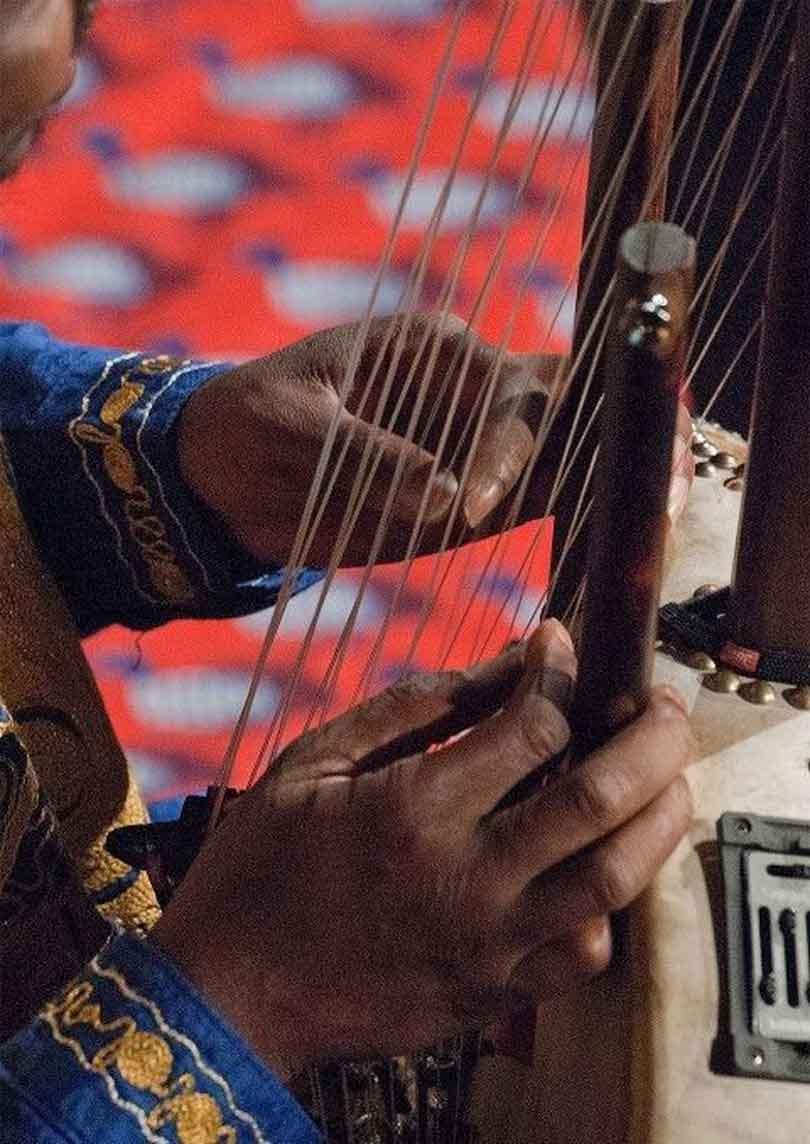
History itself bears witness to the resilience of storytelling. During the transatlantic slave trade, millions of Africans were stripped of their homes, their possessions and often even their names.
Yet they carried something their captors could never confiscate: memory. Songs, rhythms and oral traditions crossed the Atlantic with them, eventually giving rise to spirituals, gospel, blues and, generations later, jazz, hip hop and rap. These were never simply musical genres. They were repositories of identity, resilience and collective memory, preserving stories that written history often ignored.
Poetry, too, has long served as one of humanity's most enduring teachers. Kahlil Gibran's The Prophet continues to shape generations of readers not because it offers instruction in the conventional sense, but because it transforms philosophy into language that lingers in the mind. Longfellow's The Slave's Dream invites us to feel the cruelty of slavery in a way no historical statistic ever could. Wilfred Owen's Dulce et Decorum Est dismantles the romanticism of war with greater force than pages of military history. We remember these works not because we were required to memorise them for an examination, but because they appeal simultaneously to reason and emotion. They remind us that stories often teach truths that facts alone cannot.
Modern educational research tells us that learning is strengthened when students make connections across disciplines. We call it thematic learning, interdisciplinary education or integrated curricula. Yet there is something quietly ironic about these fashionable terms. They suggest innovation where, in reality, there is rediscovery. Humanity has always learnt by connecting ideas. The storyteller never separated history from literature. The poet never divorced language from philosophy. The musician never isolated rhythm from memory. Life was understood as an interconnected whole, and education reflected that reality.
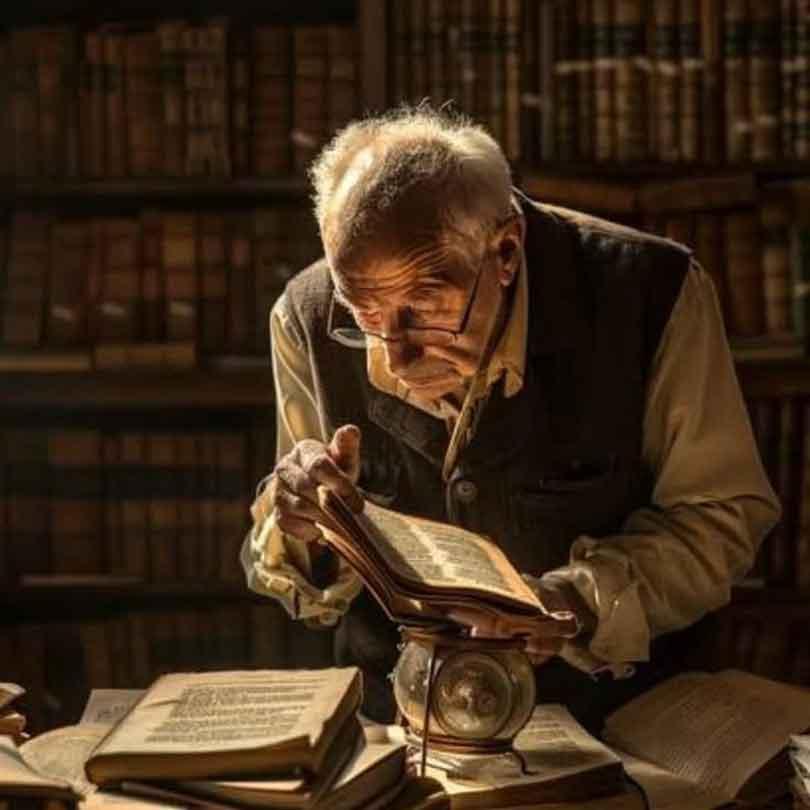
Somewhere along the way, however, we became convinced that knowledge could be neatly compartmentalised. History belonged in one period, literature in another, music somewhere down the corridor and philosophy, if it appeared at all, became an elective for the few. Our timetables grew more organised, but our understanding arguably became more fragmented. Children do not naturally experience the world in subjects. They encounter it as one continuous tapestry of people, places, ideas, emotions and experiences. Our ancestors seemed to understand this instinctively.
Perhaps that is why the oldest stories continue to endure. They are not remembered because they were the first. They are remembered because they recognised something fundamental about how human beings learn. We do not remember isolated information particularly well.
We remember meaning. We remember rhythm. We remember emotion. Above all, we remember stories.
If storytelling gave humanity its first classroom, then perhaps its greatest modern expression is not the novel or even the cinema. Perhaps it is the musical, where history, literature, music, philosophy and human experience come together on a single stage. That journey, from the campfire to the curtain call, is one worth exploring.