Olai Chuvadi: The Ancient Palm Leaves That Preserved Generations of Knowledge
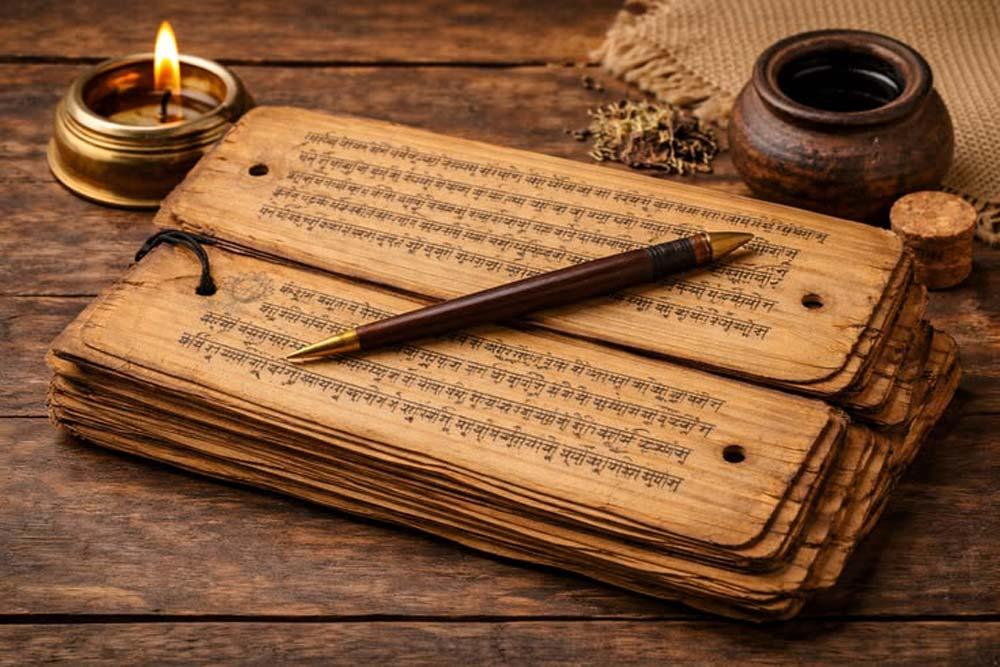
ong before printed books, computers and digital archives, generations of scholars, physicians and storytellers preserved their knowledge on carefully prepared palm leaves. Known as Olai Chuvadi, these remarkable manuscripts offer a fascinating glimpse into the intellectual, cultural and spiritual heritage of Sri Lanka and South Asia.
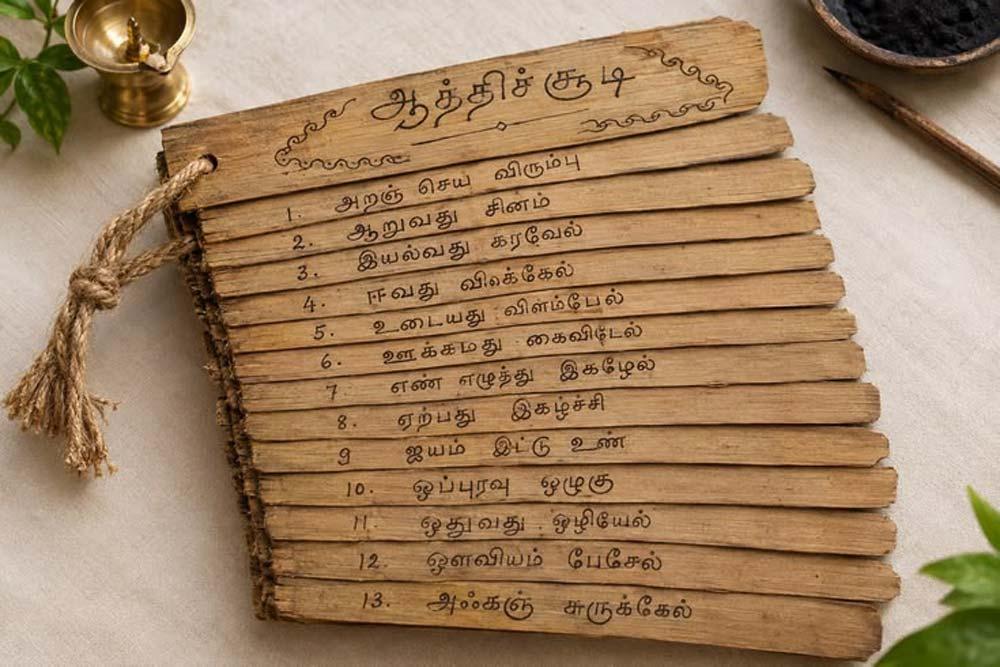
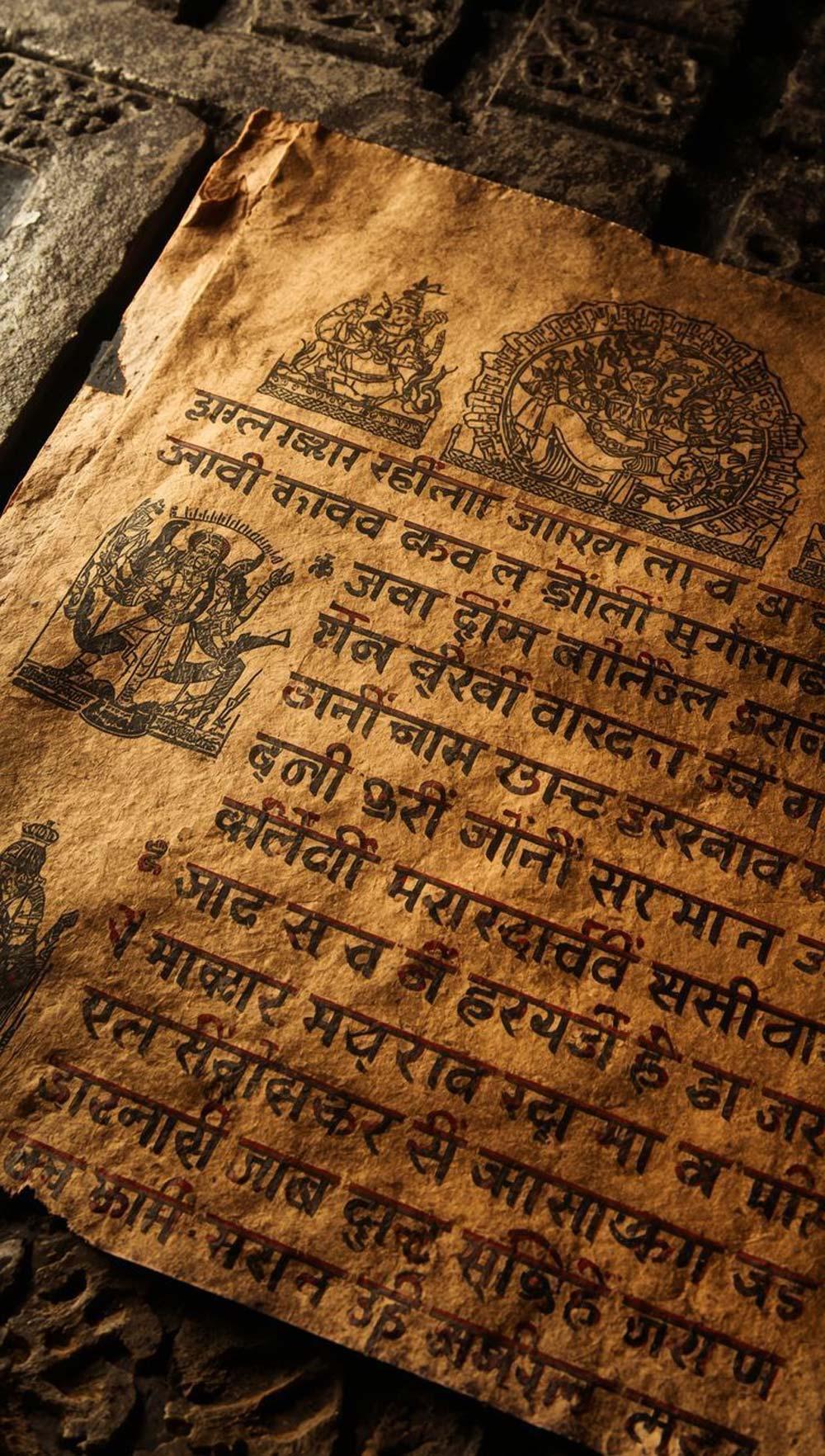 Imagine opening a book that has no paper, no printed pages and no conventional binding. Instead, its pages are long, narrow strips of dried palm leaves, carefully engraved with tiny letters and held together by a cord. Some may be centuries old, yet the knowledge they carry continues to tell stories about the people who lived, learned and wrote long before us.
These extraordinary creations are known as Olai Chuvadi in Tamil, while in Sinhala they are commonly referred to as Puskola Poth. More than ancient writing materials, they represent an era when preserving knowledge required extraordinary patience, craftsmanship and dedication.
At a time when information can be stored, shared or deleted within seconds, palm-leaf manuscripts remind us of a world in which every written word demanded time and care.
The history of palm-leaf manuscripts stretches back many centuries across South and Southeast Asia. In Sri Lanka, the tradition of writing on prepared palm leaves has ancient roots, with the International Federation of Library Associations and Institutions tracing its use to approximately the third century BCE.
Before paper became widely available, palm leaves offered a practical writing surface. They were relatively accessible, flexible when properly treated and capable of preserving written information for generations under suitable conditions.
In Sri Lanka, palm-leaf manuscripts became closely associated with Buddhist monasteries, traditional centres of learning and the preservation of religious teachings. Tamil-speaking communities also maintained extensive manuscript traditions, recording literature, medicine, astrology, religious practices and other forms of knowledge.
What makes these manuscripts particularly fascinating is their diversity. They were not simply religious books. They served as records of the intellectual and everyday lives of earlier societies, preserving everything from medical knowledge to grammar, poetry and historical information.
Creating an Olai Chuvadi was an art in itself. Unlike modern notebooks, which arrive ready for writing, palm-leaf manuscripts required a lengthy preparation process before a single letter could be inscribed.
Suitable leaves were selected from palm trees, including the talipot and palmyra. The leaves were cut into strips, cleaned and treated to improve their flexibility and durability. Traditional Sri Lankan methods included boiling the leaves, drying them in sunlight and polishing them against a smooth surface.
Only after these stages were completed could the leaves be used for writing.
The writing process was equally remarkable. Instead of using an ordinary pen, scribes employed a pointed metal stylus to engrave letters directly into the leaf's surface.
A dark pigment, often prepared using soot and oil, was then rubbed across the engraved surface. The pigment settled into the fine grooves, making the letters visible. Excess material was carefully wiped away.
The completed leaves were arranged in sequence, pierced and secured using cords, often between protective wooden covers. Some covers featured intricate carvings and decorative patterns, reflecting the importance of the manuscripts they protected.
Every manuscript therefore represented more than its written content. It was also an example of skilled craftsmanship, combining natural materials, traditional techniques and artistic expression.
Perhaps the most remarkable aspect of Olai Chuvadi is the extraordinary range of knowledge preserved within these seemingly fragile leaves.
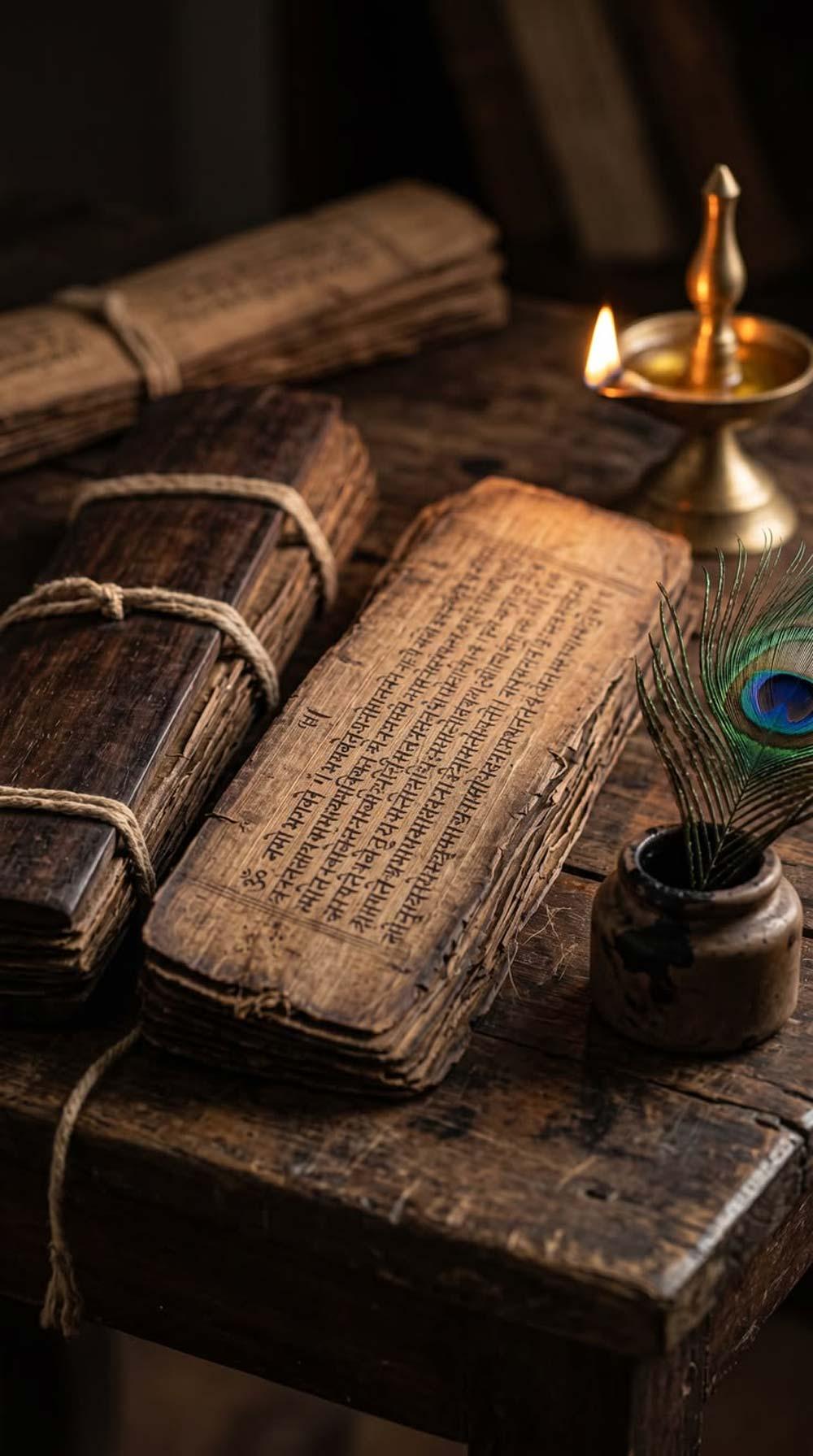 In traditional medicine, manuscripts recorded herbal remedies, treatments, medical observations and systems of healing developed over generations. Within Sri Lanka's Tamil manuscript collections, texts associated with Siddha and Ayurveda medicine remain particularly significant.
Other manuscripts explored astronomy, astrology, mathematics, grammar, literature and religious philosophy. Some contained instructions for ceremonies and rituals, while others documented land ownership, social customs and aspects of community life.
The American Institute for Sri Lankan Studies identifies an especially diverse collection of Tamil palm-leaf manuscripts from northern Sri Lanka, including medical texts, personal horoscopes, grammatical works, temple histories and religious literature.
Among these are copies of Cekarācacēkaram, an important early Tamil medical work composed in Sri Lanka.
Such collections demonstrate how knowledge moved between generations. What began as the experience or observations of one scholar could eventually become part of a much larger intellectual tradition.
In this sense, Olai Chuvadi manuscripts functioned as the libraries, reference books and knowledge archives of their time.
One of the most interesting features of the palm-leaf manuscript tradition is that preservation often depended on copying.
Unlike a printed book that can be reproduced in thousands of identical copies, a palm-leaf manuscript had to be painstakingly rewritten when its physical condition deteriorated or when another copy was needed.
This made scribes and scholars essential to the survival of written knowledge.
A manuscript that exists today may therefore be a relatively recent copy of a much older composition. Its physical age does not necessarily reveal the age of the knowledge it contains.
This distinction is especially important when studying historical Tamil and Sinhala manuscripts.
It also raises a fascinating question: how much knowledge may have disappeared because a manuscript was damaged before anyone could copy it?
For every surviving collection, there may be texts that have been lost to time, changing environments or the gradual disappearance of traditional manuscript practices.
Despite their historical importance, palm-leaf manuscripts face serious preservation challenges.
Humidity, insects, fungal growth, careless handling and natural deterioration can damage their delicate surfaces. Sri Lanka's tropical climate creates additional difficulties for long-term storage.
Once the leaves become brittle or damaged, the information engraved on them may be difficult or impossible to recover.
Researchers at the University of Sri Jayewardenepura have highlighted the threat facing Sri Lanka's palm-leaf manuscript heritage and the importance of combining physical conservation with digitisation.
The country's National Library and Documentation Services Board also conducts conservation training and produces a traditional herbal preservation oil as part of its efforts to protect these historical materials.
Preserving the manuscripts, however, involves more than protecting their physical condition. Specialists must also identify, catalogue, read and interpret their contents so that future generations can understand the knowledge they contain.
Today, the future of Olai Chuvadi is increasingly connected to modern technology.
Digitisation allows institutions to create high-quality electronic copies of fragile manuscripts, reducing the need for repeated physical handling while making their contents more accessible to researchers.
In Sri Lanka, the University of Kelaniya's Palm Leaf Manuscript Study and Research Library has reported creating more than 600,000 digital manuscript copies and preserving over 350 physical manuscripts.
UNESCO has also supported efforts to protect Sri Lanka's documentary heritage. According to a July 2024 report, an initiative involving the National Museum and the University of Moratuwa resulted in the digitisation of 2,000 Ola-leaf manuscripts alongside thousands of bibliographic records.
These initiatives represent an important meeting point between ancient traditions and modern preservation methods.
A manuscript once accessible only to a limited circle of scholars may now be studied through digital images, provided the necessary access arrangements are in place.
In an age dominated by smartphones, artificial intelligence and digital communication, palm-leaf manuscripts might appear to belong entirely to the past. Yet their significance remains deeply relevant.
They remind us that knowledge does not begin with modern technology. Long before electronic databases existed, communities developed sophisticated methods of recording, organising and transmitting information.
They also reveal how closely knowledge was connected to culture. Medical practices, religious beliefs, literature and everyday traditions were not always separate subjects. They frequently existed together within the intellectual world of a community.
For Sri Lanka, preserving Olai Chuvadi is therefore about more than maintaining historical objects. It is about protecting the country's diverse linguistic traditions, indigenous knowledge and cultural memory.
Each surviving manuscript offers an opportunity to understand how earlier generations interpreted the world around them.
Perhaps the most meaningful lesson lies in the care with which these manuscripts were created.
A single palm leaf could require extensive preparation before receiving even a few lines of writing. Every letter was engraved by hand, and every completed manuscript depended on someone believing that its contents deserved to survive.
Today, information travels faster than ever before. Yet the ancient practice of Olai Chuvadi reminds us that the true value of knowledge is not measured by how quickly it can be shared, but by how carefully it is preserved.
These palm leaves may be fragile, but the stories they carry have endured across centuries. And as conservationists, researchers and institutions continue working to protect them, the voices of the past have another opportunity to be heard by the generations of tomorrow.