When Disaster Struck, Sri Lankans Chose Humanity
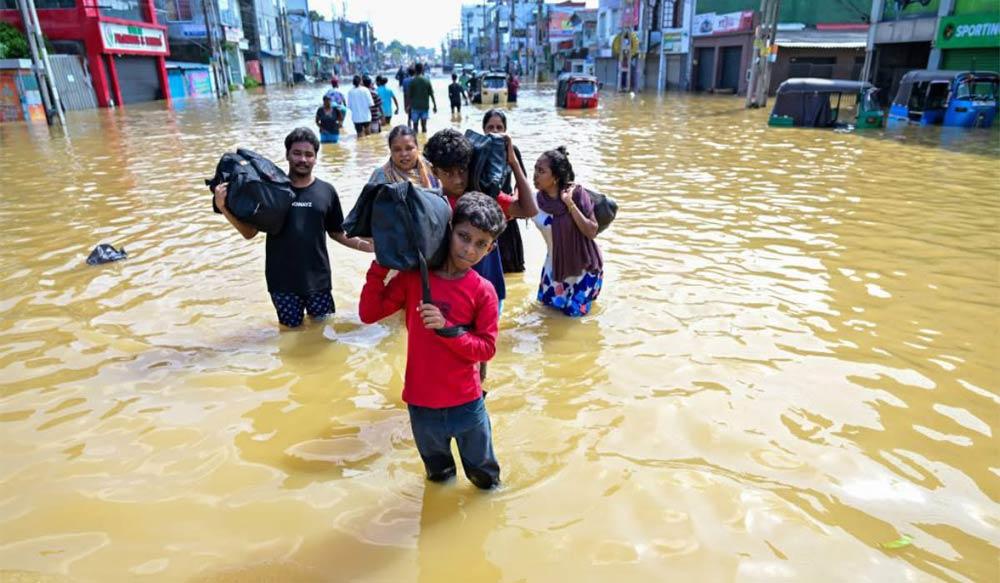
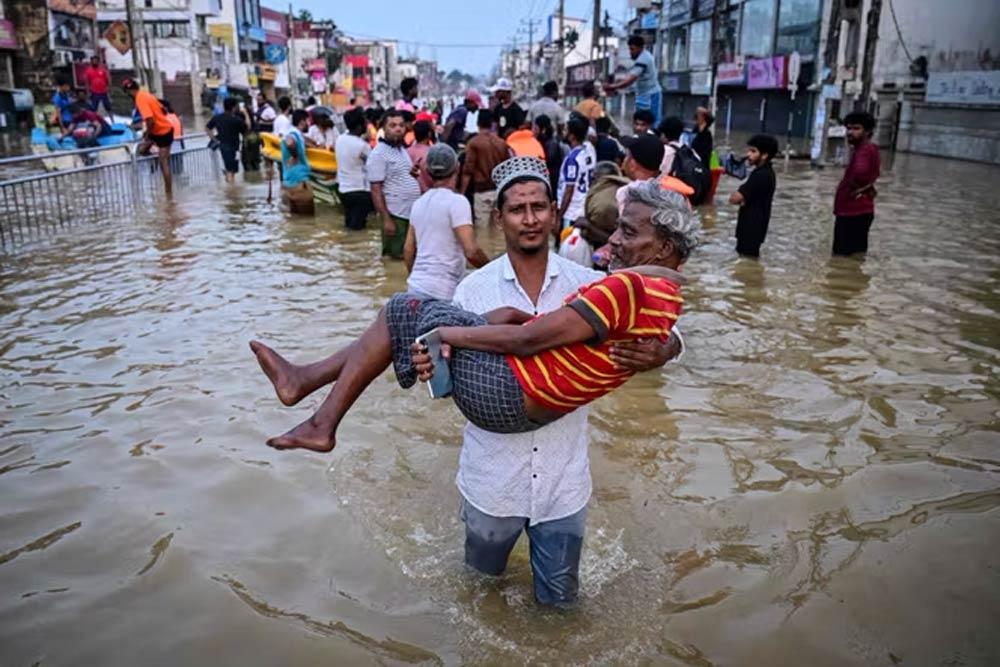
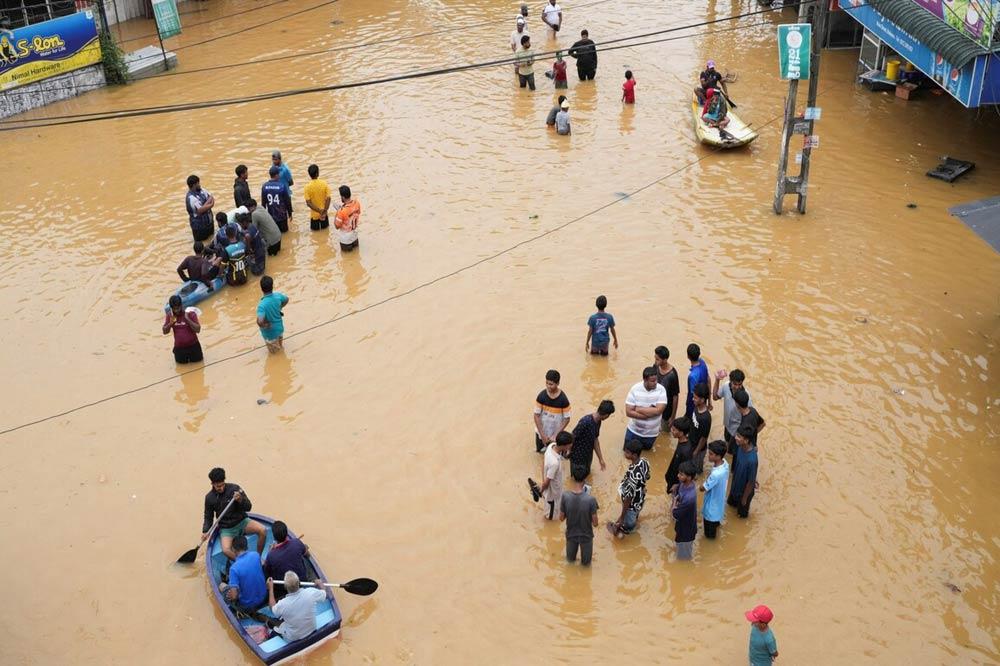
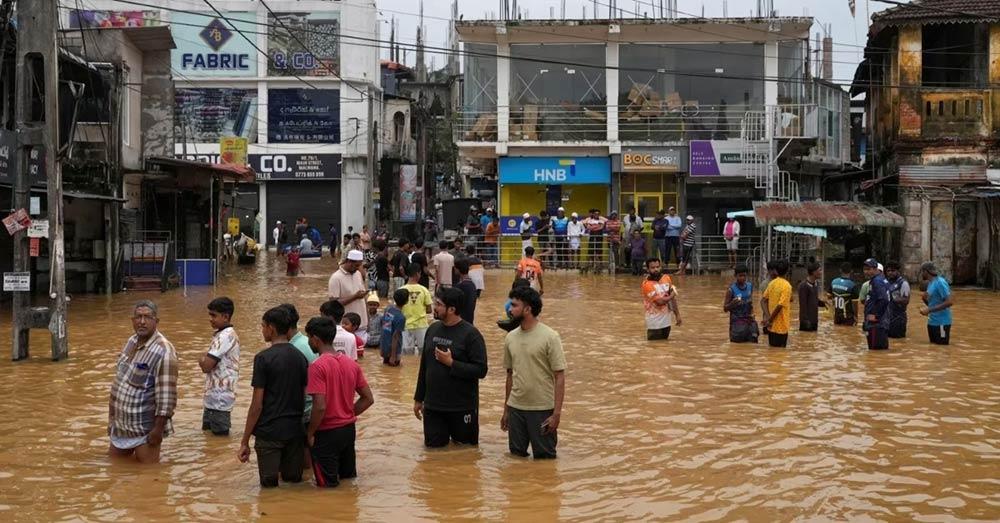
Cyclone Ditwah arrived on 28 November and transformed ordinary days into one of the country’s biggest tragedies in decades. It brought the worst floods Sri Lanka had experienced in more than 20 years, affecting over 1.6 million people across all 25 districts. Homes disappeared overnight, neighbourhoods drowned, and families were forced to flee with only minutes to spare. Puttalam, Colombo, Gampaha, Mannar, Trincomalee, and Kurunegala became some of the most devastated districts.
But even as the water rose, something else rose too, the compassion of the Sri Lankan people.
The cyclone did not look at wealth or status. People who had large savings and stable lives ended up standing in the streets with as little as everyone else. Disaster placed everyone on the same level, and in this unexpected equality, a rare sense of unity emerged. Hundreds of lives were lost, thousands were missing, and many more remained trapped or displaced. Roads were closed, bridges collapsed, and access to basic necessities became a serious challenge. Yet, long before official relief systems reached every corner, Sri Lankans had already begun helping one another.
Across social media, urgent posts requesting rescue boats, dry rations and medical items spread rapidly. And the response was immediate. Youth groups, families, businesses, and complete strangers stepped in without hesitation.
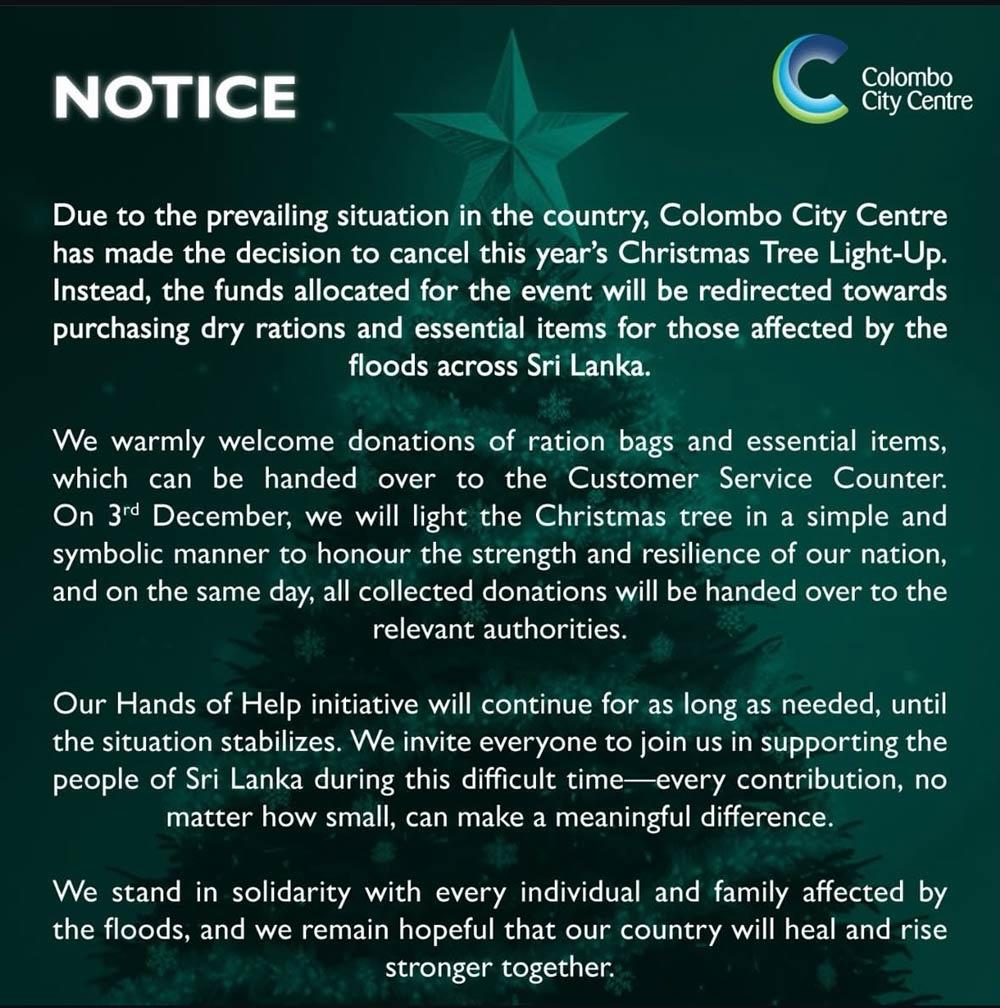
Colombo City Centre made the heartfelt decision to cancel its annual Christmas Tree Light-Up and redirect the entire budget toward supporting flood victims. They collected dry rations and essential goods through their customer service counter and lit their Christmas tree on 3 December in a simple, symbolic manner to honour the resilience of the nation. Their “Hands of Help” initiative continued as long as support was needed.
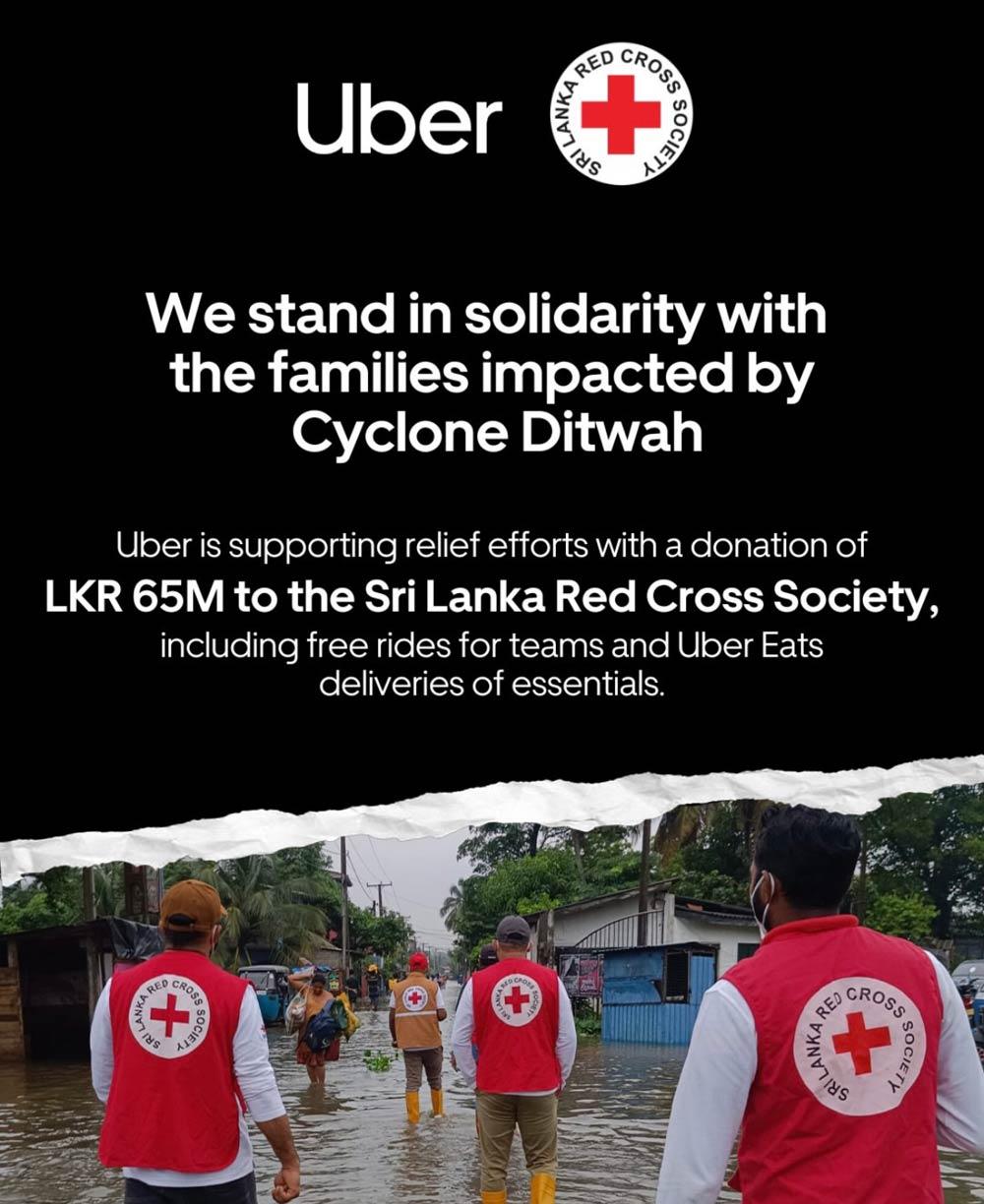
Uber supported national efforts by donating LKR 65 million to the Sri Lanka Red Cross Society. They also provided free Uber rides for relief teams and arranged Uber Eats deliveries of essential items to affected communities.
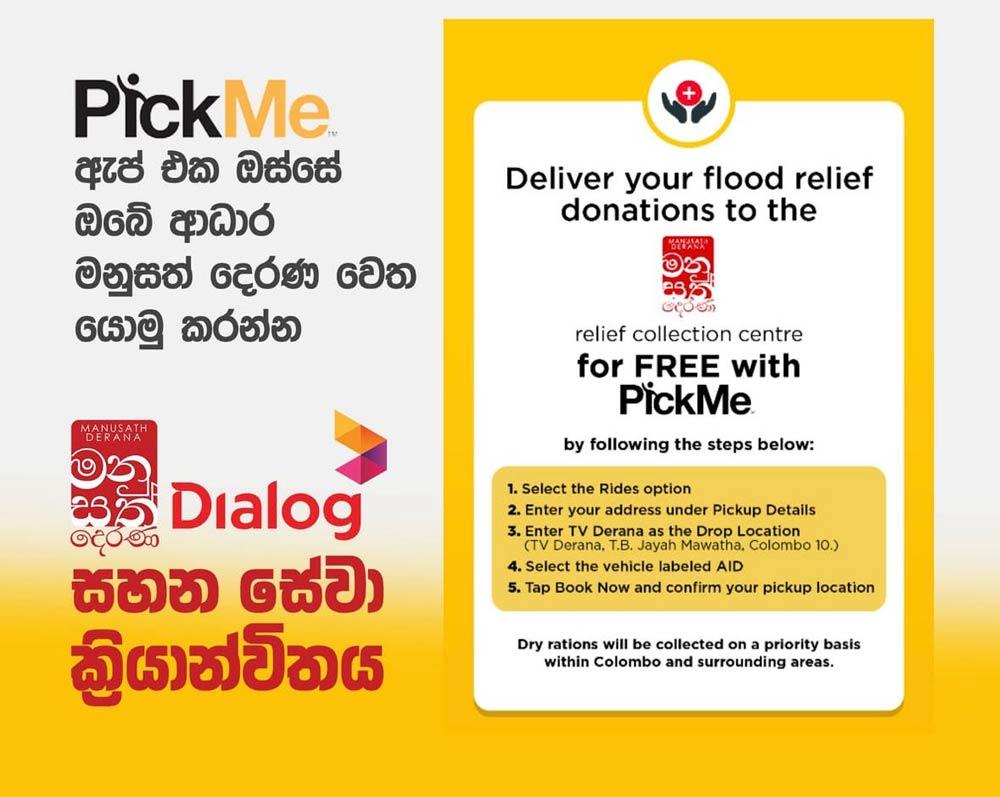
PickMe introduced a free donation delivery service through its “AID” vehicle option. Anyone could send items to designated collection centres without paying a cent. This allowed people without transport to contribute easily and ensured that essential supplies were moved quickly.
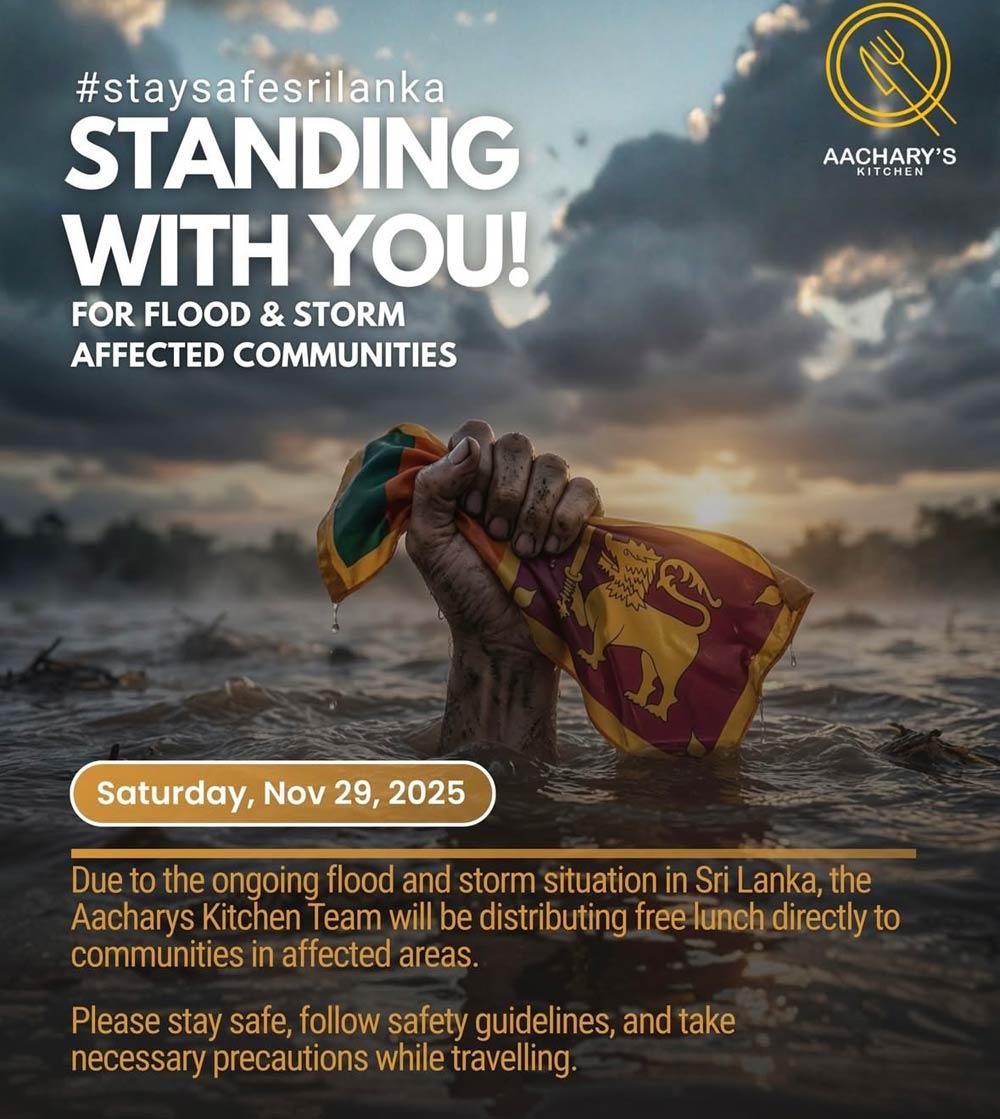
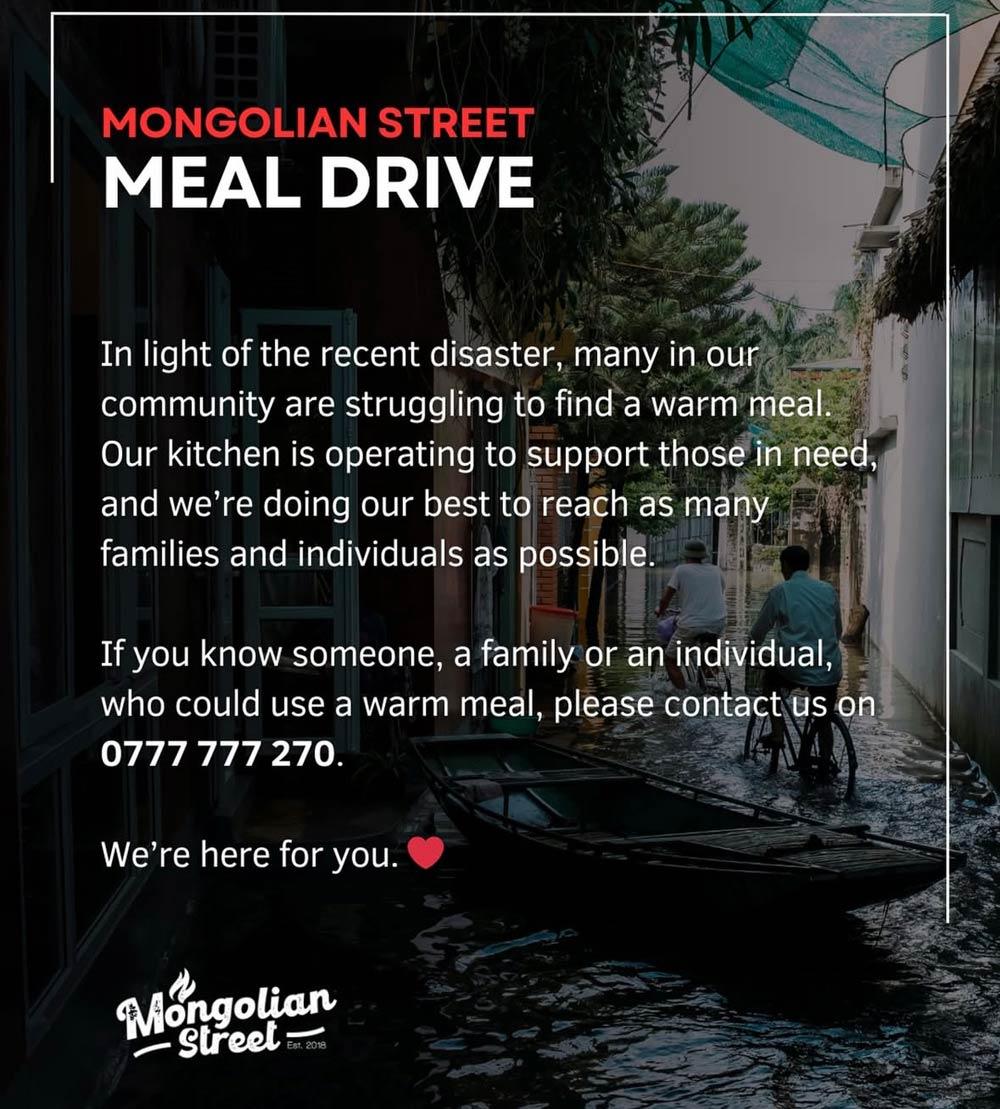
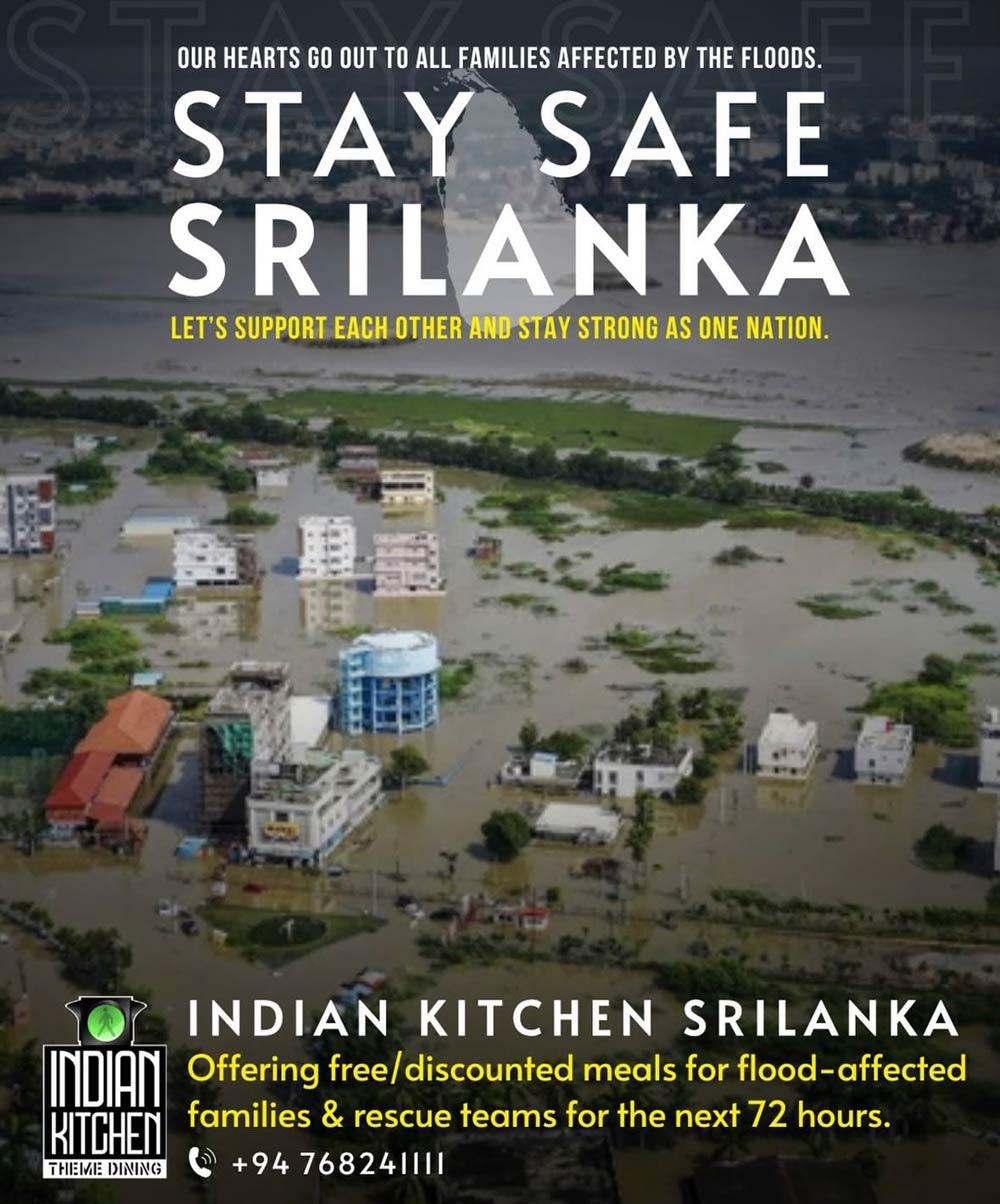
Many smaller businesses also became lifelines to affected communities.Aacharys Kitchen distributed free lunch to people in heavily affected areas, ensuring that families who lost everything received at least one warm meal during the day.Mongolian Street Meal Drive operated its kitchen to support families and individuals who were unable to access food. Their team worked to reach as many people as possible, offering comfort through warm, freshly prepared meals.Indian Kitchen Sri Lanka offered free or discounted meals to flood-affected families and rescue teams for 72 hours starting 28 November, easing the burden on those who had no access to food or income during the early stages of the crisis.
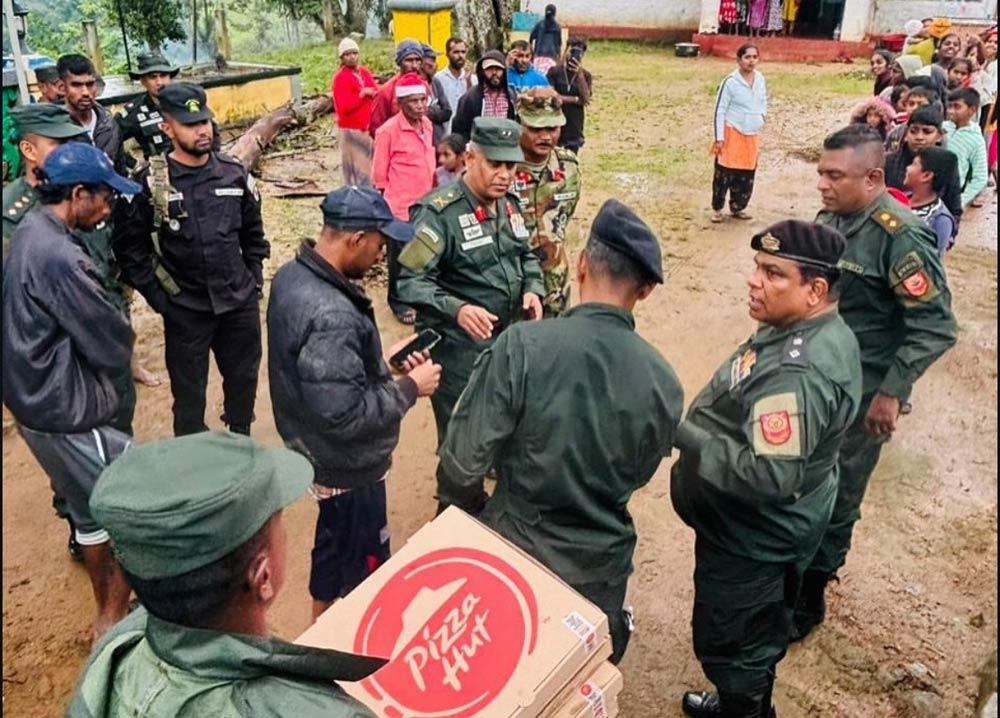
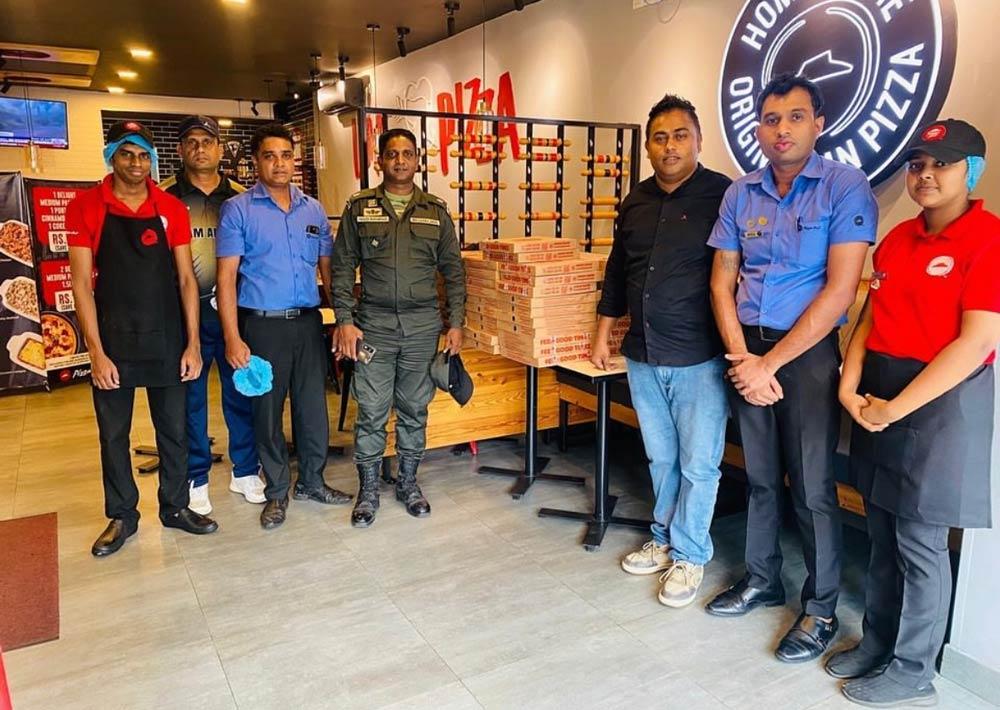
Pizza Hut Sri Lanka also extended support by delivering meals to flood-hit communities in Badulla, Bandarawela, Kolonnawa, and Kotikawatte. With help from the Sri Lanka Army Volunteer Force, their teams reached families who had been stranded or displaced. They continued their efforts in Kattankudi, Kaduwela, Bomiriya, and Sedawatta, offering small yet meaningful moments of comfort during the most difficult days.
But these examples were only a fraction of the kindness that spread across the island.
Sri Lanka had also witnessed remarkable bravery during the crisis. The country mourned those who lost their lives while trying to help others, including Sri Lanka Navy personnel, Nirmal Siyambalapitiya (the Bell 212 pilot involved in rescue operations) and the Ceylon Electricity Board technician who died while restoring power. Their sacrifices became a reminder of the courage and selflessness shown by so many during this difficult time.
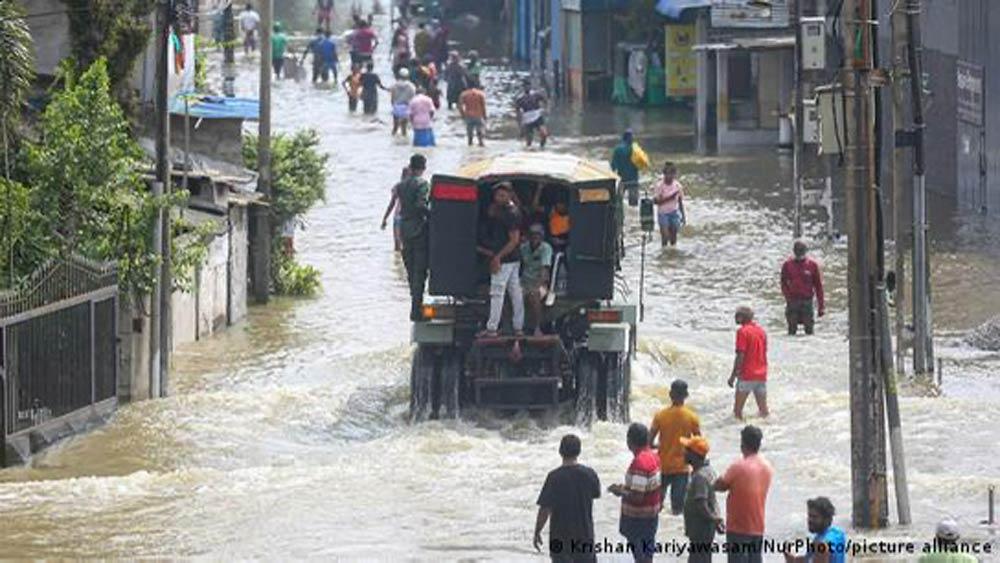
In Kolonnawa, where the Kelani River overflowed with dangerous force, families helped each other climb onto boats and trucks. Shelters in schools, temples and religious centres became spaces where people shared food, blankets, and stories of survival. Volunteers from all backgrounds joined hands, carrying the elderly to safety, delivering medicine, or coordinating rescues online. Some spent their own savings to buy rations, while others cooked large pots of rice to share with anyone in need.
There were no divisions, no barriers, no labels. Sri Lanka, often separated by differences, became one community with one purpose: to save one another.
Cyclone Ditwah brought destruction, loss, and heartbreak. The damage to homes, infrastructure and livelihoods was immense. But even in those dark hours, the compassion shown by ordinary Sri Lankans became the country’s strongest light.
The disaster proved a simple truth: when everything else is taken away, kindness remains. And during this crisis, Sri Lankans chose humanity above all else, showing that even the strongest storms could not wash away the spirit of the people.