Strength Beyond Sight
In a world that often measures human ability by visible strengths, people living with disabilities are frequently judged by what they appear to lack rather than by what they possess. Blindness, deafness, or physical differences are commonly described as limitations, and individuals who live with them are often viewed through a lens of weakness or dependency. Yet when we look more closely at human resilience and adaptability, a very different story begins to emerge. The human mind and body are capable of remarkable adjustment. When one sense is lost or diminished, others often become stronger, sharper, and more refined. This raises an important question: when individuals consistently demonstrate strength, capability, and resilience, why does society continue to perceive them primarily through the idea of weakness?
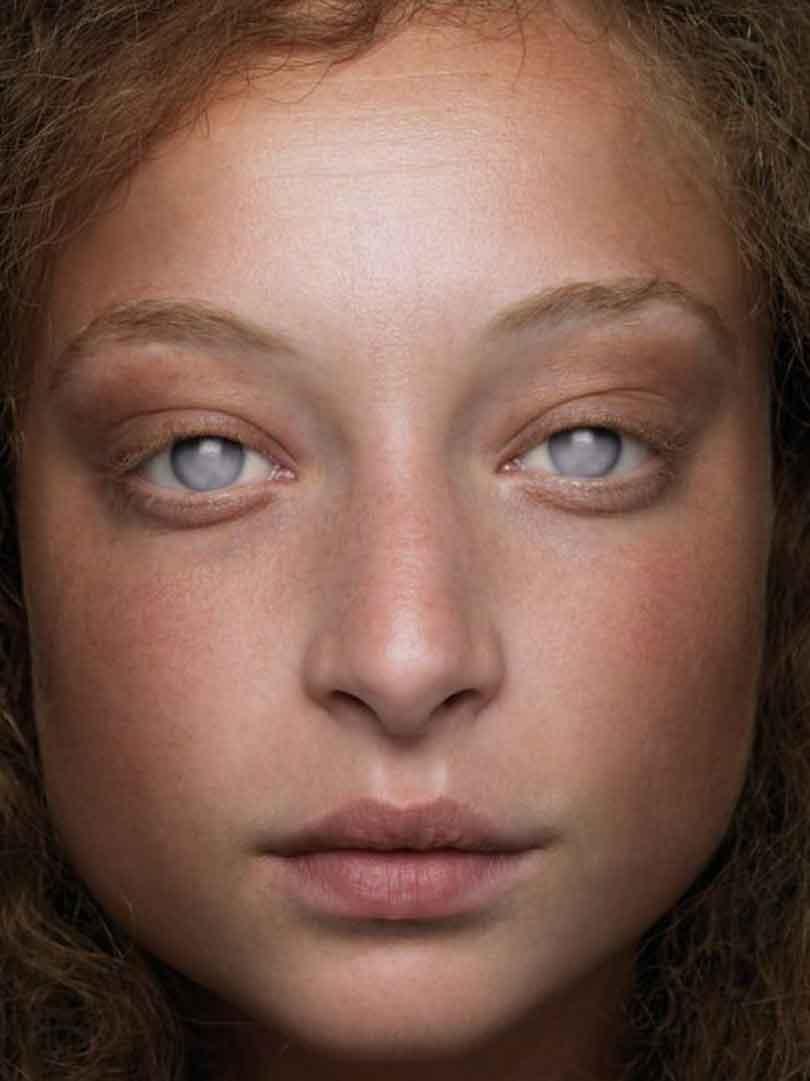
Blindness is perhaps one of the most misunderstood conditions. It is often defined simply as the inability to see, and many people assume that losing sight means losing access to the richness of the world. In reality, blindness does not mean the absence of perception. For many blind individuals, the world is experienced through a complex and powerful combination of other senses. Sound, touch, smell, and spatial awareness become essential tools that allow them to navigate, understand, and interpret their surroundings.
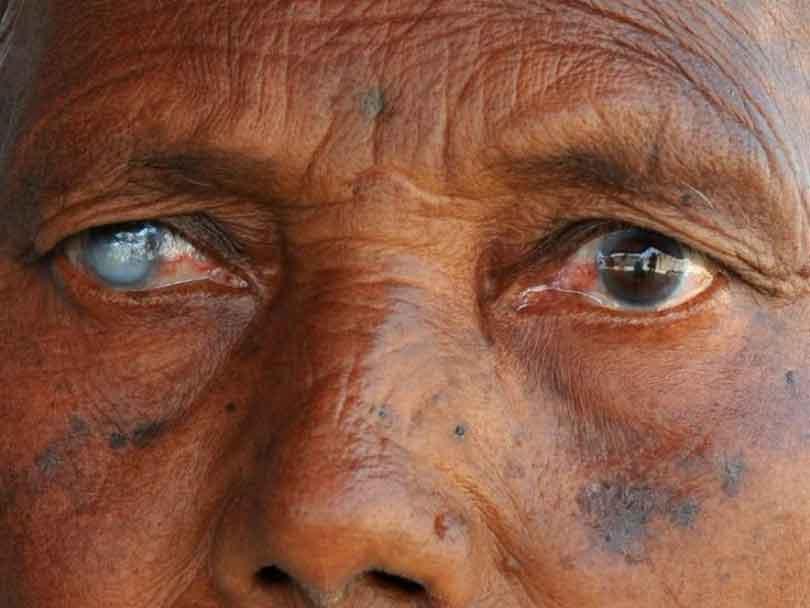
For someone who is blind, the environment is not empty or silent. Instead, it is filled with details that others might overlook. The rhythm of footsteps, the direction of a voice, the subtle echo of sound bouncing off a wall, the movement of air through a doorway, all become valuable clues about space and movement. With time and experience, blind individuals learn to interpret these signals with extraordinary precision. What may seem invisible to sighted people becomes a rich sensory landscape shaped by sound, texture, and memory.
Scientific research has supported what many blind individuals already know from experience. When the brain loses input from one sense, it often adapts by strengthening the processing power of other senses. This phenomenon, known as neuroplasticity, allows the brain to reorganize itself and allocate its resources in new ways. For blind individuals, the areas of the brain normally responsible for processing visual information can begin to assist in interpreting sound, touch, and spatial cues. This adaptation can lead to remarkable abilities. Many blind individuals develop an enhanced sense of hearing, allowing them to distinguish subtle differences in sound that others might miss. Their sense of touch may become more refined, helping them read Braille with speed and precision or identify objects through texture alone. Spatial awareness can also become highly developed, allowing them to navigate complex environments using sound reflections or subtle environmental changes.
Beyond sensory adaptation, blindness often strengthens cognitive abilities such as memory, focus, and problem solving. Because navigating the world without sight requires careful attention and constant interpretation of information, blind individuals frequently develop exceptional concentration and mental organization. These abilities demonstrate that what might appear to be a limitation from the outside can actually reveal a powerful form of inner capability.
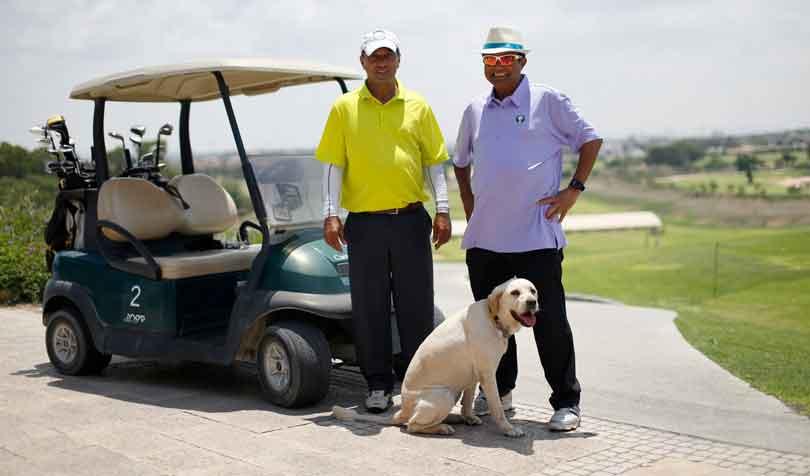
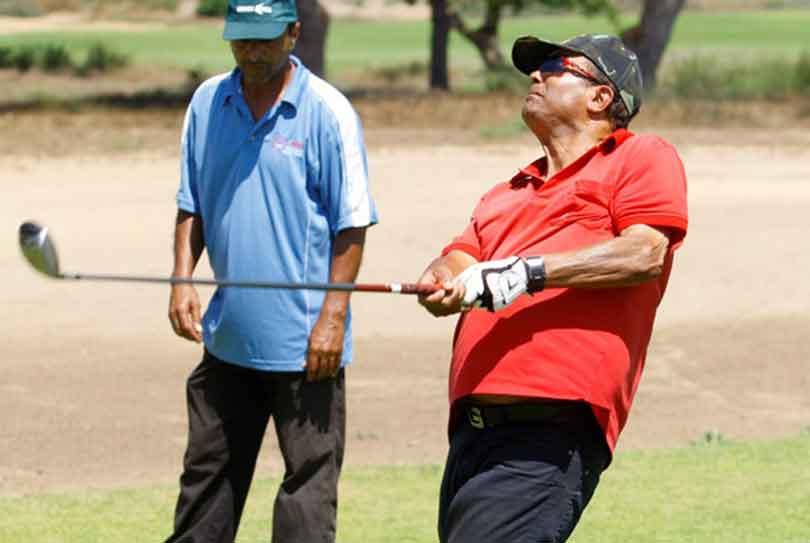
History and contemporary society offer many examples of individuals who have transformed what others call disability into extraordinary achievement. One such individual is Zohar Sharon, an Israeli golfer who lost his sight yet became a champion in competitive golf. Golf is a sport that many assume depends heavily on vision. Players must judge distance, aim precisely, and control the direction and power of each swing. For someone without sight, the game might seem almost impossible. Yet Sharon proved that determination, skill, and training can overcome these assumptions. Through careful coordination with guides and an intense focus on technique, he went on to win numerous golf titles in Israel and across Europe. His success challenges the belief that blindness prevents excellence in fields traditionally associated with sight.
Another remarkable example is Trischa Zorn, widely recognized as the most successful athlete in the history of the Paralympic Games. Born blind, Zorn competed in Paralympic swimming and built a career that remains unmatched in terms of achievement. Over the course of her athletic journey, she won an astonishing 55 Paralympic medals, including 41 gold medals. Zorn’s accomplishments did more than break records. They changed perceptions. Her performances demonstrated that the absence of sight does not limit physical capability, discipline, or competitive spirit. Instead, her story highlights the power of dedication and resilience. She became a symbol of what determination can achieve when individuals refuse to be defined by society’s expectations.
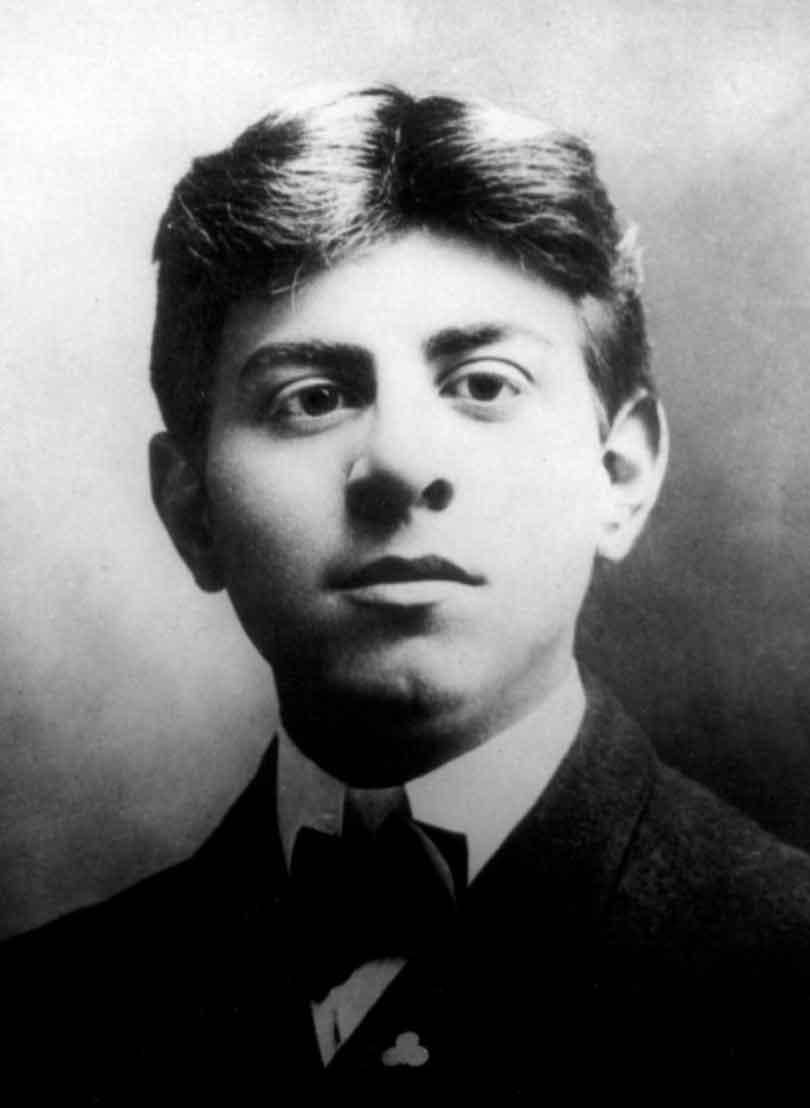
The story of Jacob W. Bolotin provides another powerful illustration of perseverance. Born in 1888, Bolotin lived during a time when people with disabilities were often excluded from education and professional life. Many institutions simply refused to accept blind students, assuming they could not handle the demands of advanced study. Despite these barriers, Bolotin pursued his dream of becoming a physician. Through determination and relentless effort, he eventually became the world’s first totally blind medical doctor. His accomplishment was extraordinary not only because of the challenges he faced personally, but also because of the social barriers that existed during his time. By succeeding in a profession that many believed impossible for someone without sight, he opened doors for future generations and challenged long standing assumptions about ability and disability.
In the world of sports, Zeeshan Abbasi has demonstrated a similar spirit of resilience. As captain of the Pakistan national blind cricket team, Abbasi has represented his country in numerous national and international competitions. Blind cricket is a highly demanding sport that requires sharp reflexes, intense concentration, and exceptional teamwork. Players rely heavily on sound to track the movement of the ball, which is designed to make noise so that athletes can locate it through hearing. The sport demands rapid reactions and strong coordination, qualities that Abbasi has demonstrated consistently throughout his career. His leadership and achievements show that passion and determination can redefine the boundaries of what people believe is possible.
Creativity is another field where individuals without sight have demonstrated extraordinary ability. John Bramblitt is a world-renowned artist who lost his vision yet discovered a unique way to create visual art. After losing his sight due to complications from epilepsy, Bramblitt initially struggled to find direction. However, he eventually developed innovative methods to continue painting.
Using raised lines on his canvases to feel the outlines of his work and textured paints to identify different colours through touch, Bramblitt began producing vibrant and expressive paintings. His work has since been exhibited in more than 120 countries, and his murals and artworks have inspired audiences around the world. Bramblitt’s creative process challenges the assumption that art must be seen in order to be created. Instead, his work reveals that creativity can emerge from imagination, emotion, and sensory understanding. His paintings are powerful reminders that artistic expression often begins within the mind rather than the eyes.
These stories reflect a broader truth about human potential. People with disabilities are not defined by what they cannot do. Instead, they are defined by how they adapt, innovate, and overcome obstacles placed before them. Their achievements highlight the remarkable ability of the human spirit to transform challenge into opportunity. The problem often lies not within the disability itself but within the assumptions society makes about it. When individuals are labelled as weak simply because they live with physical differences, their strengths and talents can easily be overlooked. This narrow perception limits opportunities and reinforces barriers that do not need to exist.
Changing this perspective requires a shift in how society understands ability. Rather than focusing on what individuals lack, we must learn to recognize the diverse ways in which people experience and engage with the world. Different abilities bring different perspectives, and those perspectives often lead to innovation, creativity, and new forms of excellence. True inclusion is not simply about providing access or accommodation. It is about recognizing that people with disabilities contribute valuable insights and strengths to society. Their experiences often cultivate resilience, creativity, and problem-solving skills that enrich communities and inspire others. Blindness, deafness, and other physical differences are therefore not simply conditions to be pitied or misunderstood. They are part of the broad spectrum of human diversity. When we move beyond outdated assumptions and begin to appreciate the abilities that emerge from these experiences, we open the door to a more inclusive and compassionate society. Perhaps the greatest lesson we can learn from these stories is that true vision does not always depend on sight. Vision can also mean understanding, empathy, and the ability to recognize strength where others see limitation. When we shift our perspective in this way, we begin to realize that the real limitation does not lie in blindness or disability. Instead, it lies in the narrow way society sometimes chooses to perceive difference. By broadening that perspective, we can begin to see what has always been there: extraordinary strength, resilience, and human potential that goes far beyond what the eyes alone can perceive.