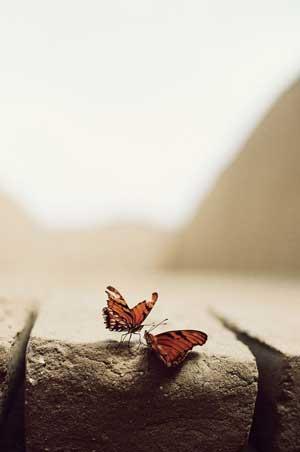
The Gentle Flutter That Keeps Nature Alive
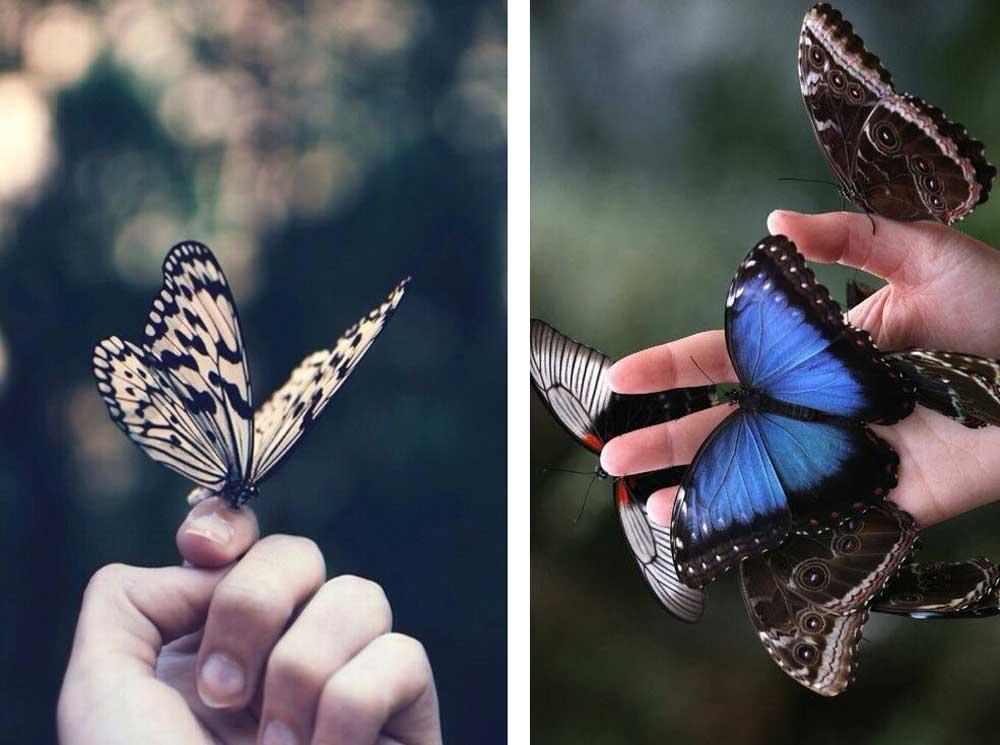
By Yashmitha Sritheran
I personally like butterflies. I don’t exactly know why, though. There is just something about seeing them flutter gently through the air that feels calming and strangely comforting. Maybe it is their bright colours, their delicate wings, or the way they seem to float effortlessly from flower to flower. Whatever the reason, butterflies have a quiet way of bringing a moment of relief and beauty into our busy lives. Perhaps that is why days like National Learn About Butterflies Day feel so special. Celebrated every year on March 14, this day encourages people of all ages to learn more about butterflies and appreciate the important role they play in our world. While many people simply admire butterflies for their beauty, these tiny creatures are actually essential to maintaining healthy ecosystems.
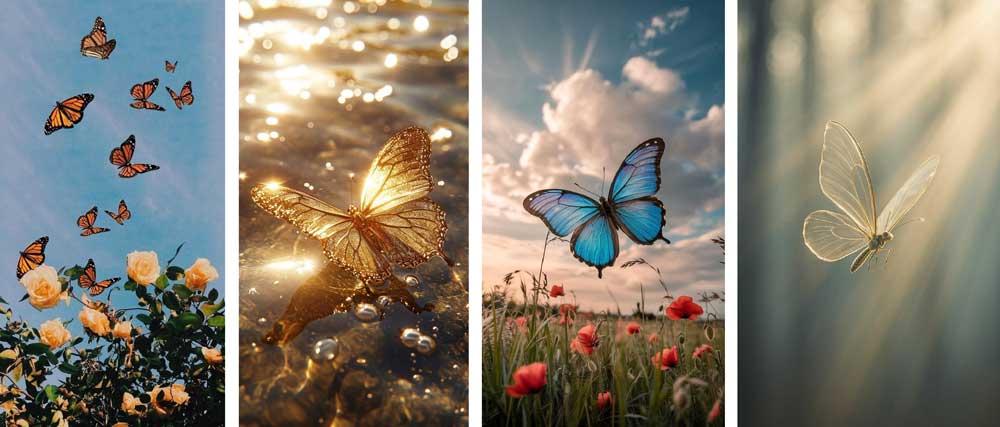
Butterflies are more than just colourful visitors in gardens and parks. They play an important role as pollinators, helping plants reproduce. As butterflies move from flower to flower in search of nectar, tiny grains of pollen stick to their bodies and are carried to other plants. This process helps flowers grow into fruits, vegetables, and seeds that many animals, and humans, depend on. In fact, pollinators like butterflies, bees, and even bats help support much of the food we eat. Without them, many plants would struggle to reproduce, which would affect entire ecosystems. This is one of the main reasons scientists and conservationists pay close attention to butterfly populations.
 Butterflies are also considered indicators of environmental health. Their presence in an area often suggests that the environment is balanced and thriving. When butterfly populations decline, it may signal problems such as habitat destruction, pollution, or climate change. Unfortunately, in many parts of the world butterfly numbers have been decreasing. Studies in some regions show that butterfly populations have dropped significantly over the past two decades. These changes remind us that even the most delicate creatures are deeply connected to the health of our planet.
One of the most fascinating things about butterflies is their wings. At first glance they appear smooth and silky, but in reality, butterfly wings are covered with hundreds of thousands of tiny scales. Each of these scales reflects light differently, creating the brilliant colours and patterns we admire. These patterns are not just beautiful; they serve important purposes in nature. Some butterflies use their wing colours as camouflage, blending into leaves, flowers, or tree bark to hide from predators. Others display bright colours as a warning signal that they may be poisonous or unpleasant to eat.
Some species even have large circular patterns on their wings that look like eyes. These markings can startle predators and make the butterfly appear larger or more dangerous than it actually is. Nature, it seems, has its own clever ways of protecting these fragile insects. Butterflies are also famous for their incredible life cycle. Their transformation from a crawling caterpillar into a flying insect is one of nature’s most remarkable processes. The life of a butterfly begins as a tiny egg, usually laid on the leaves of plants. Once the egg hatches, a caterpillar emerges. This stage is all about eating and growing. Caterpillars spend most of their time feeding on leaves so they can store enough energy for the next stage of their life.
 After growing large enough, the caterpillar forms a protective shell called a chrysalis. Inside this structure, an extraordinary transformation takes place. The caterpillar’s body reorganizes itself completely, eventually emerging as a butterfly with wings. Finally, the adult butterfly leaves the chrysalis and begins its life of flight. It searches for nectar, mates, and suitable plants where it can lay eggs to begin the cycle again.
Butterflies rely heavily on natural environments for survival. Flowers provide nectar for adult butterflies, while certain plants serve as food for caterpillars. Without these plants, butterflies cannot complete their life cycle. However, modern challenges such as urban development, pesticide use, and climate change are threatening butterfly habitats around the world. One well-known species experiencing population decline is the Monarch butterfly, famous for its long migrations across North America.
The good news is that people can help butterflies in simple ways. Planting native flowers in gardens, parks, and even small balconies can provide important food sources. Avoiding harmful pesticides and protecting natural habitats also help ensure butterflies continue to thrive. Even something as small as a patch of flowers can become a resting place for butterflies during their journeys. National Learn About Butterflies Day reminds us that butterflies are not just beautiful insects decorating our gardens. They are complex, fascinating creatures that play a vital role in nature. By learning more about them, we become more aware of how important it is to protect biodiversity and care for the natural world. So, the next time you see a butterfly drifting across the air, take a moment to watch it. That tiny flutter of wings carries a story of transformation, resilience, and the delicate balance of life on Earth.