Telusu Kada


Rating : 3/5
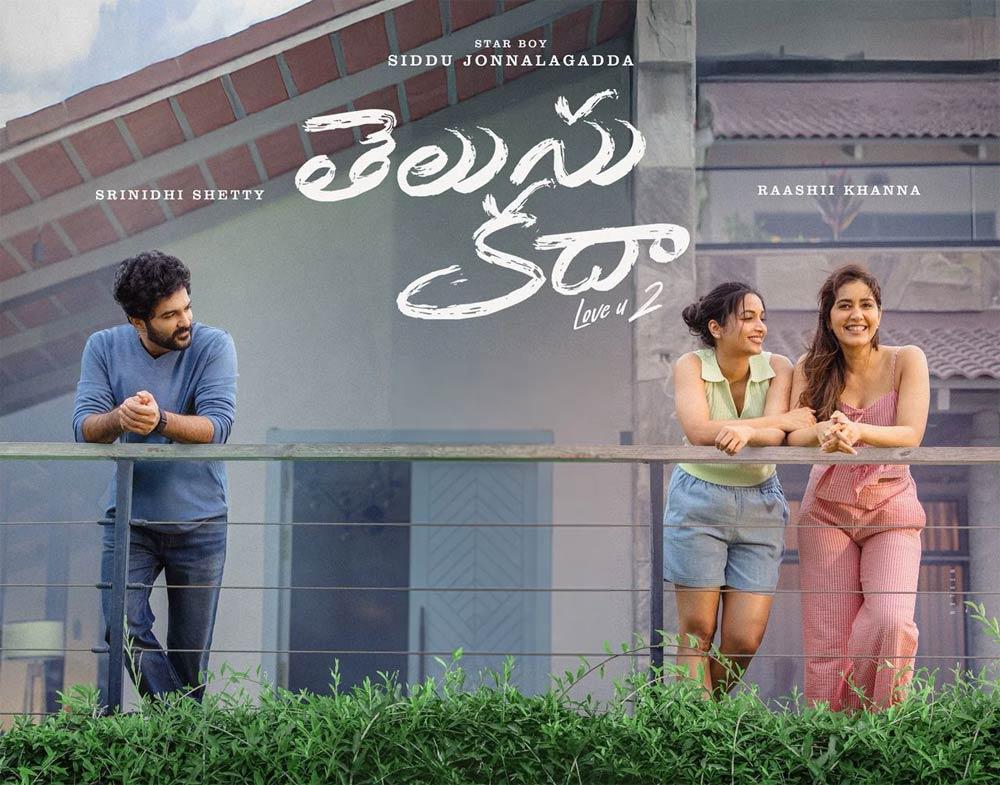
Telusu Kada is a 2025 Indian Telugu-language romantic drama written and directed by first-time filmmaker Neeraja Kona and produced by T. G. Vishwa Prasad, Vipin Agnihotri and Vivek Kuchibhotla under People Media Factory. The film stars Siddhu Jonnalagadda, Raashii Khanna and Srinidhi Shetty in lead roles, with music by Thaman S. It was released on 17 October 2025 and opened to mixed responses, with many praising the boldness of its concept and others feeling unsure about the way the emotional conflict was presented.
As a debut, the film attempts something far more complex than a regular love story, stepping into a sensitive space involving marriage, past love and the difficult decisions couples sometimes face.
The story follows Varun, a talented chef who grew up as an orphan and longs for the warmth of a complete family. His past relationships have left wounds, especially one heartbreak that shaped the way he views romance and commitment. When Varun meets Anjali through a matrimonial platform, he is drawn to her maturity, warmth and emotional understanding. Their relationship moves forward naturally, leading to marriage and a life that initially looks perfect. Together, they dream of starting a family, filling the emotional gaps that both of them hold inside. But when Anjali learns she cannot carry a pregnancy to term, their happiness is shaken. Her pain and insecurity lead her to explore options like IVF, which eventually brings her to Dr. Raaga Kumar.
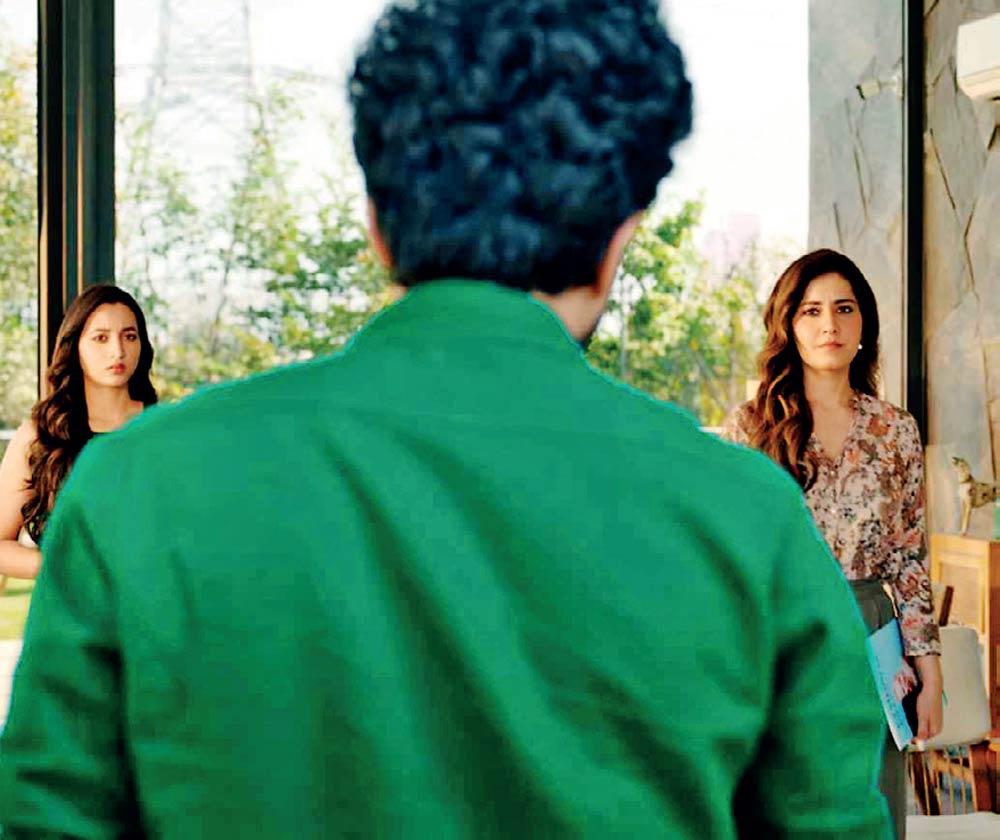
Raaga suggests surrogacy as an option and even offers to be the surrogate mother herself. What Anjali does not know is that Raaga is Varun’s ex-girlfriend, a connection that changes the entire dynamic. Varun reveals the truth after the pregnancy is confirmed, and the tension begins to rise. He asks Raaga to live with them during the pregnancy to ensure her safety and comfort, but this decision opens the door to emotional confusion, past memories and buried feelings. What begins as a practical arrangement slowly turns into a situation where each character is forced to confront their vulnerabilities. The film explores how people sometimes hide their true emotions behind rational decisions, how they justify mistakes and how unresolved past relationships can disturb even the most stable marriages.
While the plot holds the shape of a love triangle, it is not written in a dramatic or sensational tone. Instead, Neeraja Kona attempts to present a mature take on modern relationships, showing how love, ego, guilt and emotional insecurity can coexist. The first half of the film is particularly strong and engaging. It handles the surrogacy angle responsibly, keeping the focus on how the couple processes the news, the kind of fears Anjali carries and how Varun tries to remain calm while suppressing his guilt. Varun’s behaviour is explored in a detailed way. He is not shown as purely romantic or purely flawed. Instead, he appears layered, uncertain and sometimes controlling. Some viewers may see him as a narcissistic personality, someone who believes his decisions are always right and expects others to follow without question. Whether he is right or wrong is left to the audience, but the emotional impact of his actions is clear.
Raashii Khanna gives a memorable performance as Anjali, bringing out the pain of a woman who fears losing her identity because of a medical condition she cannot control. Her emotional scenes feel honest and relatable. Srinidhi Shetty, as Raaga, appears calm and composed on the outside but carries her own emotional history and unspoken desires. Her character is written with sensitivity, though some parts of her behaviour may confuse viewers. The film sometimes struggles to make her motivations fully clear, leading to moments where the audience wonders whether she still has feelings for Varun or whether she is simply doing her duty as a surrogate.
Siddhu Jonnalagadda surprises with his performance as Varun. He steps out of his usual playful, energetic characters and becomes far more serious, expressive and complicated here. His unpredictability is one of the defining elements of the film, and whether viewers like or dislike him, his presence shapes the emotional graph completely.

The technical side of the film is polished. Thaman’s music adds emotional depth, especially in the more fragile moments between the characters. The cinematography highlights the modern, urban setting and supports the tone Neeraja aims for. The production design is stylish but not loud, and the costumes reflect Neeraja Kona’s background as a fashion stylist and designer. The film has a clean visual identity that makes it pleasing to watch even during emotionally intense scenes.
The second half, however, becomes heavier and more confusing. The story shifts from a clear romantic drama into a web of overlapping emotions, unclear decisions and behaviours that may be hard for many to understand. Varun’s reactions start to feel inconsistent, which makes some viewers question whether he is a caring husband or a manipulative partner who uses emotional vulnerability as an excuse. The narrative becomes slightly muddled, and certain key scenes needed sharper writing to help the audience grasp what each character truly wants. While the ending tries to resolve the misunderstandings through explanations and emotional confessions, the confusion of the second half still lingers.
One noticeable point is how the film portrays modern relationships. It tries to highlight how people justify unhealthy behaviour, how a person’s past can quietly shape their future actions and how emotional immaturity can hide beneath confident personalities. At the same time, some actions glorified in the story can leave the wrong impression, especially for younger audiences. The film touches dangerous emotional zones where a character’s narcissistic tendencies might be interpreted as normal or even acceptable. Personally, the influence it sends feels questionable because it unintentionally suggests that controlling behaviour or emotional manipulation is a natural part of relationships. For today’s generation, such a message needs clearer boundaries.
Despite its flaws, Telusu Kada remains an ambitious film. It dares to address subjects like surrogacy, past relationships and marital insecurity, all within the frame of a romantic drama. The performances, the production quality and the emotional intensity of the first half stand out strongly. But the confusion of the second half and the unclear character motivations stop the film from becoming the emotional masterpiece it could have been. Viewers who enjoy layered urban dramas will find it engaging, while others may find it emotionally overwhelming or morally uncomfortable.