ONE PASSION ENDLESS OPPORTUNITIES: MITHUN LIYANAGE
BUILT TO INSPIRE BY MIFRA SADIKEEN
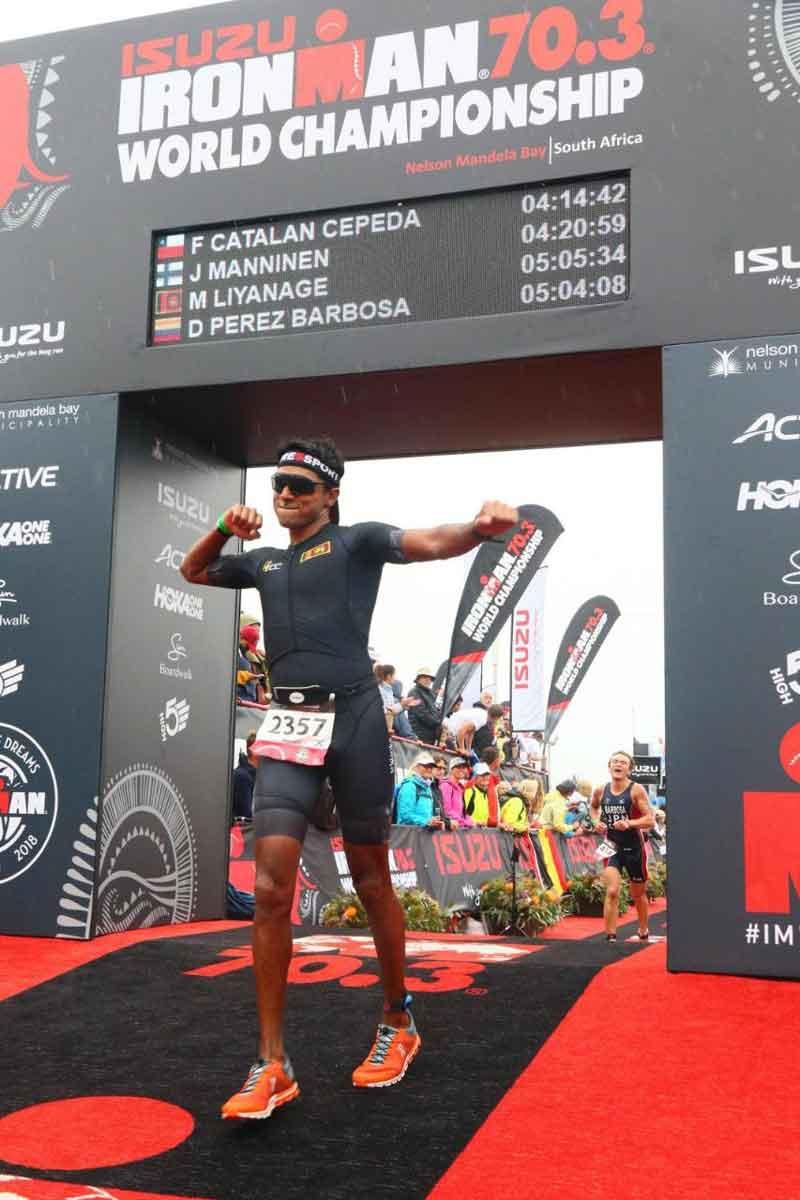
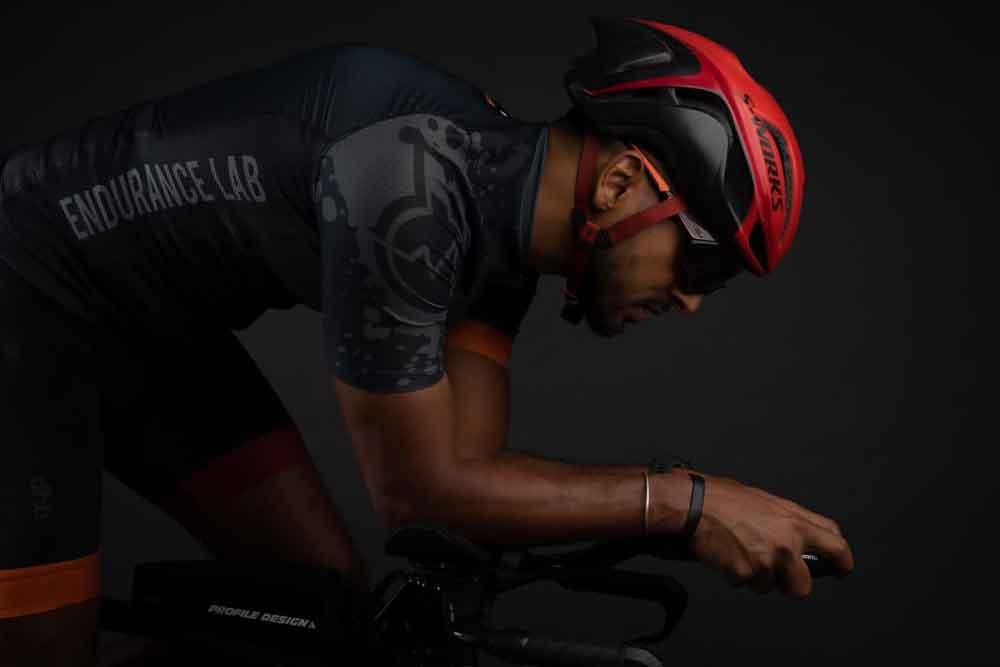
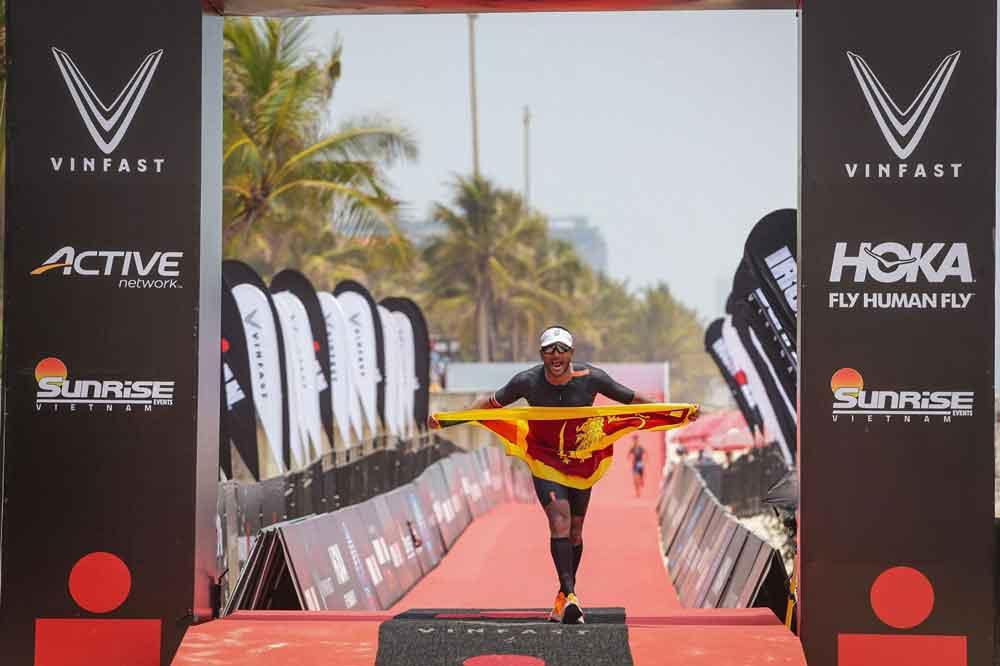
For many people, endurance sport is about crossing finish lines, collecting medals, or pushing physical limits. For Mithun Liyanage, it became something far greater. It became a vehicle for personal growth, resilience, purpose, and ultimately, helping others discover their own potential. A triathlete, Ironman finisher, coach, entrepreneur, and co-owner of Endurance Lab and Fitness Formula, Mithun was among the first Sri Lankans to qualify for the Ironman 70.3 World Championship in 2018. Over the years, he has represented Sri Lanka in international events across Vietnam, Malaysia, Indonesia, Australia, and South Africa, earning recognition as an All-World Silver Athlete in his age category. Yet what stands out most about Mithun's story is not the races he has completed, but the perspective he has gained through them. Today, his greatest satisfaction comes not from competing, but from helping others build healthier lifestyles, achieve ambitious goals, and realize that they are capable of far more than they believe. In this edition of Built to Inspire, Mithun shares lessons from endurance sport, coaching, and life.
Q: What first sparked your interest in endurance sports?
I have always loved cycling. A lot of people do not know that I spent a large part of my childhood in Nuwara Eliya because both my parents worked in the tea industry. Growing up in the hills, cycling was one of the few things I truly enjoyed doing. Years later, after finishing my studies and settling into life in Colombo, I started cycling more seriously with a group of friends. Eventually, a couple of friends were training for Ironman events, and I thought they were crazy. I used to join them on their runs after long rides simply to keep them company. Slowly, I started enjoying it. I realised I was getting better at it and wanted to see how far I could push myself. That curiosity eventually led me into triathlon.
Q: You qualified for the Ironman 70.3 World Championship in 2018. What did that achievement mean to you?
At that time, triathlon in Sri Lanka was still very new. There were very few people doing Ironman races and even fewer who understood how to prepare properly. I was fortunate to have Coach Rajan guiding me, but apart from that, we were all figuring things out as we went along. There was no blueprint. We made mistakes, learned from them, and kept improving. Qualifying for the World Championship took me around four years. While I already had a background in cycling and running, swimming was always my weakest discipline, so there was a lot of work involved. Competing at the World Championship in South Africa was surreal. You are surrounded by thousands of athletes from around the world, all operating at an incredibly high level. It was one of the most memorable experiences of my life.
Q: What has endurance sport taught you about resilience?
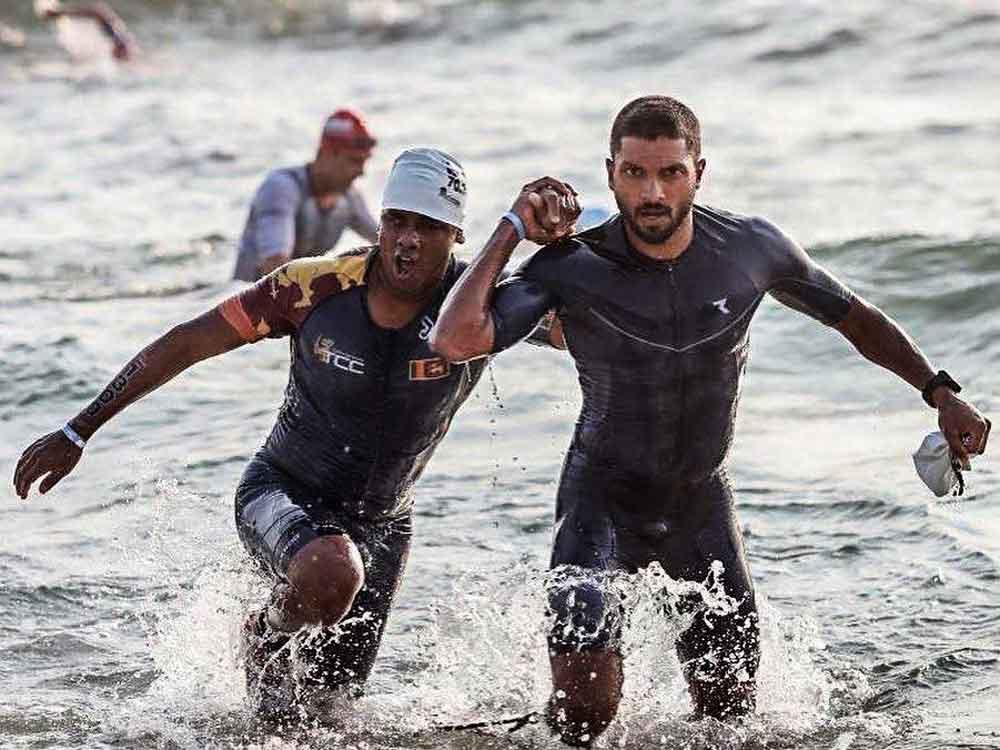
The biggest lesson is that endurance is far more mental than physical. People often think success comes down to fitness, but when you are deep into a race and your body is tired, everyone around you is suffering too. The question becomes: how willing are you to keep going when it gets uncomfortable? I often say endurance sport is probably sixty percent mental and forty percent physical. There are moments during a race when every part of you wants to slow down, stop, or quit. What separates athletes is their ability to keep moving forward despite that discomfort. That lesson applies to life as well. Challenges are inevitable. The people who succeed are often the ones who learn to stay resilient when circumstances become difficult.
Q: Did you ever imagine sport would become your career and purpose?
Not at all. Before coaching full-time, I was working a traditional desk job. While it provided stability, it never felt like something I was passionate about. Triathlon changed that. Through the sport, I discovered what I genuinely enjoyed doing and eventually built a career around it. Today, I spend my time helping people improve their health, achieve goals they once thought were impossible, and develop confidence through movement. I consider myself fortunate because not everyone gets to find something they are passionate about and then turn it into meaningful work.
Q: Many people say they do not have time to exercise. What is your response?
If you keep telling yourself you do not have time, you will always find another excuse. Every excuse sounds rational when you tell it to yourself. The reality is that health has to become a priority. You do not need to start by training every day. Start with something simple. Go for a walk. Go for a jog. Swim once or twice a week. What matters is creating consistency. I have seen this repeatedly with clients. They initially tell me they can only train two or three times a week. A few months later, they are training six days a week because they have experienced the benefits and become invested in the process. The challenge is not finding time. The challenge is deciding that your health matters enough to make time.
Q: What was the most challenging race you have ever competed in?
The Ironman 70.3 World Championship in South Africa was probably the most challenging. The conditions were completely different from what we experience in Sri Lanka. The water was extremely cold, the terrain was demanding, and the course included constant elevation changes. I remember spending days simply trying to adapt to the water temperature because I was used to tropical conditions. But those experiences teach you adaptability. They force you to perform outside your comfort zone, and that is where real growth happens.
Q: You now spend a significant amount of time coaching. What do you enjoy most about it?
Honestly, I find more fulfilment in coaching than competing. I still enjoy training. I still enjoy cycling and running. I still enjoy challenging myself. However, there is something incredibly rewarding about being part of someone else's journey.
Whether it is helping someone complete their first race, lose weight, improve their health, or build confidence, those moments are incredibly meaningful. One of the athletes I have had the privilege of guiding is Khalid, a visually impaired athlete. We have completed multiple Ironman events together and seeing him continuously push boundaries is inspiring. Coaching allows me to contribute to something bigger than myself. That is what drives me today.
Q: What do you believe is the biggest challenge facing endurance sport in Sri Lanka?
The issue is not talent. We have talented athletes. We have committed athletes. We have young people capable of competing internationally. The challenge is creating the pathway. Many people assume that because events such as Ironman 70.3 Colombo have arrived in Sri Lanka, athletes automatically have opportunities to represent the country internationally. Unfortunately, that is not how the system works. Ironman is a private international entity and operates separately from national sporting federations. While it has helped create awareness and excitement around endurance sports locally, representing Sri Lanka at regional and international championships requires an active national federation that can identify athletes, facilitate participation, and create a structured pathway for development. The local triathlon community has athletes with tremendous potential, but there needs to be greater activation and engagement from the federation to help athletes access regional competitions, gain international exposure, earn ranking points, and progress through the system. When you look at countries such as Australia, South Africa, and many European nations, athletes are introduced to endurance sports at a very young age. They benefit from grassroots programmes, development pathways, regular competition, coaching support, and long-term athlete development systems. In Sri Lanka, many athletes discover endurance sports later in life, often through personal interest rather than a structured development programme. By then, valuable years of athlete development have already been lost. I have seen athletes with incredible potential. I have seen young people who, with the right coaching, support, and exposure, could compete at a very high level internationally. What we need now is a stronger ecosystem around them. We need grassroots development, more local competitions, stronger pathways, and a more active framework that allows athletes to progress from participation to performance and eventually to representing Sri Lanka on the international stage.
Q: What excites you most about the future?
What excites me is seeing more people move. The recent growth of endurance sport in Sri Lanka has been encouraging. More people are cycling, running, swimming, and taking ownership of their health. We are currently working on bringing back community events and creating new opportunities for people to participate. These events are not just about competition. They are about building a culture around movement, health, and personal growth. If we can inspire more people to get active and discover what they are capable of, then we are moving in the right direction.
Mithun Liyanage's story is a reminder that life does not always unfold according to a carefully designed plan. What began as a childhood love for cycling in the hills of Nuwara Eliya evolved into a journey that took him to World Championship start lines, Ironman finish lines, and ultimately into a career built around helping others transform their lives through sport. Along the way, he balanced the demands of family, work, training, entrepreneurship, and coaching. He took risks, stepped into unfamiliar territory, and embraced opportunities long before he knew where they would lead. Perhaps the greatest lesson from his journey is that growth often begins the moment we are willing to step beyond what is comfortable and familiar. Many people spend their lives waiting for certainty before taking action. Yet some of the most meaningful opportunities emerge when we choose to trust ourselves, explore new possibilities, and remain open to where the journey may lead. Today, Mithun's success is measured not only by the races he has completed, but by the lives he continues to influence through coaching, mentorship, and community building. His story demonstrates that true achievement is not simply about personal accomplishments. It is about using your experiences to create opportunities for others. Whether your goal is to complete an Ironman, build a business, improve your health, pursue a new career, or simply become a better version of yourself, the message is the same. The limits we place on ourselves are often far greater than the limits that actually exist. When purpose meets commitment, and when passion is backed by consistent effort, extraordinary outcomes become possible.