War and Heritage: Historic Iranian Sites Damaged Amid Escalating Conflict
As the conflict involving Iran intensifies, reports are emerging that several historic landmarks and cultural sites across the country have been damaged. The destruction has sparked alarm among historians, archaeologists and international cultural organisations, who warn that the loss of such monuments represents not only a national tragedy for Iran but also a profound blow to the shared heritage of humanity. Among the sites reportedly affected are some of Iran’s most celebrated architectural and historical landmarks, including the UNESCO-listed Golestan Palace in Tehran and the Safavid-era Chehel Sotoun Palace in the historic city of Isfahan. Experts say the incidents highlight the growing vulnerability of cultural heritage during armed conflicts and raise serious questions about compliance with international law designed to protect such sites.
Damage to Golestan Palace
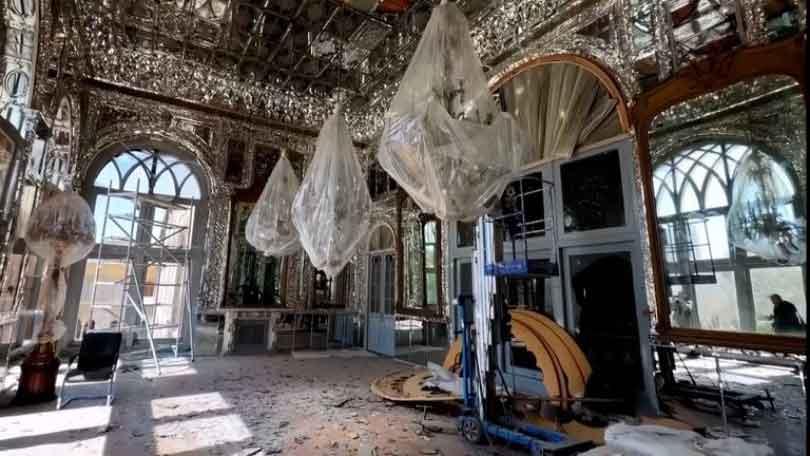
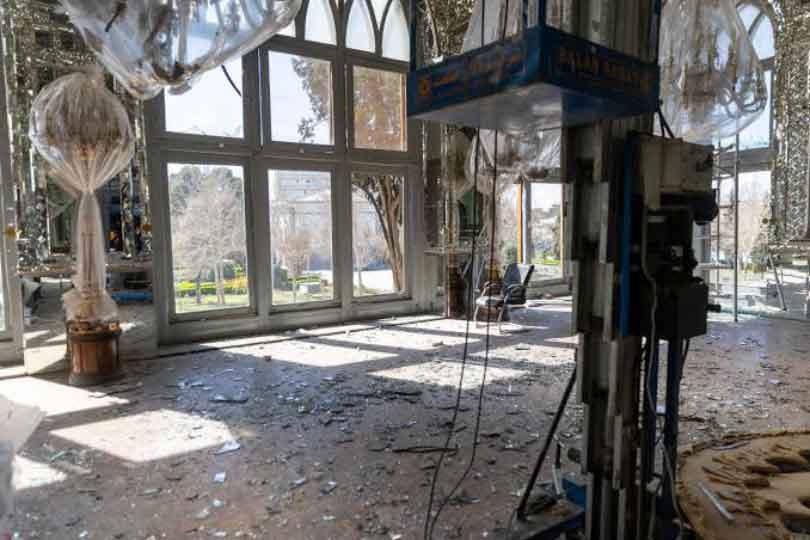
One of the most significant sites reportedly damaged is Golestan Palace, a UNESCO World Heritage Site located in the historic heart of Tehran. The palace complex, which dates back to the Safavid period but was largely expanded during the Qajar dynasty between the late eighteenth and early twentieth centuries, is widely regarded as one of the most important architectural complexes in Iran. According to reports published earlier this week, the palace suffered damage during nearby airstrikes as the conflict escalated. Shockwaves from explosions shattered glass and damaged interior features, including delicate mirrored surfaces and ornamental elements that are characteristic of Qajar-era architecture. The Golestan complex is known for its richly decorated halls, intricate tilework and elaborate gardens. For decades it has stood as a symbol of Iran’s royal heritage and cultural identity. Its designation as a UNESCO World Heritage Site underscores its global importance as a masterpiece of Persian architecture and artistic expression. The damage to the palace has prompted concern among heritage experts, who say even relatively minor structural damage can have long-term consequences for fragile historic buildings.
Isfahan’s Safavid monuments affected
The historic city of Isfahan, often described as one of the cultural jewels of the Middle East, has also reportedly suffered damage to several historic structures. Among them is the Chehel Sotoun Palace, a seventeenth-century pavilion built during the Safavid dynasty. The palace is famed for its twenty slender wooden columns reflected in a long pool in front of the structure; creating the illusion of forty columns, which gives the monument its name. The building contains remarkable murals depicting royal receptions and historical events from the Safavid period. Recent reports indicate that an airstrike targeting government facilities in the city caused damage to the palace and surrounding historic buildings.
Isfahan itself is home to some of the most significant examples of Persian architecture, including the vast Naqsh-e Jahan Square, one of the largest historic public squares in the world and a UNESCO World Heritage Site. The square is surrounded by monumental Safavid buildings such as the Imam Mosque, the Sheikh Lotfollah Mosque and the Ali Qapu Palace. Together they form one of the most remarkable urban ensembles of the early modern Islamic world. Although the full extent of the damage remains unclear, heritage specialists say any destruction within this historic landscape could represent a major cultural loss.
Falak-ol-Aflak Citadel and regional heritage sites
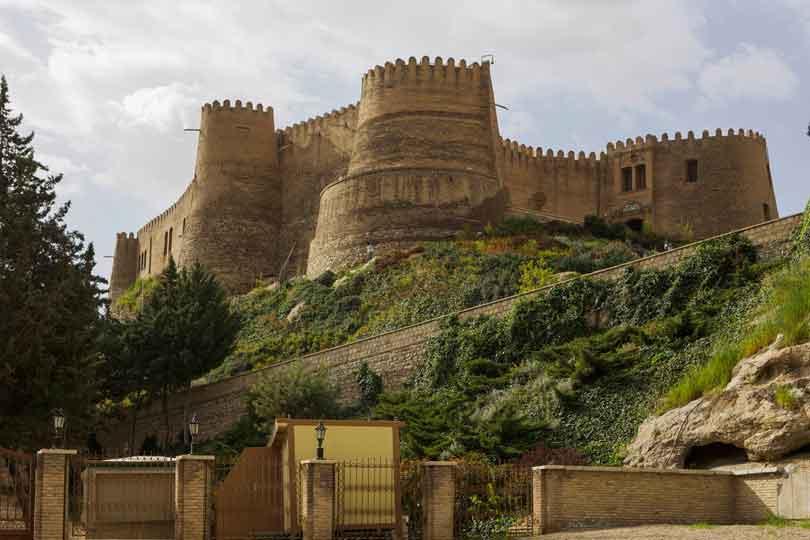
Reports have also emerged of damage to the Falak-ol-Aflak Citadel in Khorramabad, a massive fortress believed to date back to the Sasanian Empire in the third century AD. The citadel stands on a hill overlooking the Khorramabad valley, an area with evidence of human habitation stretching back tens of thousands of years. The fortress has long served as a symbol of the region’s ancient history and has also housed archaeological and anthropological museums. According to local officials, strikes in the vicinity of the site damaged several surrounding historic buildings and facilities connected to the citadel’s museum complex. Although the core structure of the citadel reportedly remained intact, damage to its surrounding facilities has raised concerns about the vulnerability of cultural institutions in wartime.
Cultural heritage under threat
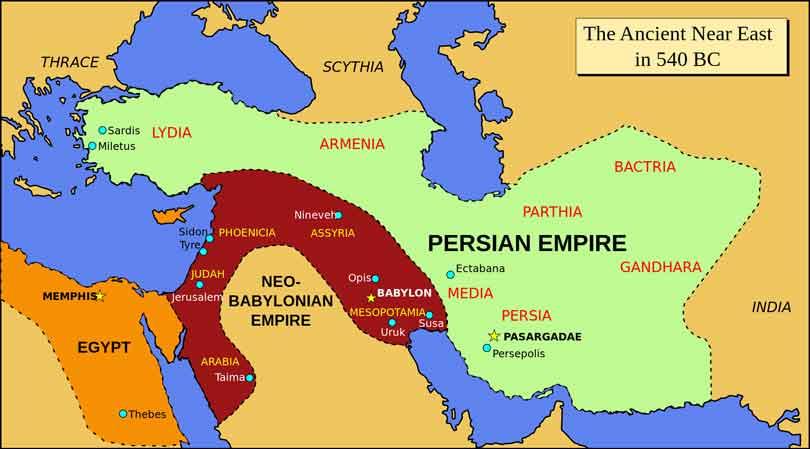
The recent incidents illustrate the broader risks that armed conflicts pose to cultural heritage. Iran possesses one of the richest archaeological landscapes in the world, with thousands of historic sites ranging from prehistoric settlements to monumental remains of the Persian empires. Many of these sites have survived centuries or even millennia, enduring earthquakes, invasions and political upheavals. Yet modern warfare, with its high-powered explosives and aerial bombardment, poses a particularly severe threat to fragile historic structures. Museums, archaeological sites and historic buildings can be damaged not only by direct strikes but also by shockwaves, fires and structural destabilisation caused by nearby explosions. International cultural organisations have warned that the destruction of heritage sites has far-reaching consequences. Cultural monuments often represent collective memory and identity, linking communities to their history and traditions. When such sites are damaged or destroyed, the loss extends beyond national borders, affecting the cultural legacy of humanity as a whole.
International law and the protection of heritage
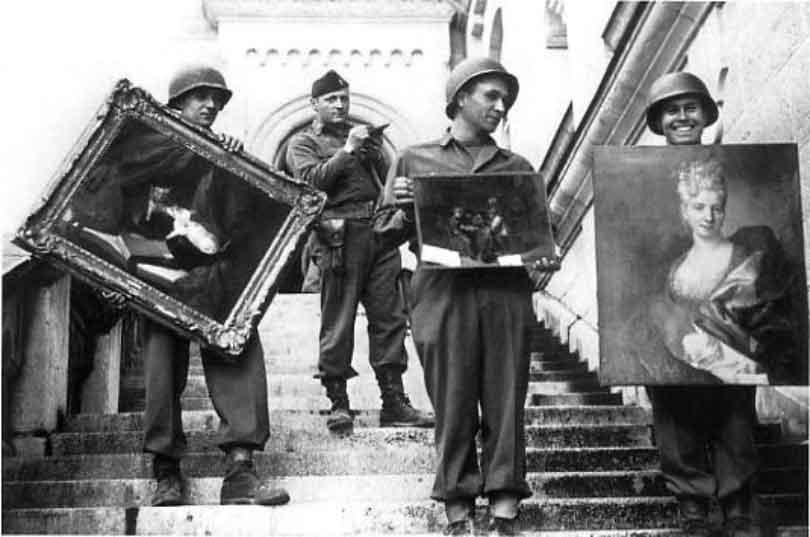
The damage to historic landmarks in Iran has prompted renewed discussion about international legal frameworks designed to protect cultural property during armed conflict. The most important of these is the 1954 Hague Convention for the Protection of Cultural Property in the Event of Armed Conflict, adopted under the auspices of UNESCO in the aftermath of the widespread destruction of cultural heritage during the Second World War. The convention is the first international treaty devoted exclusively to safeguarding cultural heritage during wartime. It requires states to protect monuments, museums, archaeological sites and other cultural property from destruction, theft and misuse during armed conflict. Under the convention, “cultural property” includes both movable and immovable heritage of great importance to the cultural heritage of peoples, such as historic monuments, archaeological sites, works of art, manuscripts and collections housed in museums and libraries.
The treaty also introduced the Blue Shield emblem, a distinctive symbol used to mark protected cultural sites during conflict. Buildings displaying the emblem are intended to be recognised as heritage sites that should not be targeted or used for military purposes. More than 130 countries have ratified the convention and its protocols, making it one of the central legal instruments of international humanitarian law relating to cultural heritage.
Warnings from heritage organisations
Heritage organisations and cultural experts have warned that attacks affecting historic sites could constitute violations of international cultural-heritage protection laws. Groups including Blue Shield International and museum organisations have raised concerns about potential “war crimes” if cultural property is deliberately targeted or inadequately protected during military operations. Even when cultural sites are not the intended targets, experts argue that military forces have a legal and moral obligation to avoid actions that could foreseeably damage monuments of historic significance. The 1954 Hague Convention requires parties to an armed conflict to respect cultural property by refraining from using it for purposes likely to expose it to destruction and by avoiding acts of hostility directed against such property. While exceptions exist in cases of imperative military necessity, heritage experts say these provisions place a strong obligation on military planners to consider the potential impact of their operations on historic sites.
A shared responsibility
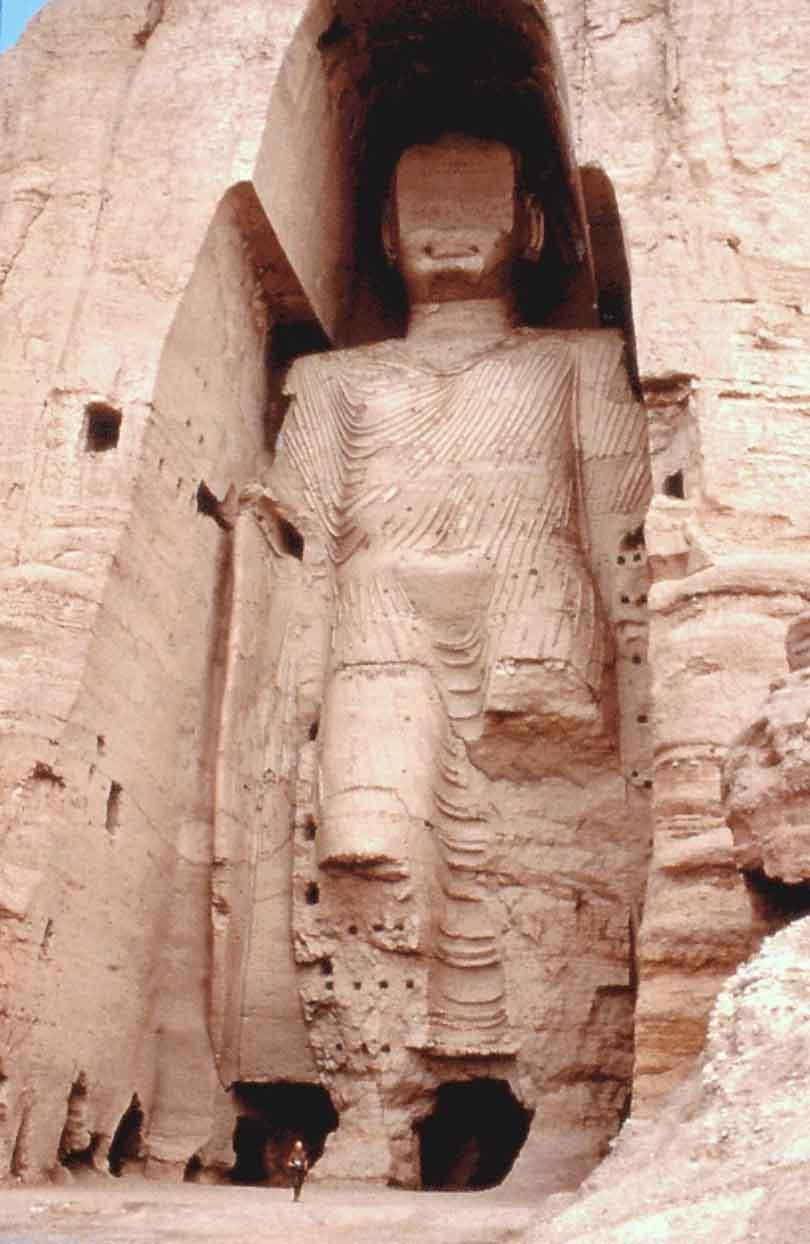
The damage to Iranian heritage sites underscores a broader challenge facing the international community: how to safeguard cultural heritage in an era of increasingly complex conflicts. From the destruction of the Bamiyan Buddhas in Afghanistan to the devastation of ancient cities in Syria and Iraq, cultural heritage has repeatedly become a casualty of war. Experts argue that protecting heritage is not merely an issue of preservation but also one of peacebuilding. Historic monuments and archaeological sites embody the identities and memories of communities, helping societies maintain continuity with their past. As UNESCO has emphasised, protecting cultural property means safeguarding the history and memory of humanity itself. For now, the full extent of the damage to Iran’s historic sites remains uncertain. Assessments will likely continue as information emerges from affected regions. What is clear, however, is that the destruction of cultural heritage, whether intentional or incidental, represents an irreplaceable loss. As the conflict continues, the fate of many of Iran’s most treasured landmarks remains uncertain, reminding the world that the preservation of cultural heritage is inseparable from the pursuit of peace.