US SUBMARINE ATTACK ON IRANIAN WARSHIP RAISES ENVIRONMENTAL CONCERNS FOR SRI LANKAN SEAS
The sinking of an Iranian naval frigate by a United States submarine off the southern coast of Sri Lanka has triggered international controversy and raised growing concerns about potential environmental damage to the surrounding seas. The incident, which took place on the 4th of March 2026 in the Indian Ocean near Galle, resulted in heavy loss of life and placed Sri Lanka at the centre of a geopolitical crisis between Washington and Tehran. At the same time, marine experts and environmentalists are warning that the destruction of the warship could have consequences for the fragile marine ecosystems in Sri Lanka’s waters.
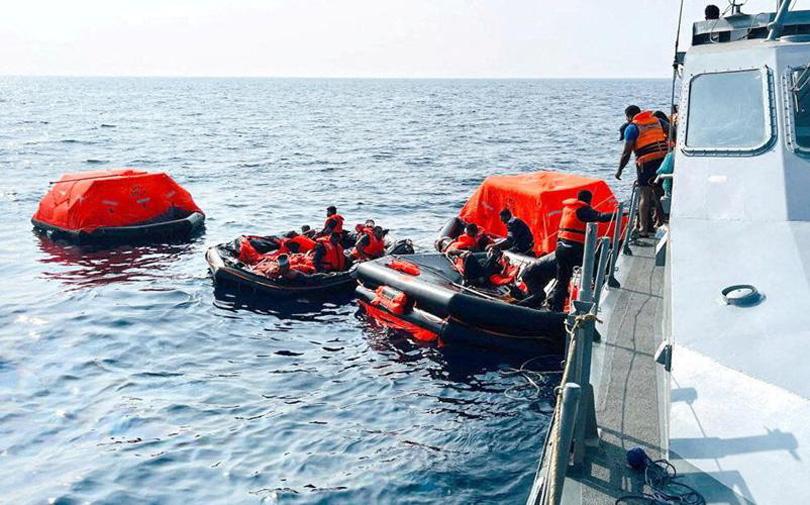
The vessel that was destroyed was the Iranian Navy frigate IRIS Dena, one of Iran’s most modern warships. The ship had recently taken part in multinational naval exercises hosted by India and was travelling back towards Iran when it was struck by a torpedo fired from a United States Navy submarine. The attack occurred in international waters approximately 40 nautical miles south of Galle, within Sri Lanka’s Exclusive Economic Zone but outside its territorial waters. Sri Lankan authorities reported that about 180 sailors were on board the vessel when the strike occurred. Rescue teams from the Sri Lanka Navy and the Sri Lanka Air Force rushed to the scene after the ship transmitted a distress call early in the morning reporting a large explosion. By the time rescuers reached the site the frigate had already sunk beneath the surface. Sri Lankan naval personnel were able to rescue 32 sailors from the water, many of whom were suffering from injuries and exhaustion. They were taken to Galle National Hospital for medical treatment. Meanwhile, search operations recovered the bodies of 87 sailors from the sea. Dozens of others remain missing and are presumed dead.
According to United States officials, the attack was part of a broader military campaign linked to the escalating conflict between the United States, Israel and Iran. US defence authorities confirmed that a submarine fired a Mark 48 torpedo at the Iranian vessel. Video footage later released by the Pentagon showed the warship being struck by a powerful underwater explosion that tore through the hull before it sank within minutes. Iranian authorities condemned the attack as an act of aggression and claimed the vessel was not engaged in combat at the time it was targeted. Iranian officials said the frigate was returning from a naval event and operating far from the main theatre of conflict. The United States has rejected those claims and described the ship as a legitimate military target. The disagreement has further intensified already strained relations between the two countries and widened the geographical scope of the conflict beyond the Middle East.
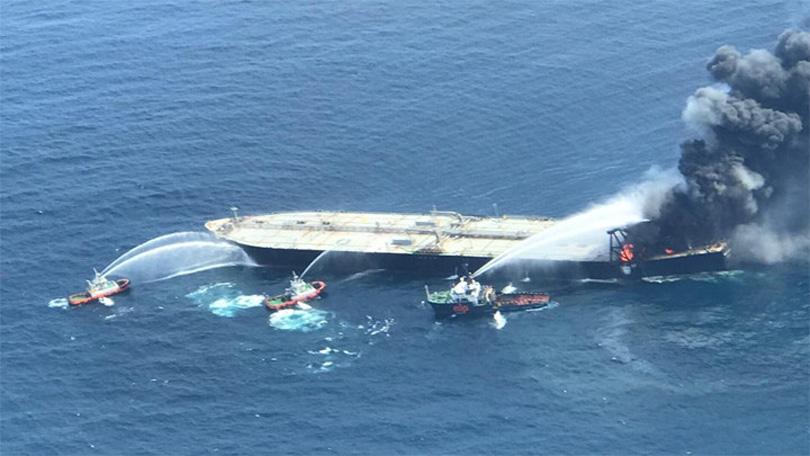
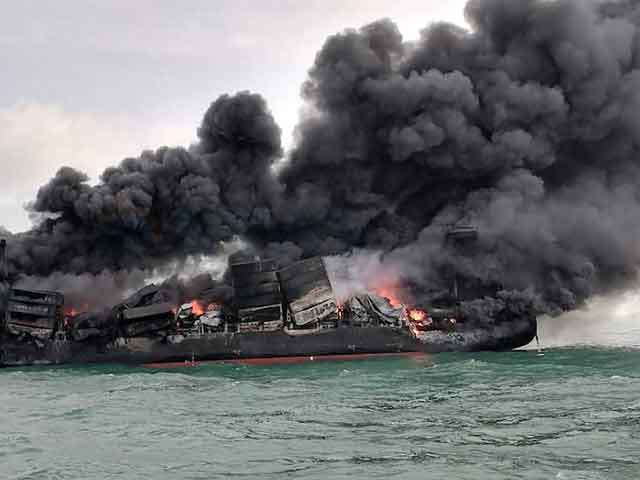
While the political and military implications of the incident are still unfolding, environmental experts are drawing attention to the potential damage caused by the sinking of a large warship so close to Sri Lanka’s marine environment. Immediately after the attack, rescue teams arriving at the scene observed an oil slick spreading across the surface of the water. The slick likely originated from the fuel stored in the vessel’s tanks. Warships typically carry significant quantities of diesel fuel, lubricating oil, hydraulic fluids and other chemicals necessary for naval operations. When a ship sinks suddenly these substances can leak into the surrounding sea. Environmental scientists warn that such leaks can damage marine ecosystems by contaminating water, harming fish populations and affecting coral reefs.
Sri Lanka’s southern coastline is home to a diverse range of marine habitats including coral reef systems, migratory routes for tuna and other pelagic fish species, and feeding grounds for whales and dolphins. Pollution from fuel or toxic materials could threaten these ecosystems and disrupt fisheries that support thousands of coastal livelihoods. Fishermen operating out of southern ports such as Galle, Mirissa and Tangalle rely heavily on healthy fish stocks in these waters. Any significant contamination could affect catches and reduce income for fishing communities. In addition, Sri Lanka’s southern coast is a major centre for tourism, particularly whale watching. Marine pollution that harms wildlife could therefore have economic consequences beyond the fishing industry.
Experts also note that the long-term environmental risk may extend beyond the initial oil slick. When ships remain on the seabed for long periods their metal structures gradually corrode. As corrosion progresses, additional fuel residues and hazardous materials trapped inside the wreck can slowly seep into the water. This process can continue for years and may cause chronic pollution if not monitored carefully. The wreck of the IRIS Dena may also contain munitions and heavy metals used in naval equipment. Substances such as copper based antifouling paint, electrical components and battery systems can release toxic compounds into the marine environment. Although the immediate impact is still being assessed, marine scientists have urged authorities to conduct detailed monitoring of the wreck site.
Sri Lanka has begun tracking conditions in the affected area with assistance from its navy and maritime authorities. Monitoring efforts are focusing on the spread of oil and other pollutants, ocean currents that could carry contamination towards the coastline, and potential effects on marine life. If necessary, containment and cleanup operations may be considered, though such efforts can be extremely difficult when a ship sinks in deep water. Beyond environmental concerns, the incident has also created complex diplomatic challenges for Sri Lanka. The country has longstanding economic and political relations with both the United States and Iran. Sri Lanka exports apparel to the American market and also maintains trade links with Iran, particularly in the tea sector.
In the aftermath of the attack Sri Lanka has attempted to maintain a neutral position while responding to the humanitarian consequences of the disaster. The government coordinated rescue operations, provided medical treatment to survivors and arranged for the recovery and storage of bodies at Galle Hospital. Courts have since ordered the transfer of the remains of Iranian sailors to the Iranian embassy for repatriation to their families. Another Iranian naval vessel operating in the region, the support ship IRIS Bushehr, reported mechanical problems shortly after the sinking and requested assistance from Sri Lanka. Under international maritime law the Sri Lankan authorities took control of the vessel and its crew of more than 200 sailors and moved it to the port of Trincomalee. The presence of Iranian naval personnel and vessels in Sri Lanka following the attack has drawn attention from both Washington and Tehran. Analysts say Sri Lanka is navigating a delicate diplomatic situation as it seeks to uphold humanitarian responsibilities while avoiding involvement in the broader conflict.
Meanwhile, the incident has sparked debate among international legal experts about whether the attack complied with international law. Some specialists have questioned whether the Iranian vessel posed an immediate threat at the time it was struck. Others argue that warships belonging to a hostile state can be considered legitimate targets during armed conflict. For Sri Lanka, however, the immediate priority remains humanitarian assistance and environmental monitoring. Officials have stressed that the attack occurred outside Sri Lanka’s territorial waters and that the country was not involved in the military operation.
Nevertheless, the sinking of a heavily armed warship so close to its coastline has brought the realities of global conflict to Sri Lanka’s doorstep. As investigations continue and diplomatic tensions remain high, scientists and environmental authorities will be watching closely for any signs of ecological damage in the waters off the southern coast. The full impact of the incident on Sri Lanka’s marine environment may not be known for months or even years, but the event has already underscored how regional conflicts can have far reaching consequences for countries far from the battlefield.