WHAT REALLY WENT DOWN DURING THE SALEM WITCH TRIALS
BY: ENAYA WICKRAMAGE
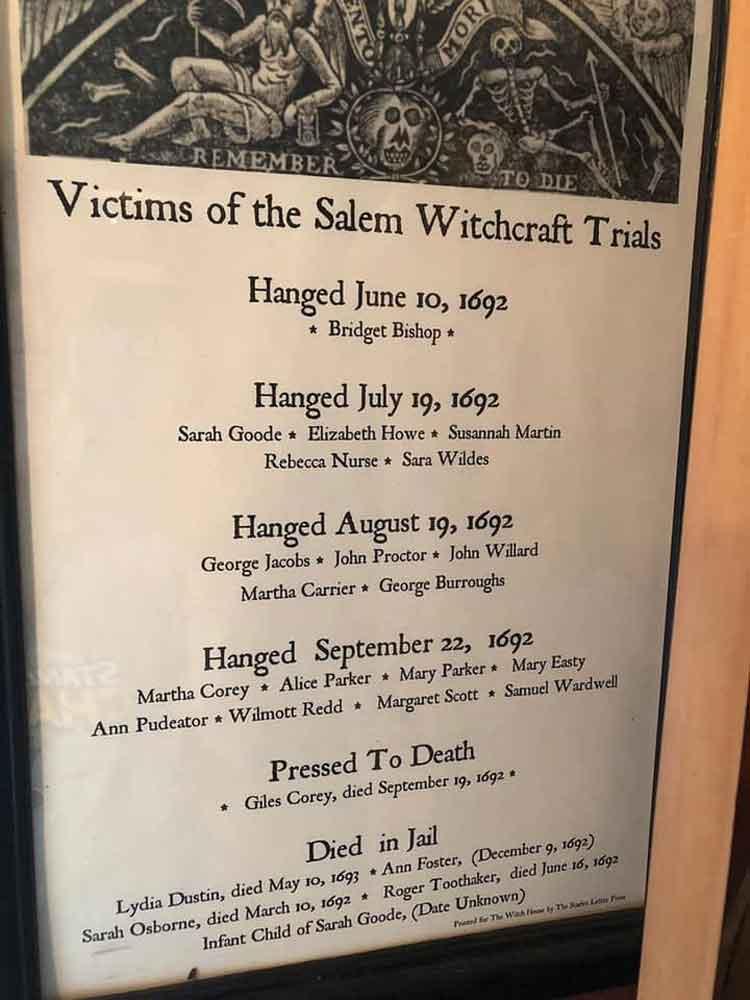
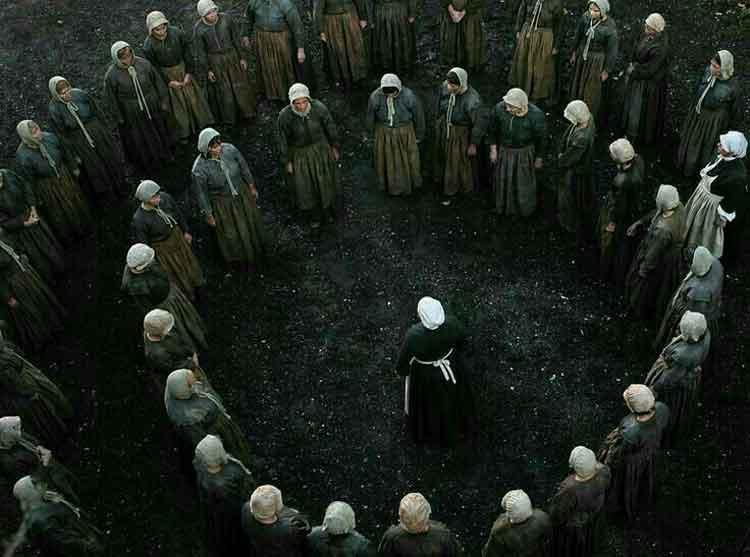
The year was 1692, and something unusually paranormal began happening in a small village in Massachusetts. Two young girls began screaming and convulsing; as though an entity had taken complete control over their bodies. This was just the beginning. Soon, neighbors began accusing neighbors. Friends turned their backs on friends, and even families did not know who to trust anymore. By the time the hysteria had ended, approximately 200 people had been accused of witchcraft, and even 20 were executed. The Salem Witch Trials have since then become one of the most profound examples of collective hysteria in history.
THE BIRTH OF THE PARANOIA
It began in the harsh winter of 1692 with two girls, 11-year-old Abigail Williams and 9-year-old Elizabeth Parris, both the daughter and niece of Reverend Samuel Parris, the local minister. Soon after, both girls began suffering from violent fits and complained that invisible forces were tormenting them constantly. They were taken to a local doctor who carefully examined them, and what was his diagnosis? Witchcraft. It is important to note that 17th-century Massachusetts was built on deeply religious communities, where supernatural stories of ghosts and the devil were not just considered tales, but genuine threats. So, being diagnosed due to witchcraft came as a terrifying conclusion. Pressured by the adults, the young girls were forced to identify who bewitched them. Among the accused was Tituba, an enslaved woman who belonged to Reverend Parris. After thorough interrogation, she eventually confessed to practicing witchcraft, claiming that she had multiple encounters with the devil and that many other witches existed within the community. Needless to say, this confession supercharged the panic among society, and soon, accusations began spreading like wildfire. And once the accusations began, there was almost no way to stop them. People began reporting strange behaviour and supernatural attacks. Some claimed that entities beyond the grave and the spirits of accused witches were driving them into psychosis. Others accused the neighbour they hated. The hysteria kept on growing to the point where even animals were accused. One dog was accused of bewitching a girl, and the other of being under the control of a witch and was later executed. To us today, this may seem completely absurd, but the level of absurdity reveals just how powerful the paranoia had become.
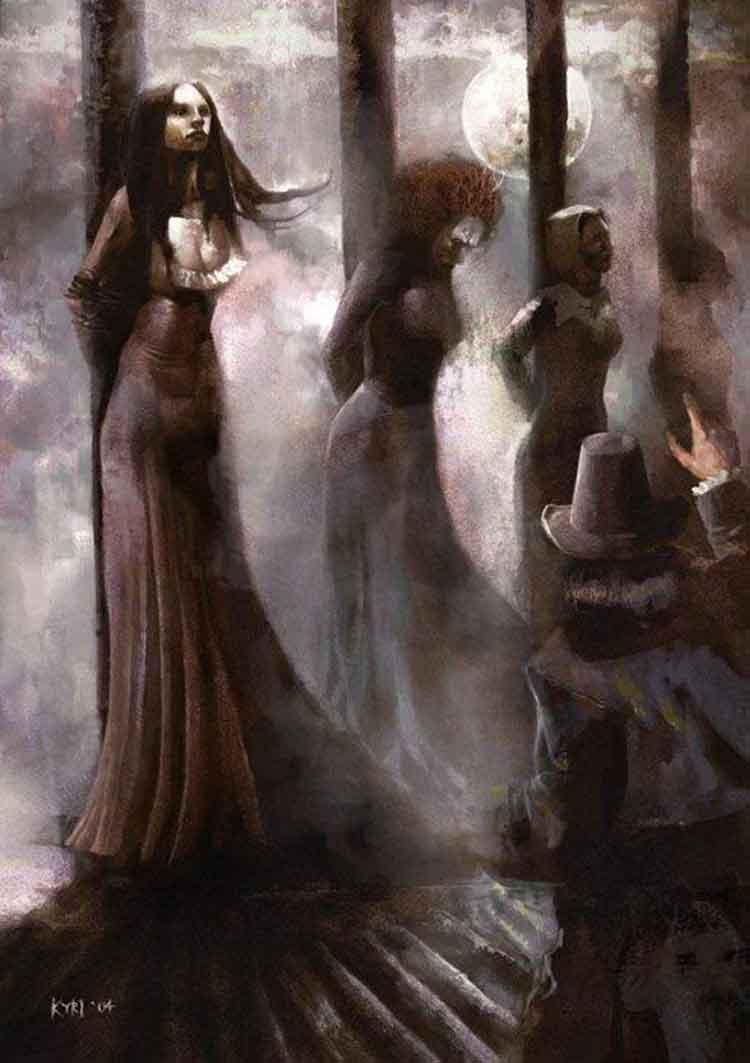
SALEM WAS NOT THE BEGINNING
It’s easy to imagine that the events that happened in Salem were just isolated American madness. This couldn’t be further from the truth. The Europeans had already been having their own witch hunts long before. Between the 16th and 17th centuries, tens of thousands of people across Europe were prosecuted and executed for allegedly dabbling in witchcraft. Estimates may vary, but historians place the number of executions carried out at around 50,000. Certain books added fuel to the fire. One of the most notorious was Malleus Maleficarum, or Hammer of the Witches, which was a 15th-century handbook, withholding methods on how to identify and prosecute witches. Although its influence may have sometimes been exaggerated, it did become part of a much wider European culture of witch-hunting.
This later gave rise to careers such as professional witch-hunting, and even laws against any form of witchcraft were established.
WERE PEOPLE ACTUALLY PRETENDING?
With all the commotion that went down in Salem, there is one question that may have been asked the most; were Abigail and Elizabeth simply lying? While it is tempting to assume that they were, there actually may have been another plausible explanation for the mass hysteria. Ergot. Ergot is a fungus that can grow on rye and other types of grains and can cause physical and psychological symptoms in those who consume it. These could be visual and auditory hallucinations; symptoms similar to when one takes a hallucinogenic drug. Considering that rye was an important part of the Salem diet, ideas of widespread contaminated food most likely could have contributed to the ‘demonic’ occurrences experienced by the locals. Despite substantial evidence, this theory still remains controversial due to more recent scientific discoveries surrounding the case.
THE REAL ENEMY
The horrific accusations against the people of Salem cannot just be explained by a single cause. Religion played a major role, as there were deeply religious communities that were living in a world where they considered the devil to be real. Sexism played a huge role as well, as 70% of the accused were women. Unmarried women, wealthy women, and educated women were some of the groups that were most vulnerable to accusations of witchcraft (Surprise, surprise). Reputation mattered. Local politics mattered. Personal grudges could get you prosecuted as well. Back then, the system constantly rewarded these accusations and thrived on them. The more people who confessed or named others, the more “evidence” the local authorities believed they had discovered. Fear created accusations; accusations created fear. The cycle continued, and the authorities loved it.
AND IT ENDED
Eventually, the accusations became too widespread. Doubts started to emerge about the reliability of court evidence, and, of course, many respected members of the communities were being implicated. The trials eventually came to a halt. There were no more executions. No more skepticism. No more fear. However, the community was left with a conclusion that no one could fix; the knowledge that many innocent people had died. Their alleged crime? Witchcraft. Their actual crime? Being in the wrong place at the wrong time. This is why the Salem Witch Trials remain one of the most haunting events in history. Truth be told, it was less about witches and more about what happens when fear becomes more convincing than evidence. Perhaps, more disturbingly, it was solid proof that ordinary people could each slowly contribute to mass injustice, not because they were evil, but because everyone around them was convinced they were doing the right thing. And once society had become dead set on who the common enemy was, they stopped asking the most important question of all – “What if we are wrong?”