
The graveyard of good intentions: why knowing isn’t enough to change your health
By Dinil De Silva
For a long time, I have been caught between two ideas of what health really means.
Learning medicine taught me that health is mechanical, a predictable chain of cause and effect. Give people the right inputs, whether that is medicine, a diet plan or an exercise prescription, and the body responds. On paper, it is a great idea.
Then you try to live it. That neat logic fades once it meets real life. It does not account for how tired you are after a long day at work, or the hour spent in traffic on the way home. It does not account for an empty fridge and a food delivery app already open on your phone. Everything you know about blood sugar and blood pressure suddenly feels very far and unimportant.
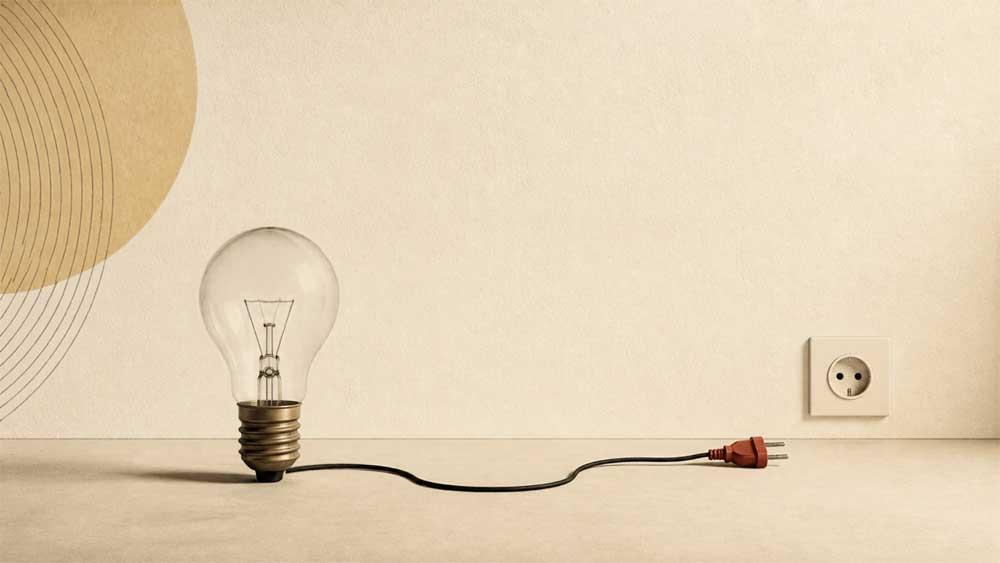
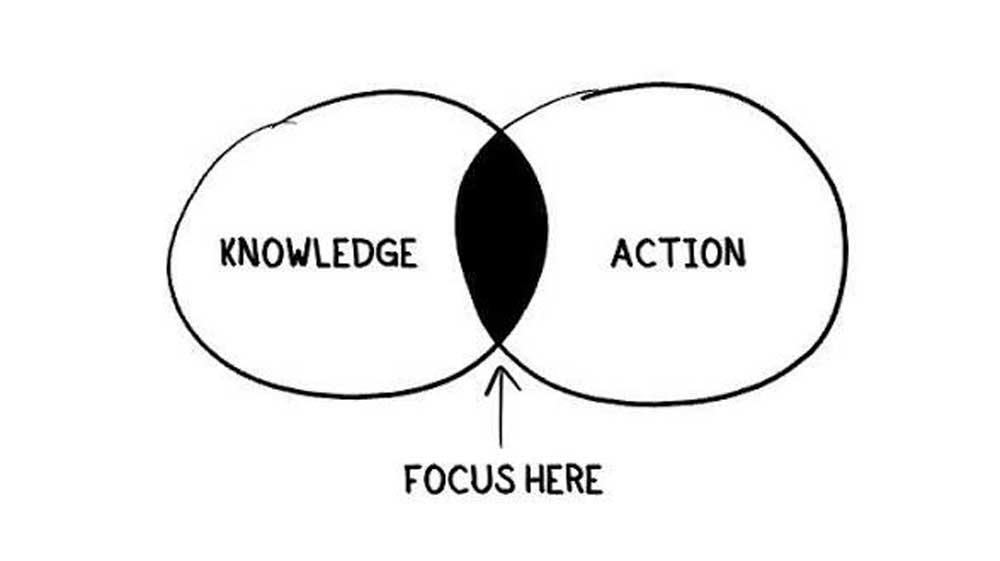
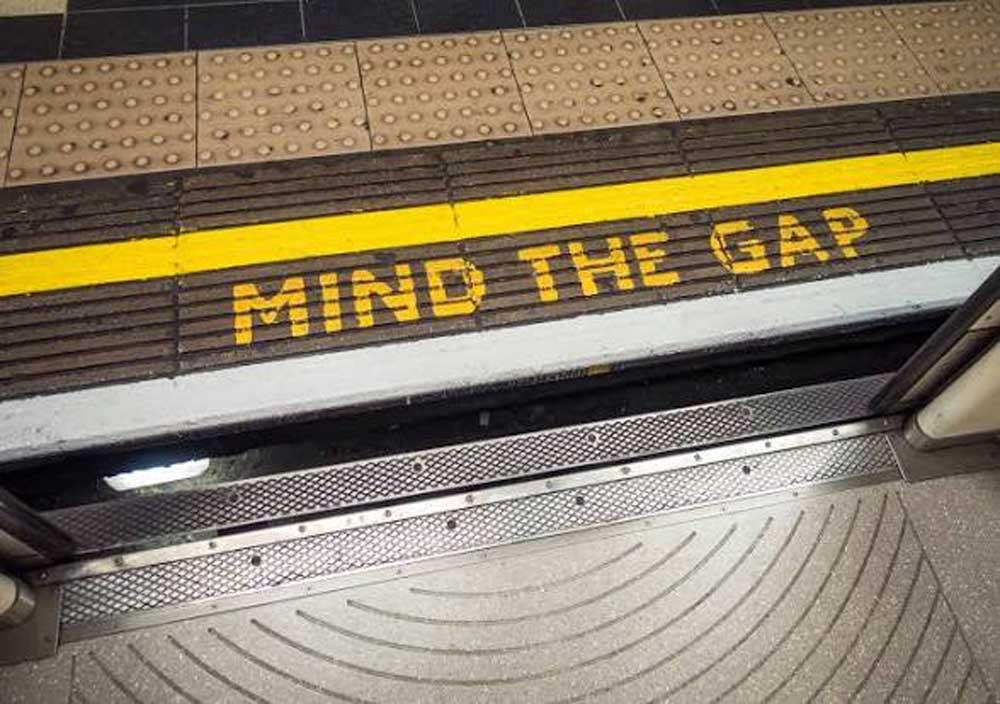
For me, the gap appeared slowly. I could explain why movement matters, from what happens inside our cells to how much it lowers our risk of disease. Yet knowing why something mattered and actually doing it in my own life were two very different things. Then I noticed the same gap everywhere: on hospital wards, in conversations with friends, and in every New Year resolution. We all knew what we were supposed to do. The knowing was never the problem. The doing was. What I found was not a lack of information. It was a graveyard of sound advice that never turned into action.
The knowledge trap: information isn't intervention
We have more health information at our fingertips than any generation before us. Yet according to the Ministry of Health, non-communicable diseases such as heart disease, diabetes and cancer now account for 83% of all deaths in Sri Lanka.
Most of us know that smoking harms us, that too much sugar affects our metabolism, and that sitting all day raises our risk of disease. Whether you want to manage a diagnosis, have more energy for your family or simply feel better in your own skin, you probably already know what needs to change. If knowledge alone were the cure, we would all be in perfect health.
The illusion of a simple map
Think about the last time you received health advice, from a doctor, a trainer, a friend or something you read online. It probably made perfect sense. Eat more vegetables. Move more. Sleep better. Manage your stress. When we tell ourselves to "just" change, it is like being handed a map. The destination is clear and the route is marked. But for the person setting out, the map is rarely the problem. The ground is. The map does not show that the path is steep, that you have not slept well in months, or that you have tried this route before and lost your way. Knowledge sits on the surface. It is neat and easy to deliver in a short consultation: a leaflet, a prescription and a review in three months. Behaviour changes deeper down, in our habits, our surroundings and how we see ourselves.
Why we stay stuck
To understand why we stay stuck despite knowing better, we need to look at the real obstacles that decide whether knowledge becomes action. Three come up again and again.
1. The capability gap: the hidden skill of being healthy
Here is something we are rarely taught: being healthy is a skill. It is not only about willpower or "wanting it badly enough".
The COM-B model, developed by health psychologist Susan Michie and her colleagues, explains that any behaviour depends on three things: capability, opportunity and motivation. Motivation alone is not enough. You can want something very much and still struggle if you do not yet have the skills. Knowledge says "exercise more". Capability asks different questions. Do I know how to move safely? Do I know how to put a workout together?
Knowledge says "eat healthier". Capability asks: can I plan meals when I am tired? Can I cook a balanced rice and curry without spending two hours in the kitchen? Can I make good choices at a wedding buffet? We often mistake a lack of skill for a lack of will. When someone struggles to keep a routine, we assume they did not want it enough. More often, they simply did not have the right support in place.
The practical fix: learn the skill before chasing the result. Instead of going on a diet, master one healthy ten-minute meal until you can make it without thinking. Instead of starting an exercise plan, put on your workout clothes at the same time each day. Build the habit of preparing before the habit of performing.
2. The identity anchor: loyal to the old you
Our minds like consistency. We want our actions to match the story we tell about ourselves.
Research on self-identity shows that how we see ourselves helps predict what we do, even beyond what we intend to do. If you think of yourself as "not a gym person", every workout can feel like wearing someone else's clothes. If your story is "we're a family of big eaters", a smaller portion can feel like letting your family down.
This is not laziness. It is loyalty to an older version of yourself. When we act against how we see ourselves, it feels uncomfortable, and the easiest way to end that discomfort is to stop. The practical fix: change your language, and your identity follows. Instead of "I'm trying to work out", try "I'm someone who takes care of my body". The writer James Clear describes each small action as a vote for the person you want to become. Start small and specific: "I'm someone who walks after dinner." Let the identity grow with the evidence.
3. The timing problem: the staircase of change
One of the hardest things we do to ourselves is expect change overnight. We wake up one morning and decide that from tomorrow everything will be different. We will meal prep, go to the gym, meditate and sleep eight hours. By day three, old habits return, and now we also feel like we have failed. Change is not a light switch. It is a staircase.
Psychologists James Prochaska and Carlo DiClemente describe stages we move through: not yet thinking about change, thinking about it, preparing, taking action and maintaining it. We often push ourselves into action while we are still only thinking about it.
The practical fix: find your stage and respect it. If you are not ready to change your whole diet, start by preparing. Clear one shelf in the kitchen. Buy one healthy ingredient. Look up one recipe. Each small win builds what psychologist Albert Bandura called self-efficacy: your belief that you can actually do this.
Our biology versus our environment
There is one more layer: the mismatch between our bodies and the world we now live in. For most of history, food took effort to find, daily life demanded movement, and we slept when it got dark. Today, food is everywhere, much of our day is spent sitting, and screens keep us up long after sunset. Our surroundings shape our choices more than we realise. If biscuits are on the table and fruit is at the bottom of the fridge, we reach for the biscuits. This is not a flaw in our character. It is how people behave when the easy option is also the less healthy one. The good news is that our surroundings can be changed.
The bottom line: becoming the architect
Real change rarely comes from learning something new. Most of us already know enough. It comes from shaping a life that makes acting on what we know easier. Build skills before intensity. Master the basics first. Shape your environment. Keep fruit where you can see it and your walking shoes by the door. Arrange your home as if you were arranging it for someone you love. Because you are.
Grow the identity. Nobody debates whether to brush their teeth at night. It is simply what they do. Healthy habits can become the same. Respect the staircase. Every step counts, and progress is rarely a straight line.
The real graveyard
The graveyard of good intentions is not filled with people who did not care. It is filled with people who cared deeply and tried hard, but were fighting the wrong battle. They looked for more motivation when they needed more skill. They fought their surroundings when they could have reshaped them. They held on to an old identity when they could have slowly rewritten it. The space between knowing and doing is where real progress happens. It is where we stop being passive receivers of health advice and start shaping our own lives, one step at a time.
Sources & Further Reading
The ideas explored in this article are informed by established research and literature on self-efficacy, behavioural change, habit formation and identity. Key works include Albert Bandura’s Self-Efficacy: The Exercise of Control (1997); James Clear’s Atomic Habits (2018); Michie, van Stralen and West’s research on the Behaviour Change Wheel (2011); Prochaska and DiClemente’s model of stages of self-change (1983); and Rise, Sheeran and Hukkelberg’s meta-analysis on self-identity and the theory of planned behaviour (2010).