From Weed to Wonder: The Hyacinthesis Showcase Celebrates Sri Lanka’s Water Hyacinth Artisans
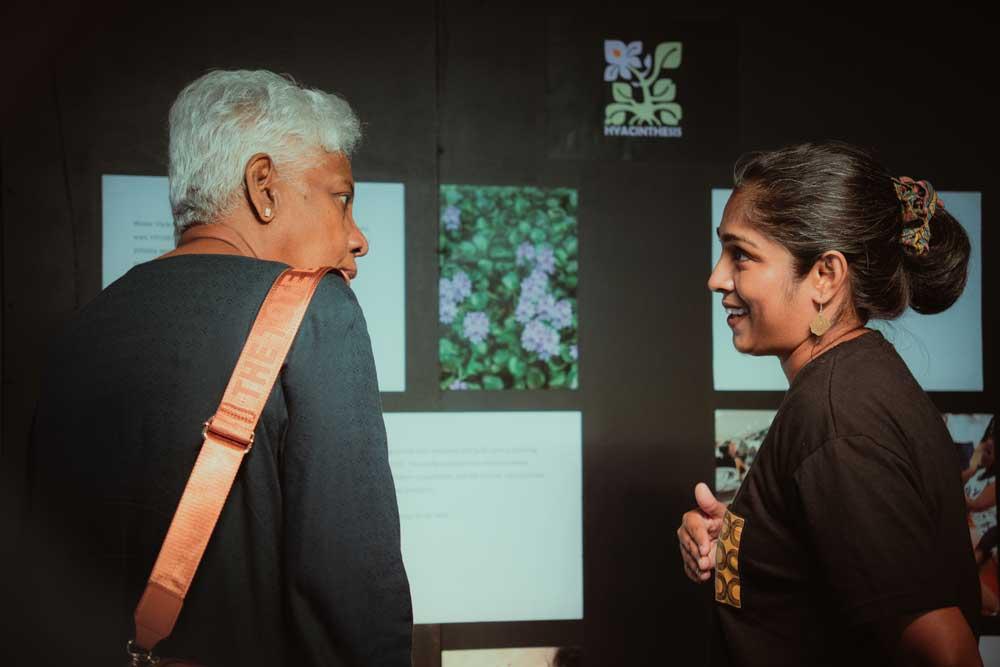
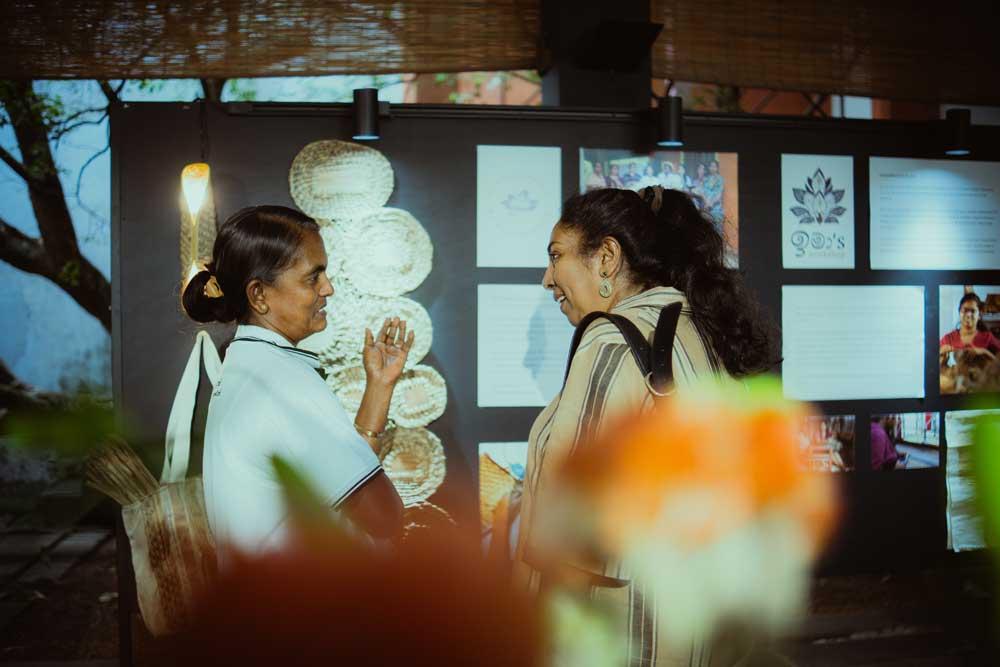
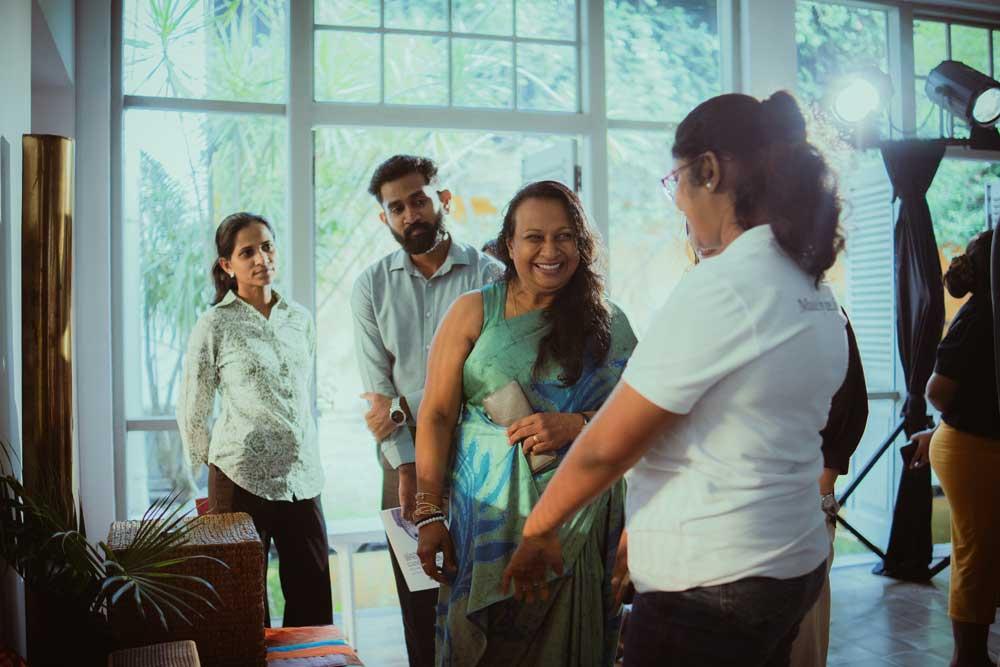
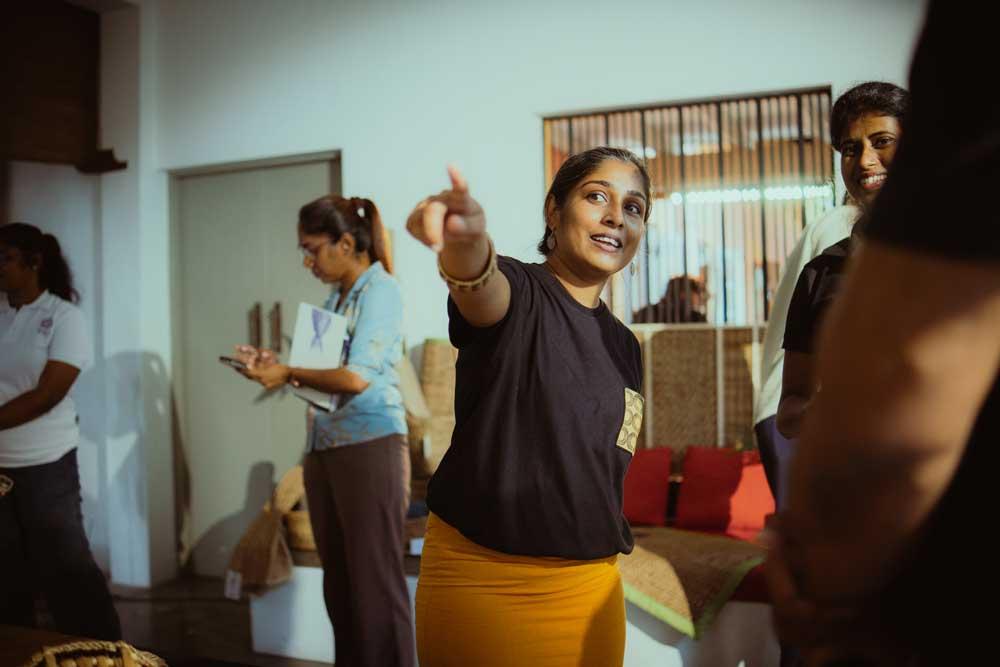
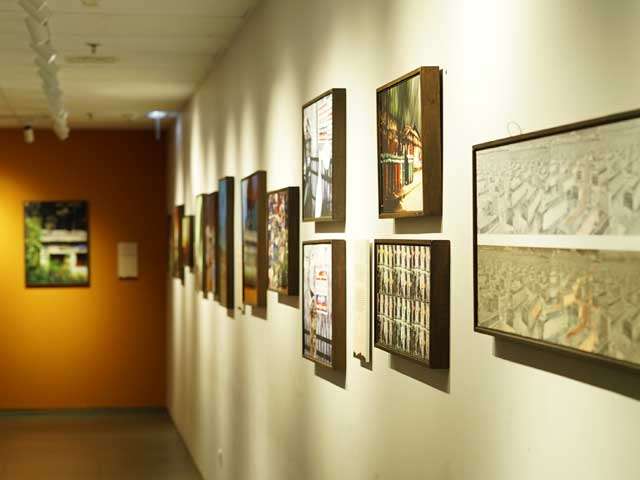
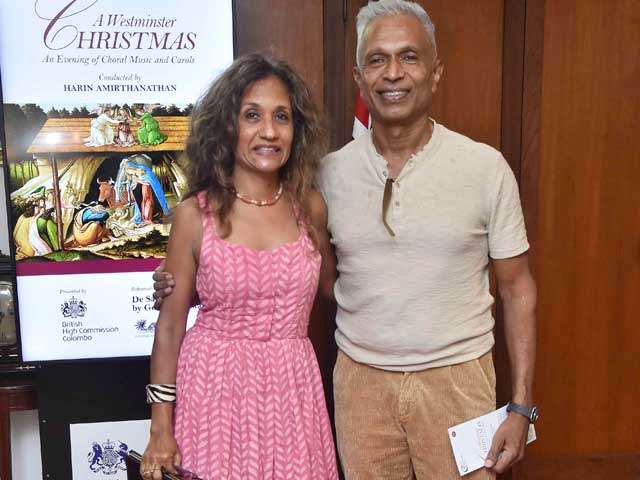
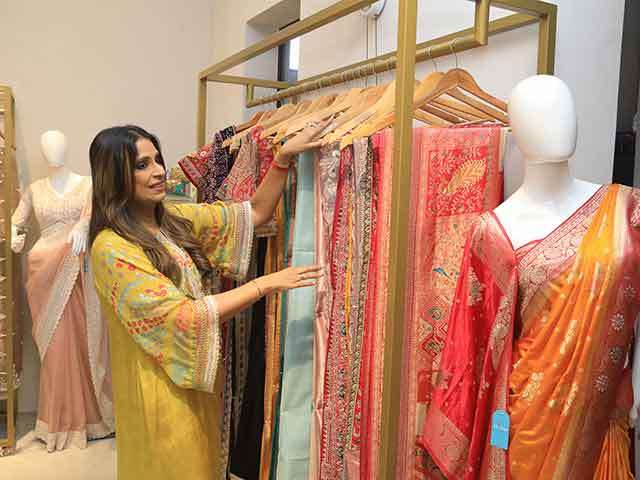
On an eventful Friday afternoon, on the 13th of November 2026, the De Saram House on Ward Place in Colombo transformed into a gallery for one of the country’s most overlooked materials. Government officials, corporate representatives and members of the tourism and hospitality sectors walked through displays of handcrafted products made from water hyacinth, which is more commonly known across the island as an invasive aquatic weed that clogs waterways.
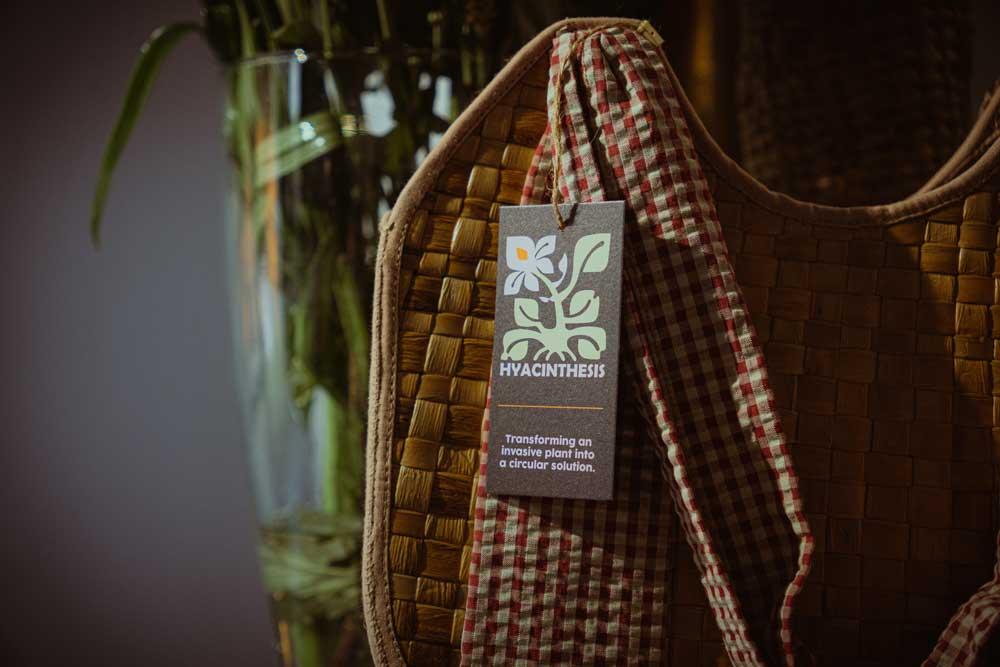
The Hyacinthesis Showcase, led by Lonali Rodrigo, culminated the end of Cohort 1 of the Hyacinthesis Accelerator, a program built on one simple question. Does Sri Lanka have the ability to bring material innovation to water hyacinth and turn an environmental challenge into market-ready products and sustainable incomes?
An Accelerator Built Around Circular Thinking
The Hyacinthesis Accelerator grew out of a scoping study that assessed the environmental impacts of water hyacinth and the market opportunities for products made from it. That research was a fundamental stepping stone to shape a program designed to identify and enable a material that harms ecosystems to become a resource that supports the livelihoods of many.
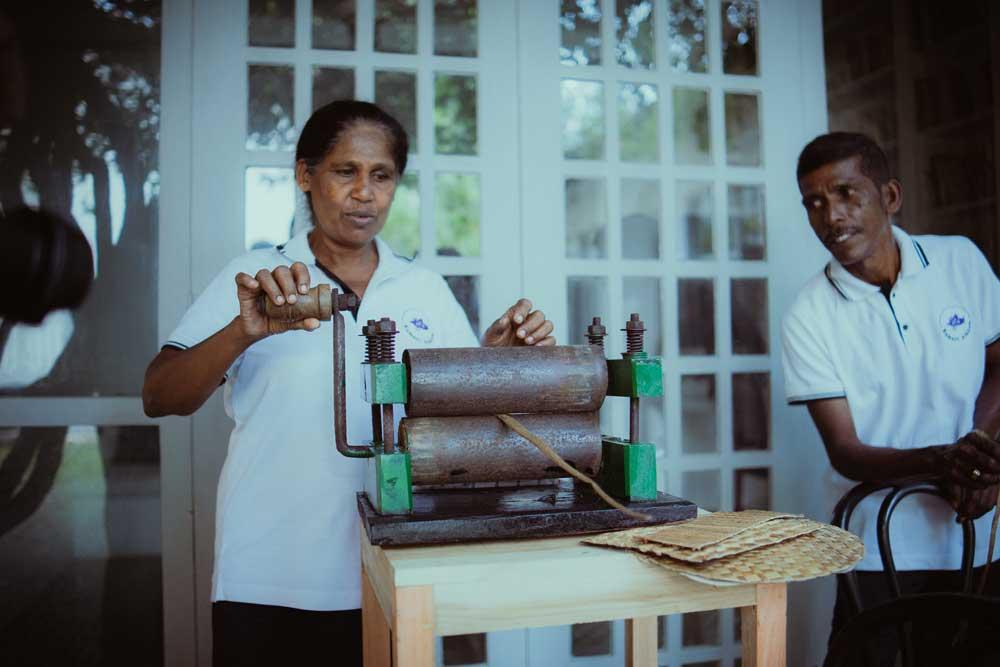
Instead of working in isolation, the accelerator brings together artisans, social enterprises and industry partners to co-create a variety of products. Participants take part in structured learning and design collaboration while also receiving milestone-based financing. Each of the elements is meant to close the gap between traditional crafting skills and the demands of modern markets.
The program, supported by Scott Dunn, The Conservation Collective and the Lanka Environment Fund (LEF), is implemented by The Foundation For A Good Life (Guarantee) Limited (TFGL) in partnership with Good Life X (GLX).
Five Enterprises, Five Corners of the Island
The first cohort was made up of five distinct enterprises from five different areas of the country.
-
Ima’s Workshop, based in Hambantota
-
Sustain U, based in Bandaragama
-
JJ Products, based in Ehetuwewa
-
Kumari Athkam, based in Galgamuwa
-
Weaves by Pradeepa, based in Bingiriya
A Walkthrough of What’s Possible
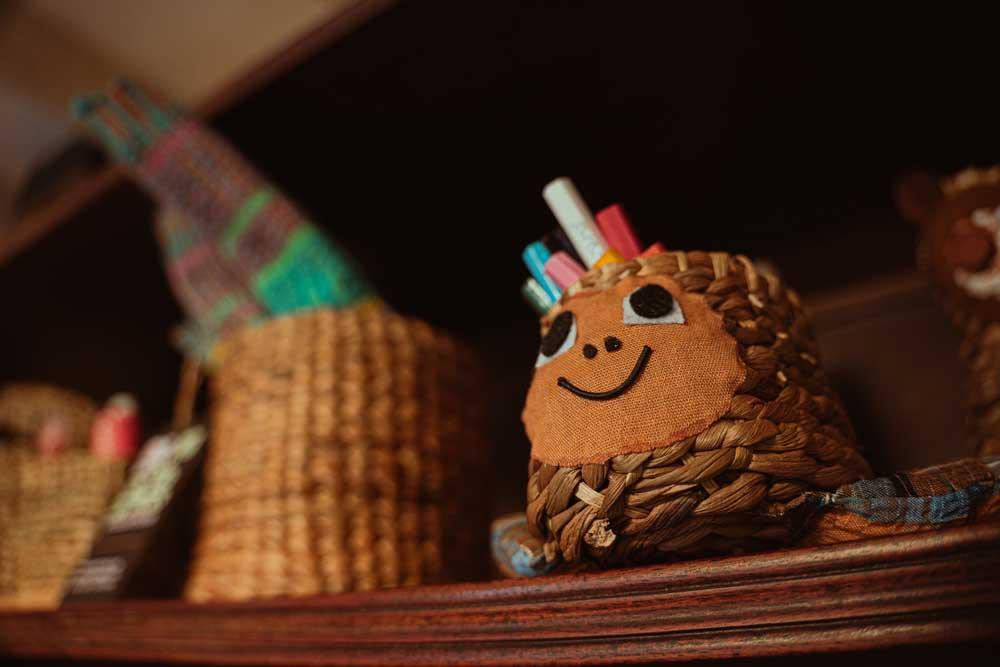
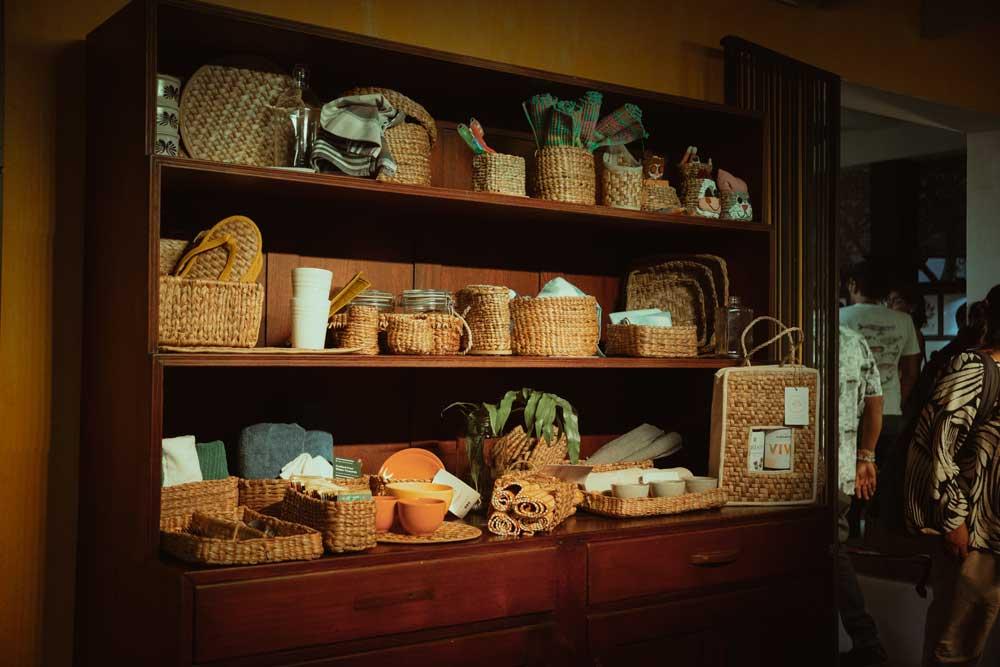
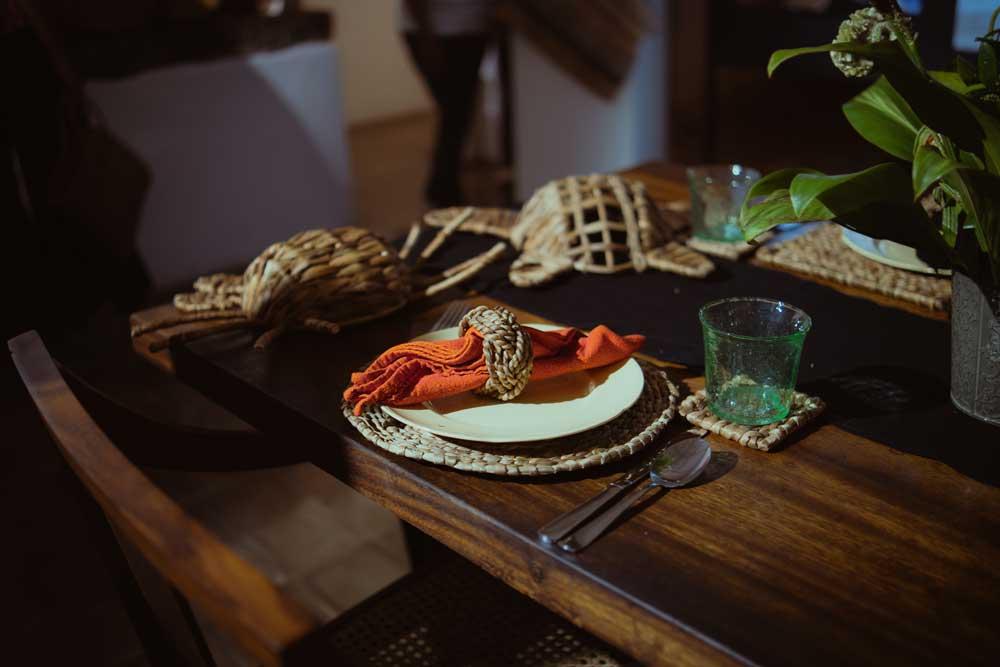
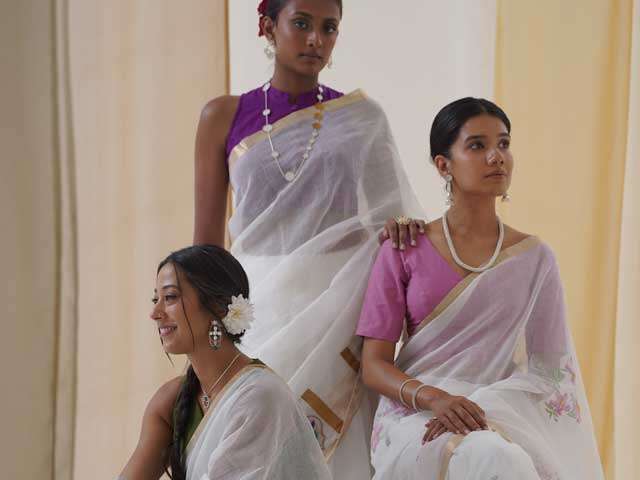
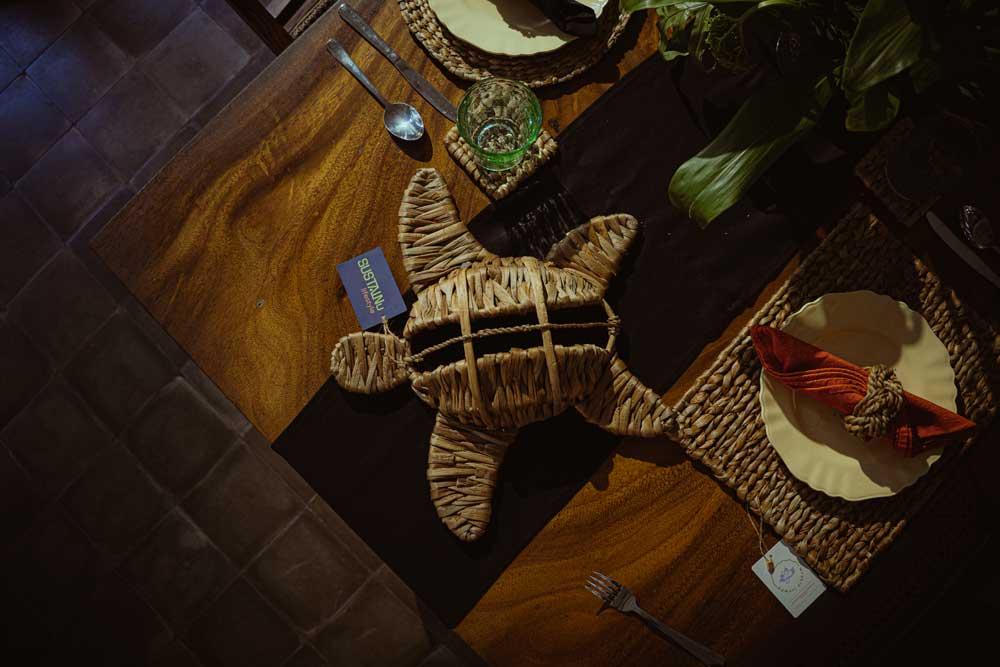
Each of the enterprises presented products that were developed during the program, encompassing homeware, fashion accessories, and interior decorative pieces. The showcase was also arranged as a walk-through, so that each of the guests could see the artisans’ work in a range of settings as opposed to a single display. That range is important. Fashion accessories appeal to consumers who seek more sustainable alternatives, while homeware and interior pieces attract hotels, restaurants, and individuals who value thoughtful design. This is exactly what made the presence of the tourism and hospitality sector truly meaningful.
As visitors seek more authentic, locally made, and environmentally friendly experiences, the handcrafted water hyacinth products offer something beyond their practical use, as each of the pieces that were presented tells an individual story of creativity, craftsmanship, and sustainability through art.
Possibility for a more sustainable future is not solely created through products alone, but also by the people that help make that change. Government officials could help create opportunities for rural businesses, while development organisations offer funding and practical support. Hospitality businesses, meanwhile, can also become customers, partners, and supporters of the artisans and the art they bring to life. Bringing all these diverse groups together gave the cohort the opportunity to connect with potential buyers, explore new partnerships, and form relationships that may help their businesses continue to flourish long after the showcase ended.
From Challenge to Opportunity
The showcase emphasized on how the water hyacinth, which is often seen as an environmental hindrance, can be seen in a different light, as something that is valuable for both people and the planet. This idea lies at the heart of the accelerator. Water hyacinths rapidly grow in freshwater bodies, making them difficult to manage. The program explores how this unwanted plant can be used as a raw material to not only develop useful products but also establish new opportunities.
By removing water hyacinths from waterways, the negative impact on the environment would be reduced, while simultaneously turning the plant into handcrafted products, creating employment opportunities and income for local communities. The products can then be sold in the market, helping businesses grow and support further production.
By connecting the protection of the environment with economic opportunities, the program is a clear demonstration of how caring for the planet can also help people build better livelihoods.
What Comes Next
The cohort’s work did not end at the De Saram House. On the 14th of November, the enterprises made their debut at the Good Market, which gave the public a chance to see and buy these artistic products firsthand. Further pop-ups are planned over the following weeks, ahead of the holiday season, when the demand for gifts, décor and thoughtfully made goods and are at its peak.
There will be a documentary screening on Friday, the 27th of November, at the Goethe Institute, Colombo 07, a market pop-up at the Island Market, held at the Colombo Municipal Council on Saturday, the 28th of November, and another at the People’s Market Christmas on the 5th of December 2026.