The Death of ‘Great Man’ History
By Anargi Jayakody
The Citadel Archives
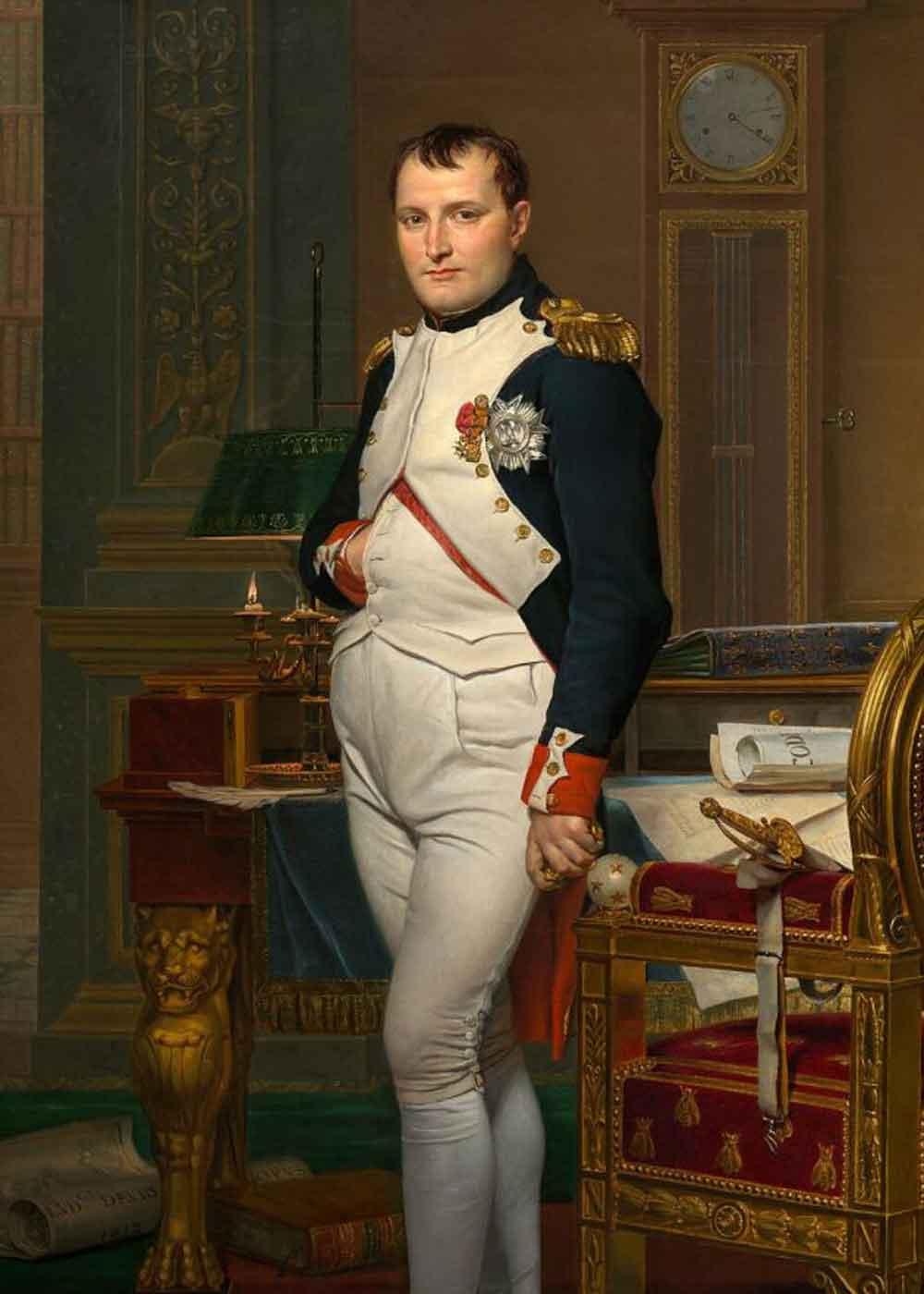
Few assumptions have exercised a greater influence upon the writing of history than the conviction that the trajectory of civilisations is ultimately determined by the actions of exceptional individuals. It is an assumption so deeply embedded within both popular memory and historical literature that it often escapes notice altogether. Open almost any historical work produced before the middle of the twentieth century and a remarkably consistent pattern emerges. Kingdoms rise under capable rulers and decline beneath incompetent ones; empires are forged through the genius of conquerors and collapse through the failures of their successors; religious reform is attributed to visionary prophets, political transformation to gifted statesmen, military triumph to brilliant generals. History, in this conception, is fundamentally biographical. To explain the past is, above all else, to explain the lives of remarkable people.
Such an approach was neither accidental nor intellectually unsophisticated. Indeed, for much of recorded history it represented the dominant philosophy of historical causation itself. Historians were not merely chronicling events; they were asking what forces moved history forward. Their answer, almost universally, was that extraordinary individuals possessed an agency sufficiently powerful to redirect the course of civilisation. The decisions of a ruler, the character of a monarch or the genius of a military commander were regarded not simply as important variables within history, but as history's principal engine.
No historian articulated this tradition more memorably than the nineteenth-century Scottish philosopher Thomas Carlyle. His famous declaration that "the history of the world is but the biography of great men" has become almost synonymous with what historians now describe as Great Man History. Yet Carlyle's observation is frequently misunderstood. He was not simply celebrating famous individuals. Rather, he was advancing a sophisticated theory of historical causation. Heroes, in his view, were not products of their age; they were the architects of it. Civilisations advanced because extraordinary people possessed extraordinary capacities that enabled them to reshape the societies into which they had been born.
Although modern historians often invoke Carlyle as a convenient historiographical foil, dismissing his ideas as relics of Victorian romanticism, doing so obscures an important reality. Carlyle was not inventing a new way of writing history. He was giving voice to a tradition that had already dominated historical thought for more than two millennia.
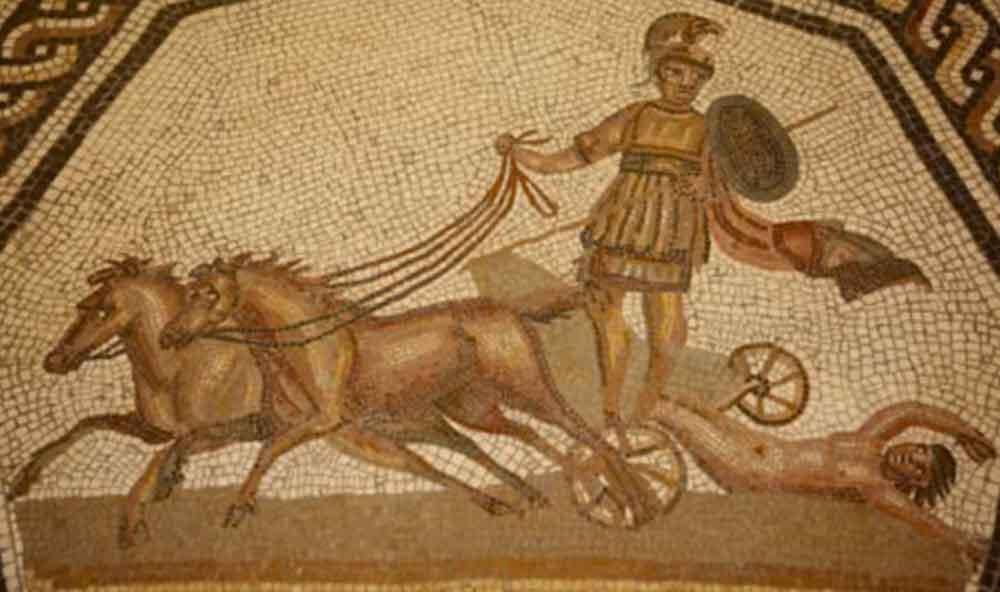
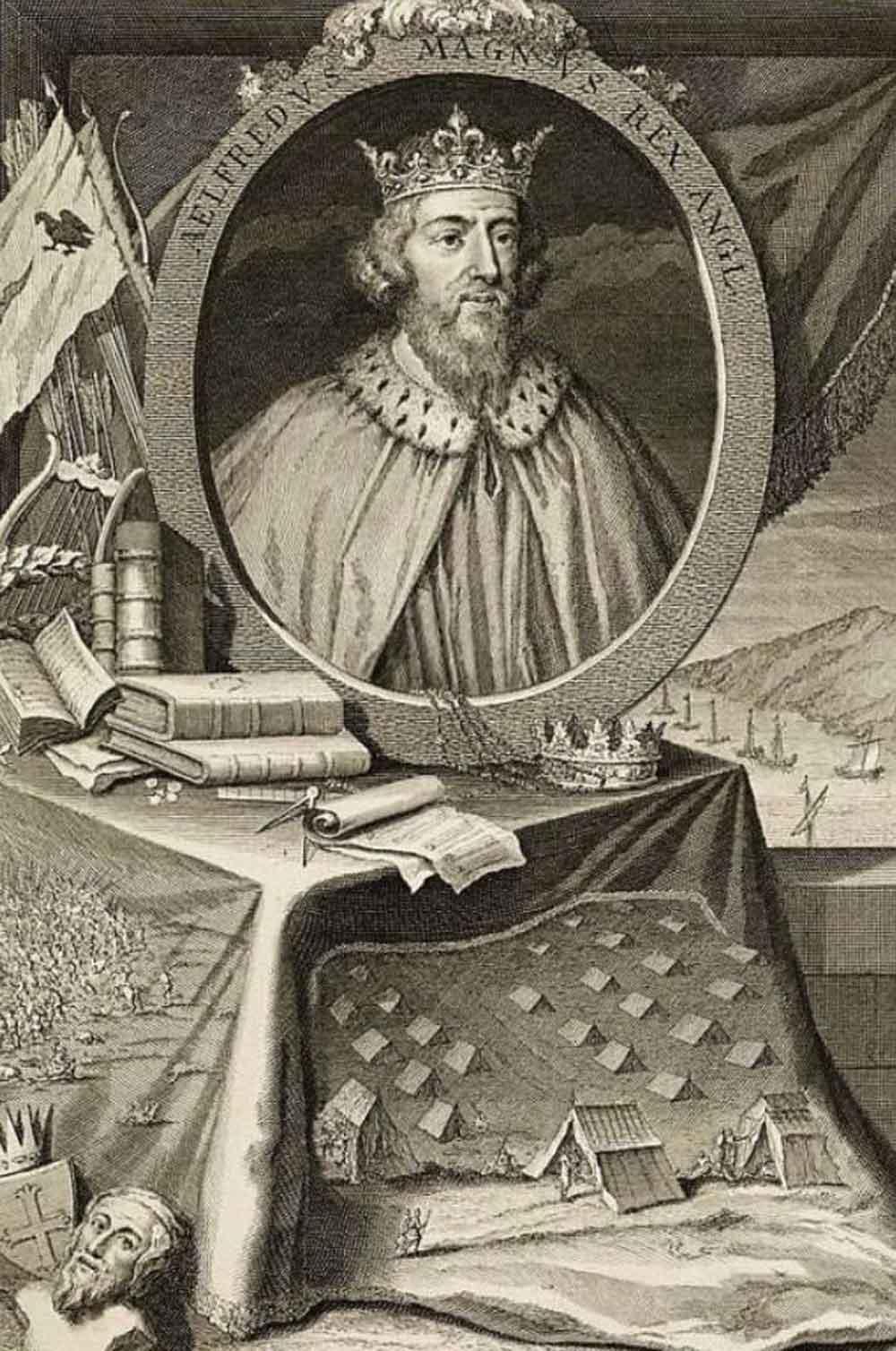
The ancient historians themselves largely shared this instinct. Herodotus organised his narrative around kings and tyrants whose decisions determined the fortunes of Greece and Persia. Livy's history of Rome unfolds through a succession of statesmen, consuls and military leaders whose virtues and failures become moral lessons for later generations. Plutarch abandoned the writing of conventional history altogether in favour of biography, convinced that character itself explained historical change more effectively than battles or institutions. Medieval Europe inherited much the same approach through royal annals, dynastic chronicles and hagiographies that centred political life upon monarchs, emperors and saints. Sri Lanka's own historical tradition was no different. The Mahāvaṃsa and Cūḷavaṃsa narrate the island's past through an unbroken succession of rulers whose moral virtues, religious patronage and political decisions become inseparable from the destiny of the kingdom itself. The reign of Devanampiyatissa is remembered through the arrival of Buddhism; Dutugemunu through the reunification of the island and the restoration of righteous kingship; Parākramabāhu through hydraulic ambition and imperial expansion. In each case, the individual ruler provides the organising principle through which the past itself is rendered intelligible.
Nor should this be dismissed simply as literary convention.
In many respects, it reflected the political realities of the pre-modern world. Medieval kingdoms were intensely personal polities. Sovereignty resided not within constitutions, representative assemblies or impersonal bureaucracies, but in the person of the monarch. Dynastic succession could determine the stability of entire realms. Royal patronage directed monasteries, irrigation systems, taxation, diplomacy and monumental architecture. A king's conversion could alter the religious landscape of a kingdom; his military failures could redraw political frontiers; his patronage could determine which monasteries flourished and which traditions declined. To write the history of Anuradhapura without its kings would therefore be as incomplete as writing the history of Rome without its emperors or the Carolingian Empire without Charlemagne. Individuals genuinely mattered.
Yet acknowledging that rulers exercised immense influence is not quite the same as arguing that they alone explain history.
It was precisely this distinction that transformed historical scholarship during the twentieth century.
Historians did not cease writing about kings. Nor did they suddenly conclude that individuals were irrelevant to historical change. What changed was something far more fundamental. They began questioning the very assumptions that had governed historical explanation for centuries. Rather than asking why Charlemagne conquered western Europe or why Dutugemunu emerged victorious over Elāra, they increasingly asked a prior question: what political, social, economic, religious and environmental conditions made such figures possible in the first place? Why did certain rulers succeed where others failed? Why did particular forms of kingship emerge within one civilisation but not another? What institutions sustained royal authority long after individual monarchs had disappeared? Gradually, the object of historical enquiry shifted. Historians moved from explaining history through individuals to explaining individuals through history.
This represented far more than a change in historical fashion. It amounted to a profound reconfiguration of historical causation itself. The central question was no longer simply who changed history? It became what makes historical change possible? Once that question was asked, entirely new actors entered the historical landscape. Geography, climate, trade, agriculture, disease, demography, religious institutions, systems of belief and collective memory all emerged as legitimate historical forces alongside kings and conquerors. The individual was no longer removed from history, but neither was he permitted to stand above it.
The death of Great Man History, therefore, was never the death of great men.
It was the abandonment of the belief that they alone could explain the past.