The Comeback Effect: Why We Always End Up Loving What We Once Hated
FASHION ROOM BY ANJNA KAUR
Isn’t it funny how fashion has this sneaky way of making us change our minds? One minute we are certain an item is hopelessly outdated, and the next we are hunting for it online, declaring it “underrated.” What we thought was uncool a year ago suddenly feels impossibly chic. It’s not even a conscious decision; it just starts to happen. Somewhere between scrolling through street-style photos and seeing a familiar silhouette reimagined on the runway, our brains quietly click back into curiosity. Before long, we’re falling in love with old trends all over again.
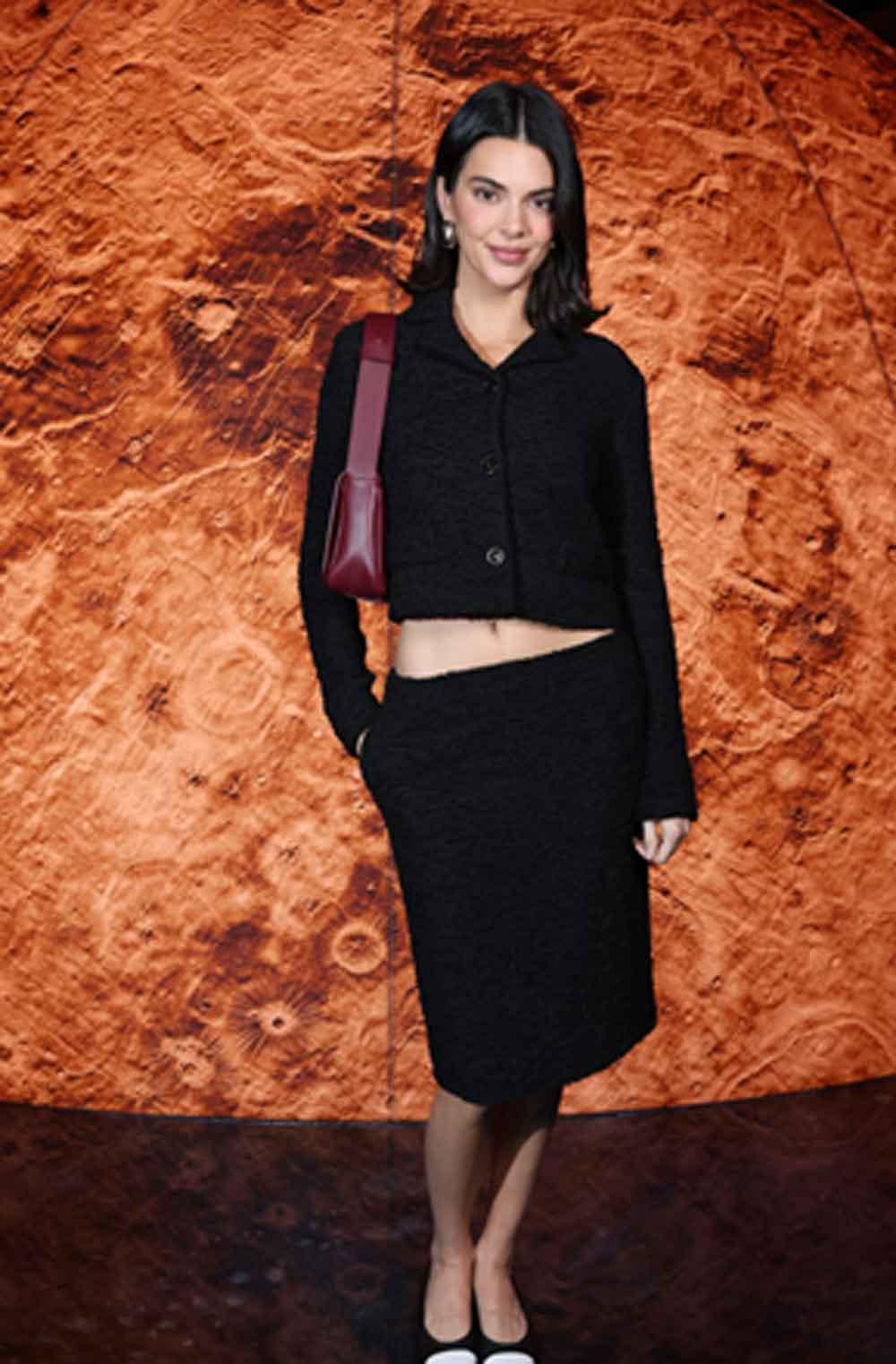
For me, that moment came recently with the pencil skirt. I had not worn one in years. It reminded me too much of office dressing, the kind of stiff, structured look that felt out of place. Pencil skirts belonged to another era: power lunches, boardrooms, and magazines describing women as “girl boss.” I had filed it away mentally as something best left behind. But fashion, of course, thrives on revival. Over the past year, the pencil skirt has been quietly making its comeback, first on runways, then on Instagram, and finally, in my own wardrobe. I began noticing it styled in ways that felt completely different: leather versions paired with cowboy boots, leopard print ones with a kitten heel, denim reinterpretations that felt cool instead of corporate. Bit by bit, without realising it, I stopped seeing the pencil skirt as restrictive and started seeing it as chic. And that’s how it happens, not overnight, but through a subtle, shared shift in perspective. It’s rarely about the clothes themselves; it’s about how they’re reimagined. Fashion’s greatest strength is its ability to recycle ideas through new cultural filters. A trend dies not because people stop liking it, but because it becomes too familiar.
The moment something feels “mainstream”, we crave its opposite. Once it’s gone long enough for us to forget our fatigue, its return feels fresh, a nostalgic nod dressed in novelty. Psychologists might call this the “mere exposure effect”: the more we are exposed to something, the more we start to like it, even if we didn’t at first. It’s the reason we catch ourselves humming along to a song we swore we hated the first time we heard it. In fashion, the same rule applies. We see a once-hated-upon trend enough times in flattering lighting, worn by confident people, and slowly our mental associations shift. That “ugly” item becomes aspirational again.
Trend cycles have also accelerated dramatically in the social media era. What once took five to ten years to fall out of fashion and return now happens in mere seasons. TikTok in particular has sped up this process, turning once-forgotten items, ballet flats, flared jeans, even chunky belts, into viral obsessions overnight. It is no longer just designers dictating fashion cycles; it’s millions of people rediscovering, remixing, and re-sharing past trends in real time. In that sense, we’re all co-conspirators in this constant evolution. We collectively decide what looks new by rediscovering what had gone out of style. Think about how quickly we’ve cycled through aesthetics: from minimalist neutrals to Y2K sparkle, from clean Scandi lines to chaotic layering, then right back again to quiet luxury. Each swing of the pendulum makes the opposite extreme feel refreshing. It’s fashion’s version of breathing, exhale one look, inhale another.
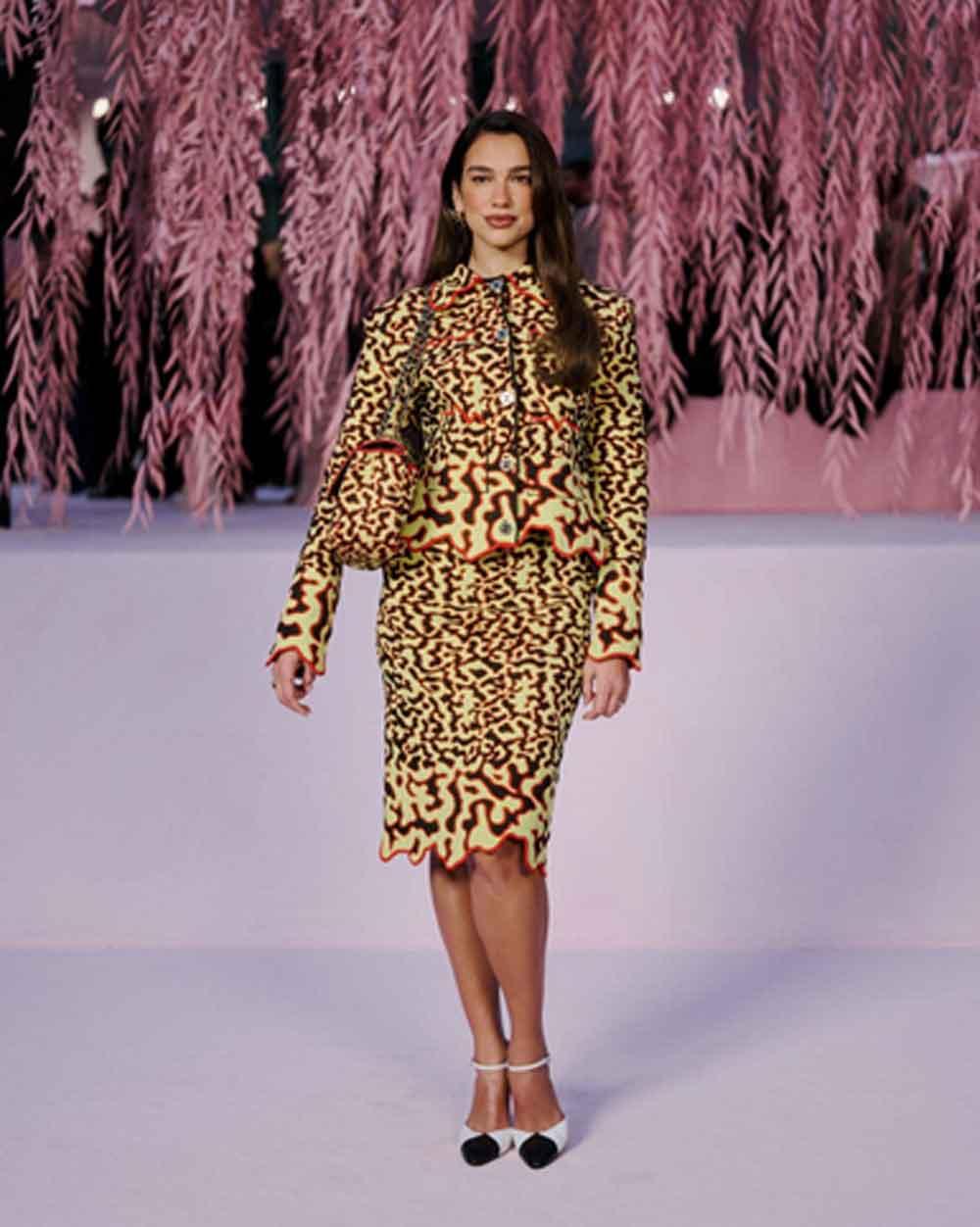
There’s also a comfort in these returns. Fashion’s nostalgia isn’t just about style; it’s emotional. When we revisit old trends, we’re often revisiting old versions of ourselves. It reminds me of when I was younger, watching my favourite celebrities strut around in pencil skirts and thinking that kind of confidence was miles away. Now, in my early twenties, I’m the one slipping one on, and it feels just as powerful as it looked back then. Designers understand this emotional pull. Every few years, we see familiar shapes, the slip dress, the low-slung jean, the oversized blazer, revived not because designers have run out of ideas, but because they know how powerfully memory and novelty intertwine. When Miu Miu brought back ultra-short miniskirts, it wasn’t simply for shock value; it was a reinterpretation of youthful rebellion, now seen through an adult lens. The piece itself didn’t change, but our relationship with it did.
The pencil skirt’s current comeback also reflects a larger shift toward balance in fashion. After years of comfort-first dressing, sweatpants, oversized everything, sneakers with every outfit, people are craving refinement again. Structure feels elegant. Tailoring feels like intention. Still, no one wants to abandon comfort entirely. That’s why modern takes on structured garments come with slits, stretchy fabrics, or unconventional pairings that soften their edges. The new pencil skirt isn’t about boardroom polish; it’s about creative versatility. When I wear one now, it’s no longer tied to office life or formality. It’s something I choose for myself, an expression of contrast. A black pencil skirt with a grey bodysuit. It feels effortless because it’s not trying to follow rules. And maybe that’s the quiet secret of fashion comebacks: they only work when we stop taking them too seriously.
We laugh at our old outfits, but the truth is, each trend we’ve ever worn becomes part of our personal archive. Every comeback piece carries the energy of its past life, reinvented for wherever we are now. Maybe that’s why the things we once rejected become so magnetic, they are familiar enough to feel safe but different enough to feel new. Fashion is cyclical not just because designers decide it is, but because we are cyclical. We evolve, change, and then circle back to old favourite with new eyes. That rhythm mirrors life itself, constant reinvention built from repetition. The trends that resurface are proof that taste isn’t static; it’s layered, lived-in, and full of contradictions.
So now, when I see a “comeback” trend, I no longer resist it. If something I once disliked starts calling to me again, I follow that instinct. Fashion is not about being consistent; it’s about being curious. Maybe the very thing I roll my eyes at today, kitten heels, statement belts, or dare I say, skinny jeans, will soon become my next obsession. If history tells us anything, that’s not just possible; it’s practically inevitable. After all, isn’t that the beauty of fashion? It lets us rediscover ourselves in cycles, always surprising, always repeating, always evolving. The next time you find yourself reaching for something you thought you’d outgrown, smile at the irony. You’re not going backward; you’re reinterpreting your past through who you’ve become. Because the truth is, nothing ever really goes out of style, it just waits for us to catch up again.