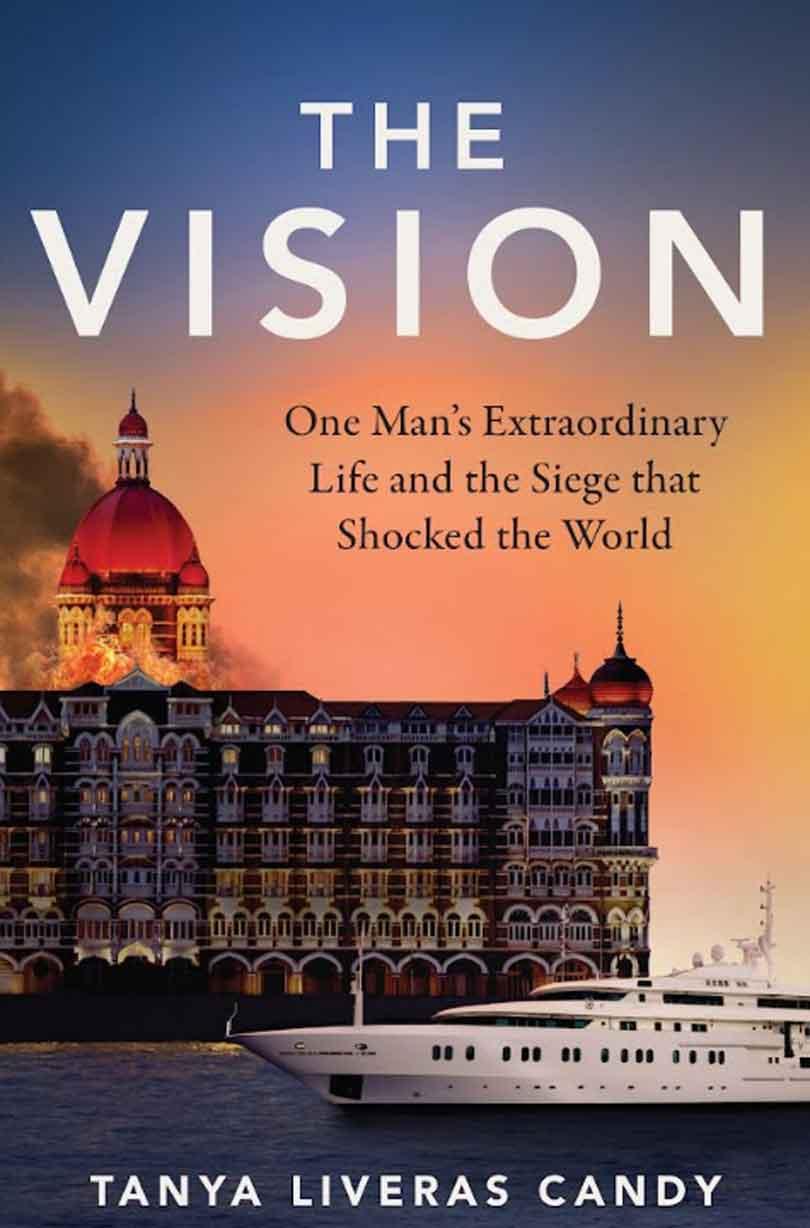
The Vision Book Cover
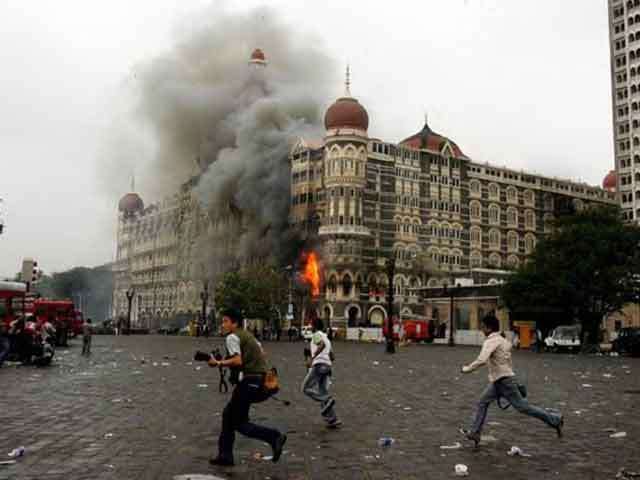
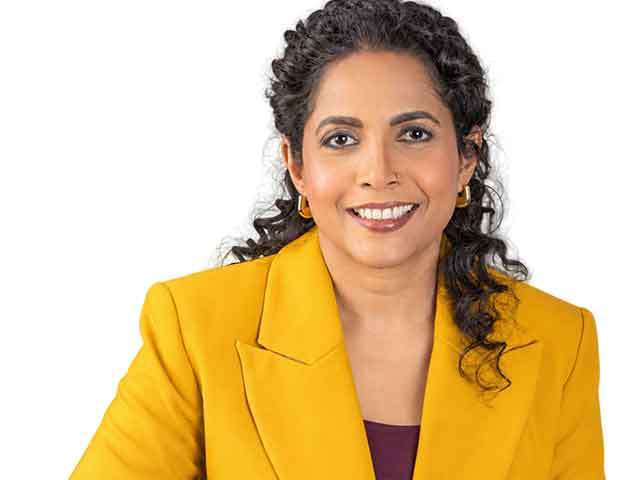
Tanya and I met for chai at Feya London in Marylebone on a crisp autumn morning, and it turned out to be one of those conversations that left a lasting impression on me. Beautifully dressed, effortlessly elegant and exuding an unmistakable aura of kindness, Tanya was the quintessential Chelsea girl. Yet behind her graceful demeanour was an extraordinary story of love, loss, resilience and an enduring family legacy. Her grandfather, Andreas Liveras, was a Cyprus-born, self-made multimillionaire who rose from humble beginnings to build a successful business empire in Britain before establishing himself as a formidable name in the glamorous world of luxury superyachts. Tragically, his remarkable journey was cut short when he was killed during the 2008 Mumbai terrorist attacks at the Taj Mahal Palace Hotel. Eighteen years later, Tanya is determined to tell the story of the man behind the headlines. Through her book, ‘The Vision,’ she offers an intimate portrait of a grandfather whose ambition, generosity and extraordinary zest for life continue to inspire her.
Tanya, before the world came to know Andreas Liveras as a successful businessman and a larger-than-life personality, he was simply your grandfather. What was he like behind closed doors, away from the glamour and success, and what are some of your most treasured memories of him?
My grandfather took me to some beautiful charity events in Monaco and London, including some he helped support himself. I loved getting dressed up for them. As I got older, I began to appreciate what those events made possible for the charities behind them. Seeing him give his support was part of what made me want to get involved in charity work myself. I went along to some of his work meetings, too. I loved hearing him talk about what he was working on and what he wanted to do next. It gave me a glimpse of how much he enjoyed having an idea and seeing what he could make of it. And then there were the afternoons we spent planting orange trees in the garden at his house in Mougins, in the south of France. He loved gardening, and I loved being out there with him. He was one of the most important people in my life. I feel very lucky that he took me to the places he did, but if I could have one more afternoon with him, I’d ask him to take me out into the garden.
Your grandfather’s journey was nothing short of extraordinary. From humble beginnings in Cyprus to establishing himself as a highly successful entrepreneur in Britain and Monaco, he truly embodied the spirit of a self-made man. What do you believe gave him that remarkable drive and determination to succeed?
He came to England from Cyprus with very little and a determination to make a living. He got a job as a driver for a patisserie on Gloucester Road. In time, he bought the very business he’d driven for and began to expand it. I think that tells you a lot about him. He wanted to succeed, and he was curious about what he could make of the opportunities in front of him. I think he took real pleasure in working out how to make something happen. You can see that in the leap he made into superyachts. By then, he’d already built a successful business. He could see what the world of superyachts might become, and he wanted to have a hand in shaping it.
Andreas built his fortune in the food industry before reinventing himself in the glamorous world of luxury superyachts. It takes tremendous courage to walk away from something familiar and embrace an entirely new industry. What did his journey teach you about ambition, taking risks and believing in your vision?
He’d sold the bakery business and retired by the time he decided to go into superyachts. That’s what I find so interesting about the decision. He’d already built a successful business and could have enjoyed himself in retirement. But he could see what superyachts might become, and the idea excited him enough to start again in a world he was still getting to know. He taught me that ambition can come from the sheer pleasure of imagining what you could do next. I thought about that while writing ‘The Vision.’ I wanted to tell the story of his life alongside the account of his final hours in Mumbai. By the time he walks into the Taj for dinner, I wanted readers to feel they knew him and could picture the evening he expected to have. I knew that was the book I wanted to write. What I took from him was the conviction to follow that idea through and give it the years it needed.
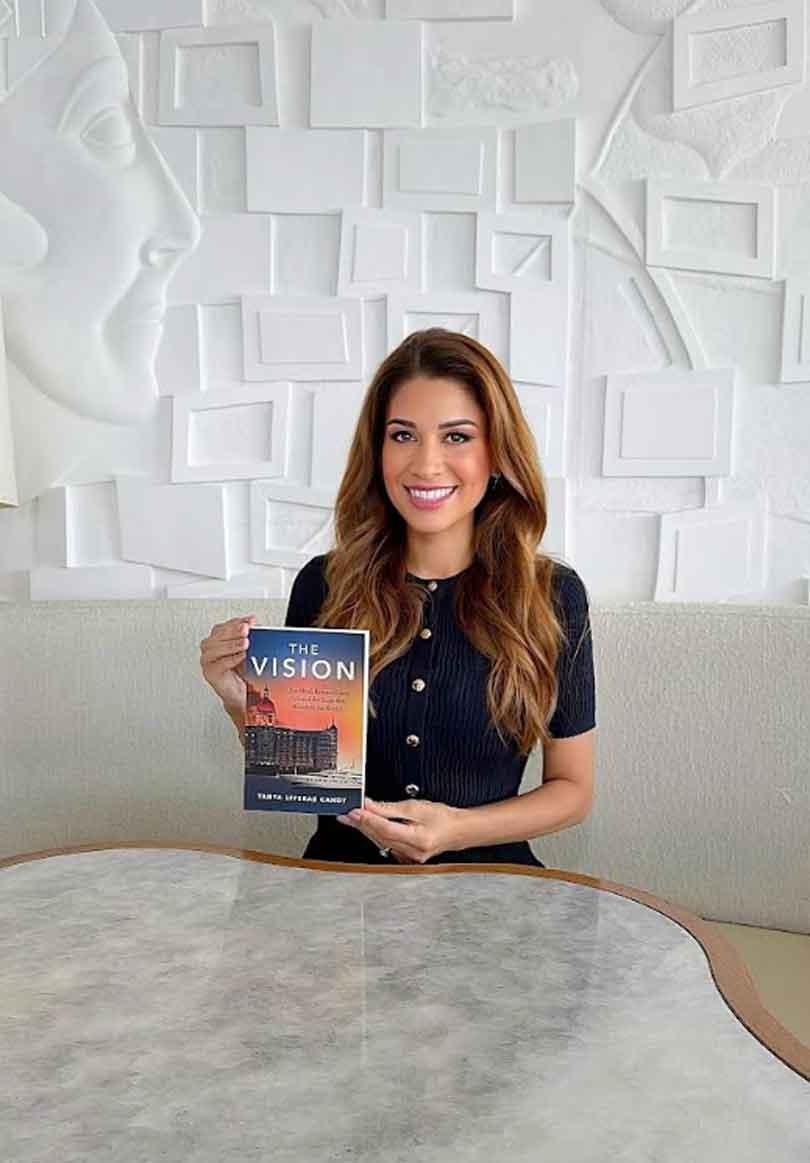
Tanya with book
One of the most haunting aspects of your grandfather’s story is the reported premonition he had about his own death. It is an extraordinary detail, particularly given the circumstances in which he eventually lost his life. When did you first discover this, and how did it change your understanding of him?
He told me himself. We were at church for my grandmother’s memorial service, and for years I’d more or less forgotten the conversation. Then, while I was researching the book, a couple of family members mentioned it. I remember thinking, quite suddenly, “He told me that, too,” and suddenly I could picture us back at church. Hearing about it again changed the way I understood that moment between us. At the time, it was a conversation I barely thought about afterwards. After Mumbai, I found myself going back over what he’d said and hearing it differently. It made that memory more poignant. He had such a joie de vivre and revisiting that conversation made me appreciate all the more how wholeheartedly he lived.
Sometimes it is the simplest, most ordinary moments with the people we love that become our most precious memories. Looking back, was there a particular piece of advice, a conversation or perhaps a special tradition with your grandfather that has remained with you?
We used to have cooking competitions. We would each make the same dish, usually a roast, and get the family to taste both and pick a favourite without knowing who’d cooked what. He loved cooking and took the competition every bit as seriously as I did. I still smile when I think of the two of us waiting to hear whose dish they’d picked.
November 26, 2008, is a date forever etched in history. The terrorist attacks in Mumbai shocked the world, but for your family, the horror unfolding on television was deeply personal. Take us back to that evening. Where were you when you first heard the news, and how did you discover your grandfather was trapped inside the Taj Mahal Palace Hotel?
I was Christmas shopping with my mother when my father phoned her and told us to come home. When we walked in, he was watching the news with his phone still in his hand. He’d just spoken to my grandfather inside the Taj.
That’s the image I’ve kept from that evening. We could see the hotel on television, and my father had just heard my grandfather’s voice from inside it.
Your grandfather was inside the Taj Mahal Palace Hotel when the terrorists struck. Through your extensive research for ‘The Vision,’ you have attempted to reconstruct those terrifying final hours. What have you been able to piece together, and what was the most difficult truth to confront during that process?
One of the hardest things to learn was that, for several hours before he was killed, the attackers were not in the part of the hotel where he and the others were hiding. With hindsight, there may have been a chance for them to get out. From where they were, they had no way of knowing that. As his granddaughter, I found myself going back over those hours and thinking about what might have happened differently. In, The Vision, I bring together the accounts that helped me understand what they knew at the time and the decisions they had to make.

The Mumbai attacks claimed 166 innocent lives, leaving families across the world devastated. Yet behind every headline and every statistic was a family trying to comprehend an unimaginable loss. How did your family cope with losing someone who had been such a central and influential presence in your lives?
We got through those first days by leaning on each other and grieving in private. My mother had lost her father, and he had been a father figure to my father, too. His face was suddenly all over the news, and reporters were knocking on our door in the middle of the night. We were still trying to take it in. Being together gave us a little space to do that.
Perhaps one of the most heartbreaking aspects of this tragedy is that your grandfather was able to communicate with his family while the siege was unfolding. What do you remember about those final conversations and messages, and what do they reveal about his state of mind during those frightening hours?
At first, we spoke to him on the phone and exchanged texts. He told us what was happening where he was, and we passed on what we were hearing on the news. As the hours passed, his messages became less frequent, and we had no new updates to give him. He told us they were locked in and were no longer being given any information. By then, he said, the lights had been switched off where they were, and they were sitting in the dark. At the time, the news was reporting that the attackers were looking for British and American citizens. He told my mother he’d put his passport in his sock to keep it hidden. He also told her that if anything happened to him, it would help identify him. That detail has stayed with me. He was such a full-of-life person, and I recognise him in the way he was still thinking practically, even then. But hearing what he said to my mother, you could tell he was growing more worried. He’d begun to think about the possibility that he might not make it out.
Nearly eighteen years have passed since the Mumbai attacks, yet the memories remain painfully vivid for those who lost loved ones. Do you believe the world has learned the right lessons from that tragedy, or are there important aspects of what happened that we risk forgetting as time passes?
For me, one of the things worth remembering is the humanity people showed one another that night. You hear it in the stories of the Taj staff who helped guests, and in the accounts of people trapped inside who looked out for one another, even when they were frightened themselves.
That’s what stayed with me while I was writing the book. Nearly 18 years on, I hope we remember the people who lost their lives and the quiet acts of kindness that helped others get through that night.
Your book, The Vision, is clearly much more than a biography. It is an intensely personal journey into your grandfather’s life, his extraordinary achievements and the circumstances surrounding his death. What ultimately inspired you to undertake this project, and was there a defining moment when you knew his story needed to be told?
It began eight years ago, when my twins were born at 25 weeks. My daughter, Grace, died, and my son, Jonas, spent 100 days in neonatal intensive care. Grace’s death and my grandfather’s death were very different, but I recognised something in both of them. They were sudden losses, and each time, there was the shock of having to take in how much had changed in a single moment. People wanted to be there for us, but it was hard for them to know how. It was hard for me to put into words what I needed, too. I started writing privately about my grief, and I found myself writing about my grandfather. That was when I realised how many questions I still had about the night, he died. As I spoke to survivors, victims’ families and the authorities, I began to piece together what happened in the Chambers at the Taj. The more I understood about that night, the more certain I became that I wanted to tell the story. At the same time, I was discovering who he’d been as a young man, long before I knew him as my grandfather. I wanted to understand the choices he’d made and what he’d imagined for himself when he was just starting out. That was when it became clear to me what the book could be. I wanted readers to understand what happened to him in Mumbai and to meet the man behind the headlines.
The title ‘The Vision’ is particularly intriguing, especially given your grandfather’s extraordinary entrepreneurial foresight and the premonitions he reportedly experienced. What does the title mean to you personally? Is it a reflection of his ambition, his intuition, or perhaps something far more profound?
It holds both meanings for me. There’s the future he could picture for himself when he was building a business, and there’s the very different future he spoke to me about at church. I liked that the same word could belong to both parts of the story. You might begin the book thinking about how much of your life you can shape by deciding what you want to do with it. By the end, I hope you’re also thinking about the plans we all make for tomorrow, and how much we take for granted when we make them.
Researching this book was clearly an enormous undertaking. You interviewed more than 50 survivors and witnesses, each carrying their own memories of that devastating night. Was there a particular conversation, revelation or unexpected discovery that fundamentally changed your understanding of what happened in Mumbai?
The biggest revelation was how much a detail could change when I heard what someone else had experienced just before or just after it. A person would mention something in passing that I recognised from an earlier conversation, and suddenly I’d understand a little more about what both people had lived through. I’d started with a question about my grandfather. The more I listened, the more I understood how much I needed to learn about the people around him. They each remembered the night from where they’d been, and sometimes a detail that seemed quite small to one person helped me understand something I’d been trying to make sense of for years.
I wanted the reader to experience some of that as the accounts come together in the book.
Writing about the violent death of someone you loved so deeply must have been an emotionally exhausting experience. There is a difference between remembering a tragedy and painstakingly reconstructing it through eyewitness accounts and research. Were there moments when it became overwhelming, and how did you find the strength to continue?
There were days when I could work through the research quite steadily, and others when a small detail would catch me off guard. On those days, I’d set the Mumbai chapter aside and work on another part of the book. I could spend the afternoon writing about him as a young man in Cyprus, falling in love or building his first business. There was a great deal of joy in writing those chapters, and I could come back to the Mumbai research when I felt ready.
We often discover new dimensions of the people we love through the memories of others. During your research, did you uncover anything about your grandfather, perhaps an unexpected act of generosity, a personal story or a side of his character that surprised even you?
I knew he supported charities because I’d seen that growing up. What I discovered through the interviews was how personally involved he could be when someone needed him. People remembered him giving them a chance at work or being there when things were difficult at home. What surprised me was how often they remembered what he’d done afterwards. He’d ask how they were getting on and keep taking an interest. Years later, people still wanted to tell me what that had meant to them. I’d known how generous he could be with his time as a grandfather. It was lovely to discover how many other people had known that side of him, too.
You come from a family whose name is synonymous with remarkable entrepreneurial success, determination and achievement. Such a legacy can be both a privilege and a responsibility. Has carrying the Liveras name ever felt like a weight of expectation, and how have you navigated the journey of establishing your own identity and purpose?
What I feel most strongly is pride. I’m proud to carry the Liveras name, and I recognise some of my grandfather’s qualities in myself. He could imagine possibilities other people might overlook, and once an idea took hold of him, he had the determination to find out how far he could take it. I recognise that instinct in the way I’ve gone about things in my own life. Writing ‘The Vision’ is probably the clearest example. It began with questions I wanted to answer, and as I followed them, I began to see the book I wanted to write. I could feel his influence in the way I pursued it, and there was real pleasure in finding my own voice as I told his story.
Writing ‘The Vision’ has meant revisiting your family’s grief while simultaneously celebrating the extraordinary life your grandfather lived. Has this deeply personal process changed the way you understand loss, forgiveness and the idea of closure? Do you believe we ever truly find closure after losing someone we love?
Yes. I think I understand closure differently now. Finding answers about Mumbai gave me some peace, and hearing people tell stories about him brought me a great deal of joy. I still miss him, of course. But I have more ways to talk about him now, and I love that I can tell my children stories about him that I only discovered while writing the book. For me, that’s been a lovely way of carrying him forward.
Your grandfather’s life was defined by ambition, resilience and an extraordinary ability to reinvent himself. He never appeared to be someone who allowed circumstances to dictate the limits of his dreams. Of those qualities, which do you recognise most strongly in yourself, and how have they influenced your own journey?
I would say resilience. I am quite determined. If I come up against a setback, I’ll usually look for another way forward. I think I get that from him. Writing ‘The Vision’ took years, and that determination helped me see it through.
If, just for a moment, you could imagine your grandfather sitting across from you today, holding a copy of ‘The Vision’ and reading the story of his life through your eyes, what do you think his reaction would be? And what is the one thing you would most want to tell him?
I think he’d be happy I’d written it. I can imagine him looking up from the book and asking, “Who’s reading it? What did they make of it?” He’d love to hear that someone had read it and finally had a go at something they’d been thinking about for years. He took a genuine interest in what people went on to do. I’d tell him, “You’d love to know what people did after you gave them a chance.” I got to hear those stories while writing the book, and I wish I could tell him every one of them. I’d love there to be a few more stories like that because someone picked up the book, years after he was gone.
Finally, Tanya, your grandfather lived a remarkable life, one that began with humble beginnings in Cyprus and took him into a world of extraordinary success, before ending in circumstances no family could ever have imagined. When someone turns the final page of ‘The Vision,’ what do you most want them to take away about Andreas Liveras, the victims of Mumbai and, ultimately, the way we choose to live our own lives?
I hope readers feel they’ve met the man behind the headlines and understand what made him dream as big as he did. He came to England from Cyprus, worked as a driver, built a successful bakery business and, after selling it, chose to start again in superyachts. It’s easy to see the choices that worked out and forget how much he stood to lose when he made them. What I admire is that he took his own ideas seriously enough to act on them, even when the outcome was uncertain. When readers get to Mumbai, I want them to understand as clearly as possible what happened in those rooms that night. I hope they’ll think about the people who lost their lives, the people who looked after one another and the families whose lives were changed in ways they’re still living with today. And I’d love readers to come away feeling a little bolder about what they can do with the time they have. If there’s something you’ve always wanted to do, take the first step you can take now. And as you build the life you want, make time for the people you want to share it with.