From Ballgowns to T-Shirts: What Happened to Everyday Fashion?
If you’ve been online lately, period drama is everywhere. Bridgerton season 4 and the 2026 Wuthering Heights adaptation are impossible to miss. From bathtubs and masquerades to skin rooms and fish’s mouths, the moments are equal parts absurd and unforgettable.
The show feels like a step up from the last season, while the movie takes so many liberties it leaves devoted readers - especially the senior citizens who know the book by heart - completely stunned. It’s chaotic, mischievous, impossible to ignore, and even casual viewers find themselves sucked in, wondering how anyone survives these tangled webs of scandal, heartbreak, and shouting matches. And yet, behind the drama, these worlds hint at something bigger - a sense of presence, and attention paid to every gesture and layer. The textures, silhouettes, and movement suggest a time when getting dressed really mattered. The drama, the sighs, and yes, the style, tease the imagination without giving too much away, leaving you curious about what it might have meant to live in such worlds.
Brooding Moors, Gloves, and Ballrooms
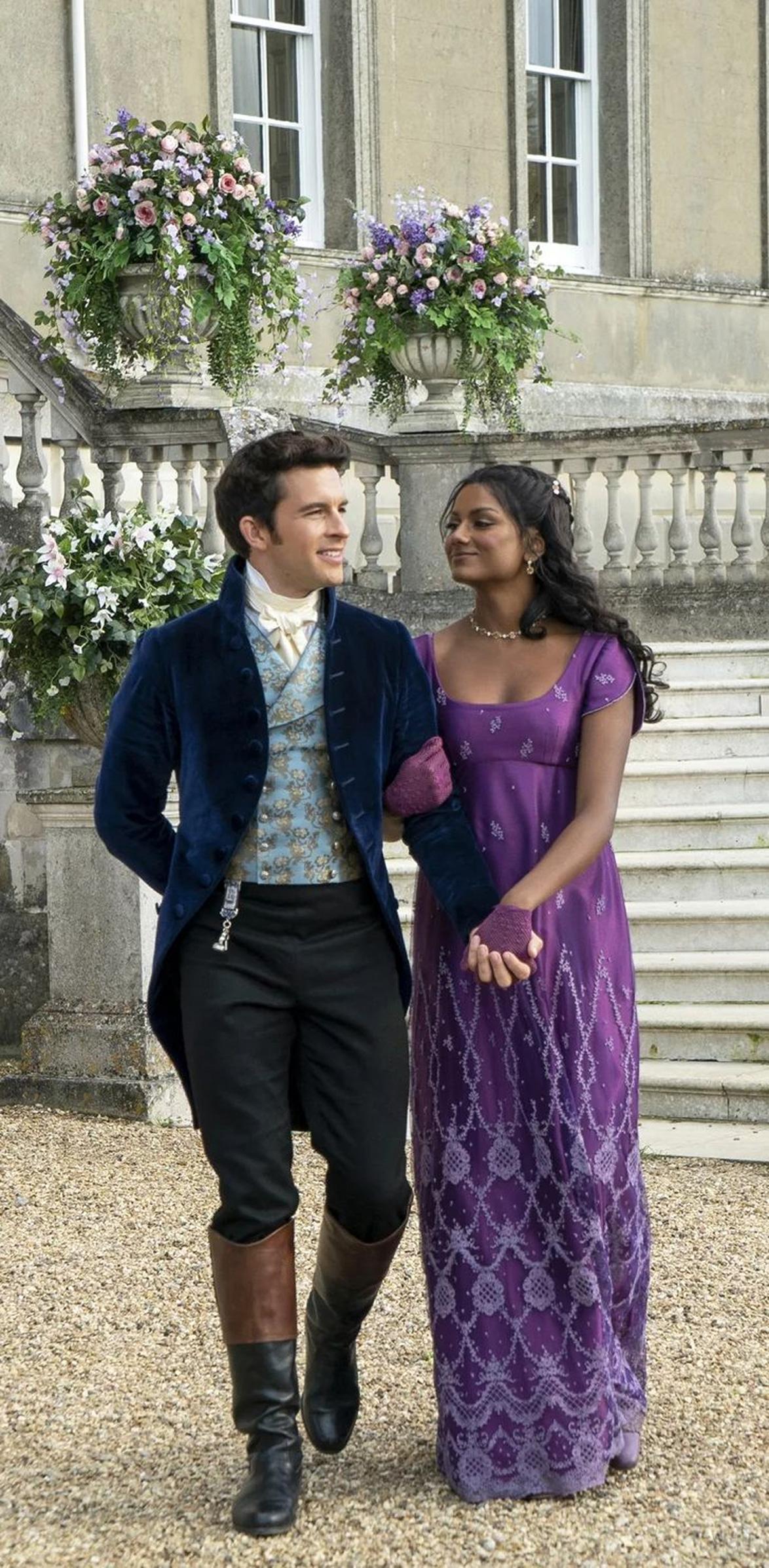
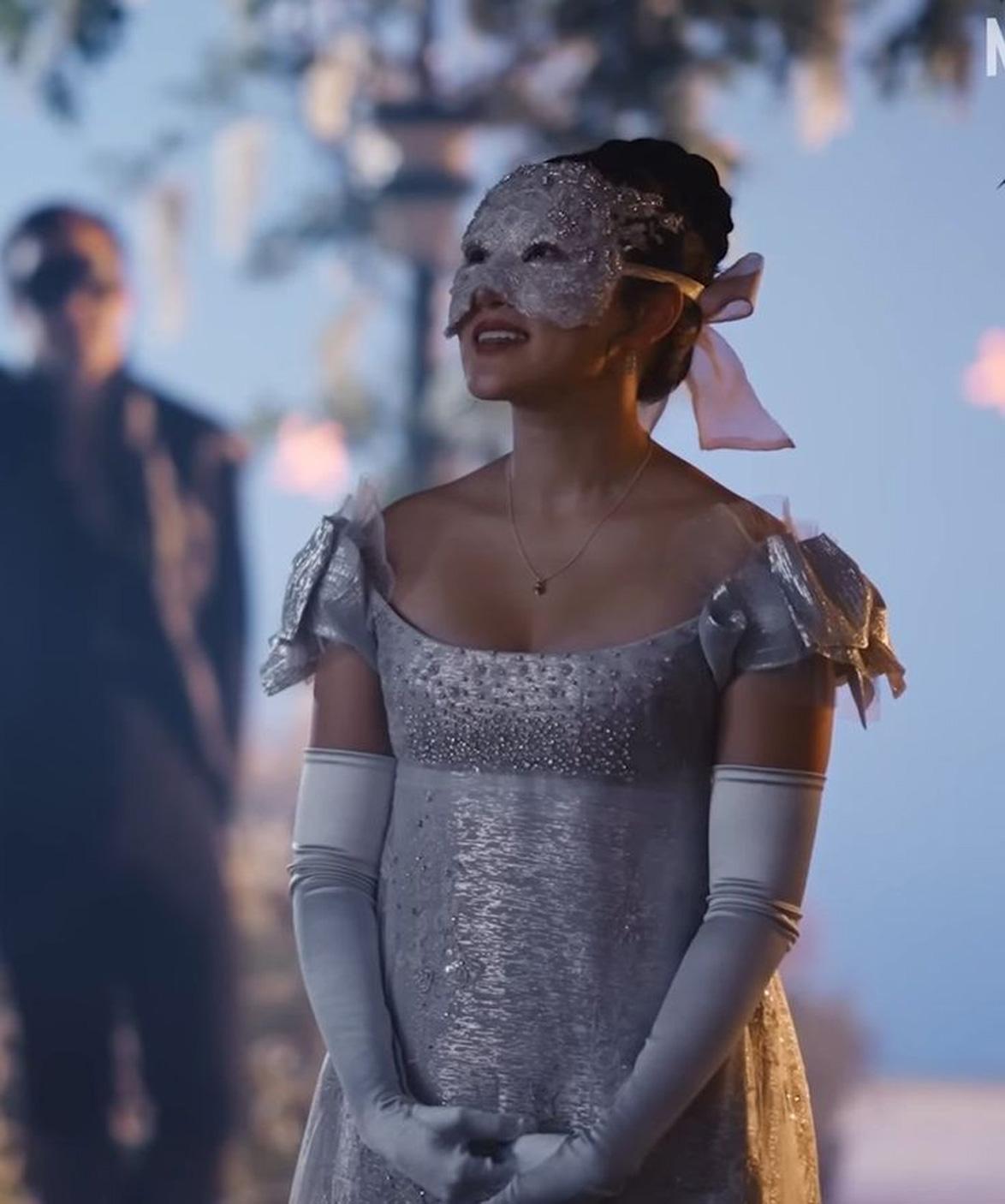
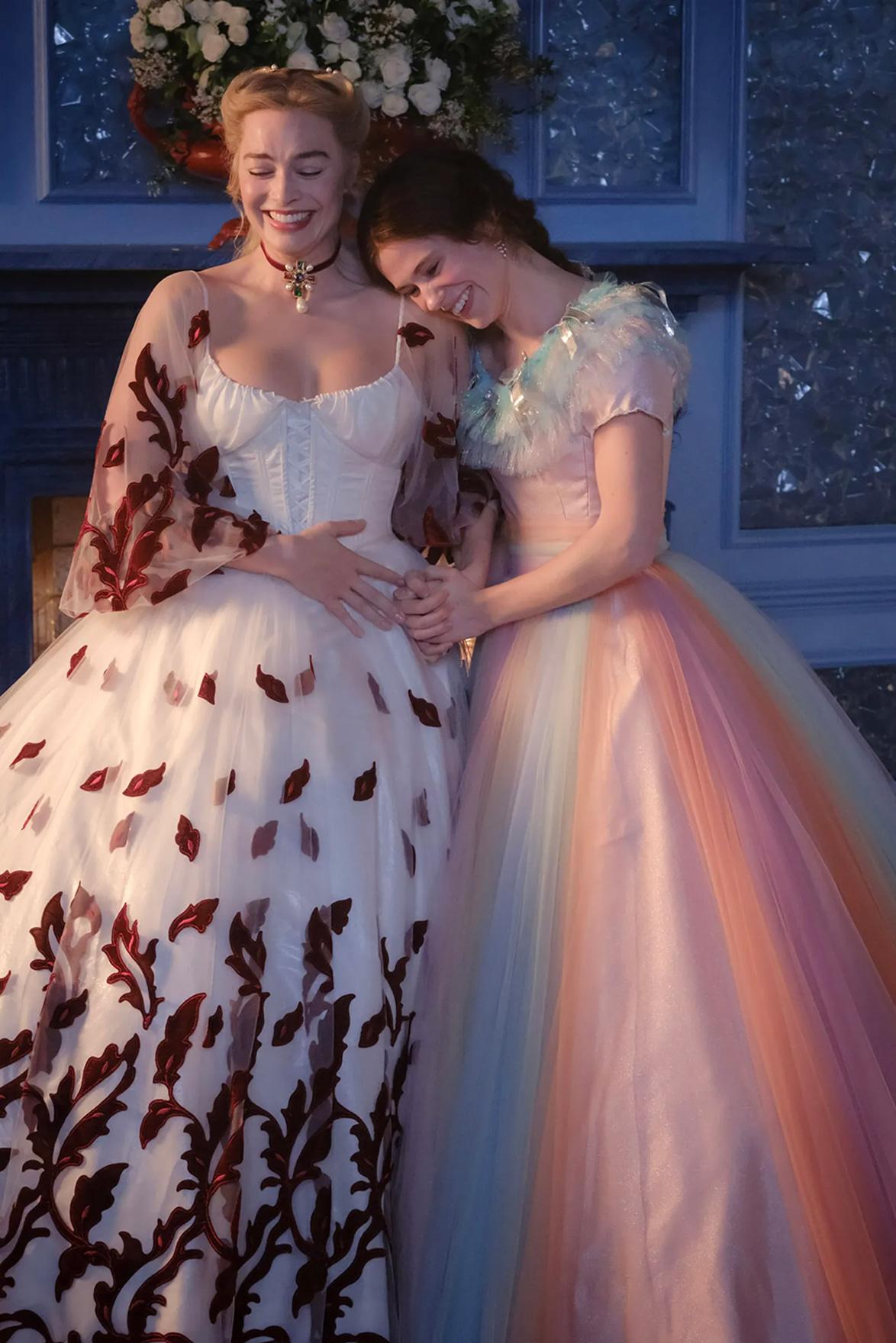
In Bridgerton, the Regency era comes alive with empire-waist gowns and square necklines that sweep across ballrooms. Soft pastels for the Bridgertons and citrus-bright tones for the Featheringtons create contrast that feels almost choreographed. Puffed sleeves accentuate gestures, delicate tiaras, gloves, pearls, and layered fabrics catch the light, and even minor characters are styled with care. Gentlemen’s fitted tailcoats, high-waisted trousers, knee-high boots, embroidered waistcoats, flouncy sleeves, and silk cravats carry quiet authority.
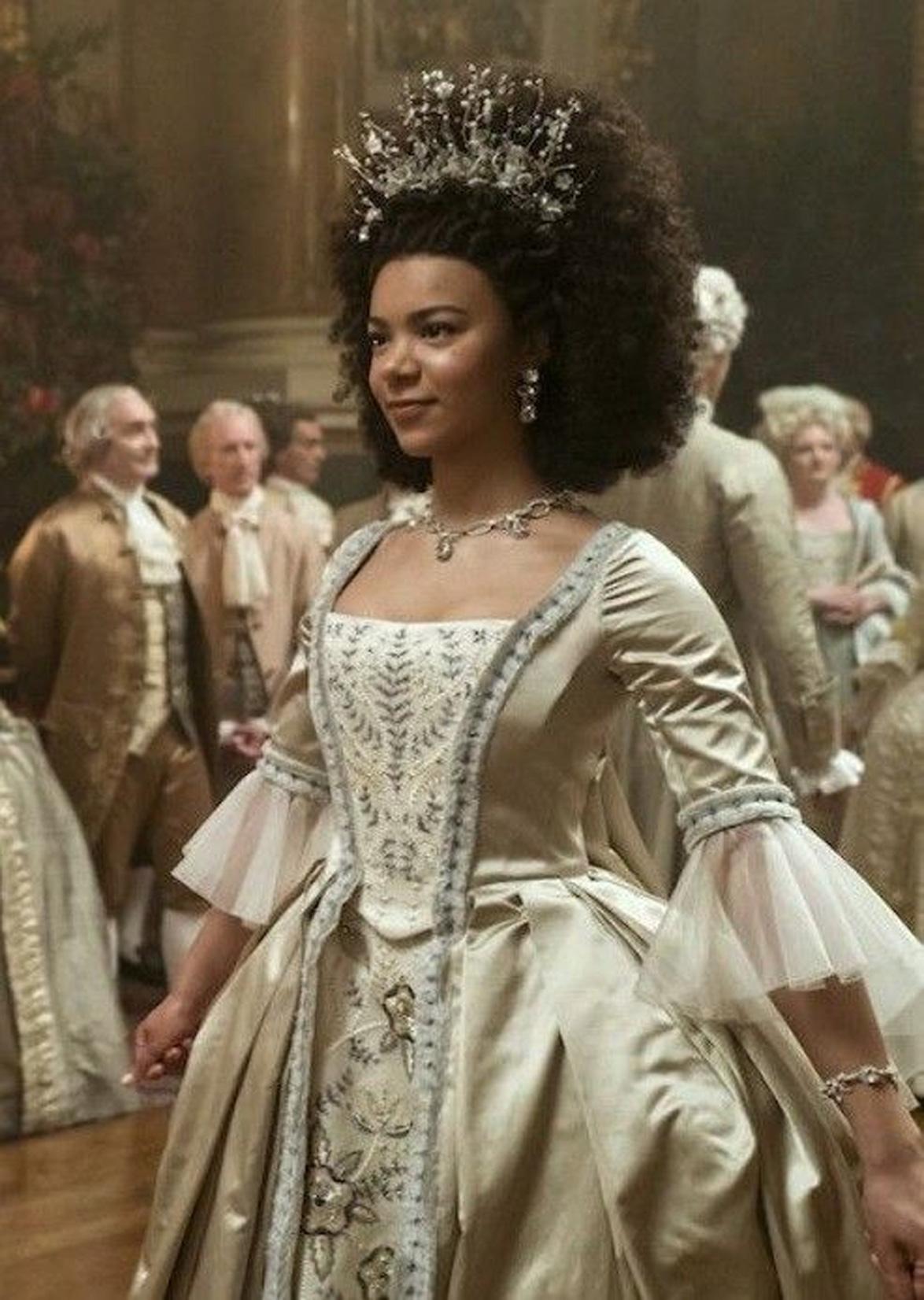
Queen Charlotte’s Georgian-inspired ensembles feel operatic in comparison. Structured V-shaped bodices with three-quarter sleeves ending in large frills pair with panniered skirts that extend the hips dramatically, creating monumental presence. Towering wigs, lace, embroidery, and jewels mark status and hierarchy, turning every appearance into a statement of power.
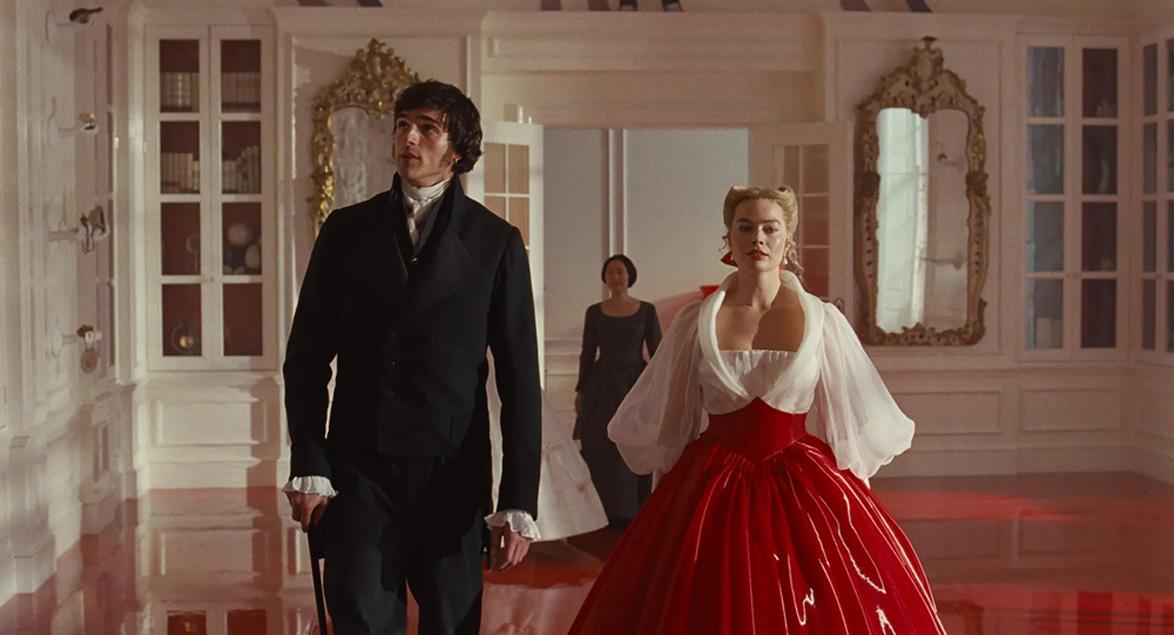
Meanwhile, the 2026 Wuthering Heights adaptation mixes Victorian, Georgian, and Elizabethan influences. Catherine wears dirndl-style gowns with tight corsets, full skirts, and three-quarter sleeves, shaping posture and presence. Her jewellery signals social status, and the gothic palette of black, white, red, and deep accent tones echoes the moody interiors of Wuthering Heights and Thrushcross Grange. Heathcliff’s darker, severe clothing - fitted coats, high-collared shirts, and sturdy trousers - frames his outsider status, creating visual tension. Three eras emerge - Regency, Georgian, and Victorian - each with a distinct approach to silhouette, ornamentation, and presence, reminding us that getting dressed was deliberate long before casual wardrobes and minimalist aesthetics took over.
The Lost Art of Dressing Up
Dressing used to be a ritual. Outfits took time, care, and often help from maids, family, or dressers. Undergarments shaped posture, fabrics demanded attention, and gowns, gloves, and laced stays were part of the daily performance. Even shows like Bridgerton hint at this: lacing stays before stepping outdoors, gloves positioned just so, evening gowns sweeping across ballrooms. Now, dressing is quicker: five-minute routines, stretch fabrics, athleisure, and outfit repetition are normal. The ritual didn’t vanish because people got lazy - it disappeared because life sped up. Clothing also had a clear purpose.
Back then, outfits communicated class, wealth, marital status, and morality. In Wuthering Heights, high collars, dark fabrics, and stiff silhouettes reflect hierarchy and social rules. Today, we dress for comfort, style, or identity. Hoodies don’t show rank, and jeans cross every class. Fashion shifted from externally enforced performance to personal choice. Public life changed too. Balls, churches, promenades - being seen mattered. Now, performance mostly happens online, physical spaces are casual, and comfort is valued. Clothes went from “How do I appear to society?” to “How do I feel moving through my day?” And yet, we still romanticise the old styles. Corsets, full skirts, big sleeves, gloves - they look deliberate and dramatic. What we admire was actually restrictive: limited movement, strict rules, and constant social pressure. We’re drawn to them because they look intentional, ordered, and luxurious.
Why We Still Dream in Period Fashion
As much as we love quick, comfortable outfits today, nothing beats dressing in those eras. We all secretly imagine ourselves at Bridgerton balls or wandering like Cathy on the moors - and the wild part? People actually lived like that. The grandeur of the past lingers in our imagination, mood-boards, and costume-inspired moments, reminding us that fashion isn’t just what we wear - it’s how we move, live, and present ourselves. Dressing might have changed, but the desire for drama, presence, and intention hasn’t.