How a Dolphin Meme Zara Larsson Got Everyone Quitting Beige
 Have you noticed how wardrobes suddenly got… loud? One week, it’s oatmeal neutrals, matching sets, and beige-on-beige outfits so polished they make you think, “Wow, they really have their life together.” The next week, it’s coral cardigans, electric blue eyeliner, pastel miniskirts, clashing prints - and somehow, it works. Scroll TikTok, peek at Instagram, or just walk down the street, and it feels like someone hit shuffle on fashion.
It’s chaotic, playful, a little mischievous - basically impossible to ignore. Part of it is memes - yes, actual dolphins somehow influenced style - part of it is influencers showing that breaking the rules can be stylish, and part of it is just people suddenly feeling brave enough to swap safe for bold. Teens, young adults, basically anyone with a wardrobe, is hopping on board. Some call it the Dolphin Trend. Others just call it “finally, something exciting to wear.” Either way, it’s happening, and it’s way more fun than beige ever was.
Beige and the
“Safe” Era
Beige didn’t just trend - it quietly took over our lives. At some point, everyone woke up owning the same white or beige tank top and pretending it was a personality. Who gave it cultural weight? Kim Kardashian. Her neutral-toned, monastic home became a viral obsession: a 15,667-square-foot space washed entirely in white, cream, and beige. The house felt less like a place to live and more like a concept. Curved edges replaced sharp lines, bone-coloured walls blurred into limestone floors, and furniture looked sculptural rather than functional - as if it belonged in a gallery instead of a living room.
Then, if that wasn’t enough beige for Kim, think again. KKW Beauty’s soft browns and nudes, SKKN’s minimalist skincare routines in stone-toned packaging, and SKIMS’ nude shapewear are marketed as inclusive, elevated, essential. Even after these lines shut down - with plans to return next year - the message had landed: beige wasn’t just a colour; it was a system. TikTok amplified it during the pandemic. The Clean Girl aesthetic exploded: slicked-back buns, dewy skin, lip oils, gold hoops, neutral outfits, and hyper-curated routines that made staying home look productive. Personifying it all was Hailey Bieber, whose off-duty style - ribbed tanks, oversized blazers, low buns, and barely-there makeup - felt effortless yet aspirational. Through viral GRWM videos and Rhode’s minimalist branding, she embodied the clean look without trying too hard, making beige the colour of the season.
Colour Makes a Comeback - Thanks to Zara Larsson (and a Dolphin Meme)
Then, somehow, a dolphin entered the chat and flipped everything upside down. How does a picture of a smiling dolphin, floating in front of a rainbow, paired with depressing or sarcastic caption, all set to “Symphony” by Clean Bandit and Zara Larsson, convince the internet to quit beige? It’s absurd. And that’s why it worked: the meme was bright, ironic, and perfectly chaotic, reflecting how people felt after years of monotony. Zara Larsson didn’t just lean into the joke; she turned it into a full-blown aesthetic. When she released the Midnight Sun music video, she gave herself a glow-up straight out of the internet’s own irony: bright and unapologetically fun. From there, the effect snowballed. Her tour outfits followed the same logic: colourful, bold, maximalist looks paired with makeup that popped. Fans on TikTok and Instagram went wild, remixing her outfits, copying the makeup, and reinterpreting the trend as the Zara Larsson Effect.
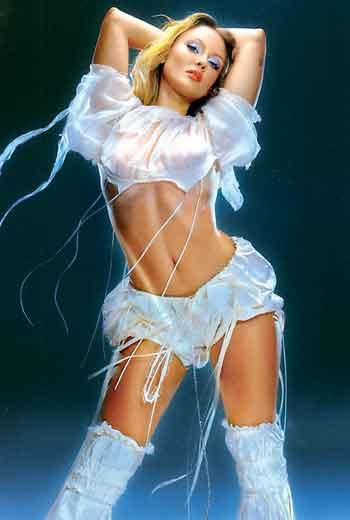
The aesthetic itself - often called summer-core or mermaid-core with an early Y2K twist, is impossible to miss. Micro mini shorts and skirts, flowy elements, and a rainbow of punchy colours; hot pinks, neon greens, electric blues, sunny yellows, and glowing purples. Accessories are essential: seashells, butterflies, orchids, keychains, glitter, sequins, and, of course, dolphins. Makeup is maximalist too: dramatic, colourful eyeshadow adorned with rhinestones, glowy blushy skin, and glossy lips that practically shine from a mile away.
Why We Swung from Beige to Colour
So why the shift? Fashion always mirrors emotion, mood, and identity. Beige worked because it felt safe. Unlike stark white, which can feel cold or clinical, beige is warm, approachable, and flattering. It signals stability, elegance, and mental clarity. It’s the colour of sand, stone, and natural fibres - grounding elements that symbolise calm and order. In fashion and beauty terms, it promised low risk, polished, and effortlessly curated looks that make you feel in control. But colour came back because people wanted energy, chaos, and self-expression. After years of curated sameness, bright hues, bold patterns, and playful textures feel like freedom. Vibrant hues signal playfulness, creativity, and confidence. They catch the eye, spark energy, and break monotony. The dolphin meme, summer core, and Zara Larsson’s maximalist looks tapped into this desire, encouraging people to step out of the beige bubble and reclaim joy, humour, and personality through what they wear. Colour isn’t just aesthetic - it’s emotional, a way of signalling mood, identity, and even rebellion against perfection.
If a Dolphin Can Change Our Wardrobes
Beige wasn’t boring; it was a protective layer. Colour isn’t random; it’s rebellion, play, and self-expression. Kim Kardashian, Hailey Bieber, and the Clean Girl aesthetic represent the aspirational safety of beige, while Zara Larsson and the dolphin meme illustrate the playful freedom of colour. Maybe beige will come back - fashion is cyclical. But for now, wardrobes are louder and brighter. Clothes aren’t just things we wear anymore - they’re signals, experiments, and extensions of who we want to be. And if a dolphin can rewrite our wardrobes, who even needs fashion rules anymore?