Bawa Brothers + Donald Friend, and Garden Mania
Part I: The Garden as Civilisation's Most Fragile Work of Art
By: Anargi Jayakody
There is a tendency, particularly in the modern world, to regard architecture as the most enduring expression of civilisation. Stone survives conquest; temples outlive kingdoms; abandoned palaces continue to command reverence long after those who commissioned them have disappeared into history. Ruins possess a curious dignity. Even in decay they remain recognisable as monuments to human ambition.
Gardens enjoy no such privilege.
A neglected building may become picturesque. A neglected garden simply ceases to exist.
This simple distinction has profound consequences. Unlike painting, sculpture or architecture, landscape is an art sustained not by permanence but by uninterrupted acts of care. The medium itself is alive. Trees mature beyond intention; roots disturb foundations; monsoon rains alter drainage; storms dismantle carefully orchestrated canopies within a single afternoon. Every season quietly rewrites the original composition. Nature is at once the artist's collaborator and perpetual adversary.
It is perhaps for this reason that the greatest gardens have rarely been the product of inspiration alone. They are born instead of obsession.
Not obsession in its fashionable sense, but in its older and nobler meaning: the willingness to dedicate decades, sometimes entire lifetimes, to the pursuit of an ideal that may never be fully realised. Every celebrated landscape bears witness to this peculiar temperament. The gardens of Versailles demanded generations of refinement. Stourhead evolved over decades before assuming the appearance of effortless perfection. At Rousham, perhaps the most intellectually satisfying of England's landscape gardens, successive custodians have understood that preservation is itself an act of authorship. The highest compliment one can pay such a landscape is not to improve it, but to possess the discipline to resist doing so.
Nothing ages more quickly than fashion. Nothing requires greater confidence than restraint.
The paradox lies at the heart of every great garden. Visitors experience serenity; gardeners experience vigilance. What appears natural is, in reality, among the most carefully orchestrated forms of artistic expression. A single tree planted a generation too late may close a borrowed vista. One unnecessary pathway may disrupt a carefully measured progression through space. A poorly considered wall can undo relationships between architecture and landscape that took decades to establish.
The finest landscapes are therefore remarkable not because they dominate nature, but because they persuade us that no domination has occurred at all.
Sri Lanka possesses one of Asia's oldest traditions of understanding this truth.
Long before the vocabulary of European landscape architecture emerged, the island's kings and monastic communities were already shaping terrain with extraordinary sophistication. The celebrated water gardens of Sigiriya remain among the earliest surviving examples of hydraulic landscape design anywhere in the world, integrating geometry, engineering and symbolism into a composition where water itself became architecture. The monastic complexes of Anuradhapura likewise reveal an acute awareness that spiritual experience could be shaped through carefully considered relationships between ponds, avenues, pavilions, shade and open space. Here, landscape was never ornamental. It was philosophical.
Yet every civilisation inherits its landscapes differently.
The twentieth century confronted Sri Lanka with a question familiar to many post-colonial societies: how does one remain rooted in inherited traditions without becoming imprisoned by them? Architecture offered one answer. Landscape offered another.
Few individuals navigated this question with greater subtlety than Geoffrey Bawa.
To describe Bawa simply as an architect is accurate only in the narrowest technical sense. His buildings resist easy classification because they were never conceived as isolated objects. Walls were rarely intended to terminate space; rather, they directed the eye towards it. Courtyards dissolved into gardens. Water reflected architecture back upon itself. Rooflines framed distant horizons instead of asserting dominance over them. Movement became as important as construction. One did not merely enter a Bawa building; one discovered it gradually, each threshold revealing another carefully composed encounter between enclosure and openness, light and shadow, intimacy and prospect.
The experience owes much to an intellectual cosmopolitanism that remains one of the defining characteristics of his work.
Bawa travelled widely, absorbing lessons not as stylistic quotations but as underlying principles. The English Picturesque offered a vocabulary of unfolding vistas and borrowed landscapes. Mediterranean courtyards demonstrated how architecture might mediate climate through proportion rather than technology. Japanese design revealed something even more profound: that absence possesses its own aesthetic force.
The oft-repeated phrase "less is more" has been reduced through overuse to little more than a slogan. In Japanese aesthetics, however, restraint is not merely minimalism. It is an ethical position. Space is allowed to breathe. Materials are permitted to age with dignity. Silence acquires architectural value equal to ornament. Emptiness is recognised not as absence, but as potential.
Bawa understood this instinctively.
His greatest interiors are memorable not because they are filled with objects but because they know precisely when to stop. A window becomes more powerful because nothing interrupts the view beyond it. A corridor acquires significance through measured simplicity. The eye is encouraged to rest before it is invited onward. Luxury is discovered not in accumulation but in proportion. Architecture may survive insensitive renovation, albeit diminished. Landscape rarely grants such forgiveness.
Indeed, the tragedy of many important twentieth-century landscapes lies not in catastrophic destruction but in gradual erosion. A new boundary wall erected for convenience. Mature trees felled in response to development. An additional structure inserted without regard for original sightlines. Incrementally, almost imperceptibly, the coherence of the composition dissolves. The individual alterations may each appear harmless. Collectively, they transform the work into something its creator would scarcely recognise.
This is why so few historic landscapes survive with their essential character intact.
Landscape architecture is uniquely vulnerable because it exists at the intersection of culture and ecology. Unlike paintings, gardens cannot be placed in controlled storage. Unlike monuments, they cannot simply be fenced off from time. They demand continuous negotiation with climate, growth, decay and human intervention. Every generation inherits not a finished masterpiece but an unfinished responsibility.
Perhaps this explains why the language surrounding gardens so often borrows from devotion rather than ownership.
One speaks of tending rather than possessing, of stewardship rather than acquisition. The distinction is more than semantic. It acknowledges that landscapes ultimately exceed the ambitions of any single owner. They pass through lives as living inheritances, each generation leaving traces of care or neglect for those who follow.
It is here that the histories of gardens become unexpectedly intimate.
Behind every celebrated landscape lies not merely a designer's vision but a succession of individuals willing to subordinate personal preference to something larger than themselves. Their names often disappear. Their labour remains invisible. Visitors encounter mature trees without considering who decided, decades earlier, that they should be planted. They admire effortless tranquillity without recognising the countless acts of restraint that prevented novelty from overwhelming continuity.
Perhaps that invisibility is the highest compliment conservation can receive. The greatest custodians leave remarkably little evidence of themselves. It is within this tradition of quiet stewardship, rather than conspicuous authorship, that Boutique 87 finds its significance. The story of Boutique 87 is therefore not principally one of design. It is a story of guardianship, of successive custodians recognising that certain places demand fidelity rather than reinvention.
Part II: A House That Learns From Its Garden
To describe 87 merely as a residence is inadequate. Equally misleading is the fashionable tendency to describe every carefully restored historic property as a "living museum." Museums preserve objects by isolating them from life. Boutique 87 survives precisely because it continues to be lived in. It remains a home, but one in which architecture, landscape and collecting have dissolved into a single cultural environment. The distinction matters. Great houses cease to possess meaning once they become static. Their vitality lies in remaining inhabited without surrendering their historical character.
That equilibrium is remarkably difficult to achieve.
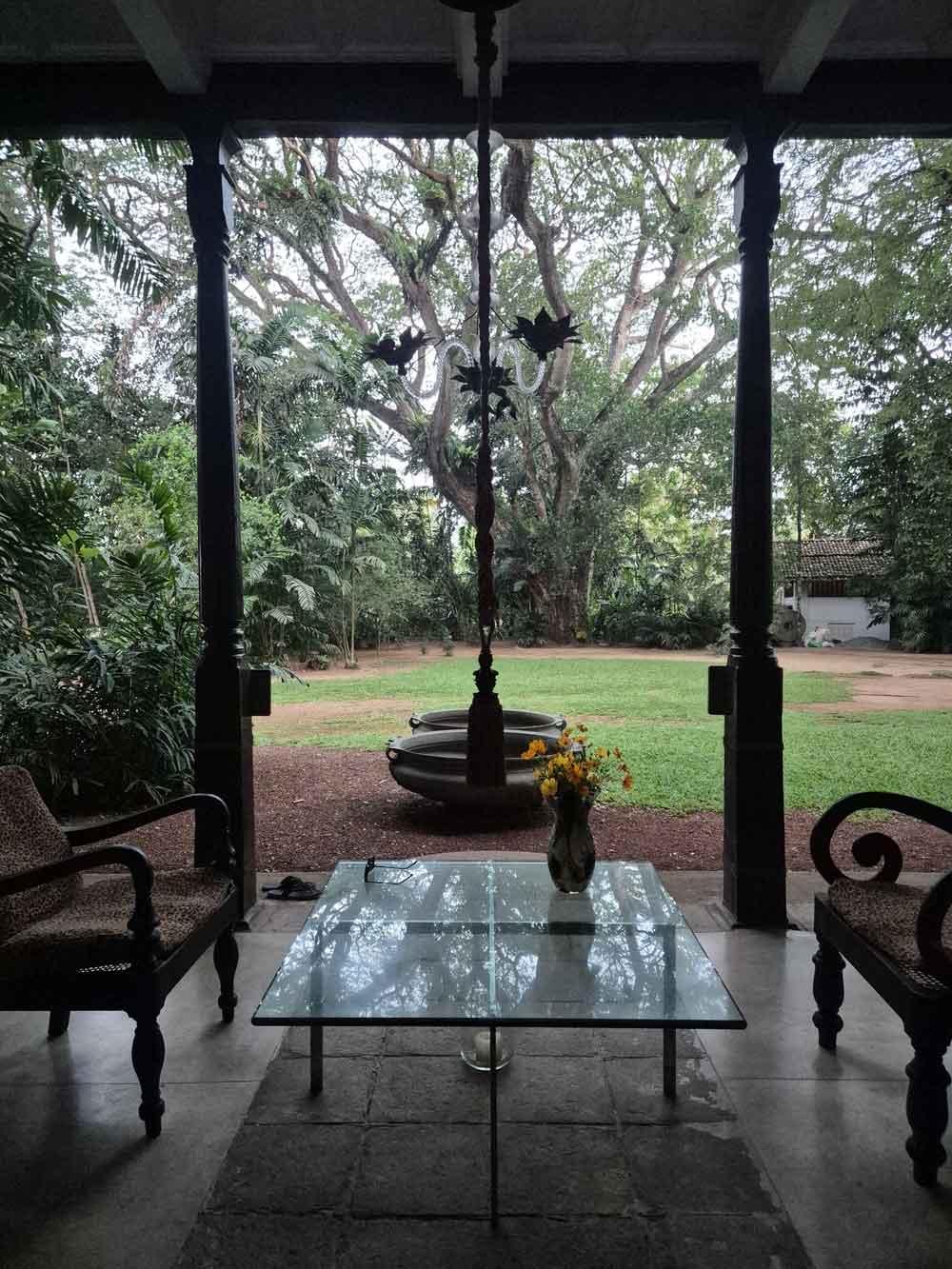
Unlike masonry, gardens refuse permanence. The tropical climate of Sri Lanka possesses a vitality that is both exhilarating and relentless. Monsoon rains alter contours with astonishing speed. Salt carried inland from the sea accelerates weathering. Storms undo years of careful cultivation in a single evening. Creepers advance with extraordinary determination, roots lift paving, branches reshape carefully framed vistas, and every growing season introduces another negotiation between intervention and patience.
Nature possesses no interest whatsoever in preserving human composition.
It follows its own rhythm.
The custodian of a historic landscape therefore occupies a curious position. He must intervene constantly while leaving almost no trace of his intervention. The greatest achievement is invisibility. Visitors should imagine that the garden has simply always existed in this state, unaware that every mature avenue, every uninterrupted view and every carefully balanced relationship between shade and light has been quietly defended against time itself.
This philosophy has defined the stewardship of Boutique 87.
For more than two decades, my father has approached the estate with an attitude rarely encountered in an age increasingly devoted to renovation rather than conservation. The seventeenth-century Dutch pavilions have been restored with painstaking care, not to create the appearance of antiquity but to ensure that their historical dignity continues to coexist naturally with the surrounding landscape. Equally demanding has been the patient refinement of the gardens themselves, where every alteration has required consideration not simply of horticulture but of architectural composition.
Such work is never finished. Indeed, the very suggestion that a great garden can ever be completed misunderstands its nature entirely. Landscape exists in permanent conversation with time. One plants not for oneself but for those who will inherit the view decades later. Trees become architectural only after generations have watched them mature. Every season is therefore both an ending and a beginning.
This spirit of continuity is reflected in the history of the estate itself.
Every significant custodian has understood that ownership confers obligation before privilege. Boutique 87 has inspired not casual appreciation but enduring attachment. It has demanded from those entrusted with its care something approaching devotion. The house has passed through different hands, yet each has recognised that they were inheriting far more than buildings. They inherited an idea.
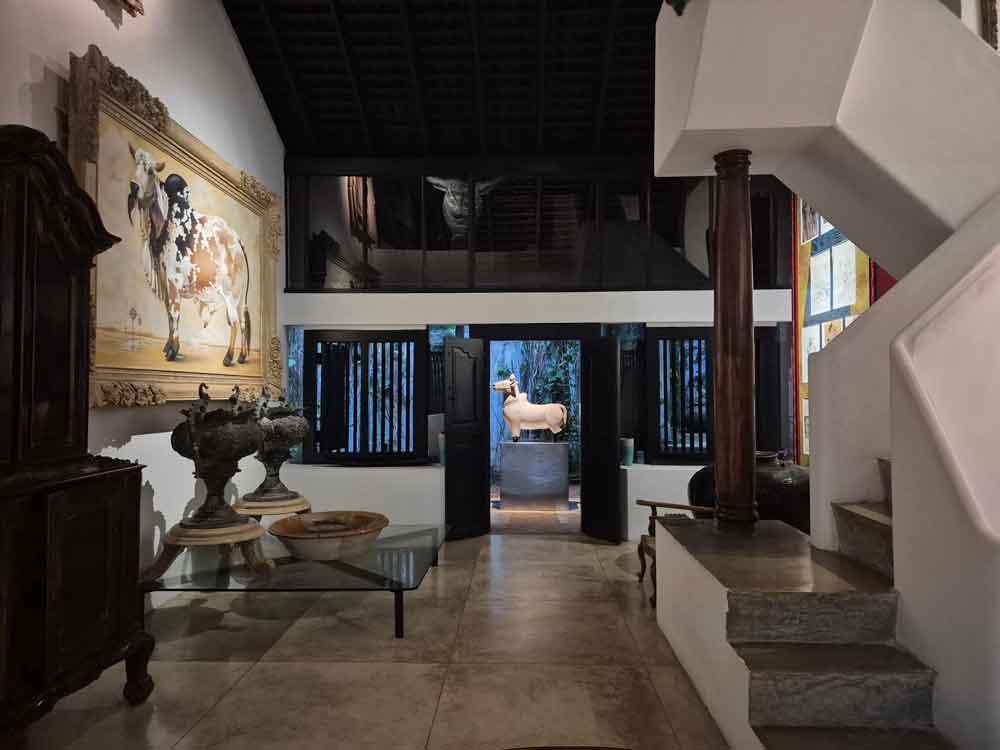
One encounters this sense of continuity immediately upon entering the house.
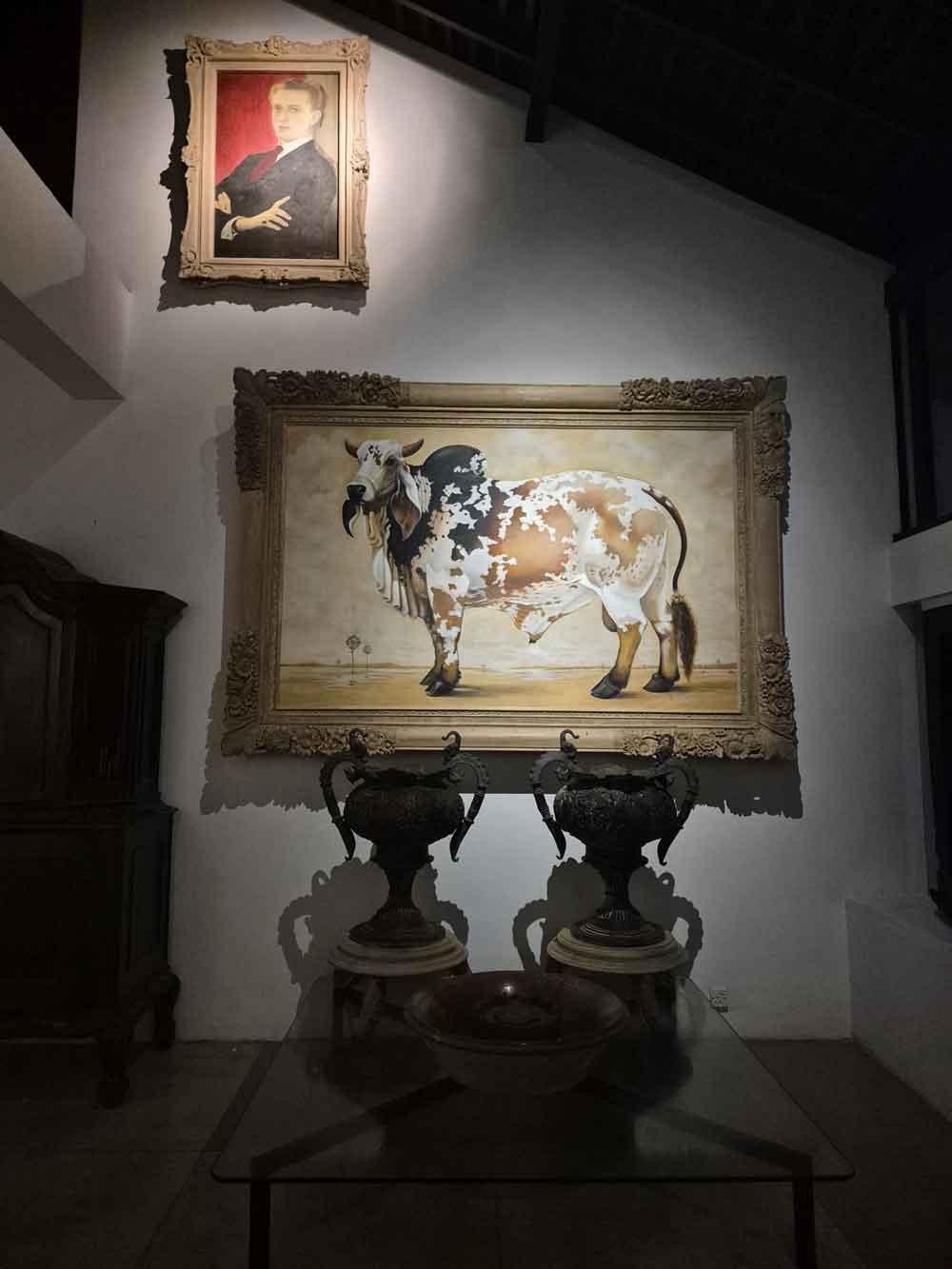
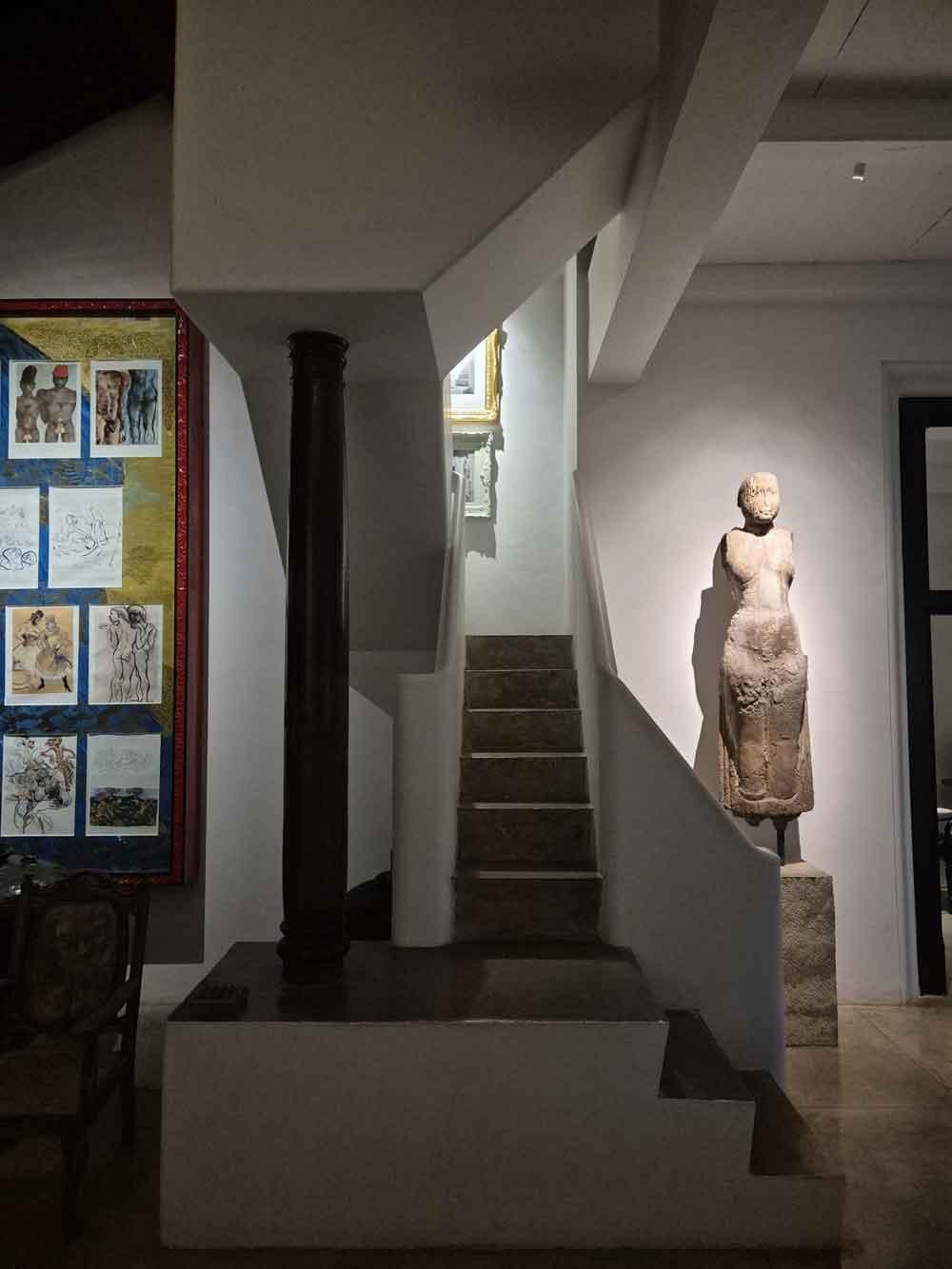
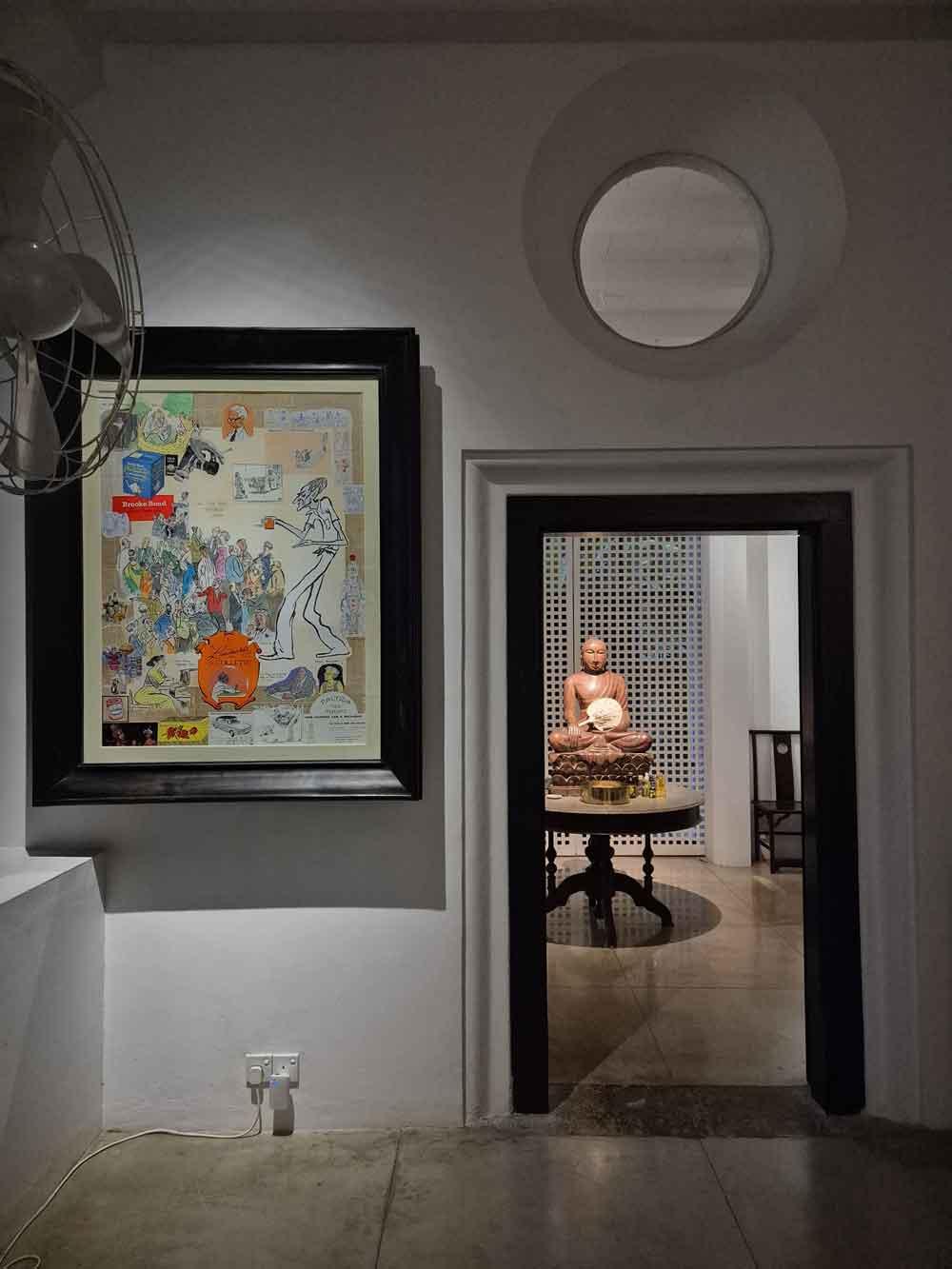
Among its most quietly affecting features is a vertical arrangement of three paintings depicting the European custodians who cared for the property before its present chapter. Their placement is neither accidental nor merely decorative. Suspended one above another, they form a visual genealogy of stewardship, acknowledging that landscapes such as these are never the accomplishment of a single generation. The gesture is understated, almost easily overlooked, yet it reveals an uncommon generosity: an understanding that preservation is a cumulative achievement rather than an individual triumph.
Heritage acquires depth precisely because it remembers those who came before.
That same generosity extends beyond architecture into collecting.
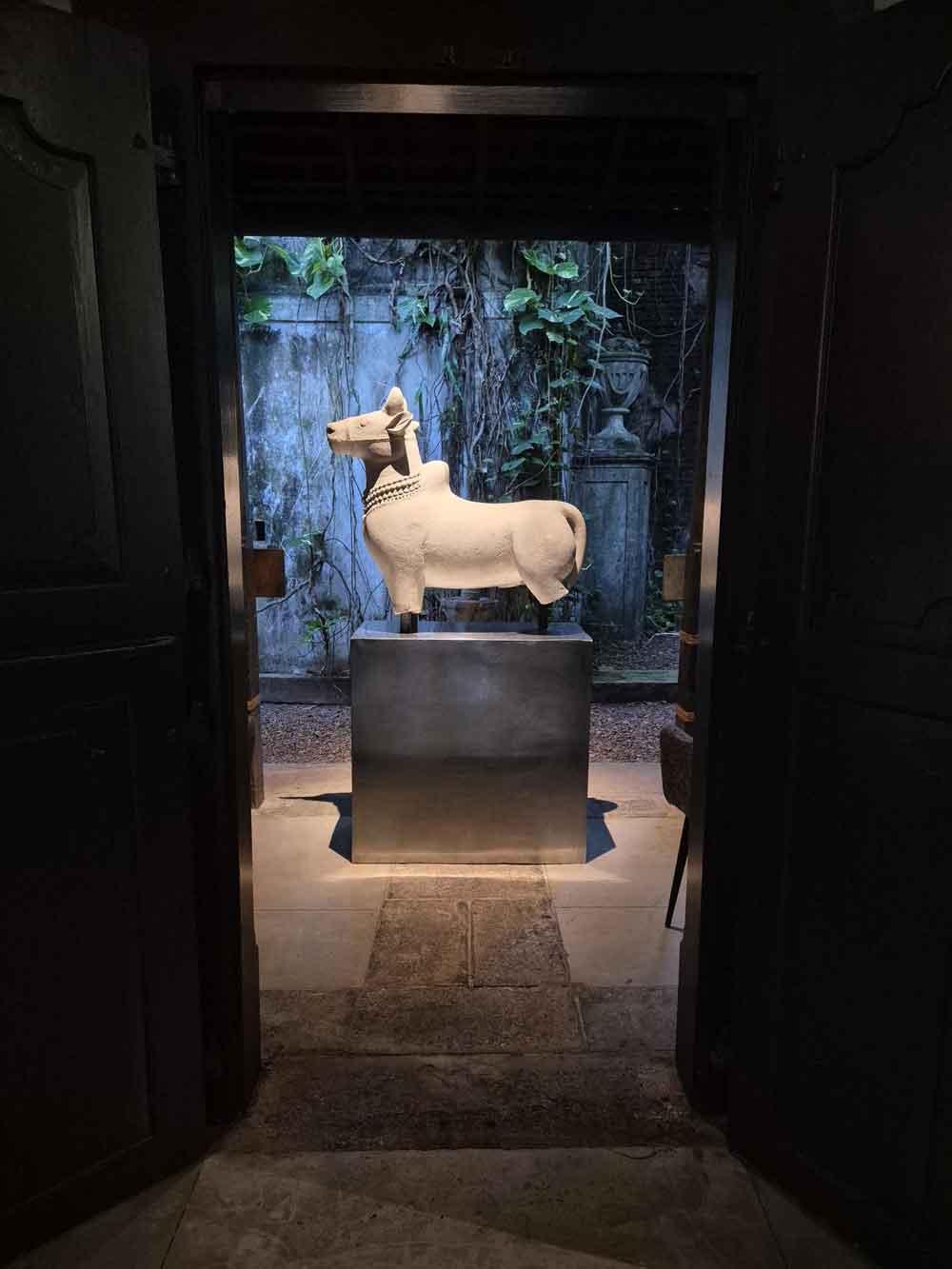
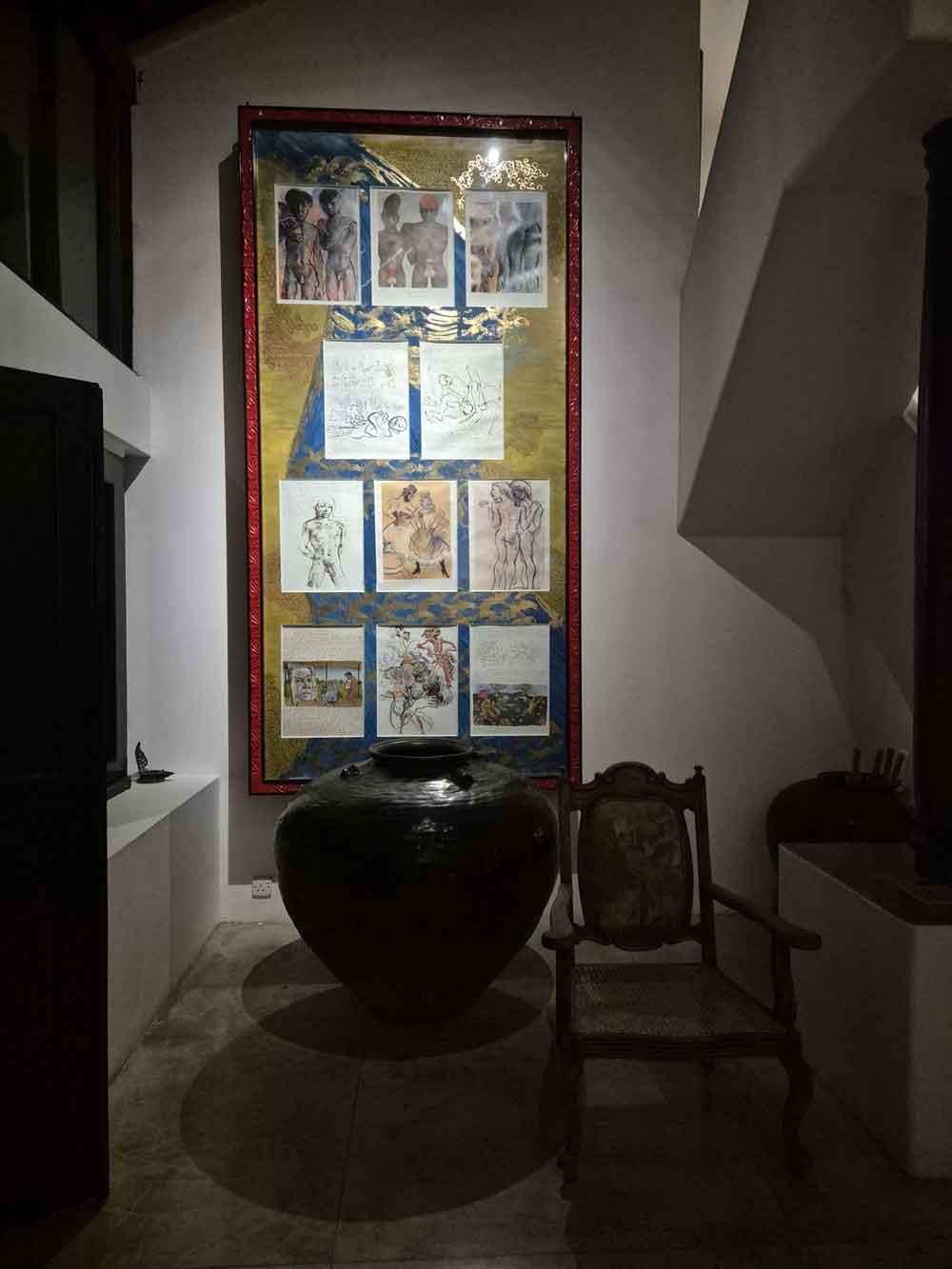
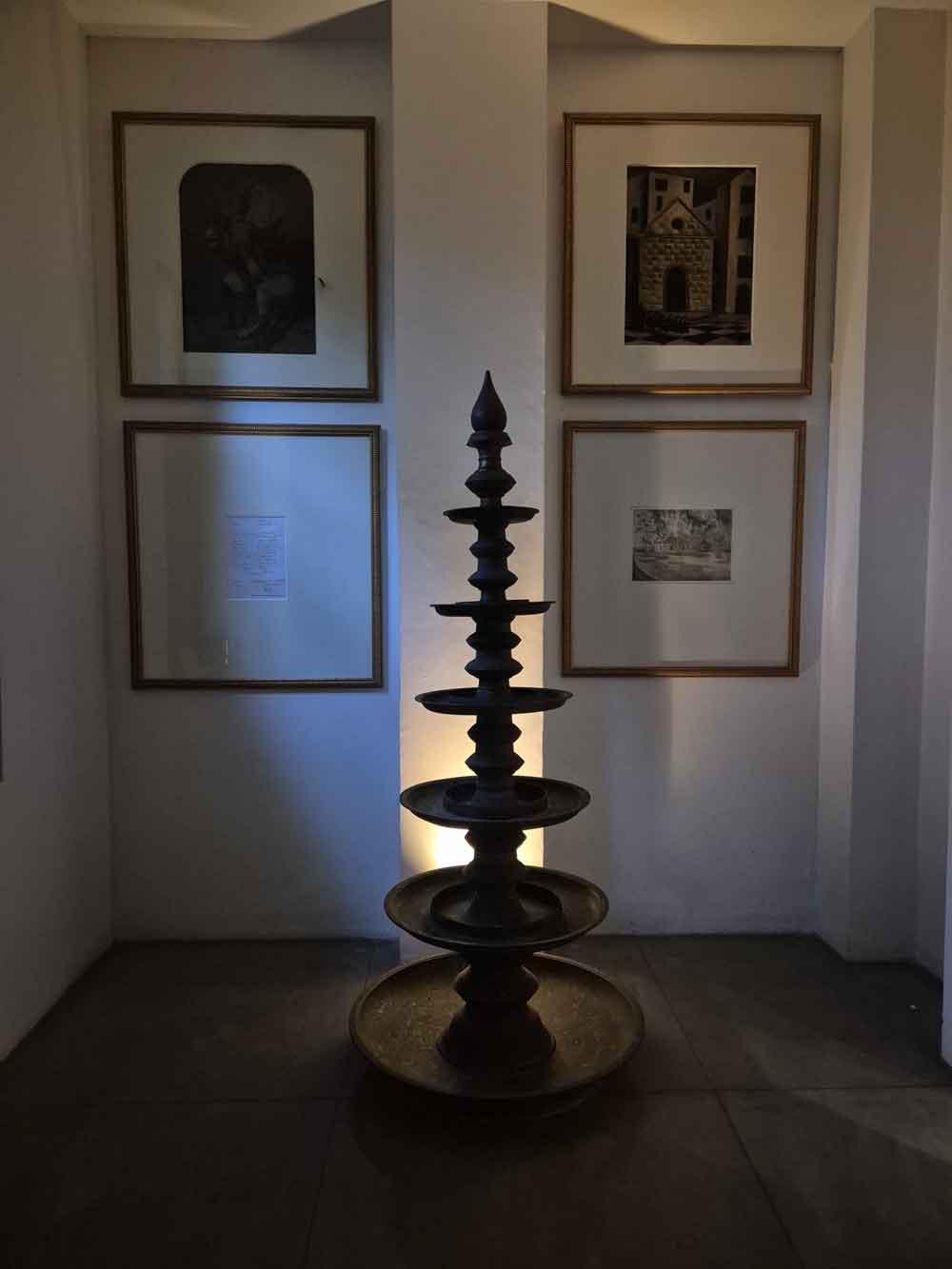
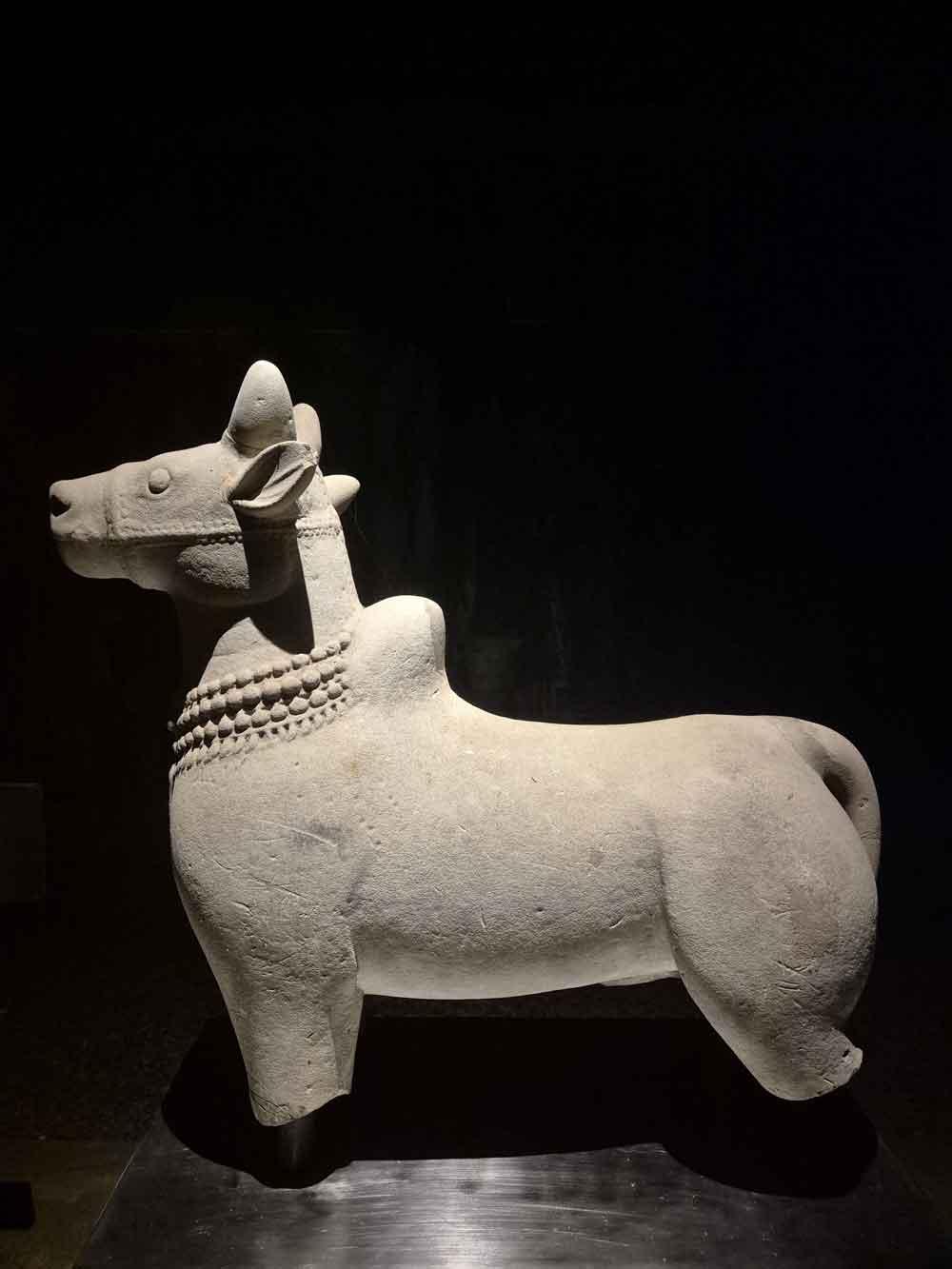
The house contains a permanent collection that resists the increasingly common temptation to accumulate art as status. Instead, each work appears selected because it contributes to an atmosphere rather than a catalogue. One moves naturally between painting, furniture, architecture and landscape without experiencing abrupt transitions. The boundaries separating gallery from domestic life dissolve almost imperceptibly.
Among the most remarkable elements of this permanent collection are rare first-edition watercolours from John Whitchurch Bennett's Fishes of Ceylon. At first glance, they seem an unexpected presence within a house devoted to architecture and landscape. Yet their inclusion proves entirely appropriate. Bennett approached the natural world with the meticulous eye of both scientist and artist, recording the extraordinary marine life of Sri Lanka with a precision that transformed observation into beauty. These delicate studies remind us that the island's artistic inheritance has never been confined to monuments or portraiture. It has also been shaped by attentive looking, by the patient desire to understand nature before attempting to master it.
The same philosophy quietly governs the garden beyond.
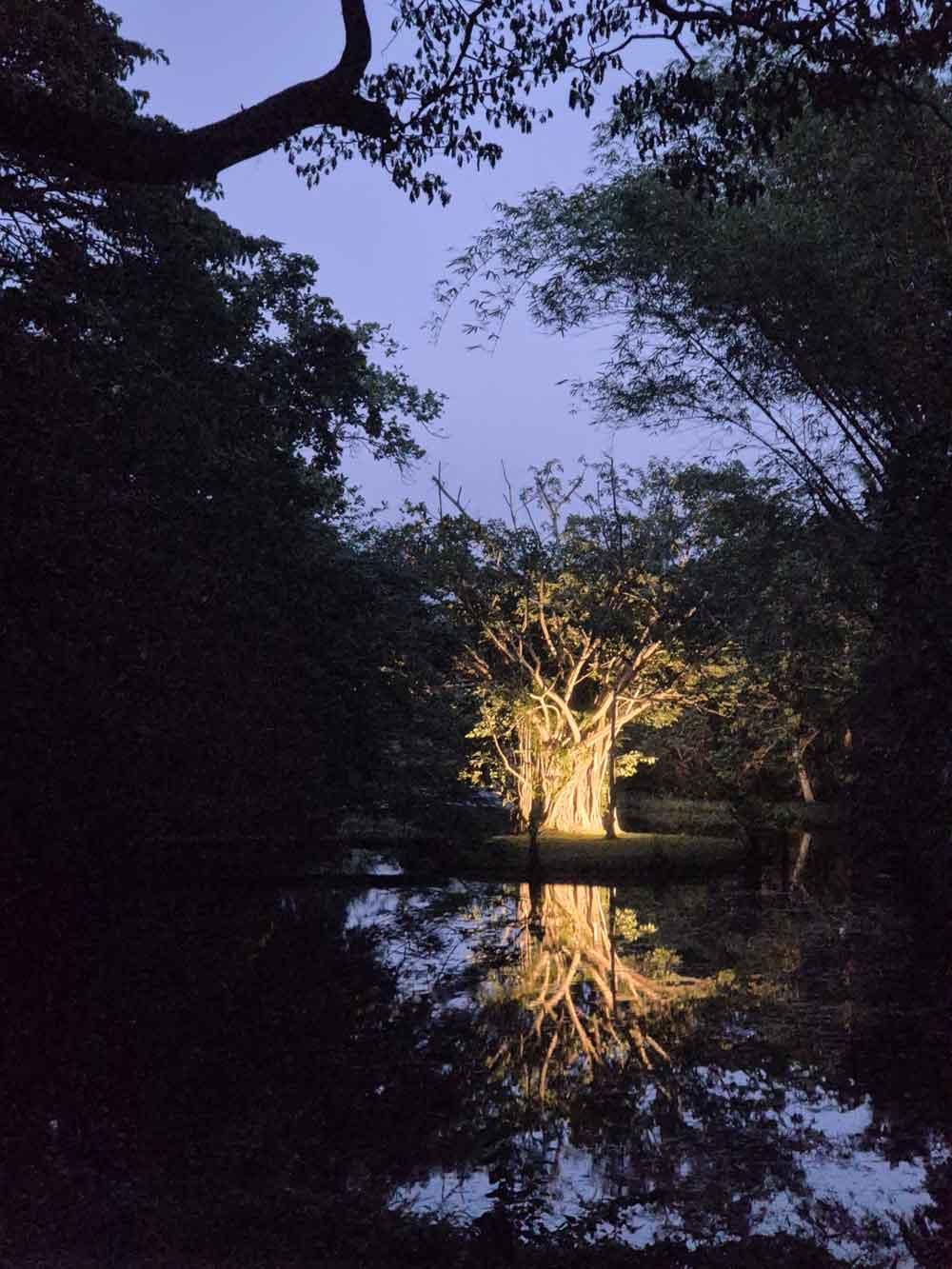
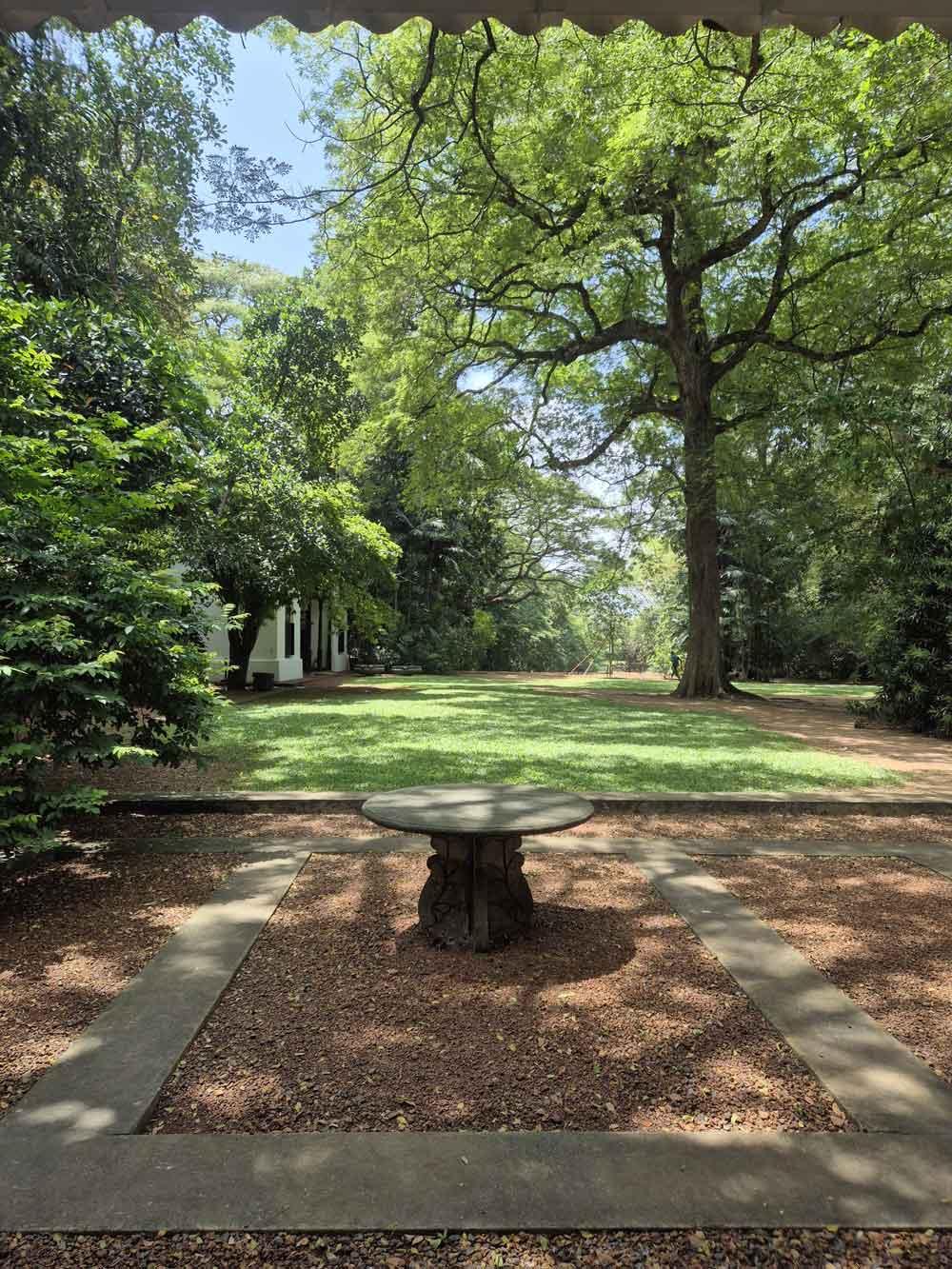
Boutique 87 is no longer simply a historic landscape. It has become an ecological refuge. As Bentota continues to absorb the pressures of development, mature trees have assumed a significance extending beyond aesthetics. They shelter birdlife, sustain biodiversity and preserve a fragment of environmental continuity increasingly uncommon along the southern coast. Here, conservation ceases to be solely architectural. It becomes ecological, cultural and moral simultaneously.
Protecting a tree, in such circumstances, is never merely an environmental gesture. It is also an act of historical preservation.
This relationship between architecture and ecology would have been immediately familiar to Bawa himself. His landscapes rarely celebrated isolated buildings. Instead, they encouraged the visitor to recognise that architecture achieves its highest expression only when it acknowledges the authority of the landscape around it. Walls exist because trees exist. Courtyards derive meaning from sky. Openings matter because of what they frame beyond them.
This quality owes much to his profound engagement with Japanese aesthetics. The influence is often discussed in terms of minimalism, but that word scarcely captures its philosophical depth. Japanese design does not merely advocate simplicity. It cultivates attentiveness. Space is allowed to remain empty because emptiness possesses expressive power. Objects acquire significance through careful placement rather than abundance. The eye is invited to rest before it moves again.
Less is more.
Yet those familiar words conceal an extraordinary discipline. It is infinitely easier to add than to remove. Simplicity demands confidence. Restraint demands conviction.
Boutique 87 embodies that lesson with unusual consistency. Nothing appears excessive. The garden never overwhelms the architecture, nor does the architecture compete with the landscape. The house seems instead to have accepted the older wisdom that beauty is discovered not through accumulation but through proportion.
Perhaps this explains why visitors arrive from every corner of the world. They do not come merely to inspect a celebrated house. They come seeking an atmosphere increasingly difficult to encounter elsewhere. There remains something quietly astonishing about walking through the estate after sunset, when conversation softens, reflections gather upon water and paintings reveal themselves beneath carefully measured pools of light. It resembles the rare privilege of wandering through a great gallery long after public hours have ended, when works of art can finally be contemplated without urgency.
Yet unlike a gallery, nothing here is suspended outside time.
- The paintings age with the house.
- The house ages with the garden.
- And the garden continues, patiently, to compose itself.
The exhibition, opening on 15 August before continuing thereafter as part of the house's ongoing cultural programme, is therefore more than a display of paintings. It is an invitation to participate, however briefly, in a philosophy of stewardship that extends beyond architecture and beyond art itself. The greatest works of civilisation are rarely created in a single generation. Their authorship belongs not only to those who first imagined them, but to every subsequent custodian who possessed the wisdom to recognise that beauty is sustained not through possession, but through care. In that sense, Boutique 87 is not merely a house, nor simply a garden. It is evidence of a larger argument. An argument that culture, like landscape, survives only so long as there remain people prepared to cultivate it.