Jason Arday: Academic Scrutiny, Race and the Question of Trial by Media
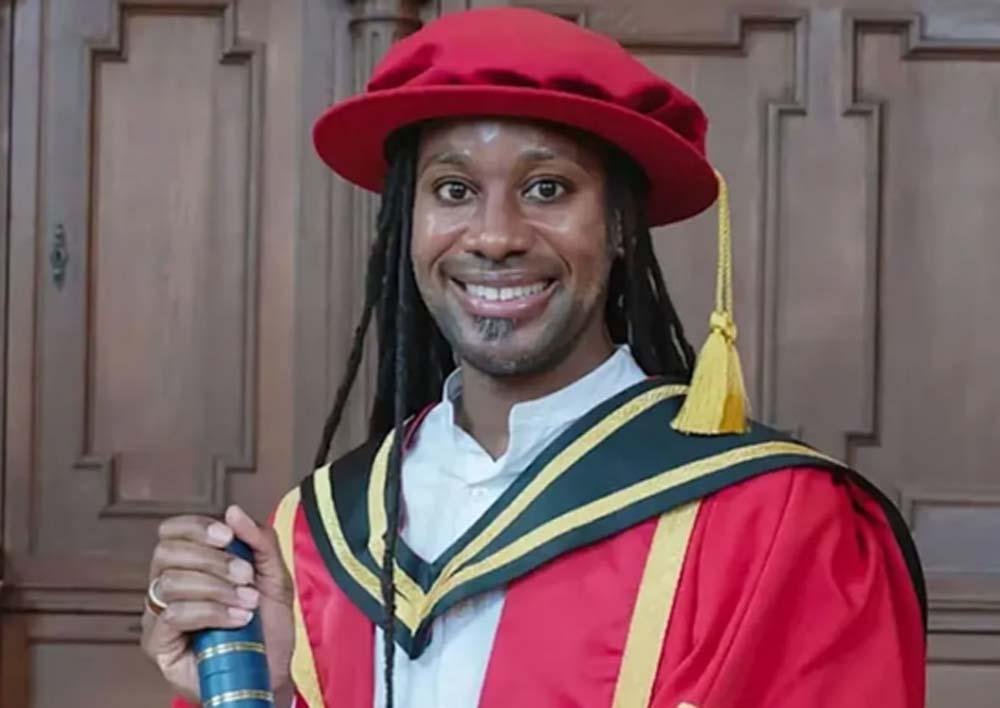
The death of Professor Jason Arday at the age of 41 has become far more than a story about one Cambridge University academic. It has opened an uncomfortable national argument in the UK, about academic standards, racism, institutional responsibility and the power of the British media to transform legitimate scrutiny into something resembling a public trial.
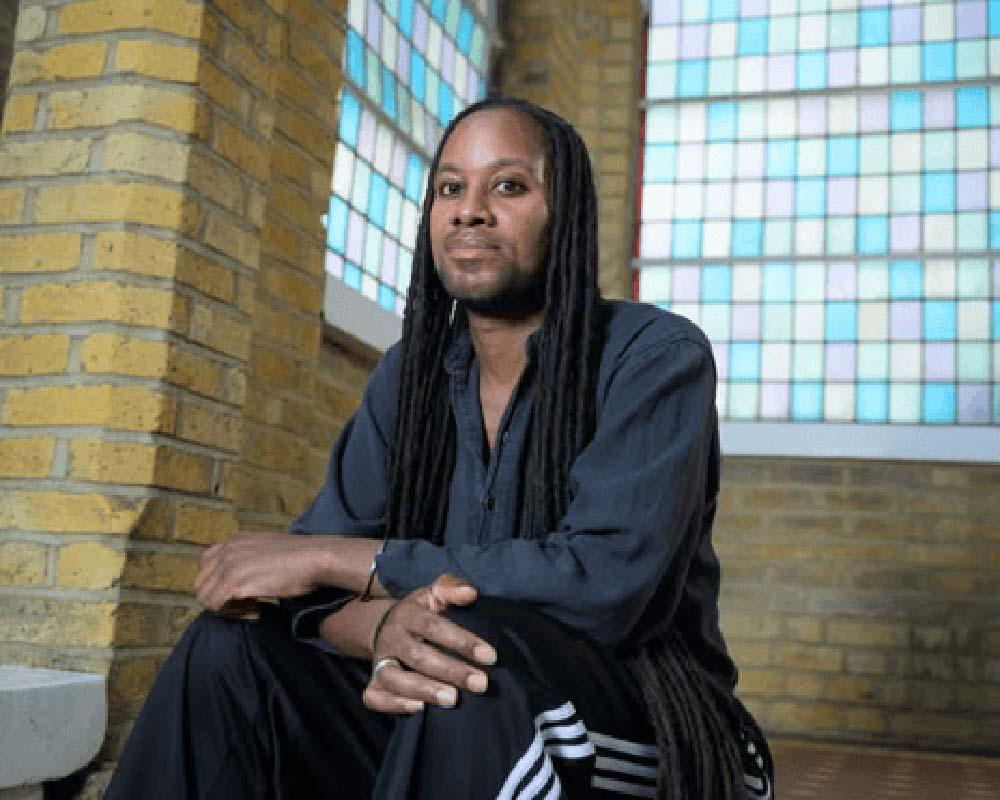 Arday was found unresponsive at his home in Battersea, south London, on the 14th of August 2026, just nine days after resigning from the University of Cambridge. Police said his death was unexpected but was not believed to be suspicious. A file is being prepared for the coroner. Until that process establishes the circumstances of his death, claims about precisely how or why he died should be treated with appropriate caution. What is beyond dispute is that the final weeks of his life were extraordinarily turbulent.
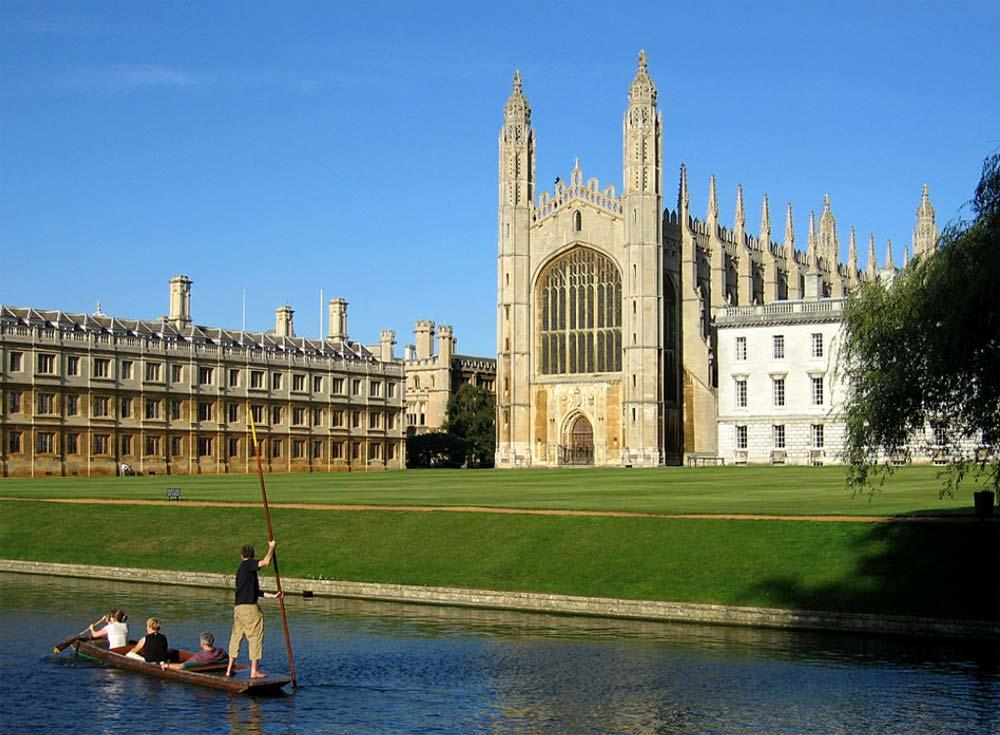
Arday had been one of the most celebrated academics in Britain. In 2023, aged 37, he became the youngest Black person appointed to a professorship at Cambridge. He was Professor of Sociology of Education, and his appointment attracted international attention. His personal story was equally remarkable. Arday said he had been diagnosed with autism and global developmental delay as a child, that he did not speak until the age of 11 and that he learned to read and write much later than most children. He subsequently completed a doctorate at Liverpool John Moores University and rose rapidly through British academia, including positions at universities such as Durham and Glasgow before reaching Cambridge. That extraordinary biography helped make him a public figure. It also meant that when questions began to be asked about his academic work, the scrutiny quickly expanded beyond scholarship into almost every corner of his life.
Where did the allegations begin?
The public story is often presented as beginning with Nathan Cofnas, an American academic who had previously been associated with Cambridge and who later worked at Ghent University in Belgium. Cofnas publicly accused Arday of plagiarism in July 2026. He said he had examined Arday’s doctoral thesis and identified passages that appeared substantially similar to material contained in an earlier thesis by academic Paula Zwozdiak Myers.
Cofnas was a deeply controversial messenger. He had previously attracted condemnation for writings about race and meritocracy and had lost his fellowship at Emmanuel College, Cambridge. His history inevitably influenced the way his accusations against a prominent Black academic were interpreted. But Cofnas was not actually the first person investigating Arday’s academic record. That distinction is important.
Jack Grove, a journalist at Times Higher Education, says concerns about Arday’s research had reached him much earlier. Grove has written that another professor raised concerns about research ethics in June 2025, prompting him to investigate more deeply. By September 2025, Grove says he had assembled a 63-page dossier concerning apparent similarities between Arday’s doctoral thesis and previously published work. He ultimately submitted considerably more evidence to Cambridge and Liverpool John Moores University.
Times Higher Education, however, did not publish the investigation. According to subsequent accounts, Arday instructed the prominent law firm Carter Ruck, which challenged the allegations. The proposed article was dropped. Grove says he then waited for university procedures to examine the allegations. Months later, the allegations surfaced publicly through Cofnas.
Was Arday found guilty of plagiarism?
This is another crucial distinction. Allegations are not findings. Liverpool John Moores University, which awarded Arday his doctorate in 2015, investigated allegations concerning his thesis. The university did not uphold allegations of academic misconduct and maintained its decision to award the doctorate. Reports said some problems were regarded as honest or reasonable errors rather than deliberate plagiarism. Arday consistently denied being a plagiarist. Nevertheless, outside academics and journalists continued to raise questions about passages in his thesis and other published research. Some researchers argued that the similarities they had identified were too extensive to dismiss. That created an extraordinary situation. There were serious allegations and apparently significant textual questions, but there was also an institutional investigation which had not found Arday guilty of plagiarism. Public discussion frequently blurred that distinction.
From academic investigation to investigation of a life
The controversy soon expanded. Journalists began investigating claims Arday had made about charity fundraising, endurance running, academic affiliations and other elements of his biography. He had spoken publicly about completing extraordinary physical challenges, including running 30 marathons in 35 days and covering 600 miles in six days. He had also been associated with claims that millions of pounds had been raised for charities. Questions emerged about whether some of these achievements could be independently verified. Further questions were raised about academic affiliations and visiting positions attributed to him in biographies. Some institutions reportedly disputed descriptions of his relationship with them. There were also questions surrounding some of Arday’s accounts of racist intimidation. There is strong evidence that Arday received racist abuse. Cambridge itself had previously taken measures to screen communications sent to him.
Arday had also described much more serious incidents, including threats and an alleged delivery of a severed pig’s head to his family home. Journalistic attempts to verify aspects of some of these accounts produced discrepancies, including statements from police that conflicted with details Arday had given about an alleged investigation. At this point the story was no longer principally about whether passages in an academic thesis had been properly attributed. It had become an investigation of Jason Arday himself.
Trial by media?
That is where the most difficult questions begin. Journalists have a legitimate responsibility to investigate powerful institutions and prominent academics. Professors at universities such as Cambridge occupy positions of considerable prestige. Academic integrity matters. Questions concerning plagiarism, research standards and professional credentials cannot simply be ignored because investigating them may be uncomfortable. But proportionality matters too.
According to an Associated Press analysis, Arday became the subject of hundreds of articles during a remarkably short period. His scholarship, childhood, disability, sporting claims, charitable work, career, personal statements and accounts of racist abuse were all subjected to intense examination. Critics argue that the cumulative effect became something qualitatively different from normal accountability.
Arday himself said when resigning that the relentless accusations, speculation and public commentary had taken a profound toll on him and those he loved. Following his death, his family went considerably further. They said he had endured sustained abuse and described a campaign of misinformation that had become too much for him. Supporters gathered at vigils and accused sections of the media of conducting a witch hunt. Others have demanded an inquiry into the treatment he received. Media organisations and commentators have defended the investigations as legitimate journalism concerning serious questions of academic integrity and public credibility.
The Guardian, which conducted extensive reporting into Arday, subsequently defended its journalism, saying its work had involved detailed investigation and rejecting allegations that its reporters had acted improperly. The fundamental question therefore is not whether journalists were entitled to investigate Arday. They plainly were. The harder question is whether the scale, tone and persistence of the coverage remained proportionate to the public interest.
 Was racism involved?
Race cannot responsibly be excluded from this story. Neither can it responsibly be presented as a proven explanation for every criticism Arday faced. Arday occupied a uniquely symbolic position. He was Cambridge’s youngest Black professor, and his appointment had been celebrated as evidence that barriers within elite British academia could be broken.
Consequently, when allegations emerged, Arday was not treated solely as an individual academic facing questions about his research. His case became entangled with the political battle over diversity, equity and inclusion. Some critics used the controversy to question whether universities had sacrificed academic standards in pursuit of diversity. Some supporters responded that a Black professor was being subjected to a level of scrutiny that comparable white academics would never experience. That debate intensified after his death.
Cambridge Chancellor Chris Smith described aspects of the reaction as a “racist feeding frenzy”. Other academics and campaigners have similarly argued that legitimate questions about Arday’s work became mixed with a broader hostility towards Black advancement and diversity initiatives. There is evidence supporting concern about racism. Arday had unquestionably received racist abuse, and some commentary surrounding his career extended beyond conventional academic criticism. But acknowledging racism does not require dismissing every allegation concerning his academic work. Both things can potentially be true.
A Black professor can have legitimate questions to answer about his scholarship while simultaneously being subjected to racist or disproportionate treatment. Reducing the case to either “Arday was persecuted because he was Black” or “the media merely exposed wrongdoing” risks ignoring precisely what makes the affair so disturbing.
Cambridge also has questions to answer
The University of Cambridge initially defended Arday strongly. As further questions emerged, it announced new investigations into aspects of his qualifications and career. Arday resigned shortly afterwards. Following the controversy, Cambridge announced a review of procedures surrounding the vetting and appointment of senior academics. Some Cambridge academics have demanded a wider and more transparent examination of how the university handled the entire episode. That raises another uncomfortable possibility. Institutions can contribute to the creation of public figures and then leave individuals dangerously exposed when the narrative changes. Cambridge benefited from the symbolism surrounding Arday’s appointment. His extraordinary journey was celebrated internationally and reflected positively on the university. When that story came under attack, however, Arday became the centre of a battle involving journalists, academics, campaigners, lawyers, commentators and politicians. The institutional machinery that had helped elevate him could not prevent his reputation from collapsing in public.
What should be learned?
Jason Arday’s death should not be used to silence legitimate journalism. Nor should allegations against him be used retrospectively to justify every aspect of his treatment. There must be room between those positions. Academic misconduct should be investigated through rigorous processes. Evidence should be tested. Accused individuals should have the opportunity to respond. Universities should act promptly rather than allowing unresolved allegations to circulate until they become material for an online spectacle. The media should investigate matters of genuine public interest, but editors must continually ask whether the volume and character of coverage remain proportionate. And race matters. When the success or failure of one Black academic becomes evidence in a national ideological argument about whether diversity itself works, an individual stops being treated simply as an individual.
Jason Arday became a symbol before the allegations. Then he became another kind of symbol after them. Perhaps that is one of the central tragedies of this story. He was celebrated as evidence of extraordinary social progress and later scrutinised as evidence of institutional failure. Between those competing narratives was a human being. There remain serious unanswered questions about Jason Arday’s academic work and public biography. There are equally serious questions about the conduct of institutions, the scale of the media response and the racial politics that surrounded his downfall. A coroner will ultimately address the circumstances of his death. The wider question facing British academia and journalism is harder. How should society investigate legitimate allegations without converting accountability into public destruction? The Jason Arday story does not provide an easy answer. But after his death, Britain can no longer avoid asking the question.