
When the Perfect One Slips

There is a strange kind of pressure that comes with being the person everyone can rely on. You are the one who remembers the details, gets things done on time, notices what others miss and somehow manages to stay prepared even when everything around you is falling apart. You are the person people turn to when something needs to be handled properly. Over time, being capable becomes less of something you do and more of something people expect from you. And perhaps that is where the problem begins.
Because when you are known as the reliable one, people slowly stop noticing how much effort goes into being reliable. They simply expect it. Your punctuality is normal. Your preparation is normal. Your good work is normal. Your creativity is expected. Your ability to solve problems is expected. Even your willingness to step up when nobody else does becomes part of the package. But the moment you make one small mistake, suddenly it is noticed. Suddenly there is disappointment. Suddenly people ask what happened, as though the one mistake somehow carries more weight than everything you have consistently done right.
It is almost as if being good creates a strange contract that nobody ever actually discussed with you. You perform well enough for long enough and people begin to assume that mistakes are not really part of your character. You become the person who "would never do that." So when you finally do, even accidentally, it feels bigger than it should.

Think about the student who is always prepared for class, submits assignments on time, participates, remembers deadlines and generally performs well. If they miss one deadline, people notice. A lecturer may be surprised. Their classmates may wonder what happened. It becomes a conversation. Meanwhile, the student who regularly submits things late may miss another deadline and receive a reaction that is almost predictable. It is not necessarily that the second person is being treated better. It is that the mistake fits the expectations people already have of them.
And that is the uncomfortable part. Sometimes people are not reacting to the mistake itself. They are reacting to the fact that the person they thought they knew has suddenly behaved differently.
The same thing happens at work. There is always someone who seems to have everything under control. They answer messages, meet deadlines, volunteer for tasks, know what is happening and somehow remember the things everyone else forgot. When something goes wrong, they are usually the first person people look at for a solution. They become the safe pair of hands. But what happens when that safe pair of hands drops something?
Suddenly, the reaction can feel disproportionate. A small oversight becomes a serious conversation. A missed detail becomes a reflection of their judgement. Someone says, "I didn't expect this from you," which can somehow hurt more than direct criticism. Because the message underneath it is clear. You were not supposed to be the person who made this mistake.
There is also a strange contradiction in the way we treat competence. We admire people for being disciplined, ambitious, organised and switched on, but we rarely account for the fact that these people are still human. Being capable does not remove the possibility of exhaustion, distraction, miscommunication or simply getting something wrong. Yet somewhere along the way, competence becomes confused with perfection.
The outgoing person is expected to always have something to say. The creative person is expected to always have a good idea. The informed person is expected to know the answer. The disciplined person is expected to never miss a deadline. The leader is expected to always make the right call. The responsible person is expected to keep being responsible, regardless of how tired they are or what else might be happening in their life.
And perhaps the hardest part is that these people often contribute to the expectation themselves. They become used to performing at a certain level and may even become uncomfortable when they do not. They set high standards because that is who they are. They notice their own mistakes before anyone else does. They replay conversations. They wonder whether they should have done something differently. So when someone else points out the mistake, it does not feel like new information. It feels like confirmation of the one thing they were already afraid of.
Meanwhile, the easy going person can sometimes benefit from having lower expectations attached to them. If they make a mistake, people might simply shrug and say, "That's just them." If they suddenly perform exceptionally well, everyone is impressed. Their good performance becomes a pleasant surprise rather than something that was expected all along.
There is something deeply unfair about that.
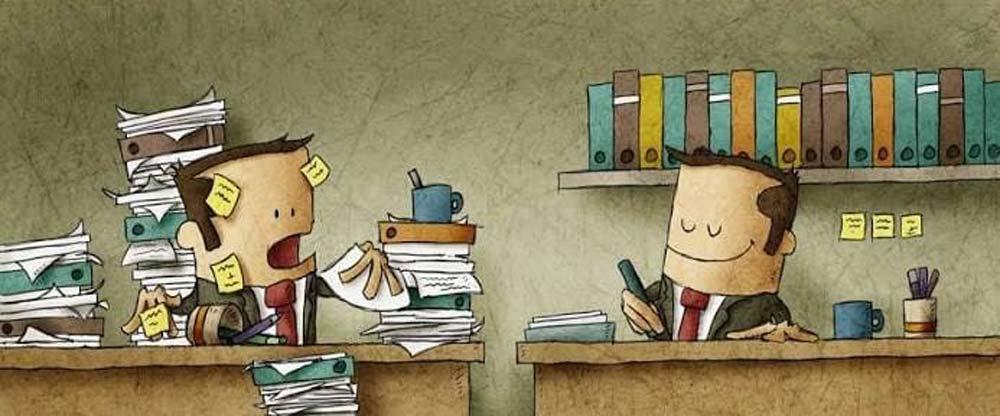
Imagine two people completing the same task. One has a reputation for consistently delivering excellent work. The other is known for being inconsistent. If both make the same mistake, the first person's mistake can somehow attract more attention. Not because it caused more damage, but because it disrupted the image people had created of them. We often reward consistency by raising the standard instead of recognising the consistency itself. That can become exhausting.
There is a particular kind of pressure in being the person who is "always on." You begin to feel like you cannot have an off day because people might notice. You hesitate before admitting that you forgot something. You worry about asking a question because everyone assumes you already know. You might even avoid taking risks because you know that failure will feel more visible when people have already placed you on a pedestal.
And pedestals are uncomfortable places to live.
Nobody talks enough about how isolating it can be to be seen as the strong one. People assume you can handle it. They assume you will figure it out. They may come to you with their problems because you are good at solving things, while forgetting that you also have moments when you need someone else to say, "It's okay. You made a mistake."
That sentence should not be reserved for people who are already struggling.
Perhaps we need to stop treating mistakes as evidence of who someone is and start treating them as evidence that someone is human. One mistake does not erase years of discipline. Forgetting something does not suddenly make a responsible person irresponsible. Having a bad day does not cancel out someone's work ethic. Making the wrong decision does not automatically make a good leader a bad one.
The truth is, the people we admire for always having it together probably do not actually have it together all the time. They have simply become very good at making it look that way. Maybe the person who is usually ten steps ahead deserves the same room to be one step behind sometimes. Maybe the person who always helps others deserves to be helped without having to earn it. Maybe being disappointed in someone should not mean forgetting everything they have done before that moment.
Because if we only appreciate people when they are performing perfectly, what we are really appreciating is not the person. We are appreciating their performance.
And perhaps the people we place on the highest pedestal are the ones who most need to know that they are allowed to step down from it occasionally. They are allowed to forget. They are allowed to be tired. They are allowed to miscalculate, misunderstand, arrive late, miss something or simply get it wrong. Being the reliable one should never mean being the one person who is not allowed to fail.
Simply, the people who seem to have it all together simply need the same grace they so easily give everyone else.