The Hidden Cost of Hustle Culture

By Aneeq Shakoor
“Work harder. Sleep later. Success never rests.”
These are the phrases that have come to define hustle culture, and you would’ve heard it from someone, somewhere down the line. A mindset that glorifies constant productivity and celebrates always being busy. Although some might enjoy it, across social media, successful entrepreneurs and influencers often showcase long working hours, early mornings, and packed schedules as the only path to achievement. While ambition and dedication are admirable qualities, the pressure to always be productive comes with a hidden cost that many people fail to recognize.
Today, hustle culture has become more than just a trend; it has become an expectation. Whether it is students striving for perfect grades while balancing extracurricular activities, young professionals working overtime to climb the corporate ladder, or freelancers taking on multiple projects without rest, many people feel guilty whenever they are not working. Rest is often mistaken for laziness rather than being recognized as a necessity which is the case with most Gen-Z nowadays.
According to the World Health Organization (WHO) and the International Labor Organization (ILO), working 55 hours or more each week significantly increases the risk of stroke and heart disease. Their joint study estimated that hundreds of thousands of deaths each year are linked to long working hours. These findings highlight that excessive work is not simply exhausting, it can have serious consequences for physical health which not many seem to realize through the façade of doing everything to earn that few extra bucks.
Mental health is equally affected. Research by Gallup found that employee burnout has become increasingly common worldwide, with many workers reporting feelings of stress, emotional exhaustion, and reduced motivation. Burnout is more than just feeling tired after a long day; it is a state of chronic physical and emotional exhaustion that can take months to recover from. Although some blame it on work colleagues who seem to ruin the mood, that extra meeting someone had to sit for which instead could have just been summarized into a few words, into a message and sent on a team group. They tend to completely void the fact that it is they themselves who put their selves through this torture.

Social media has played a major role in reinforcing hustle culture. Platforms such as Instagram, TikTok, and LinkedIn are filled with productivity routines, “5 a.m. morning schedules,” and success stories that often show only the highlights. Rarely do these posts reveal the sacrifices behind the scenes like missed family events, declining mental health, loneliness, or physical exhaustion. Constantly comparing ourselves to carefully curated online lives can create unrealistic expectations and leave many feeling as though they are never doing enough.
Ironically, working more does not always mean achieving more. Studies have shown that productivity declines when people work for extended periods without adequate breaks. Fatigue reduces concentration, creativity, and decision-making abilities, making mistakes more likely. Many successful companies have even experimented with shorter workweeks and flexible schedules, reporting improved employee satisfaction while maintaining or increasing productivity and relax periods within work hours to pause and chill.
If I had to go forward and propose a solution on having to redefine what success meant if the need for it arose, I’d put it as the ability for an individual to perform a said task with no unfortunate fall back on his/her health, wellbeing and social life while also serving their purpose in the workplace or respective task given
Being a student, I believe I speak for all of us, the pressure can be particularly intense. Academic excellence, leadership positions, internships, volunteering, sports, and maintaining an active social life are often viewed as essential for future success. While these experiences can be valuable, constantly chasing achievements without allowing time to rest can lead to stress, anxiety, and burnout before a career has even begun.

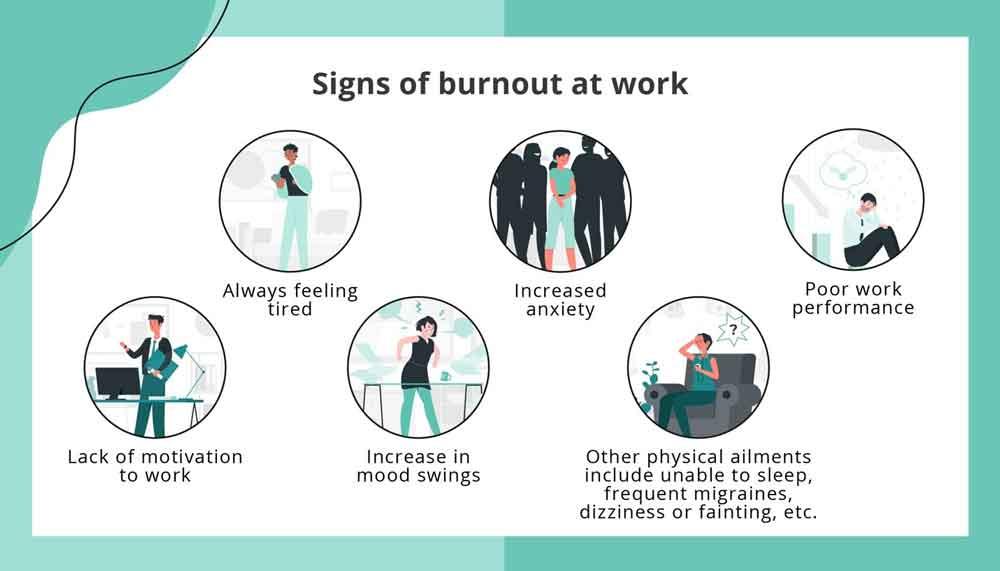
Some key signs of burnout include:
- Constant exhaustion – Feeling physically and mentally drained, even after resting.
- Reduced motivation and productivity – Losing interest in work or studies and struggling to complete tasks.
- Difficulty concentrating – Finding it hard to focus, remember information, or make decisions.
- Increased irritability or emotional detachment – Becoming easily frustrated or feeling disconnected from others and your work.
- Physical symptoms – Frequent headaches, poor sleep, changes in appetite, or getting sick more often due to prolonged stress.
The problem is not ambition itself. Setting goals, working hard, and striving for success are all important. The issue arises when self-worth becomes measured solely by productivity. Everyone needs time to recover, spend time with loved ones, pursue hobbies, and simply do nothing occasionally. These moments are not distractions from success; it is instead what makes long-term success sustainable.
Experts increasingly emphasize that balance, rather than constant hustle, leads to healthier and more fulfilling lives. Taking breaks improves creativity, sleep enhances memory and learning, and maintaining personal relationships contributes significantly to overall well-being. Success should not come at the expense of health.
As society continues to celebrate achievement and hard work, perhaps it is time to ask a different question. Instead of admiring how busy someone is, maybe we should admire how well they balance ambition with well-being. After all, success means little if we sacrifice our health and happiness in the pursuit of it.
The hidden cost of hustle culture is not measured in hours worked or money earned, it is measured in missed moments, declining health, and lives lived at a pace too fast to truly enjoy. The challenge for this generation is not learning how to work harder but learning when it is okay to slow down.