The Eternal Melody of the Baila Queen: A Tribute to Spirit of Mariazelle Goonetilleke
By Thaliba Cader
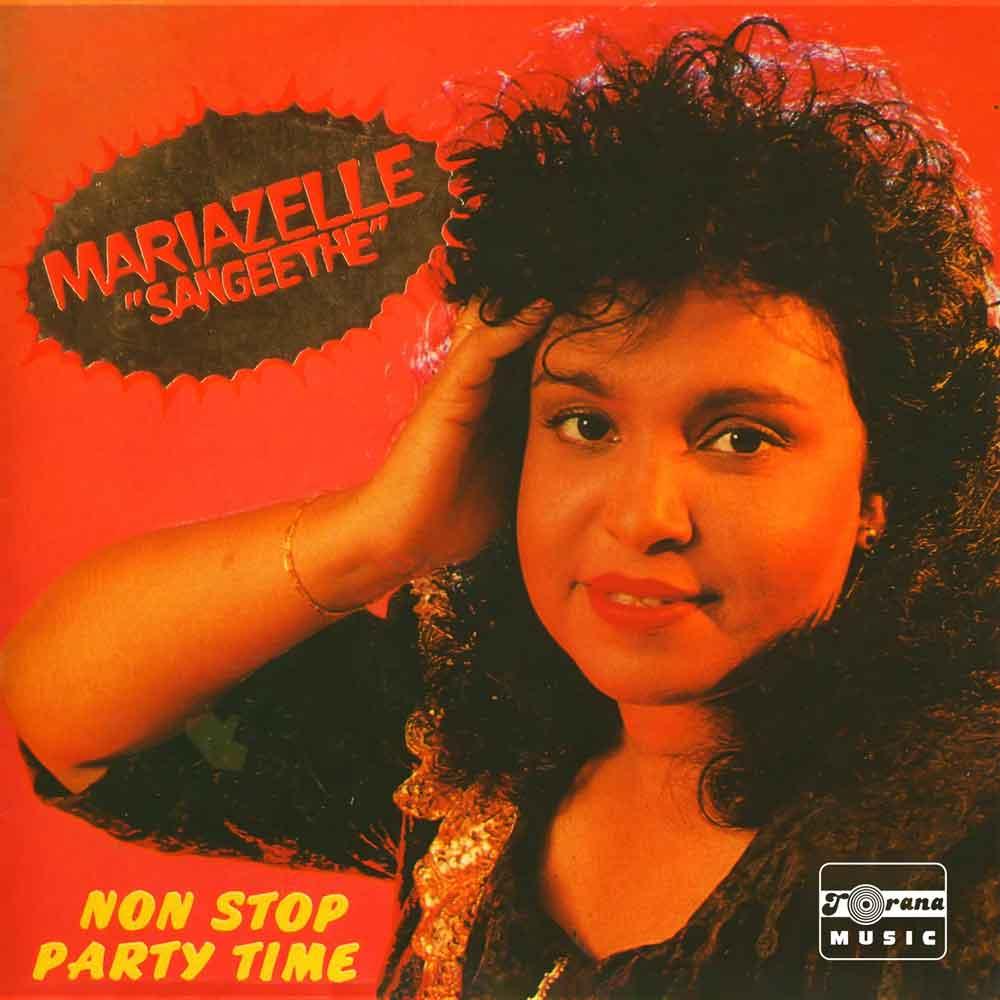
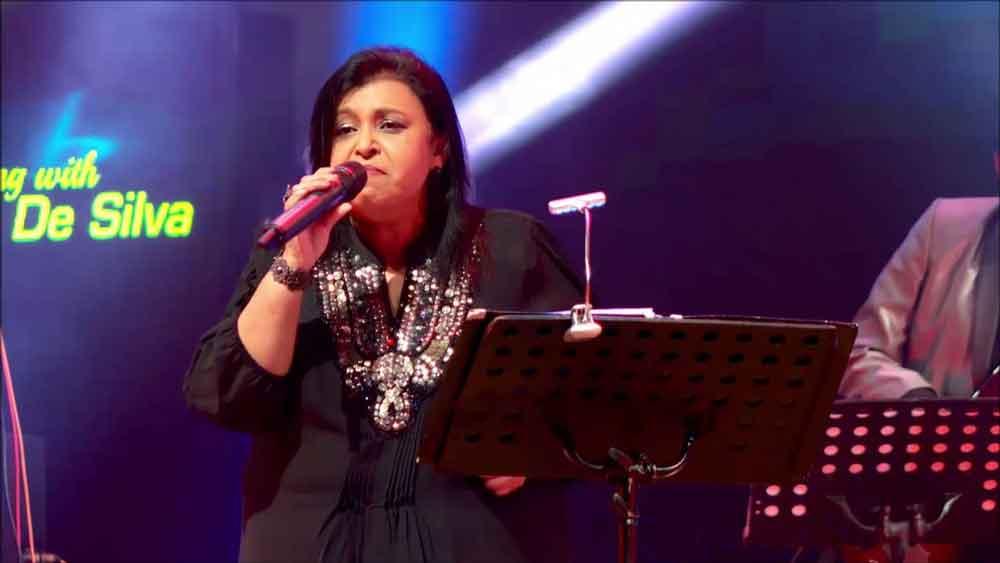
The stage lights have dimmed, the final chord has vibrated through the speakers, and a profound, echoing silence has fallen over the Sri Lankan musical landscape. The passing of Mariazelle Goonetilleke marks the end of a golden, irreplaceable era in the island’s cultural history. For over five decades, Mariazelle was not merely a singer; she was a force of nature, an architect of joy, and a trailblazer who redefined what it meant to be a female entertainer in Sri Lanka.
Known affectionately to millions simply as Mariazelle, she carried the title of the "Baila Queen" with an effortless grace and an infectious, radiant energy. Her voice was the soundtrack to our happiest moments, our weddings, our cricket matches, our spontaneous family get-togethers, and our late-night sing-alongs. To imagine the Sri Lankan pop aesthetic without her contribution is to imagine a canvas stripped of its most vibrant colors.
As we mourn her departure, we also celebrate a life lived with immense courage, deep faith, and an unwavering commitment to the art of spreading happiness. This is the story of a girl from Colombo who conquered the hearts of a global diaspora, faced tragedy with unbreakable resilience, and left behind a legacy that time can never erase.
The Birth of a Prodigy: From Radio Ceylon to National Stardom
Long before she was a household name, Mariazelle was a child prodigy whose innate musicality was evident to anyone who crossed her path. Born into a household that appreciated the arts, she stepped onto a public stage for the first time at the tender age of seven. In the 1960s, Sri Lanka’s musical heartbeat was dictated by the iconic Radio Ceylon, the oldest radio station in South Asia. For a young artist, getting airtime on Radio Ceylon was the ultimate validation.
At just ten years old, Mariazelle competed in the junior section of the prestigious Ceylon Observer All Island Talent Competition. Facing stiff competition from across the country, her raw vocal power, flawless pitch, and charismatic stage presence blew the judges away, securing her a resounding victory.
This win catapulted her into the spotlight, leading to her joining the "Junior Rhythmiers," a popular youth musical group of the era. Listeners tuned in weekly to hear this young girl with a voice that possessed the maturity of a seasoned vocalist but retained the sweet, innocent charm of youth. It was during these formative years that Mariazelle mastered the art of live performance, learning how to read an audience and project her voice with a clarity that would become her signature trademark.
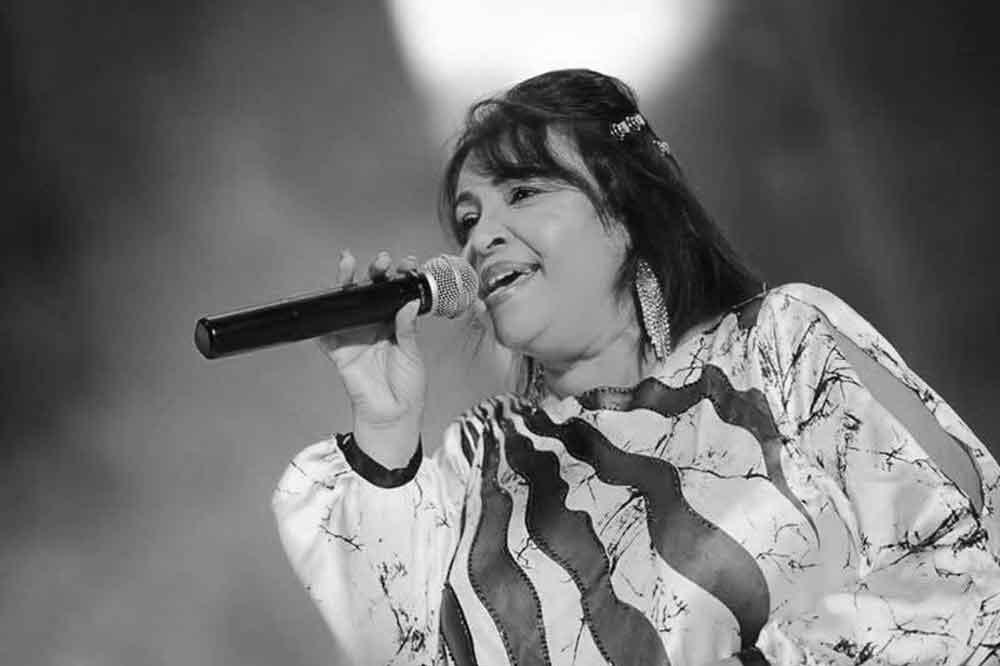
1977 and the Phenomenon of "Kandy Lamassi"
Every great artist has a defining milestone—a singular moment where talent meets the perfect piece of art, changing the trajectory of their life forever. For Mariazelle, that moment arrived in 1977, and it came in the form of a collaboration with the legendary "King of Sinhala Pop," Clarence Wijewardena.
Clarence, a visionary who revolutionized Sri Lankan music by introducing the electric guitar and western pop sensibilities to traditional rhythms, saw in Mariazelle the perfect vehicle for a new track he had composed. That track was "Kandy Lamassi" (The Girl from Kandy).
"Kandy Lamassi, Kandy Lamassi...
Hada ran tharuwen dilisena, lassana kella..."
From the moment the needle hit the vinyl, history was made. "Kandy Lamassi" was an instantaneous, explosive national sensation. It was a masterclass in musical fusion: it possessed the driving, irresistible rhythm of Sri Lankan Baila, the melodic structure of western pop, and a narrative charm that was deeply rooted in local culture.
Following this monumental success, a string of hits followed. Tracks like "Laalu Bila", "Sihina Nelum Mal", and "Gayanna Gee" further solidified her status. Mariazelle proved that she was not a one-hit-wonder but a versatile powerhouse capable of moving seamlessly between foot-tapping Baila, smooth Calypso, soulful pop ballads, and western retro covers.
A Global Ambassador of Sri Lankan Joy
Mariazelle’s appeal extended far beyond the geographic boundaries of Sri Lanka. As hundreds of thousands of Sri Lankans migrated to various corners of the globe over the decades, they took their love for her music with them. Recognizing this, Mariazelle became a tireless global traveler, bringing a literal taste of home to homesick expatriates.
From the prestigious concert halls of London and Toronto to community centers in Melbourne, Auckland, Los Angeles, and the desert cities of the Middle East, Mariazelle toured extensively. For the diaspora, a Mariazelle concert was not just an evening of entertainment; it was a deeply emotional homecoming. When she sang, the distance between foreign lands and the sunny shores of Sri Lanka instantly dissolved. She brought people together, bridging political, ethnic, and social divides through the universal language of her rhythm.
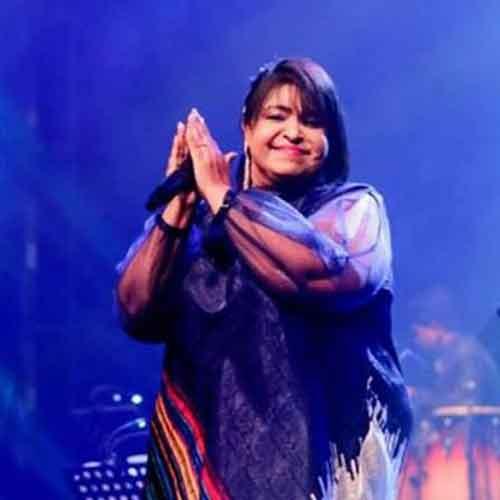
What made her international performances so special was her incredible linguistic and stylistic versatility. A proud product of Sri Lanka's multicultural tapestry, Mariazelle could effortlessly transition from a Sinhalese Baila to an English pop classic, a Tamil melody, or a Hindi favorite. She possessed a rare cosmopolitan charm that made her equally at home singing in a five-star hotel ballroom or a crowded outdoor carnival.
The Legacy That Will Never Fade
It is difficult to quantify the vacuum left by Mariazelle Goonetilleke's passing. In an industry that can often be fickle and fast-moving, she maintained her relevance, her dignity, and her popularity for over half a century. She showed female artists that they could be bandleaders, crowd-pullers, and musical innovators in their own right.
To her family, friends, and colleagues in the entertainment fraternity, she was a warm, encouraging, and fiercely loyal individual. She was always quick to praise younger artists, offering advice without condescension and always wishing the best for the next generation of musicians.
As we bid farewell to this extraordinary woman, we find solace in the fact that an artist of her caliber never truly dies. Her physical voice may have been silenced, but her recorded legacy is immortal.
The Queen of Baila has taken her final bow, leaving the stage of life richer, brighter, and infinitely more musical than she found it. May her journey to the great beyond be filled with the same light and harmony she so generously gifted to the world.
Rest in peace, Mariazelle Goonetilleke. The song in our hearts will always bear your melody.