THE HISTORY WE HAVE NOT TAUGHT: WHAT DO WE OWE THE NEXT GENERATION?
Understanding who we are, where we come from, and what has shaped the society in which we live is an important part of growing up. Our history, our heritage, and the experiences of those who came before us contribute to our sense of identity. But that understanding cannot be confined to our own family or community. It must also extend to the people with whom we share our country, their histories and the experiences that have shaped their lives. Without that broader understanding, we cannot expect the next generation to develop a meaningful sense of belonging to one nation. It is then perhaps worth asking how much of our own recent history we really understand, and how much of it we have passed on to our children.
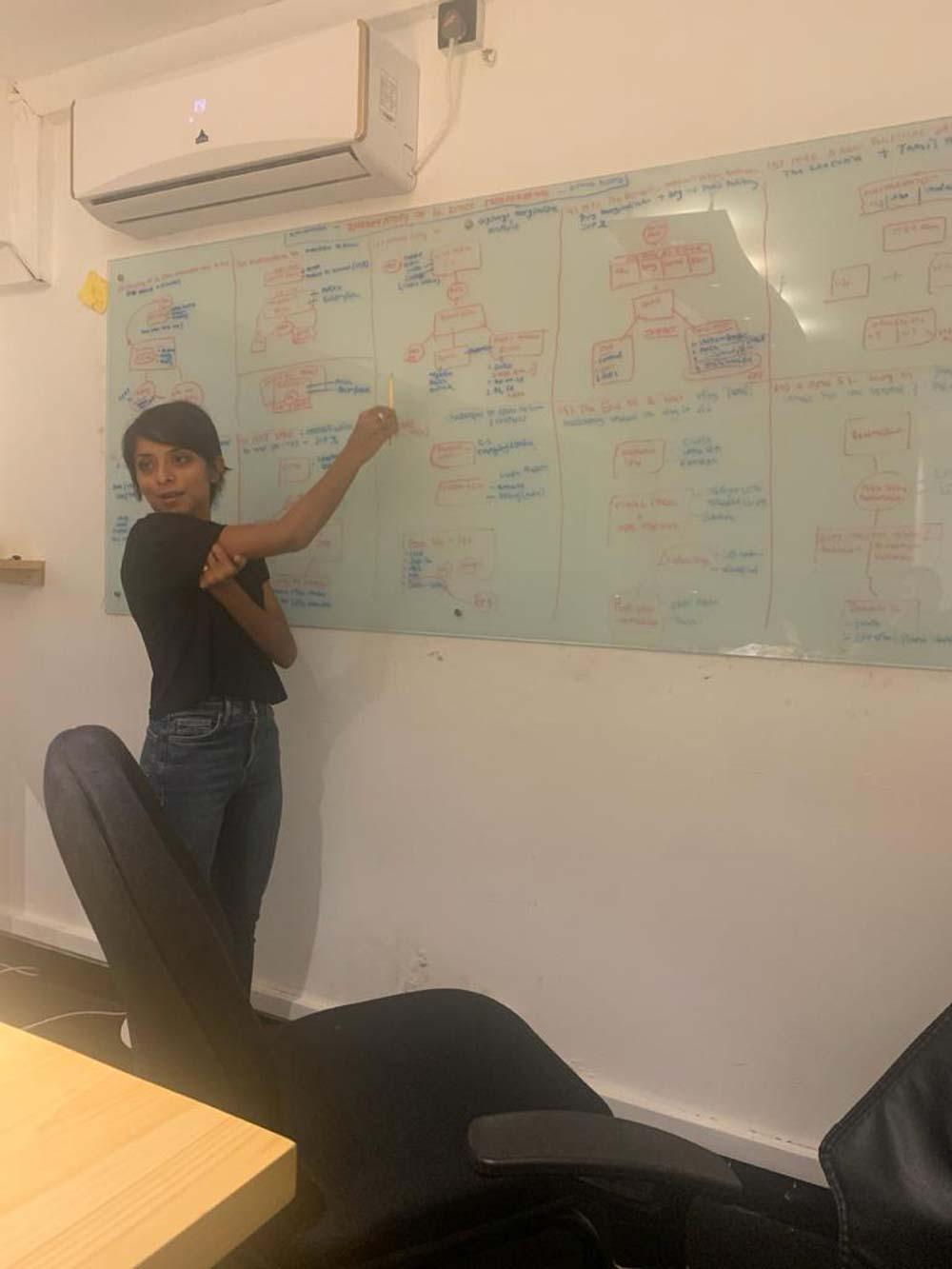
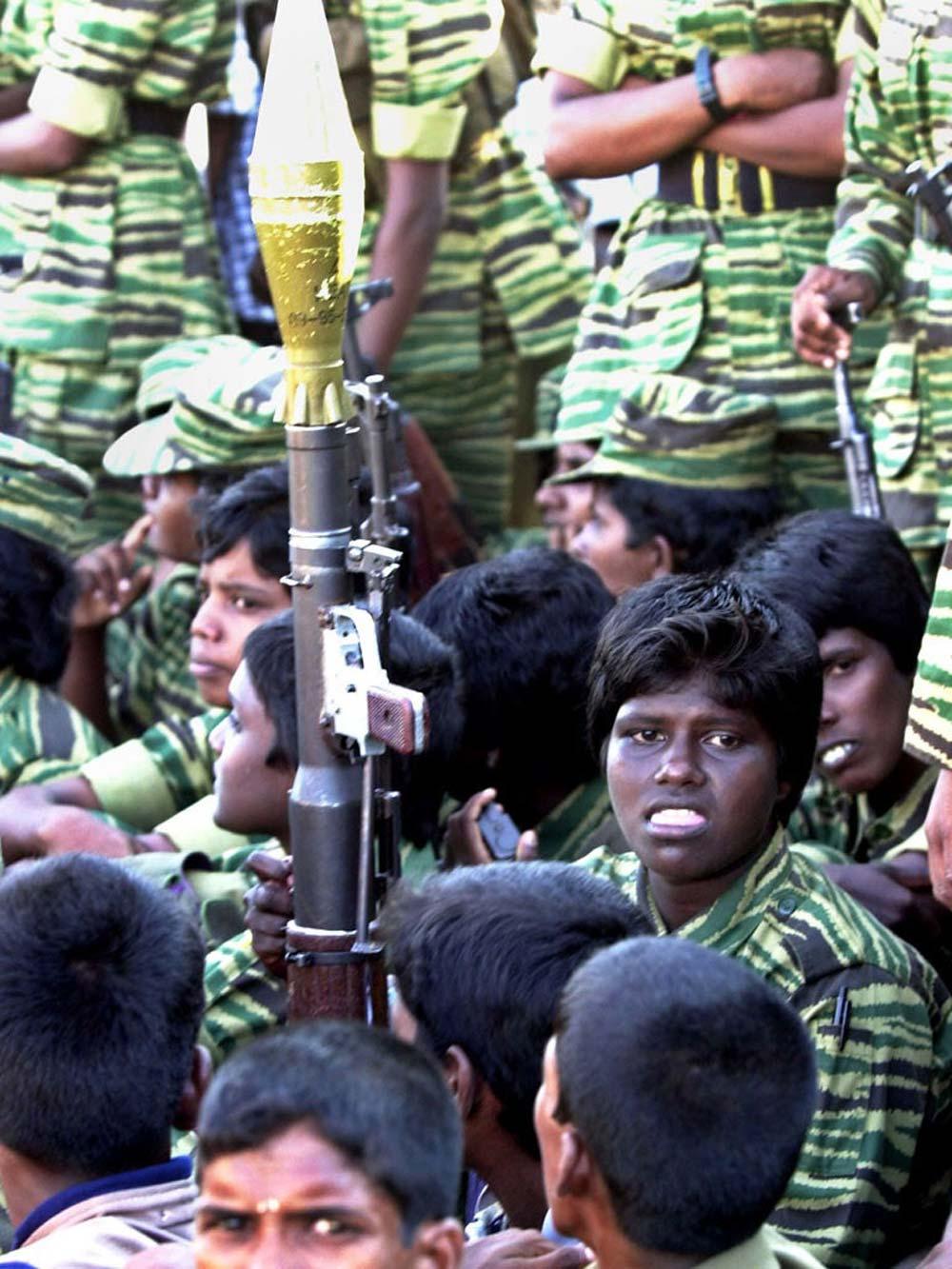
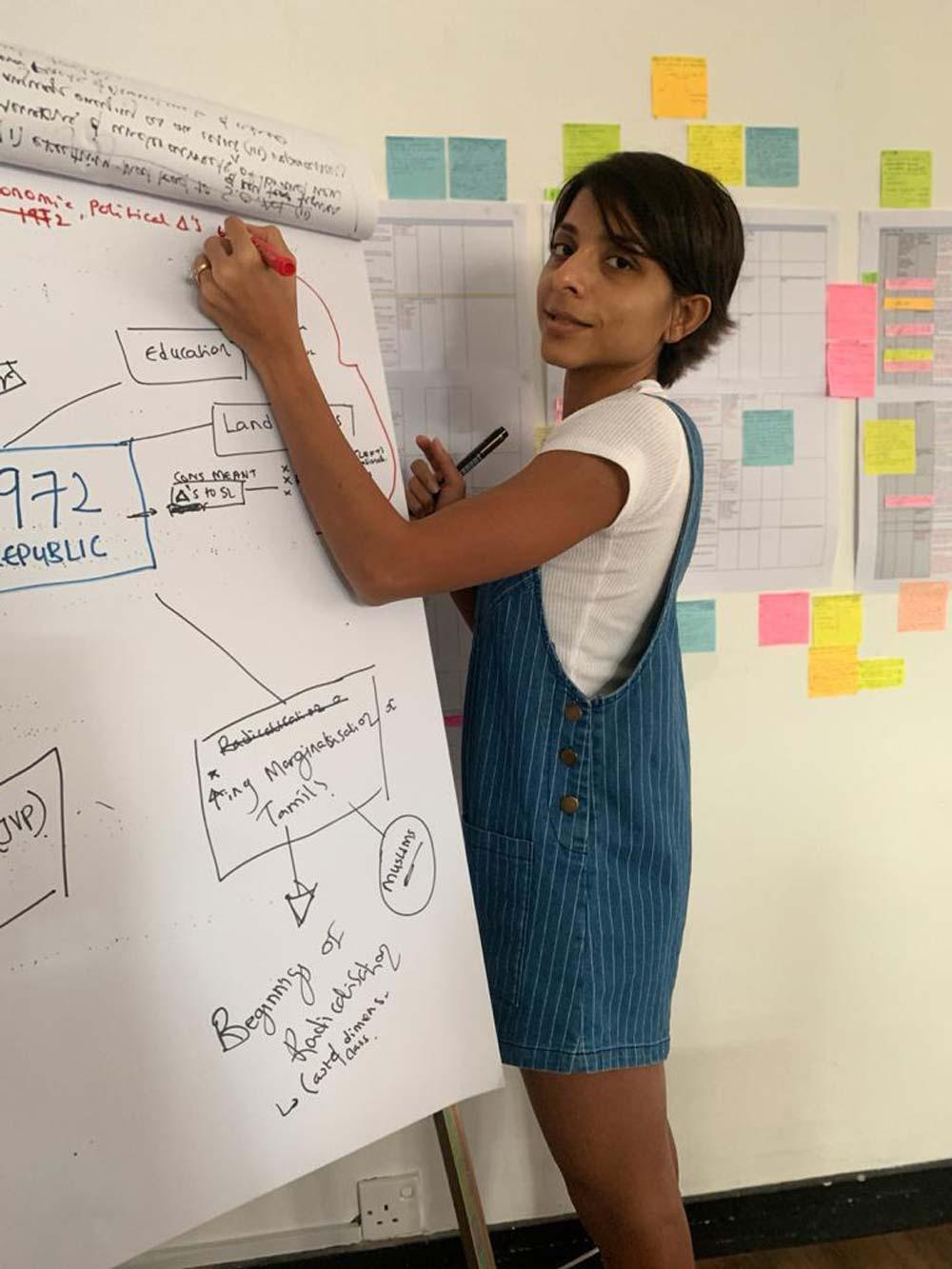
Sri Lanka has experienced decades of political upheaval, insurgencies, ethnic tensions and civil war. Yet much of the history that shaped modern Sri Lanka remains unfamiliar to those who have grown up in its aftermath. It was this gap in our understanding that prompted Sara Kabir to undertake The Teardrop Nation, a four-part documentary series examining Sri Lanka's postindependence history and the events that eventually led to three decades of conflict. Developed over six years, the documentary is an ambitious attempt to bring together historical records, expert perspectives and personal experiences in a format that can reach a wider audience. But Sara's intent goes beyond putting together a sequence of events. She asks us to consider why the country arrived at this point, how the conflict affected its people and, more importantly, what we need to learn if we are to prevent something similar from happening again.
Sara's interest in reconciliation did not begin with the documentary. Her academic journey took her from undergraduate studies at the University of Bristol to The London School of Economics and Political Science (LSE), where she completed a Master's degree in International Development and Humanitarian Emergencies. She also undertook a peacebuilding internship in Cambodia, gaining an understanding of how societies attempt to confront the difficult legacies of conflict. On returning to Sri Lanka, she became increasingly involved in work that sought to build understanding across communities.
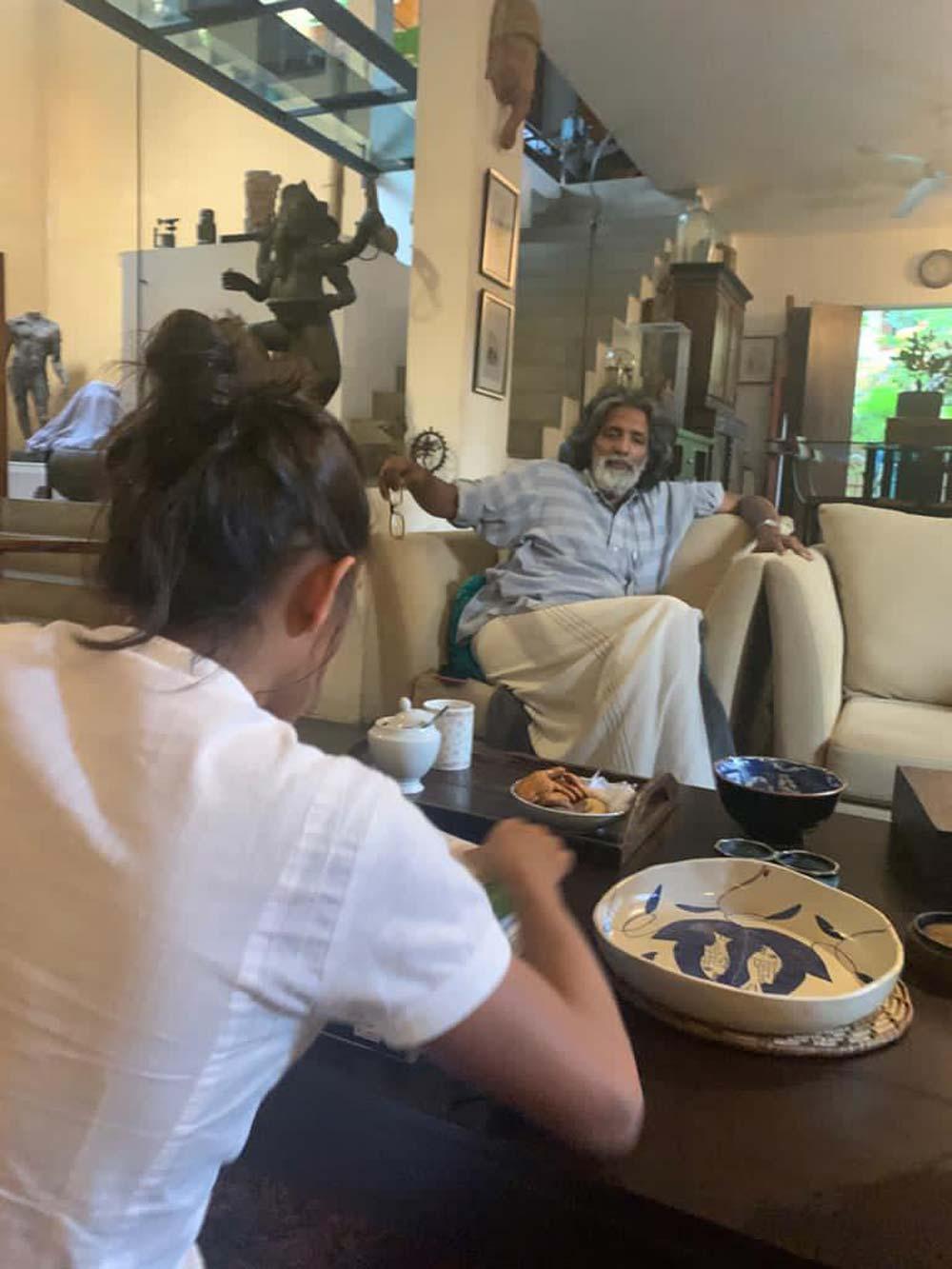
An important part of that journey was Voices of Peace, a book based on conversations with ten former members of the Sri Lankan military and ten former LTTE cadres. These were not oneoff interviews. Sara spent time with the participants, visited their homes and returned to the conversations over a period of time. It allowed interviewees to speak about experiences that were not always easy to put into words. It also challenged some of her own assumptions. She began to understand that individuals who had taken part in the conflict could not simply be defined by the organisations to which they belonged. Their experiences, motivations and personal histories were often far more complicated.
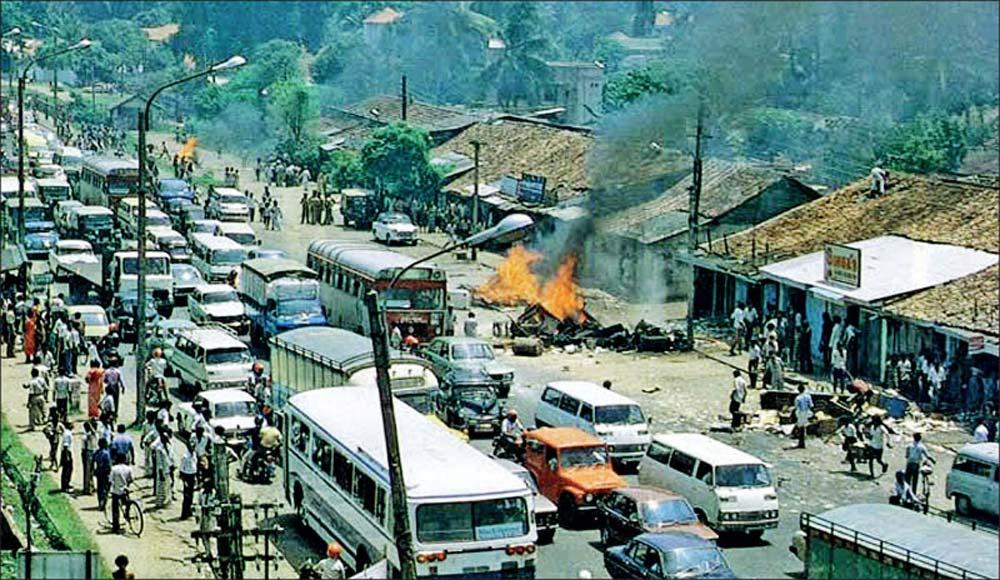
Sara’s work with communities and young people also made her realise how little many knew about the history of their own country. She encountered young people who had never heard of Black July, confused political leaders, or attributed particular policies to the wrong administrations. These were not necessarily students who lacked academic ability. They were young people who simply had not been given the historical context to make sense of the country around them.
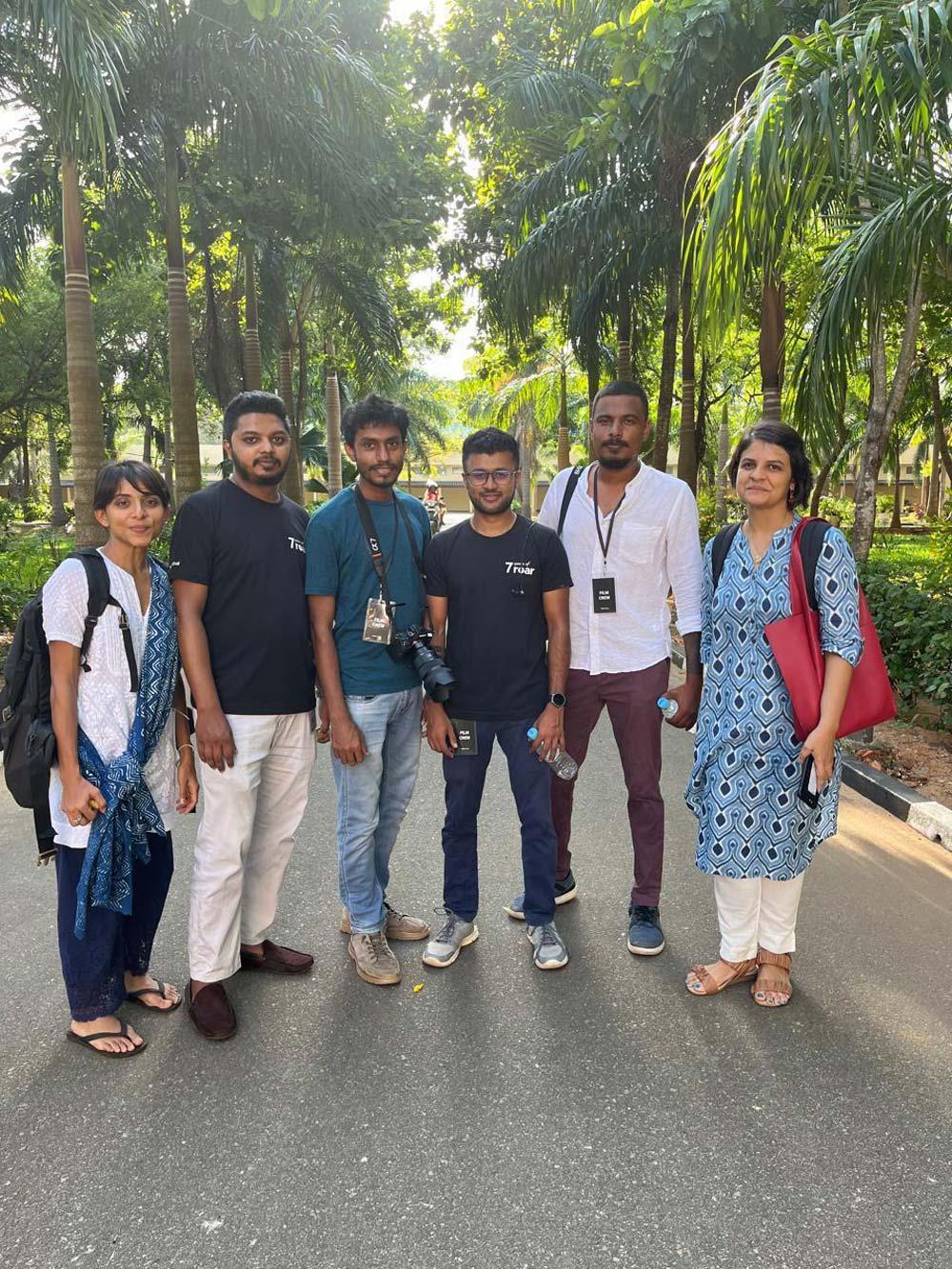
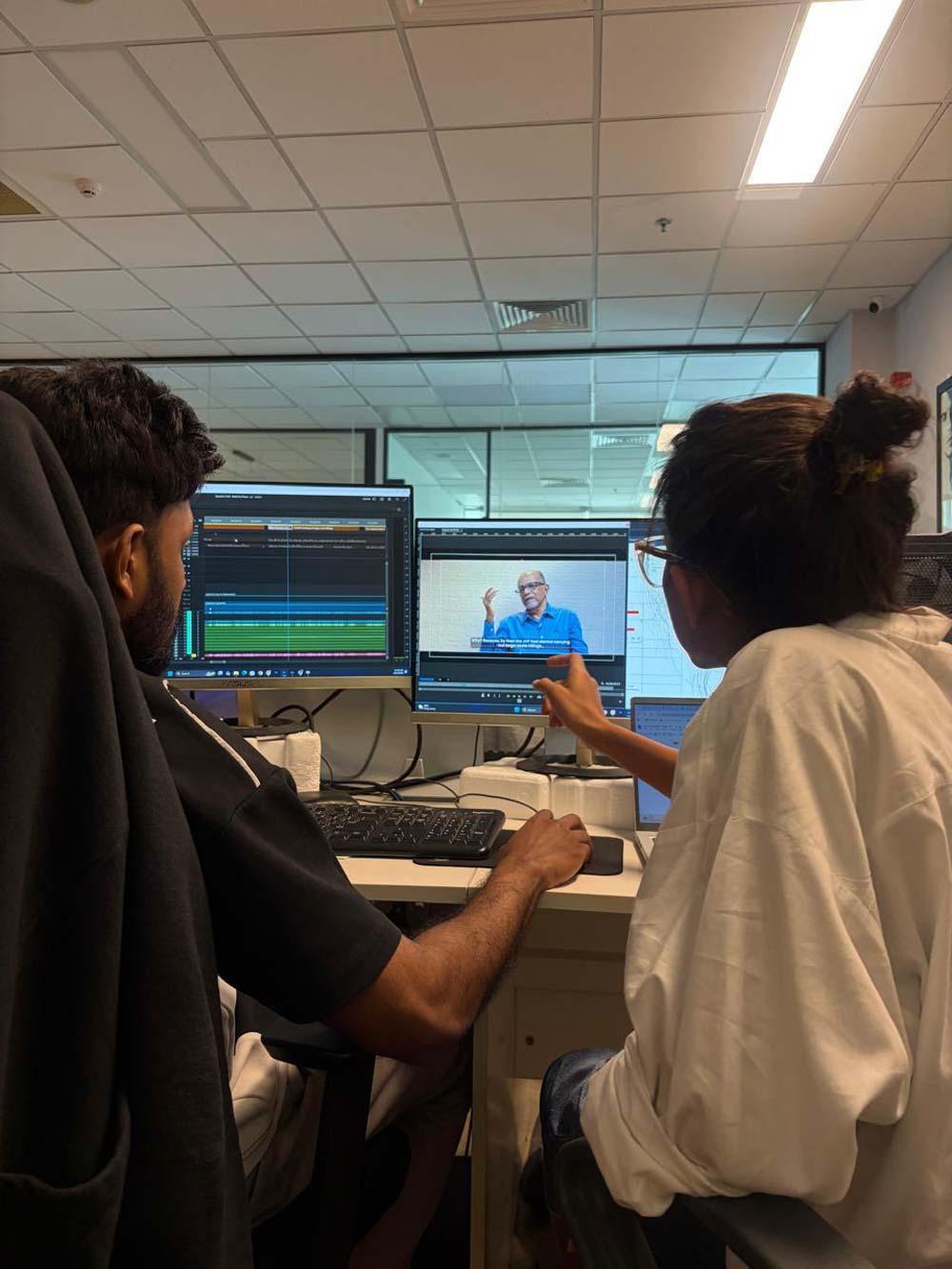
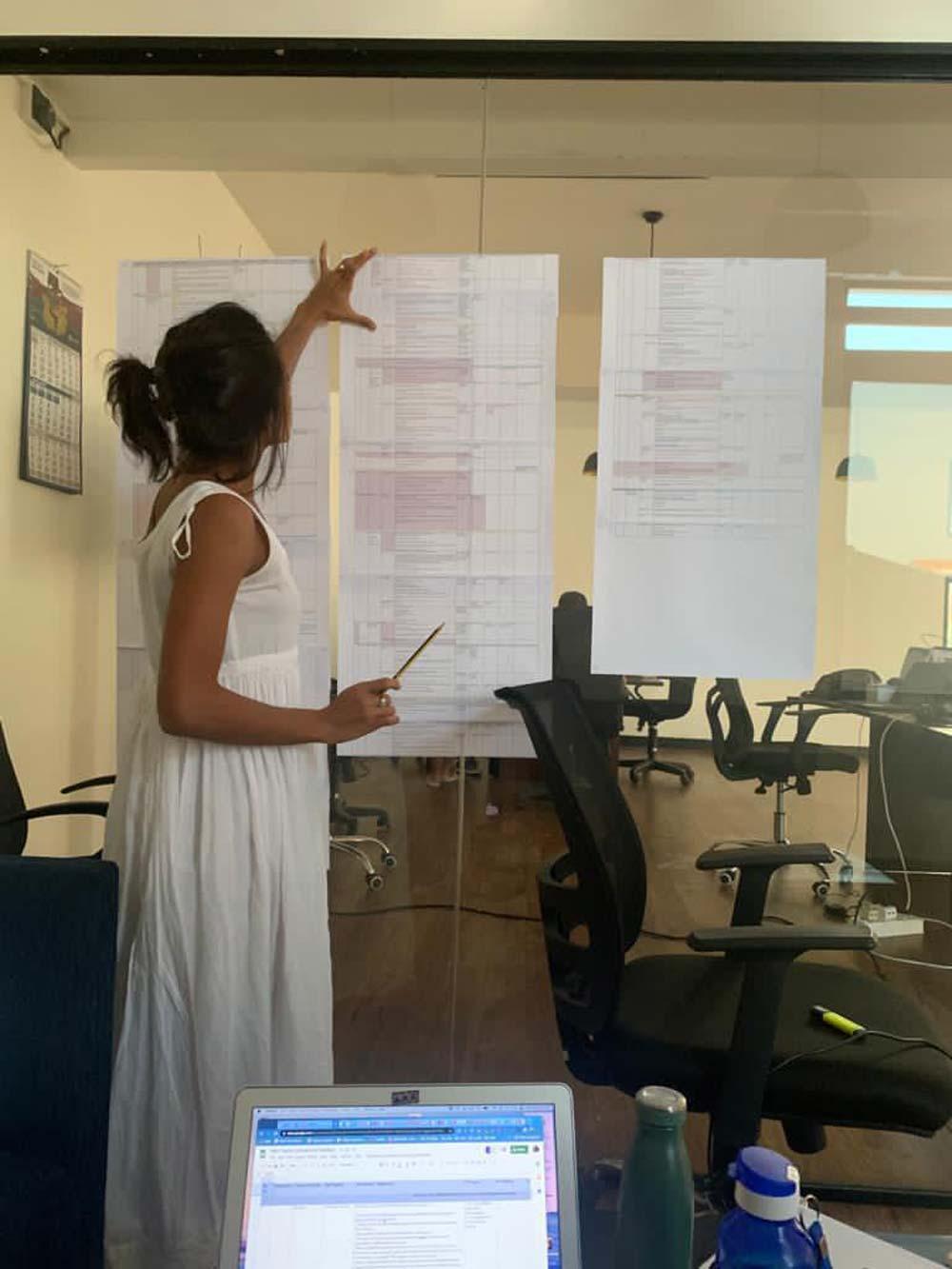
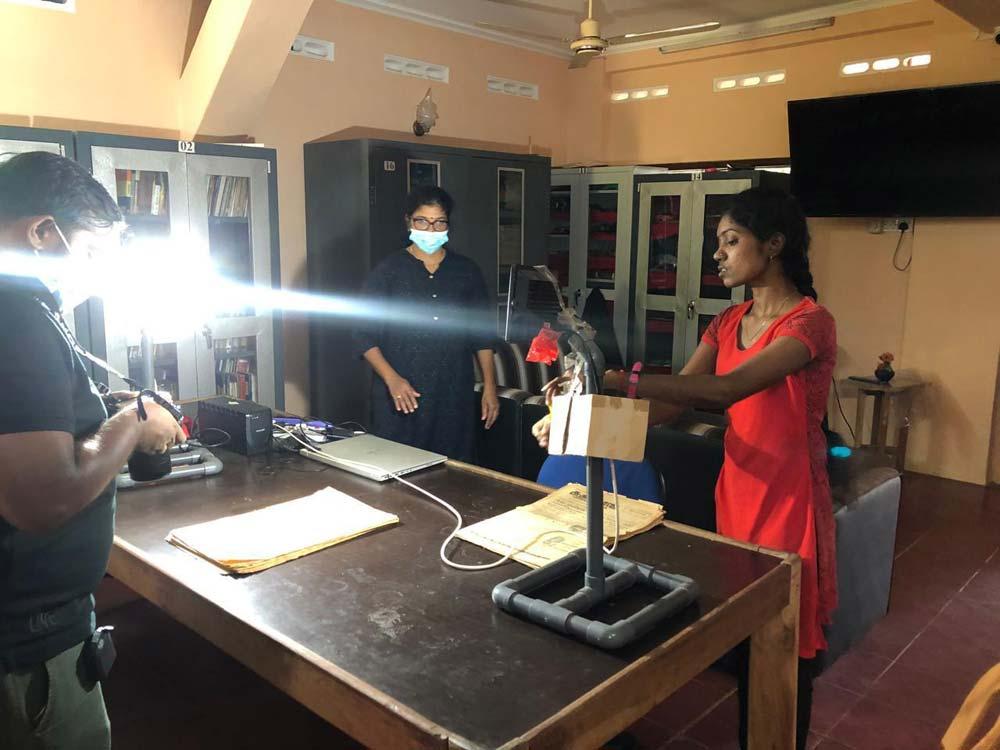
The decision to make a documentary rather than write another book was therefore a deliberate one. Sara felt that film offered the possibility of reaching people who might not otherwise sit down to read a lengthy historical account. The series draws on archival material, historical research, expert commentary and personal testimony. Over the course of the project, thirtythree formal interviews were conducted and over fifty experts and academics consulted, all representing different political positions, communities and experiences. Five key academic consultants also provided guidance.
The scale of the undertaking is worth recognising. Accessing historical records, finding people with first-hand knowledge and attempting to present a politically sensitive history in a way that remains accessible are not easy tasks. Nor can every event, political calculation or personal experience be accommodated within four episodes. Sara is conscious of these limitations. Her aim was to establish the broader sequence of developments and give viewers a starting point from which to explore the subject further. And perhaps that is where the documentary becomes particularly interesting. It invites us to consider not only what we know about our history, but also what we have never thought to ask.
A timeline can tell us what happened and when. It does not always tell us why. Behind the dates and decisions are political calculations, competing interests, personal ambitions and social conditions. Knowing that a law was passed, for instance, is not quite the same as understanding what it meant to the people who had to live under it. Consider, for example, the Sinhala Only Act of 1956. We can learn when it was introduced, understand the political circumstances surrounding it and study its consequences. But what did it mean in the everyday lives of Tamil-speaking citizens? What was it like to deal with official correspondence or ordinary administrative matters in a language that was not one's own? How did these experiences affect a person's sense of belonging and equality within the country? It is through such questions that a historical policy becomes more than a date or a paragraph in a textbook, and we begin to understand what it meant to live with its consequences.
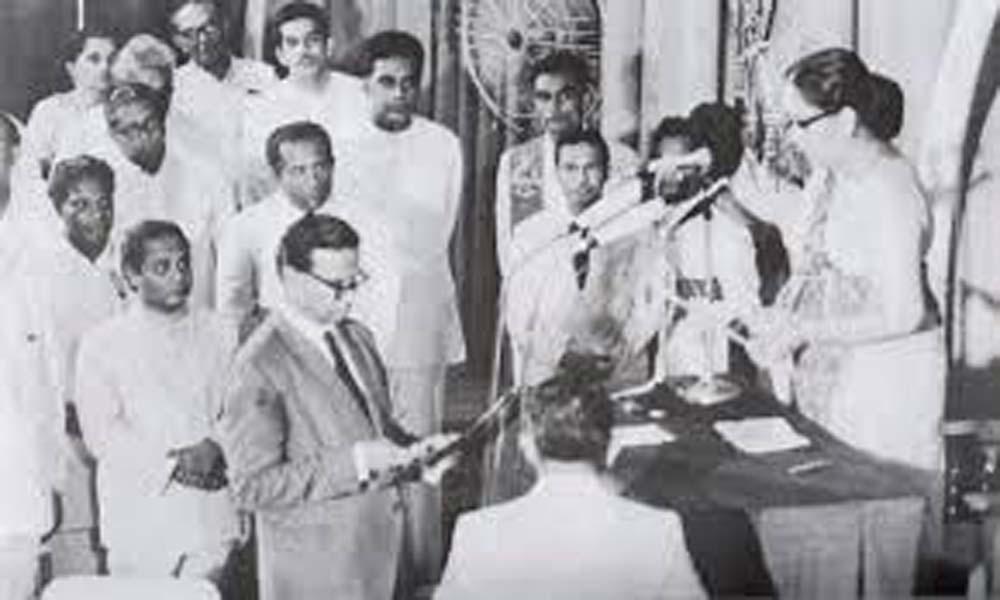
There is also the question of how far back we should go when looking at the origins of the conflict. The documentary begins in 1948, with independence and the point at which Sri Lankans assumed responsibility for governing their own country. It is an understandable starting point. But perhaps there are things we need to look at before then. The Donoughmore Constitution of 1931 introduced universal adult franchise and changed the way people participated in the country's politics. Then, in 1936, S.W.R.D. Bandaranaike formed the Sinhala Maha Sabha, with the stated intention of promoting Sinhala culture and interests. There was nothing wrong with wanting to preserve a culture or give it greater recognition. But we should also consider what happens when cultural identity becomes a political identity. In giving the Sinhala community a distinct political voice, the Sinhala Maha Sabha helped establish a distinction between the interests of the Sinhala Buddhist majority and those of the country's other communities. That distinction would become increasingly significant in the years that followed. It did not make conflict inevitable, but it is part of the story we need to understand.
The divisions that eventually shaped our country did not suddenly appear in 1948.
The same question of depth arises when we consider the experiences of different communities. The documentary necessarily concentrates on the principal political actors and movements that shaped the post-independence period. But the histories of Sri Lanka's minority communities are not interchangeable, and they cannot simply be treated as secondary to the story of successive governments, the JVP and the LTTE. The experiences of Muslims, in particular, deserve careful consideration, as do the consequences of political violence and displacement for communities whose stories are less frequently heard. Sara acknowledges that she could not explore every community in the depth she would have liked. That is understandable, given the breadth of the subject. But it also reminds us that there is more work to be done.
There have also been questions about the documentary's treatment of war crimes and whether some aspects of the conflict could have been examined more fully. Sara’s stance is firm on this point. She states that her intention was not to produce an exhaustive investigation into every allegation, or to turn the series into an exposé; rather, she wanted to examine how the country arrived at war, how people were affected, and what might prevent a recurrence. She was conscious that a documentary intended to encourage reconciliation could easily become another platform for accusation and counter-accusation. Yet there is an important distinction between avoiding sensationalism and avoiding difficult facts. The desire not to antagonise an audience cannot become a reason to leave uncomfortable truths unexamined. Reconciliation cannot be built on omission any more than it can be built on selective remembrance.
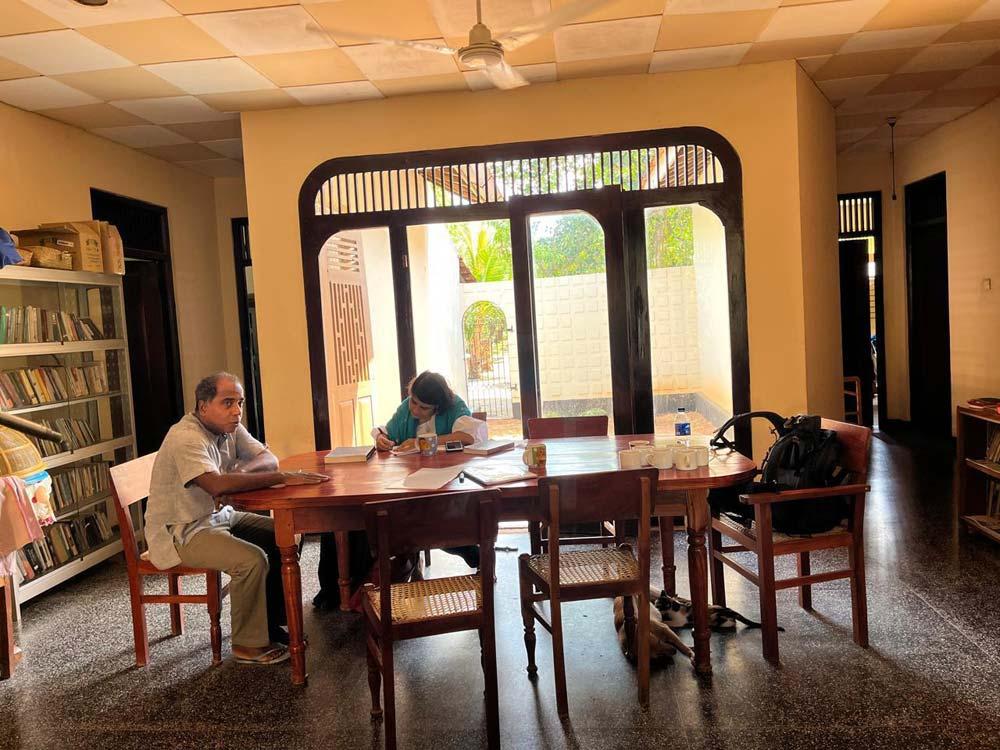
Questions have also been raised about objectivity, including whether Sara's family background might influence the documentary's treatment of particular political parties. Sara says the documentary was independently produced, that she interviewed people from different political positions and covering each side of the conflict, and that the project was never intended to defend any party or administration. Indeed, the series calls into question decisions made by most, if not all, political parties. The range of contributors and the involvement of academic consultants show an effort to bring different perspectives into the discussion, although no list of interviewees can, on its own, establish that every perspective has been represented equally. Viewers are entitled to examine who has been included, what material has been used and how the conclusions have been reached. That scrutiny is part of taking a work of this nature seriously.
At the same time, there is a difference between identifying the limitations of a completed project and undertaking the work required to produce one. Criticism is necessary, particularly when the subject is as sensitive as Sri Lanka's recent history. But the fact that a documentary cannot cover everything should not diminish the value of attempting to bring a difficult subject into public discussion. Its limitations deserve to be examined, but so does the effort involved in making it.
One of the more revealing aspects of my conversation with Sara was the way she spoke about reconciliation. She recalled the evacuation of Tamil civilians from Colombo by ship following the anti-Tamil violence of July 1983. As violence spread through the city, thousands of Tamil civilians sought refuge in temporary camps. On 29 July, the Government began transporting refugees by cargo ship to Jaffna. The fact that people had to be taken away from their homes because it was no longer safe for them to remain in their own city says much about the failure to protect citizens from communal violence. Sara spoke of imagining herself in that situation with her own three-year-old daughter. What would it be like to leave one's home and be transported elsewhere because one's identity had made it unsafe to remain where one belonged? She was not suggesting that her own circumstances were comparable to those of the families who experienced the violence. Rather, she was trying to understand the event from the perspective of the people who had lived through it. That ability to look beyond our own experience is central to reconciliation. It does not require us to abandon historical analysis, nor does it mean that responsibility for different acts of violence should be treated as identical. It asks something rather more fundamental: are we willing to understand what another person experienced, even when that experience is far removed from our own?
For those of us who grew up in Sri Lanka during those years, some of these events are not simply dates in a historical account. They are part of our memories of ordinary life. Before mobile phones, a bomb blast or an attack could leave families waiting for news, with no easy way of knowing whether someone who had left home that morning was safe and would return home that evening. During the second JVP insurrection, threats and intimidation affected doctors, hospital staff, teachers and their families. Schools were disrupted, universities closed and ordinary routines became difficult to sustain. Parents worried about their children's education. For some families, sending their children overseas became less a question of opportunity than one of security and continuity.
The consequences of political violence are often measured in deaths, injuries and destruction. Those figures matter. But there is another cost that is harder to record: the years of education interrupted, the opportunities lost, the fear that became part of everyday life and the decisions families were forced to make simply to keep their children safe. There is also the loss of a community's collective memory. The burning of the Jaffna Public Library in 1981 was one such loss. A repository of knowledge, literature and history, it represented far more than a collection of books. Its destruction deprived a community of an important part of its cultural and intellectual heritage. Some losses are felt across generations.
I remember returning to Sri Lanka as a child in the mid-eighties, having spent my early years in a small Sri Lankan community in Africa. At school, we had Sinhalese, Tamil, Muslim and Burgher girls in the same classrooms. We played together and shared our lives without giving much thought to the labels that adults attached to us. It was only gradually that I began to understand how differently the world outside school could look. I remember buying some inexpensive Tom and Jerry pencil-top rubbers and giving them to my classmates. The following day, three of the Tamil girls apologetically returned theirs. Their parents, they explained, did not want them accepting gifts from a Sinhalese girl. It was a small incident, but for a child it was a bewildering introduction to the fact that something as simple as friendship could be viewed through the lens of ethnicity.
There were also people who chose to act differently. During the violence of 1983, my grandfather sheltered Tamil neighbours in his home. It was not a political statement. It was a decision to protect people who needed protection. Individual acts of kindness cannot undo the damage of communal violence, but they remind us that history is shaped by choices as well as circumstances. We inherit the consequences of decisions made before us; we are not obliged to inherit the prejudices that may have accompanied them.
And this is perhaps where the question of education becomes so important. What exactly are we teaching our children when we teach them history? Are we giving them a list of dates, names, political parties and events to remember for an examination? Or are we helping them understand how decisions made by individuals and governments affect the lives of ordinary people? Are they encouraged to ask why certain policies were introduced, whose interests they served, who was excluded and what followed? Do they learn about the experiences of communities other than their own? A child who knows that Black July took place in 1983 has acquired a piece of historical information. A child who begins to understand what led to the violence, what happened to those caught up in it and how it changed lives has begun to acquire historical understanding. There is a difference. Without context, facts can become disconnected fragments, repeated without question and allowing inherited assumptions to take the place of knowledge.
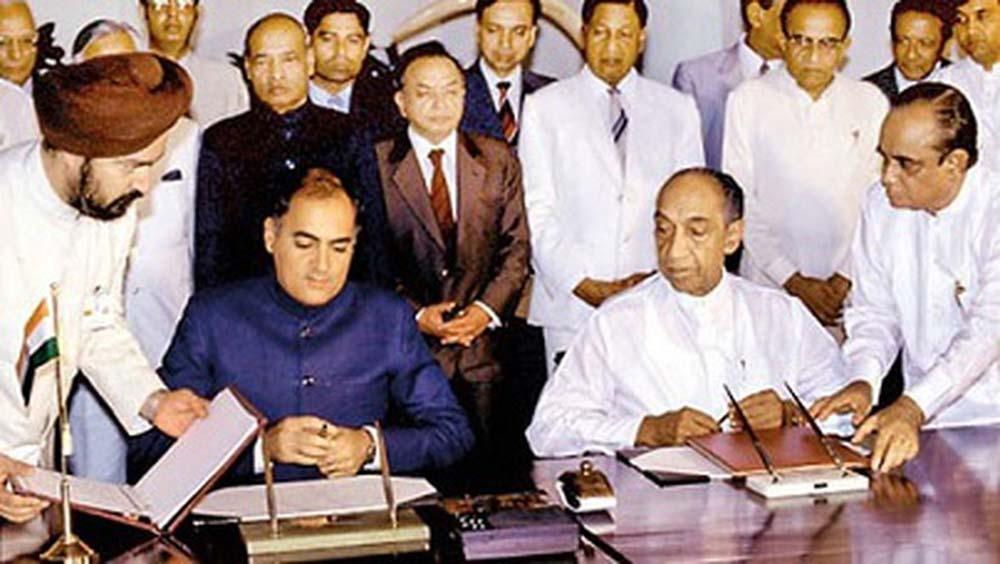 I have often wondered whether we underestimate the importance of teaching children the history of the country in which they live. We are understandably concerned about examination results, university admissions and the qualifications that will open doors for them. Yet a young person can be academically accomplished and still have very little understanding of the society around them. How can we expect them to make informed decisions, challenge prejudice or participate meaningfully in the future of the country if they do not understand the forces that have shaped it? It is not about teaching children to feel guilty about the past, or passing on the grievances of one generation to the next. Nor should history become a collection of competing claims in which each community is expected to defend its own version of events. Education should give children the confidence to examine evidence, question what they are told and recognise that people can experience the same period in very different ways. They should be able to take pride in their own heritage without believing that the history of one community is more important than that of another. Sara was praiseworthy about the way countries such as Germany have approached the teaching of their own difficult history. The atrocities of the Second World War are not left out of the education of young Germans because they are uncomfortable or painful; rather, they form part of the country's historical understanding. The purpose is not to burden children with the actions of previous generations, but to help them understand what happened and the conditions that allowed it to happen. There is no reason why we should be less willing to have such conversations with our own children.
 Sara hopes that The Teardrop Nation will eventually be available in Sinhala and Tamil, in addition to English, and that it will find a place in discussions within schools. That, for her, would be a worthwhile beginning. A documentary cannot replace the work of historians, teachers or a properly developed history curriculum. Neither can four episodes provide a complete account of a country's past. But it can prompt questions, encourage further reading, and give families and young people a reason to begin conversations that might otherwise never take place.
The final episode also raises a question that deserves some thought. Sara reflects on the celebrations that followed the end of the war in 2009, when people gathered to share milk rice and set off crackers. For many, the end of the fighting brought enormous relief. After years of fear and uncertainty, the prospect of peace was understandably welcomed. But how might those celebrations have appeared to people whose experience of the war's end was very different? What did that moment mean to families who had lost loved ones, to those who had been displaced and to communities still struggling with the consequences of the conflict? It is possible to feel relief that a war has ended while recognising that the suffering it caused did not end on the same day. The end of the fighting was a moment of profound significance, but it was not, by itself, the completion of reconciliation. A country must be able to acknowledge that the same event can carry very different meanings for those who lived through it.
 Thirty years of conflict left no community untouched. The losses were not identical, the responsibilities were not equally shared and the experiences of those who suffered cannot be reduced to a single narrative. But the country as a whole lost years of opportunity, trust and confidence in its ability to live together. We cannot change the decisions that brought us here. We can, however, decide what we do with the knowledge of them. And perhaps that is the value of a project such as The Teardrop Nation. It brings a difficult period of our history back into public conversation and reminds us that understanding is something we have to work at. But the responsibility does not end with watching a documentary or debating its conclusions. We have to ask what place this history will have in our classrooms, what questions we will encourage our children to ask and whether we are prepared to let them hear experiences that may challenge what they have always believed.
A country cannot build a shared future by asking its children to look away from the past. They need to know where they come from, but they also need to understand the histories of those with whom they share this island. They need to learn that identity need not be built on suspicion of another, and that understanding another person's experience does not diminish their own. Perhaps the greatest measure of whether we have learnt anything from thirty years of conflict will not be how well we remember who won the war, or how often we commemorate its end. Rather, it will be whether we have raised a generation that understands why it happened, recognises the human cost and has the knowledge, judgement and courage to ensure that it never happens again.