Leadership with Purpose: Nadeeka Jayathilaka on Reinvention, Empathy, and the Future of Work


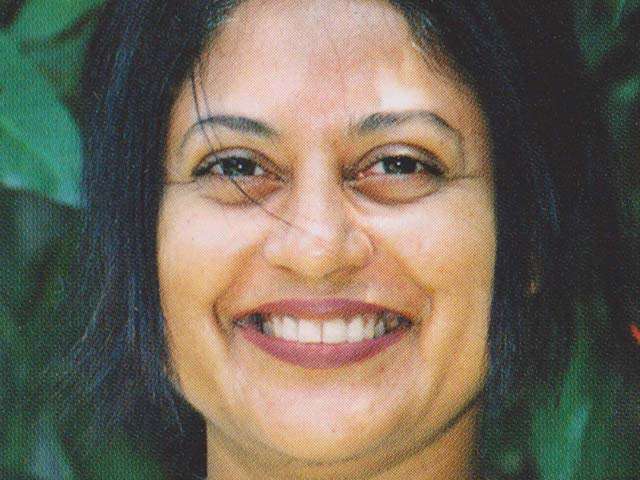
With over two decades of experience spanning administration, human resources, and organizational leadership, Nadeeka Jayathilaka’s career is a testament to the power of reinvention and purpose-driven leadership. An award-winning administrative professional who rose to national and Asia-wide recognition early in her career, she made a bold transition into Human Resources—reshaping her professional identity and expanding her impact. Today, as Director, Human Resources at the Information and Communication Technology Agency of Sri Lanka (ICTA), she brings a rare, holistic understanding of how organisations truly function: through people.
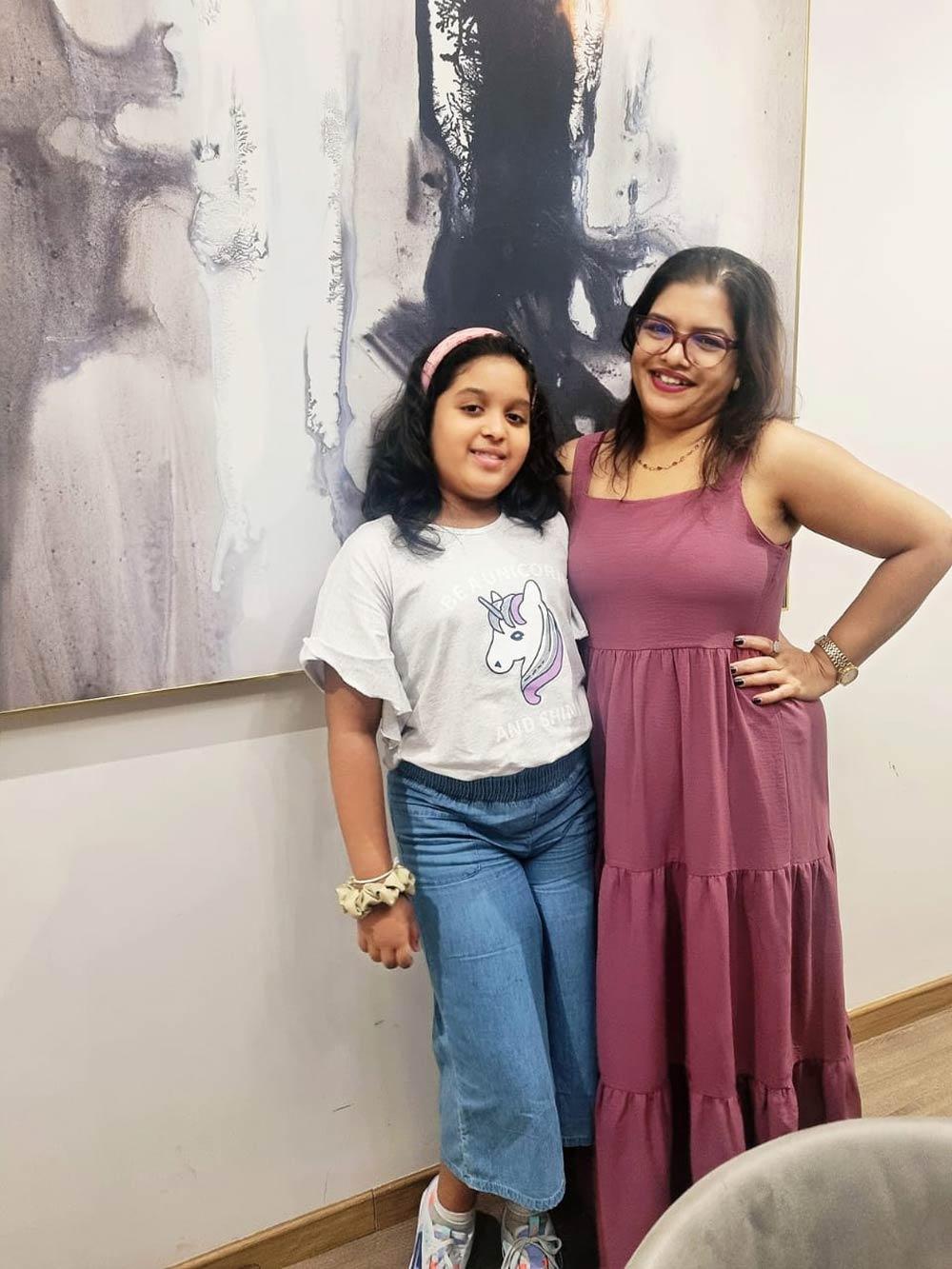
Having led across multinational organizations and diverse industries, Nadeeka is known for blending strategic clarity with deep empathy. Beyond the corporate sphere, she is an internationally qualified soft-skills trainer, an active volunteer, and a devoted mother to one daughter. In this candid interview, she reflects on the defining moments that shaped her leadership, the realities facing working women and parents, the evolving role of HR in an AI-driven world, and why emotional intelligence is no longer optional but essential.
 Q: You bring over 20 years of leadership experience across HR, strategy, and organizational development. Looking back, what defining moments most shaped the leader you are today?
“Leadership, for me, has never been about position; it has always been about perspective.”
My journey began in an administrative role, where discipline, trust, and attention to detail formed the foundation of who I am as a professional. Being recognised nationally and across Asia at an early stage gave me confidence, but it was the courage to step beyond my comfort zone that truly defined my path. Transitioning from executive support into Human Resources was a pivotal decision, it required me to unlearn, relearn, and trust myself in a completely new space.
That shift changed how I saw organizations. I began to view them not just through processes and strategies, but through people, their aspirations, fears, motivations, and untapped potential. Leading teams across diverse industries and navigating periods of change, transformation, and uncertainty strengthened my belief that empathy is just as critical as execution.
Some of the most defining moments of my career have come from mentoring and training others. Watching individuals grow into confident professionals has reaffirmed my purpose as a leader: to create environments where people feel seen, supported, and empowered to rise, often beyond what they imagined possible.
Q: Having worked with organizations like ICTA, Sanofi, and UltraTech Cement, what key leadership lessons did cross-industry exposure teach you?
Working across extremely diverse organizations taught me a simple but powerful truth: while industries differ, people do not. Each environment sharpened a different dimension of my leadership; from agility and innovation in the public sector, to precision and compliance in pharmaceuticals, and resilience and scale in manufacturing.
The most important lesson I learned is that effective leadership is never one-size-fits-all. You must listen before you lead, adapt without losing your values, and respect culture before attempting change. What works in one organization may fail in another, not because the strategy is flawed, but because the human context is different.
Cross-industry exposure expanded my perspective and strengthened my ability to lead with both clarity and compassion. It taught me to balance structure with flexibility, data with intuition, and decisiveness with empathy; regardless of the context.
Q: As a senior HR leader, how can organizations better support working parents, especially women, without compromising performance or growth?
“You don’t lose performance by supporting working parents; you lose it by ignoring them.”
Organizations do not need to choose between growth and empathy. Women do not step back because they lack ambition; they step back when systems fail to evolve. Shifting the focus from rigid structures to results-driven performance allows talent to rise without unnecessary sacrifice.
Flexible work models, supportive leadership, and trust-based cultures enable working parents, especially women, to perform at their best without compromise. When organizations recognise parenthood as a life phase rather than a limitation, they unlock deeper commitment, resilience, and results.
True inclusion is led from the top. When senior leaders normalise flexibility, trust, and empathy, they create pathways for women to lead authentically through every stage of life. Empowering working mothers is not a diversity gesture, it is how organizations future-proof leadership and build sustainable competitive advantage.
Q: What practical workplace policies have you seen make a real difference for working parents, beyond flexible hours?
“Supporting parents isn’t a perk, it’s smart business.”
Globally, the most impactful policies go far beyond flexible hours. Extended parental leave for both parents, phased return-to-work programs, on-site or subsidised childcare, job-sharing options, and remote or hybrid work models all make a tangible difference.
Equally important are mentorship programs for returning parents and clear career progression frameworks that ensure talent doesn’t stall due to life transitions. Across industries, I’ve seen that pairing these policies with empathetic leadership, where outcomes are valued over hours, creates workplaces where working parents not only stay, but thrive.
When parents feel supported rather than penalised, organizations benefit from loyalty, higher engagement, and sustained high performance.
Q: There’s an uncomfortable conversation around women not always supporting other women in the workplace. From your experience, why does this happen and how can it be addressed?
“When women don’t lift each other up, we all lose.”
In my own journey, I have faced moments where I was not fully supported by other women. It was challenging, but I was fortunate to find the inner strength to stand my ground and keep moving forward. Often, this behaviour reflects workplaces that reward scarcity over collaboration, rather than malice.
When opportunities for women are limited, competition can overshadow solidarity. The solution lies in changing systems, not blaming individuals. I have also seen how intentional support, through mentorship, advocacy, and amplifying each other’s voices, can completely transform that dynamic.
When women champion one another, they build confidence, accelerate leadership pipelines, and create workplaces that thrive on empowerment, innovation, and shared success. True progress comes when we consciously choose collaboration over competition.
Q: How can senior women leaders consciously create environments where collaboration replaces competition?
“Collaboration doesn’t happen by chance, it is designed, modelled, and nurtured.”
Senior women leaders must first examine the culture they inherit and the behaviours they model. Setting clear expectations that success is collective, not individual, is key. This means celebrating team wins, advocating for peers, and deliberately creating opportunities for others to shine.
Structured mentorship programs, cross-functional projects, and peer-learning initiatives allow women to share knowledge and resources rather than hoard them. Psychological safety is equally critical, encouraging open dialogue, valuing diverse perspectives, and treating failures as learning moments, not shame.
By normalising empathy, transparency, and shared accountability at the leadership level, senior women leaders can transform workplaces into ecosystems where collaboration becomes the default, unlocking innovation, trust, and resilience.
Q: How do you stay resilient and relevant in a constantly changing corporate landscape?
“Resilience is not about preparing for the storm, it’s about learning to dance in the rain.”
Staying resilient and relevant means embracing curiosity as a daily habit. I intentionally step out of my comfort zone, seek diverse perspectives, and treat every challenge as a lesson rather than a setback. Two decades across multiple industries have taught me that relevance comes from adaptability, continuous learning, and the courage to reinvent yourself without losing your core values.
I also invest deeply in relationships, mentors, peers, and emerging talent, because the people around you shape your vision and keep you grounded. Resilience isn’t just about bouncing back; it’s about evolving, staying purposeful, and turning every change into an opportunity to lead with impact.
Q: Why do you believe emotional intelligence is no longer a “soft skill” but a core leadership competency?
“Emotional intelligence isn’t soft, it’s the backbone of leadership.”
In my journey from administrative professional to strategic HR leader, I’ve learned that understanding people is far more powerful than mastering processes. Technical expertise can deliver results, but emotional intelligence drives influence, trust, and sustainable impact.
Leaders who can listen deeply, empathise genuinely, and navigate complex human dynamics inspire loyalty, innovation, and collaboration. I’ve seen firsthand that strategies and KPIs can only go so far, it’s the ability to read unspoken cues and connect meaningfully that separates good leaders from great ones.
In a world where change is constant and people are the ultimate differentiator, emotional intelligence is not optional. It defines leadership success.
Q: There’s growing concern that AI will replace HR roles in the future. Which aspects of HR will AI transform, and which will always need a human touch?
“AI will never replace HR, it will enhance HR.”
AI is transforming HR by automating transactional tasks, resume screening, payroll, performance analytics, creating space for leaders to focus on what truly matters: people. The human touch, empathy, coaching, conflict resolution, and culture-building, cannot be coded or replicated.
In my experience leading digital transformation in HR, AI has become a force multiplier. It frees us from routine work so we can listen, mentor, and inspire. The future of HR isn’t human versus machine, it’s humans empowered by AI to lead with heart, insight, and impact.
Q: If there’s one message you wish every organization would truly understand about leadership and people, what would it be?
“Leadership isn’t a title, it’s a responsibility to people.”
An organization thrives only when its people do, and that is the truest measure of leadership. With over two decades across industries, I’ve learned that success doesn’t come from strategy alone, but from leaders who genuinely invest in their people.
Listening before deciding, mentoring before managing, and inspiring before directing transforms teams, culture, and results. When people feel valued, trusted, and empowered, organizations don’t just perform; they flourish.