IN CONVERSATION WITH MAYANTHI FERNANDO
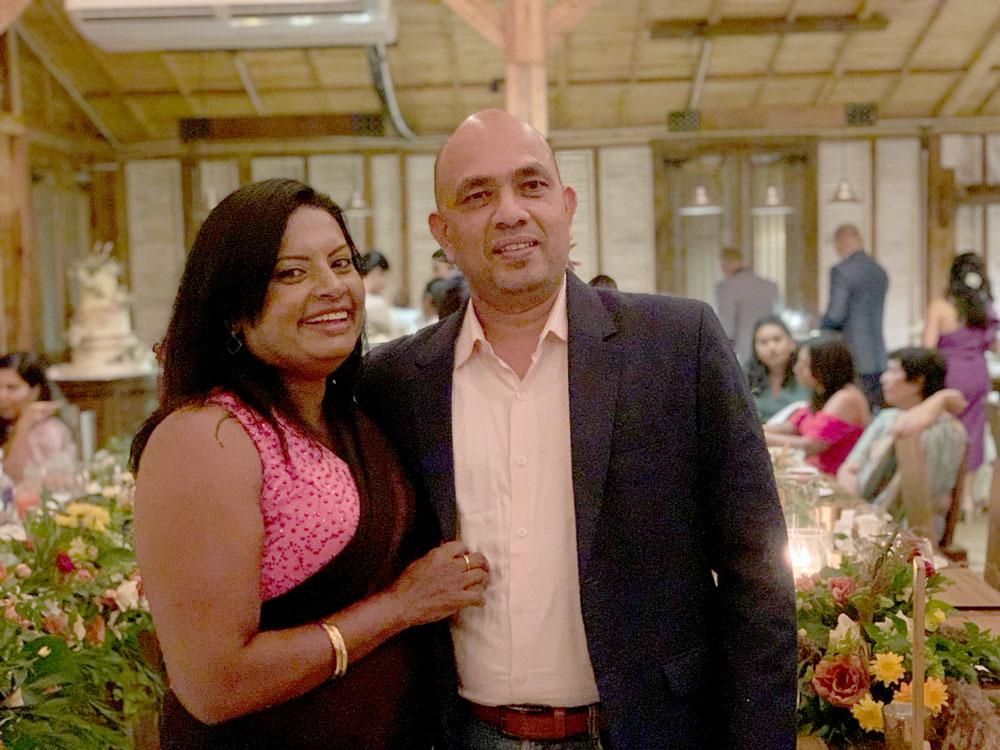
HER STORY. HER STRENGTH. BY: DR. SULOCHANA SEGERA
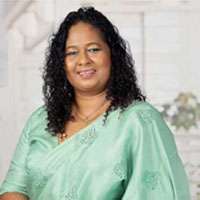
From the sunlit shores of Negombo to leadership roles within globally recognized airline brands, Mayanthi Fernando’s career reflects a journey shaped by curiosity, discipline, and resilience. Growing up with a father who was a Tourist Guide Lecturer, travel was woven into her childhood, exposing her early to Sri Lanka’s cultural diversity and the broader world beyond its borders. These formative experiences sparked a fascination not only with destinations and people, but also with the complex systems that make global travel possible. What began as a childhood curiosity gradually transformed into a professional calling, leading her into the airline industry where she rose from customer-facing roles to senior management. Along the way, she built a leadership style grounded in empathy, strategic thinking, and teamwork. In this conversation, Mayanthi reflects on the influences that shaped her career, the challenges she faced as a woman in a demanding industry, the value of mentorship and international exposure, and her hopes for a more inclusive and technology-driven future for travel and aviation.
Your career began in Negombo. How did your early environment shape your ambitions in the global travel industry?
My inspiration for the travel and airline industry began at a very young age, rooted deeply in my family environment. My father worked as a Tourist Guide Lecturer, and during every school holiday, travel was part of our routine. We explored different parts of Sri Lanka, from coastal towns to hill country retreats and cultural heritage sites. These journeys gave me early exposure to the country’s diversity, its people, and its many stories. Through these experiences, I developed a strong curiosity about places and cultures. I became interested in how travel connects people and opens minds to new perspectives. Even as a child, I enjoyed learning about other countries and imagining what life might be like beyond Sri Lanka. This curiosity slowly grew into a broader fascination with global travel and tourism. Alongside this interest in destinations, I was intrigued by the operational side of the industry, especially airline reservation systems. I often wondered how flights were planned, how bookings were managed, and how everything functioned so smoothly behind the scenes. That combination of wonder for the world and interest in systems and structure shaped my ambition to build a career in the global travel and airline industry.
You progressed from Customer Service Executive to General Manager. What key qualities helped you rise through the ranks?
One of the most important qualities that supported my growth was teamwork. From the very beginning of my career, I learned that success in the travel and airline industry is never achieved alone. Building strong relationships with colleagues, industry partners, and stakeholders created a foundation of trust and mutual respect.
Empowering my team was equally important. I believe leadership is not about authority but about guiding people with clarity, supporting them through challenges, and leading by example. When people feel valued and understood, they naturally perform better and take ownership of their responsibilities. Understanding client needs also played a major role in my progression. In an industry where service quality directly affects reputation, professionalism, integrity, and reliability are essential. By consistently delivering on commitments and maintaining high standards of conduct, I earned the confidence of both clients and colleagues. These values, combined with continuous learning and adaptability, helped me move steadily up the career ladder.

What leadership lessons did you learn during your time with global airline brands like KLM and Northwest Airlines?
Working with global airline brands such as KLM Royal Dutch Airlines and Northwest Airlines was a defining period in my career. Being part of internationally recognized organizations exposed me to high operational standards, strong corporate cultures, and disciplined approaches to leadership. Working under the General Sales Agency of Carson Cumberbatch provided me with valuable operational insight, but my greatest leadership lessons came from my General Manager at the time, Mrs. Minoli Perera. She was a role model who demonstrated that leadership is not only about performance, but also about character. From her, I learned the importance of empathy and patience in managing teams. I also learned that courage is required to make difficult decisions and stand by them, even when the outcome is uncertain. Time management was another lesson that shaped my professional discipline. Balancing multiple responsibilities while remaining composed taught me how to lead under pressure. These principles continue to guide the way I manage teams and approach challenges today.
What were some of the biggest challenges you faced as a woman in the airline and travel trade industry?
One of the main challenges I faced was managing long and demanding working hours. The airline and travel industry operates beyond standard office schedules, and there were many occasions when I had to work late into the night to complete tasks or manage operations. This required personal sacrifice and strong time management. Handling flight disruptions and unforeseen situations such as force majeure events was another challenge. These situations demand quick decision making, emotional resilience, and the ability to remain calm under pressure. As a woman in a leadership position, there was sometimes an unspoken expectation to prove capability repeatedly in high pressure situations. Over time, these challenges strengthened my confidence and problem-solving skills. They taught me to trust my judgment, remain composed in crisis situations, and lead with clarity even when circumstances were uncertain.
How did your international training programs contribute to your strategic thinking and management skills?
Training at the KLM Headquarters and participating in international programs exposed me to global standards and best practices in airline management. These experiences broadened my perspective beyond local operations and helped me understand how global aviation systems function at scale. Through these programs, I learned the importance of structured planning, adaptability, and proactive problem solving. Exposure to diverse working cultures also strengthened my communication skills and ability to collaborate across borders. The training reinforced the importance of relationship building with industry partners and stakeholders. Strategic management is not only about processes and systems, but also about people. These experiences shaped the way I approach leadership, encouraging me to balance operational efficiency with long term vision and collaboration.
How do you see the future of the travel and airline industry evolving in the next decade?
The future of the travel and airline industry will be strongly driven by technology. As customer expectations continue to rise, airlines and travel service providers will increasingly rely on digital solutions to enhance efficiency and convenience. Artificial intelligence will play a significant role in streamlining booking systems, improving customer service, and optimizing operational processes. Technology will also allow for more personalized travel experiences, enabling airlines to better understand passenger preferences and tailor services accordingly. At the same time, the industry will need to balance technological advancement with human connection. While automation can improve efficiency, the essence of travel remains deeply human. The challenge for the future will be to integrate innovation in a way that enhances, rather than replaces, meaningful customer engagement.
How can the travel industry create more inclusive leadership opportunities for women?
Creating inclusive leadership opportunities for women requires both practical support and professional development. Providing safe and reliable transportation to the workplace can make a significant difference, particularly for women working late hours. Offering flexible work from home options on days when physical presence is not essential can also support work life balance. For working mothers, access to reliable childcare and daycare facilities can be transformative. When women are supported in managing family responsibilities, they are better positioned to focus on career growth. Equally important is leadership training and mentoring. Women should be given access to structured development programs that build confidence, strategic thinking, and leadership skills. By combining practical workplace support with professional growth opportunities, the industry can create a more diverse and inclusive leadership environment.
How important is mentorship in shaping the next generation of female leaders?
Mentorship plays a powerful role in shaping confidence and professional direction. Learning from those who have navigated similar challenges provides practical insight into how to manage day to day responsibilities and long-term career decisions. Mentors offer guidance, encouragement, and perspective, helping women recognize their potential and build resilience. Beyond skills, mentorship provides reassurance that success is achievable and sustainable, even in demanding industries. Strong mentor mentee relationships also help create a culture of support and collaboration. When women uplift one another, the impact extends beyond individuals and contributes to meaningful change within organizations and the wider industry.
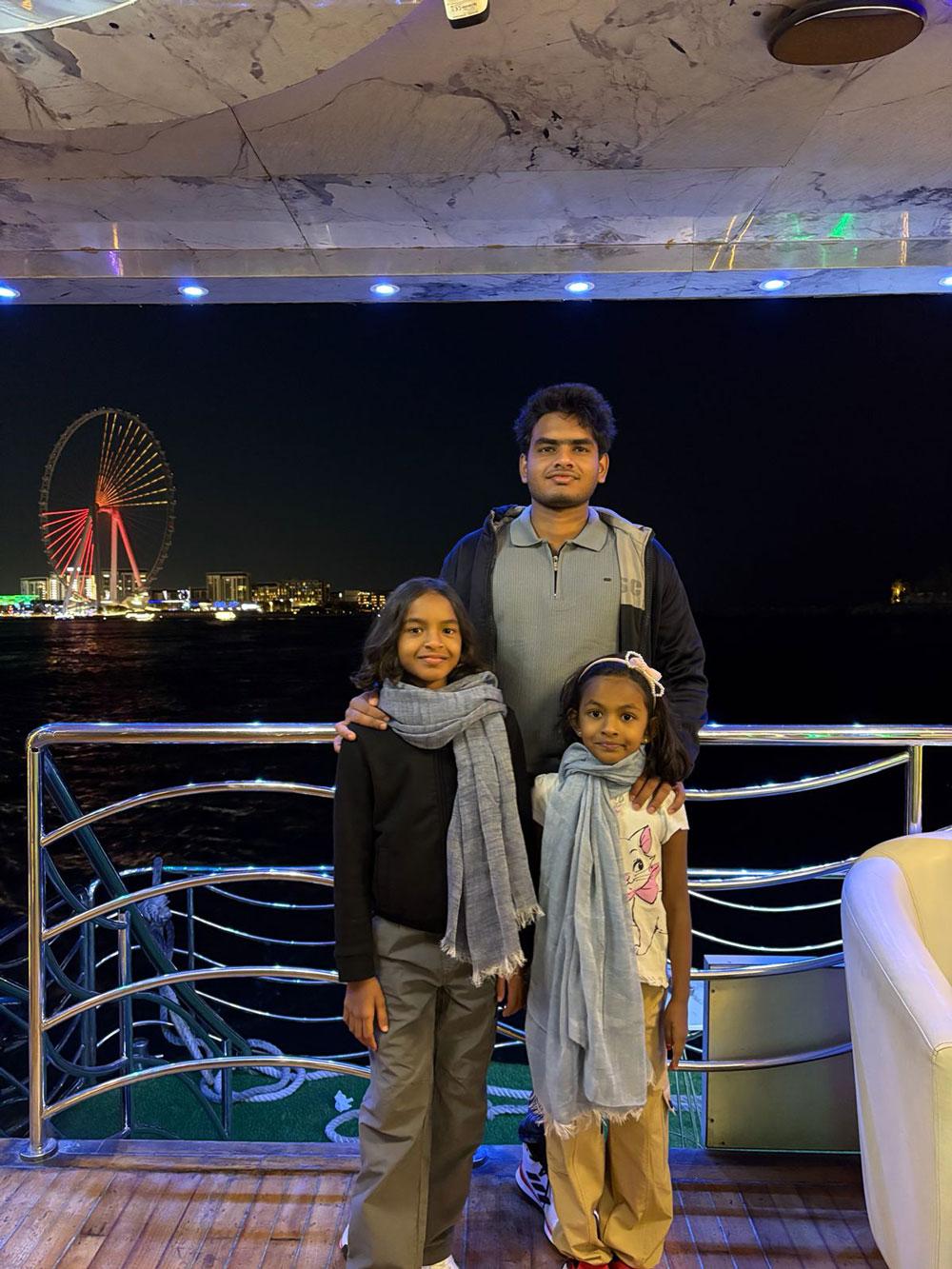
As a wife and mother of two children, how do you balance the demands of a high-level leadership role with family life?
Balancing leadership responsibilities with family life requires careful planning, flexibility, and teamwork at home. I make a conscious effort to prioritise quality time with my children, even when my schedule is demanding. Small daily routines help maintain a sense of connection and stability for them. Having a supportive partner is essential. My husband’s encouragement and understanding allow me to focus on my professional responsibilities without constant worry about home. Balance does not mean perfection but rather finding practical ways to manage responsibilities while remaining present for the people who matter most.
What role has your family played in supporting your professional journey?
My family has been the foundation of my professional journey. My husband shares household responsibilities and understands that it is not always possible to achieve perfection in every role. This shared responsibility reduces pressure and allows me to focus more fully on my work. My eldest child, who is 19, has also been a source of immense support by helping care for his younger sisters, who are 8 and 6. This sense of teamwork within the family creates stability and reassurance. With such a strong support system at home, I am able to lead with confidence, knowing that my family responsibilities are managed with care and understanding.
RAPID FIRE
-
Window seat or aisle seat? Aisle seat
-
One word that defines your leadership style? Energetic
-
Coffee before meetings or after meetings? After
-
A destination that inspires you the most? Bali
-
Early riser or night planner? Early
-
One habit that keeps you productive every day? Focus
-
A leadership mantra you live by? Lead with passion
-
Family time or “me time” how do you recharge? Me time
-
One quality every young professional must develop? Teamwork
-
If not in travel trade, what career would you have chosen? A professional ballet dancer