Is Disaster Relief in Sri Lanka Being Misused?

I came across a Facebook post from someone analyzing Cyclone Ditwah relief figures. Got me thinking. Made me realize we never actually ask these questions until it's too late. Until we're standing in the wreckage wondering: where did the money go, how was this measured, why did some areas get nothing while others got everything, and why are we still seeing Instagram stories begging for help in specific villages? So, let’s walk through what's happening with numbers and what they tell us about how disaster relief is handled in Sri Lanka.
The Disaster Management Center Report
December 4, 2025:
- Jaffna District: 468 people affected, 361 partially damaged houses, 2 fully damaged houses, 3 deaths
- Puttalam District: 328,050 people affected
- Colombo District: 294,674 people affected
- Kandy District: 232 deaths, 81 missing
- Nuwara Eliya District: 89 deaths, 35 missing
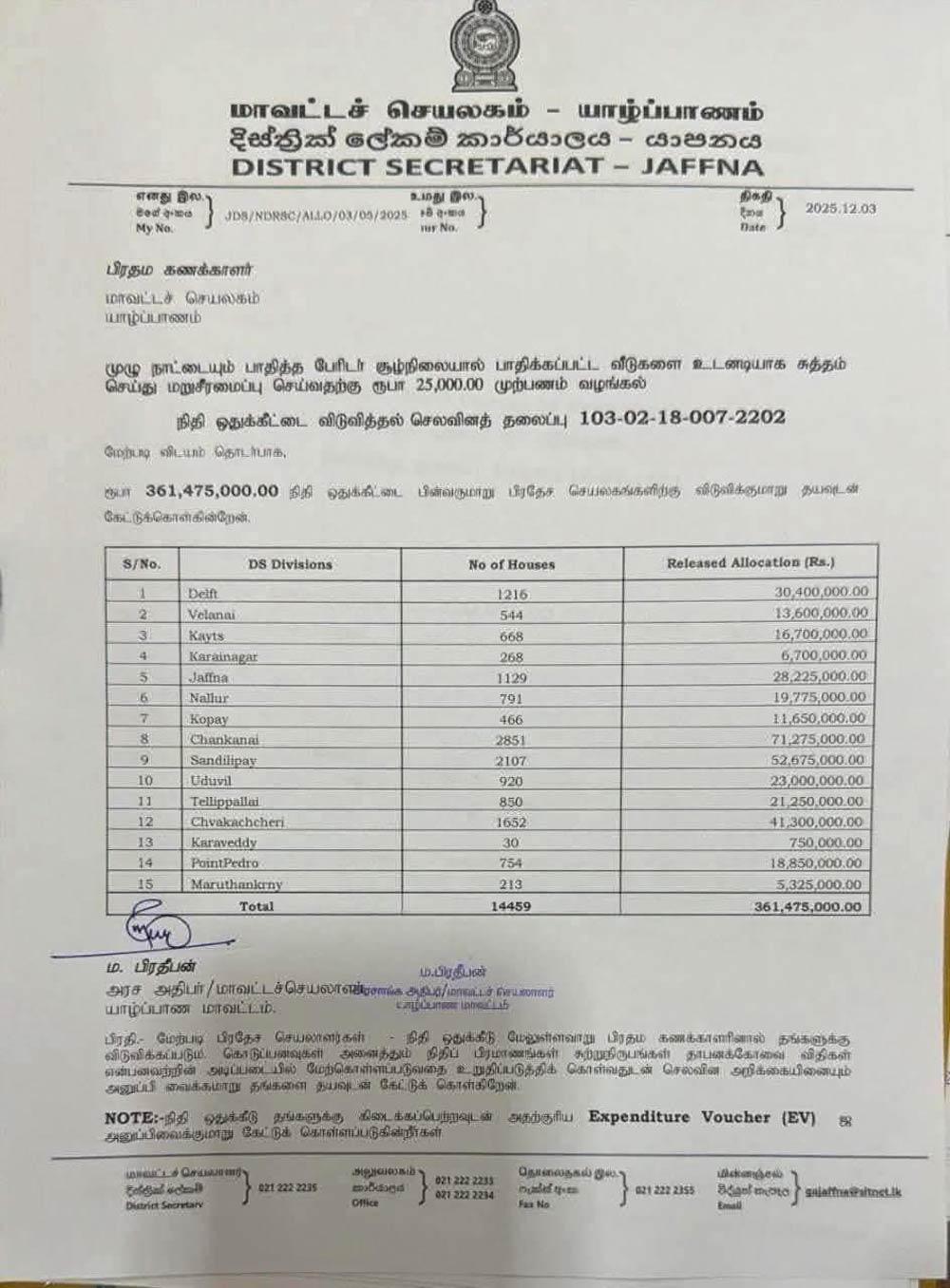
Jaffna relief claim sheet circulating: 14,459 houses eligible for compensation, Rs. 361 million requested (approximately 1.2 million USD). The claim is forty times larger than the reported damage.
What We Know About Cyclone Ditwah
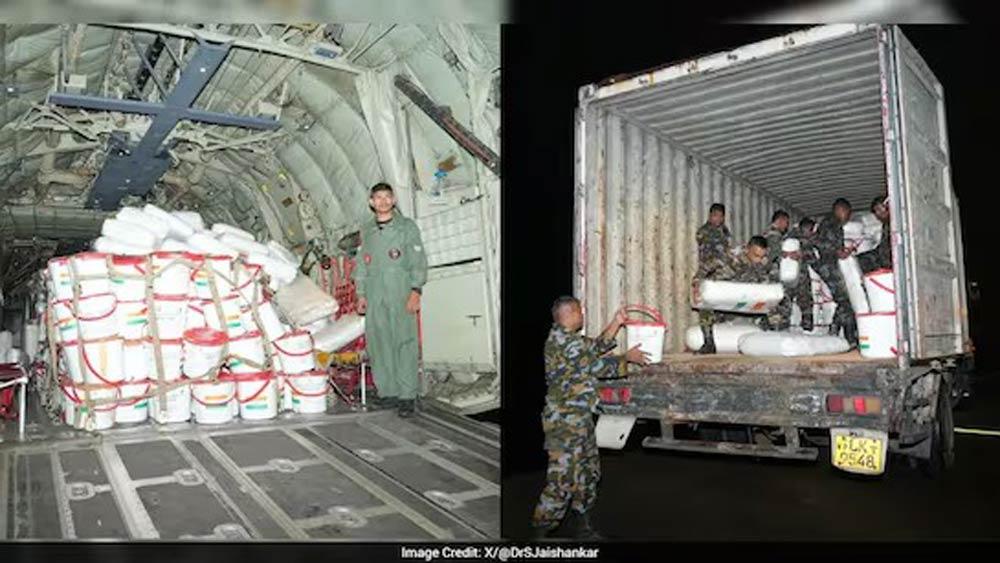
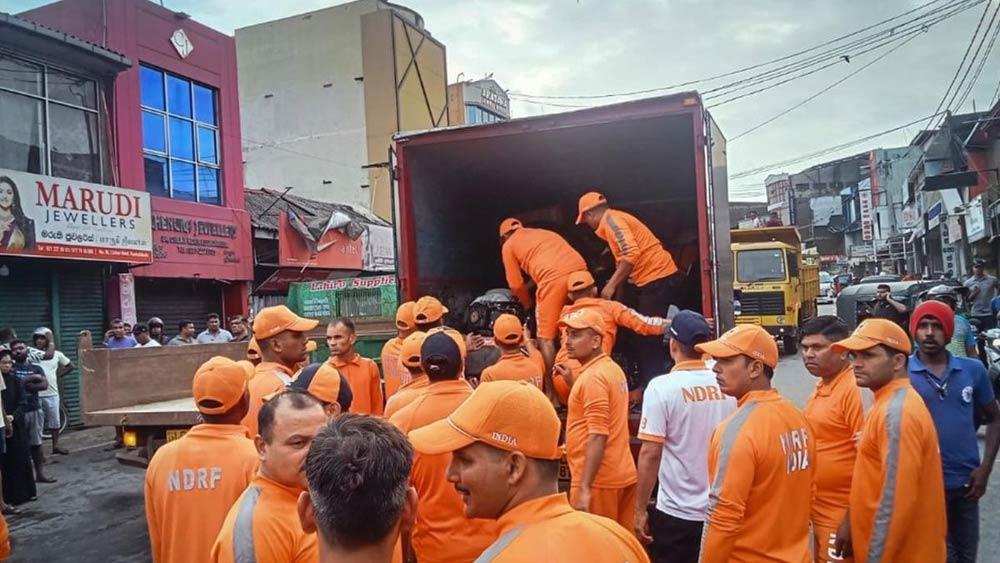
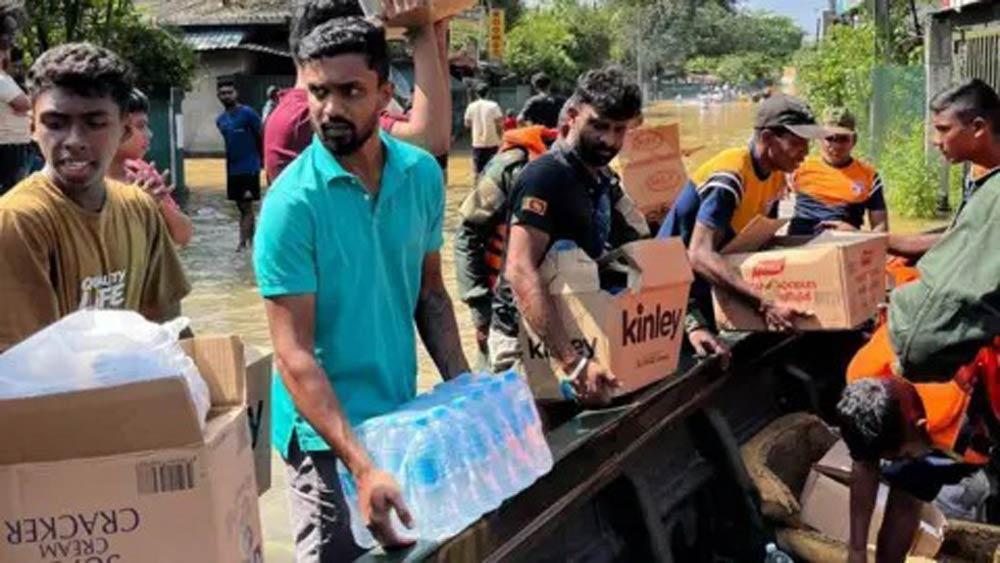
As of December 8, 2025, this cyclone has killed at least 607 people across Sri Lanka. Over 50,000 homes damaged. 170,000 people in relief centers. The UN characterizes this as among the worst disasters to hit Sri Lanka in recent decades, affecting between one and 1.5 million people. Five Navy personnel died during flood mitigation operations. An Air Force helicopter crashed during relief work, killing the pilot. The damage estimates are between USD 3-7 billion. Some districts are still digging out bodies. Some areas remain unreachable. India just delivered 300 tonnes of aid yesterday. The US provided $2 million. UNDP launched an emergency funding facility. The president has called this the most difficult rescue operation in the nation's history. This is the context in which we're discussing inflated claims.
Let's Be Precise About the Problem
I'm not saying Jaffna suffered zero damage. I'm not saying people there don't need help. The DMC report clearly states 468 people were affected, and every single one of them deserves proper assistance. What I am saying is this: when official damage reports show 361 houses and compensation claims show 14,459 houses, one of two things is happening.
Either the damage assessment system has catastrophically failed to capture real damage on the ground, or the claim system is being manipulated to inflate numbers by an order of magnitude. Both possibilities point to systemic failure. But the forty-fold gap suggests the latter is more likely.
This Is Not About Ethnicity
Before anyone weaponizes this into communal politics: every district in Sri Lanka has done this. After the 2004 tsunami, after every major flood in Ratnapura and Gampaha, after landslides in Badulla, after COVID relief distributions, after the aragalaya compensation schemes. The pattern repeats across Sinhala-majority areas, Tamil-majority areas, Muslim-majority areas, plantation areas, urban areas, rural areas. The mechanism is always the same: disaster strikes, government opens funding window, local officials submit inflated lists, politicians pressure for their constituencies, verification gets bypassed under urgency, money flows, audits never happen. What makes the Jaffna case visible is the magnitude of the discrepancy. The gap is so large it cannot be ignored. But make no mistake, similar inflation is happening right now in multiple districts. It's just less obvious, more carefully calibrated, harder to spot in the noise of genuine need.
How Other Countries Are Known to Do This
Japan, the Philippines, and South Korea show how technology and preparation can make disaster relief fast and accurate.
In Japan, the My Number Card system lets people apply online for damage certificates, verified against property and household databases, while AI tools monitor social media and weather data in real time to confirm conditions on the ground.
After Typhoon Yolanda in 2013, the Philippines used pre-existing, verified cash transfer databases to deliver $12.5 million in relief within three months, later formalizing an Emergency Cash Transfer program.
South Korea integrates GIS mapping with emergency hotlines to track resources and allocate aid based on verified data. The common thread: digital verification, pre-positioned databases, transparent allocation, and real-time tracking. Fraud isn’t eliminated, but large-scale inflation becomes far harder.
What Sri Lanka Is Doing Instead
Sri Lanka still has no digital verification system for disaster victims, no pre-identified database of vulnerable households, no real-time tracking of aid, and no mandatory audits. What we do have is a scramble: Grama Niladharis collecting details by hand, Divisional Secretariats rushing to show quick action, and political pressure pushing numbers upward. Lists get padded with old damage, relatives of officials, loyal voters, even houses that don’t exist.
The DMC can only compile whatever comes from the field; data that’s late, inconsistent, and often contradictory, so by the time their figures are out, compensation lists already look completely different. There’s no automated cross-check, no system to flag mismatches, no requirement to reconcile anything. And once the money is released in the name of “helping victims,” it rarely gets revisited; any audit comes long after the public has forgotten and the evidence has quietly disappeared.
What This Costs
Every rupee claimed fraudulently is a rupee taken from someone who actually needs it. This is not abstract. This is material.
Right now, there are people in Puttalam sleeping on wet floors in school buildings. There are families in Kandy who lost relatives and are waiting for body identifications. There are communities in Trincomalee still cut off from main roads, relying on military helicopters for supply drops. There are villages in Nuwara Eliya where landslides destroyed entire hillsides and people are terrified to return home even where houses remain standing.
The government has announced Rs. 25,000 ($81) for house cleaning and up to Rs. 2.5 million ($8,100) to begin rebuilding destroyed homes. If Jaffna's claim of Rs. 361 million goes through as submitted, and if even half of it is fraudulent, that's Rs. 180 million, money that could have fully rebuilt 72 houses for families who actually lost everything.
Scale this pattern across every district. Now you understand why people are still posting Instagram stories begging for help in specific areas. Because the aid that should have reached them was diverted before it ever left the planning stage.
The Defense That Will Come
When these numbers are questioned, and they should be, you’ll hear the usual defenses: that the DMC data is “incomplete,” even though a forty-fold gap would mean the system somehow missed almost all actual damage; that questioning the claims is “discrimination,” even though past injustice doesn’t give anyone a free pass to inflate present-day relief lists; and that “every district does it,” which is true, but not a reason to ignore a discrepancy this huge. If anything, a mismatch this obvious should trigger a nationwide audit, not another round of excuses.
What Should Happen
The government must cross-verify every relief claim in every district without exceptions or politics. Methodology, criteria, and village-level breakdowns should be published. Grama Niladharis, civil society observers, and independent auditors must verify on the ground. If 14,459 houses in Jaffna are truly damaged, the process will confirm it; if it’s closer to 361, that will be clear too.
Parallel to this immediate verification, Sri Lanka needs to build what we should have built decades ago:
1. National Disaster Victim Registry: A digital system, ideally linked to National ID, that can be activated immediately when disaster strikes. Households register their damage through a mobile app or local government office. GPS coordinates, photos, and damage assessment are logged in real-time. The system flags duplicate claims, cross-references with property databases, and creates an auditable trail.
2. Pre-Positioned Vulnerability Database: Not a poverty list that becomes a political football, but a technical database of structural vulnerability; houses in landslide zones, flood-prone areas, houses with documented structural issues. This allows rapid deployment of aid to areas where damage is most likely, while verification proceeds in parallel.
3. Transparent Aid Tracking: Every aid consignment, domestic or international, logged into a public database. Every distribution tracked. Every beneficiary list published. Every discrepancy flagged automatically. Citizens should be able to scan a QR code and see exactly what aid their village received and when.
4. Mandatory Rapid Audit Protocols: Not audits that happen three years later. Audits that are built into the distribution process. Ten percent random verification before any large claim is approved. Automated cross-referencing of claims against DMC data, GS records, and satellite imagery.
The technology exists. The Philippines built it. Japan built it. South Korea built it. We can build it. The question is whether we have the political will to build systems that make corruption difficult instead of systems that make corruption invisible.
The Uncomfortable Reality
Sri Lanka’s disaster response has repeated the same failures for decades. Transparent systems are avoided because they expose behaviours we’ve normalized: politicians don’t want aid distribution fully visible, local officials resist digital verification, and audits are skipped to hide compromises. Communities themselves often stay silent, hoping to benefit when disaster strikes. This compact with corruption comes at a heavy price: 607 people dead, thousands displaced, billions in damage, and relief money diverted to those who weren’t affected, while the truly devastated wait months for help that may never arrive.
The Test
The government now faces a straightforward test. Cross-verify these claims or don't. Publish the results or don't. Build transparent systems or don't. If they verify and the numbers hold up, then Jaffna deserves every rupee of that Rs. 361 million and everyone questioning it, including me, should acknowledge we were wrong. If they verify and the numbers don't hold up, then whoever submitted those inflated lists should face prosecution; MPs, DS officials, party leaders, GS officers, all of them regardless of ethnicity, political affiliation, or the community they claim to represent. And if they don't verify at all, if they just release the money under political pressure and move on, then we'll know exactly what kind of country we're running. I know which outcome is most likely. You do too. We've seen this movie before. But I'm writing this anyway. Because someone has to document it. Someone has to ask the questions that make everyone uncomfortable. Someone has to insist that 361 houses and 14,459 houses are not the same thing, and that pretending they are is not compassion, it's theft. The cyclone killed 607 people. The corruption that follows might kill the last bit of public trust we have left.