MMDA: The Thin Line Between Shariah and Cultural Practice
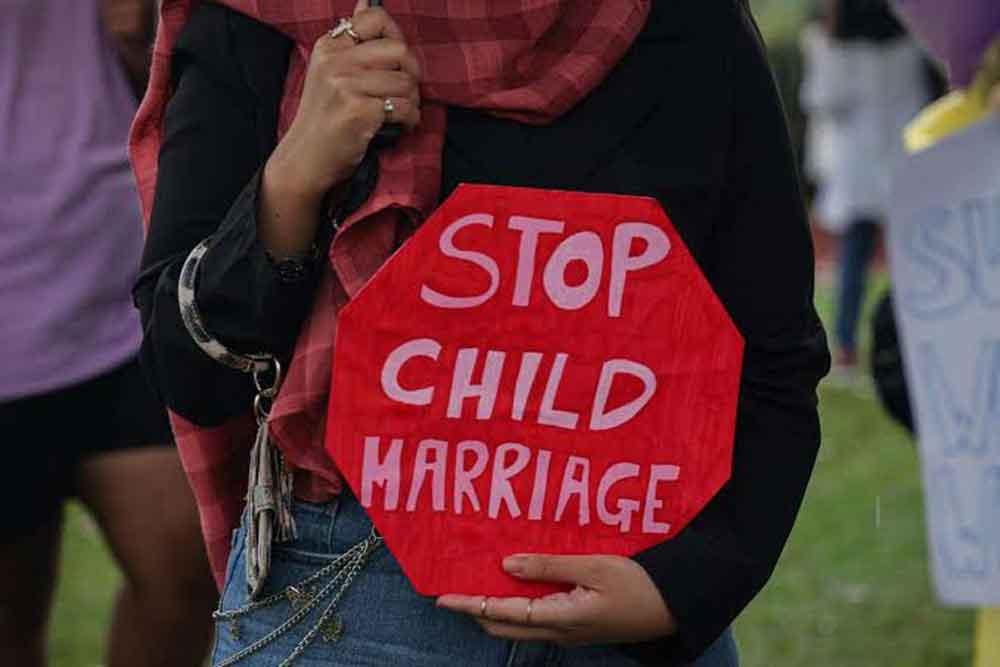
Behind Closed Doors by Nuha Faiz
People have told me they are worried I am questioning Islam. That speaking against child marriage, advocating for MMDA reform, and challenging FGM means I am challenging "natural law set by Allah." That I am becoming ‘too western’. So, here’s a heads up. I am not challenging Allah's law; I am challenging men who claim their interpretations are Allah's law when they cause demonstrable harm to children and women. There is a difference. And if you cannot see it, the problem is not with Islam. Here’s a mirror.
What the MMDA Actually Says
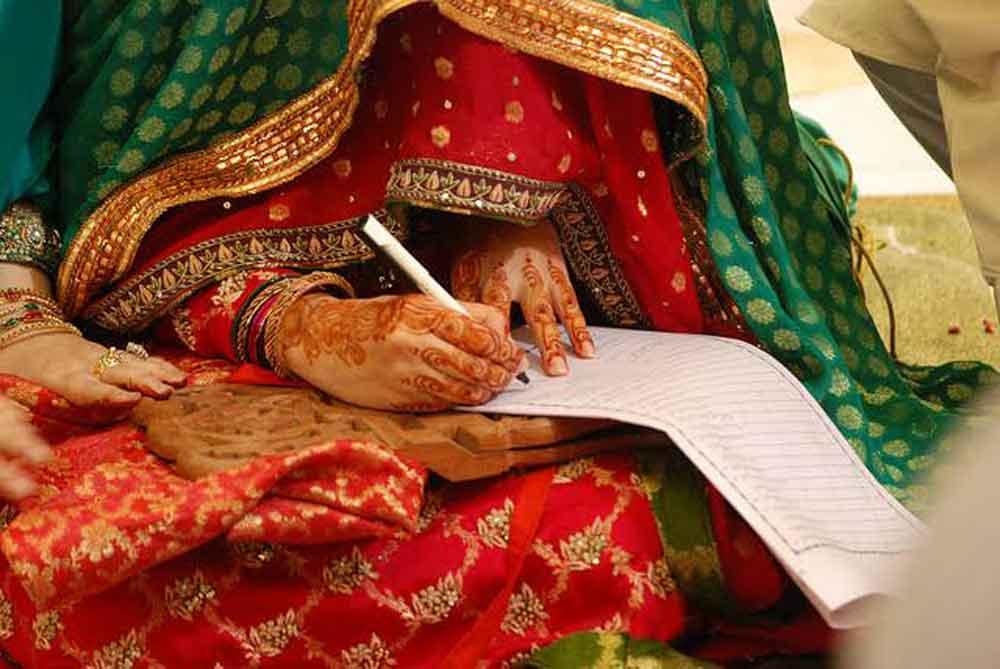
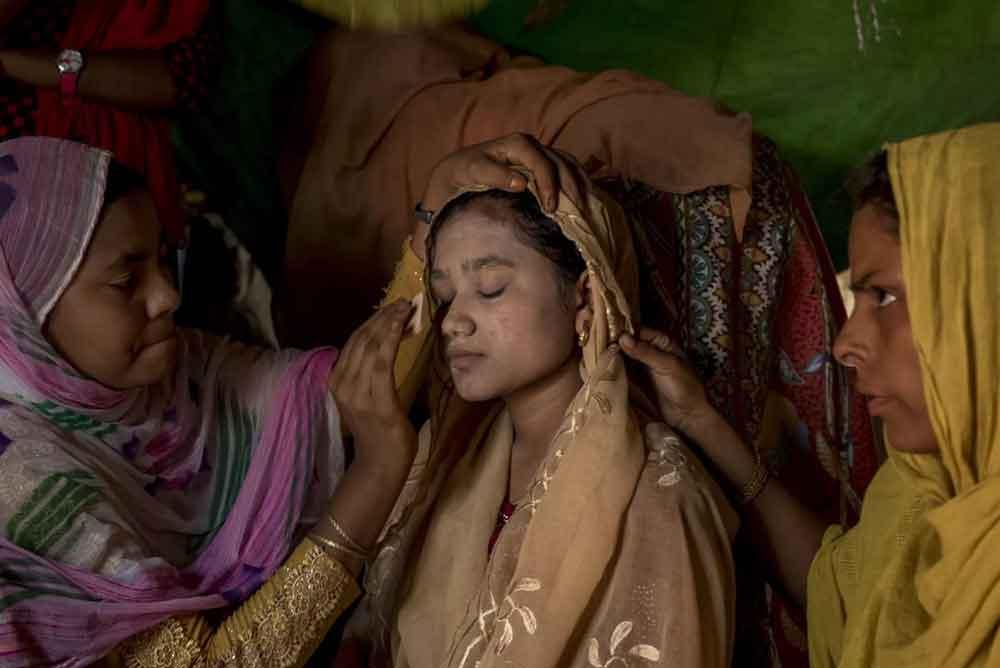
The Muslim Marriage and Divorce Act (MMDA) was passed in 1951. Section 23 states that a Quazi may authorize the marriage of a girl who has not attained puberty if he is satisfied that the marriage is "in the interest of the girl." There is no minimum age specified. Girls as young as 12 or younger can be married with Quazi approval. Even without approval, such marriages remain legally valid. The bride's signature is not required. The marriage contract is signed by the groom and witnesses. The bride's consent is assumed or obtained through her male guardian. Many Muslim women in Sri Lanka have never seen their own marriage certificates.
Divorce is unequal. A man can pronounce talaq and end the marriage unilaterally. A woman seeking divorce must go through fasah proceedings, proving matrimonial fault. The burden of proof is on her. The process is adversarial, humiliating, and often unsuccessful. Polygamy is unrestricted. A man can take up to four wives without proving financial capacity or obtaining consent from existing wives. The Quazi court system consists of 65 courts. Women cannot be Quazis. Legal representation is not permitted. Many Quazis lack formal legal training. This is state-sanctioned legislation that applies to every Muslim in Sri Lanka.
What Shariah Actually Says: Marriage Requires Consent
The Prophet Muhammad (peace be upon him) explicitly stated that a woman cannot be married without her consent. In Sahih al-Bukhari, a virgin girl came to the Prophet and said she had been married off by her father without her consent. The Prophet gave her the choice to continue or annul the marriage. She chose to continue but said: "I wanted to let women know that fathers have no right in their daughter's marriage." In Sahih Muslim: "A previously married woman has more right concerning herself than her guardian, and a virgin should be consulted, and her permission is her silence." Consent is foundational to Islamic marriage. The contract (nikah) requires mutual agreement. The MMDA violates this by not requiring the bride's signature.
Marriage Requires Maturity
The Quran does not specify a marriage age, but it provides principles.
- Surah An-Nisa (4:6) instructs: "And test the orphans until they reach marriageable age. Then if you perceive in them sound judgment (rushd), release their property to them."
This verse links marriageable age to sound judgment; intellectual maturity, rational capacity, the ability to make informed decisions. You cannot claim a 12-year-old has sound judgment.
- Surah An-Nur (24:32) encourages: "And marry those among you who are single and those who are fit among your male slaves and your female slaves."
"Those who are fit" implies readiness; physical, emotional, mental, financial. A child is not fit for marriage.
Islam Prioritizes Harm Prevention
Islamic jurisprudence operates on five core objectives (maqasid al-Shariah): preservation of life, religion, intellect, lineage, and property. Child marriage violates at least four of these.
Girls married before 18 are five times more likely to die in childbirth. Complications include obstructed labour, obstetric fistula, and maternal mortality. Child marriage ends education. It increases maternal and infant mortality. It creates economic dependency. If your interpretation of Islam produces these outcomes, your interpretation is wrong. Not because I say so, but because Islam's own principles say so.
The Principle of Maslahah
Islamic jurisprudence recognizes maslahah mursalah - public interest. When divine texts are silent, scholars develop rules that serve the common good. Caliph Umar suspended hudud punishment for theft during famine. He changed inheritance rules to ensure widows received more support. He adapted fiqh to serve justice. Setting a minimum marriage age of 18 is not altering Shariah. It is applying Shariah's principles to contemporary realities where we have medical evidence, educational systems, and human rights standards.
The Aisha (RA) Example
Conservative scholars cite the hadith about the Prophet's marriage to Aisha (may Allah be pleased with her) as justification for child marriage. The hadith states she was nine at consummation. Historians debate this. Some argue she was older based on chronological analysis. Others contextualize it within 7th-century Arabian norms where life expectancy was 30-40 years. But here is what matters: Even if you accept that narration at face value, it is not a command for all time.
The Prophet rode camels. He used a miswak. He wore certain clothing. Muslims do not replicate every practice from 7th-century Arabia because Islam distinguishes between universal principles and contextual practices. Universal principles include justice, compassion, dignity, and the prohibition of harm. These apply across all times. Contextual practices are specific to time and place. They evolve.
Marriage at a young age in 7th-century Arabia served functions that do not exist today. There were no formal education systems. No concept of adolescence. Drastically shorter life expectancy. Marriage provided protection and security in a tribal society. None of these conditions apply in 21st-century Sri Lanka. We have compulsory education. Medical knowledge about harm. Child protection laws. International frameworks. To insist on replicating a 7th-century practice without considering 21st-century realities is not piety. It is intellectual laziness dressed as faith.
What We Are Demanding and Why
The reforms are baseline protections that already exist for every other child in Sri Lanka. Set 18 as the minimum marriage age. This aligns with medical evidence and educational development. Require the bride's signature. This is already an Islamic requirement. The MMDA simply does not enforce it. Allow women as Quazis. There is no Quranic prohibition. Major scholars including Imam Abu Hanifa, Imam Malik, Ibn Hazm, and Al-Tabari permitted women judges. Indonesia, Pakistan, Malaysia, Palestine, Sudan, India, Morocco, Tunisia, and Jordan already have women serving as Sharia judges.
Equalize divorce procedures. Islamic law permits khula. Women should have access to fair proceedings. Require financial capacity checks before polygamy. The Quran says: "But if you fear that you will not be just, then marry only one" (4:3). Reform enforces what the Quran already requires.
The Reality in Sri Lanka
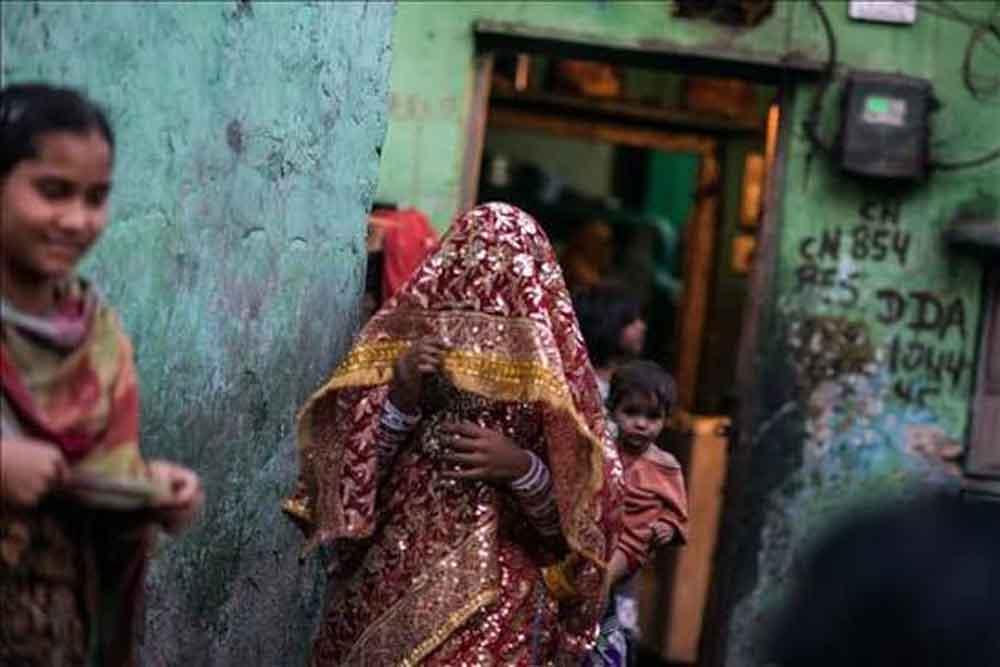
Approximately 12% of girls in Sri Lanka are married before 18. Girls married before 15 are five times more likely to die in childbirth. In 2019, a 13-year-old girl in the Eastern Province was married to a 40-year-old man. She became pregnant at 14. She will never finish school. In 2024, a 14-year-old girl in Mannar was pulled out of school, married to her cousin, and pregnant within months. Her childhood was stolen, and the law permitted it. Between 2019 and 2024, MWRAF documented women married as children: one married at 15 who developed obstetric fistula at 17; another married at 16 who is now 16 with a child and has never held a job. This is not hypothetical. This is documented reality.
Why Are People Living in the Dark?
Islam commands seeking knowledge. The Prophet said: "Seeking knowledge is an obligation upon every Muslim." The Quran repeatedly urges believers to think and reflect.
Yet when it comes to women's rights, suddenly we are told not to question. Why? Because patriarchy depends on ignorance. Because power depends on control. Because religious authority has been weaponized. When someone questions child marriage, they are accused of attacking Islam. This shuts down debate. It makes dissent seem like apostasy. But defending harm is not defending faith. If your understanding of Islam requires defending child marriage, you have misunderstood Islam.
You Keep Learning, You Keep Evolving
Islam encourages continuous learning. The Quran was revealed over 23 years in response to changing circumstances. The early caliphs exercised ijtihad. The great scholars debated. Imam Abu Hanifa permitted women judges in the 8th century. Umar suspended hudud punishments during famine. Al-Shafi'i revised his opinions after moving to Egypt because the context changed. If these giants of Islamic scholarship could evolve, why do we claim we cannot? We have medical knowledge. Psychological research. Human rights frameworks. Data on child marriage outcomes. Examples from Muslim countries that reformed laws without losing Islamic identity. Learning and evolving is not betrayal. It is what Islam commands.
If Your Faith Cannot Withstand Scrutiny, It Is Not Faith
Questioning harmful laws is not questioning Islam. Challenging patriarchal interpretations is not attacking Allah. Demanding protection for children is not westernisation. What is dangerous is confusing male authority with divine authority and punishing women and girls for refusing to accept that lie. Islam does not fear questions. Islam does not collapse under evidence. Islam does not require children to bleed, suffer, or die to prove its authenticity. The Quran repeatedly commands us to think, reflect, reason, and seek knowledge. A faith that forbids inquiry is not Islam, no matter how loudly it is defended. The MMDA is not a sacred text. It is a man-made law that has caused measurable harm. And when a law causes harm, Islam does not demand obedience. It demands correction.
Those who insist that reform equals disbelief are not defending faith. They are defending power structures that benefit them. They are terrified that once women learn, speak, and consent, control will slip through their fingers. So, they call it fitna. They call it western. They call it betrayal. I call it accountability.
The line between Shariah and cultural practice is not thin. It is clear. It is crossed the moment injustice is normalised and suffering is spiritualised. And no amount of religious rhetoric can sanctify harm. History will not be kind to those who chose silence over justice. It will not remember who shouted the loudest about tradition. It will remember who protected children, who stood with women, and who had the courage to say: this is wrong. Islam does not need defending from reform. Women and children need defending from abuse. And if that truth makes some people uncomfortable, then perhaps discomfort is long overdue.