All the Favorite Stickers You Never Used
We have a habit of waiting. Waiting for the right moment, the right version of ourselves, the right conditions to finally allow ourselves to feel, to act, to choose. We convince ourselves that restraint is maturity and that postponement is wisdom. Somewhere between caution and self-denial, we forget how to live in the present.
As children, we saved our favorite stickers carefully, peeling them halfway and pressing them back onto glossy sheets. They were too precious to use, too perfect to waste on something ordinary. Yet what is ordinary in life, unless we decide that every second must earn the right to be extraordinary? We promised ourselves we would place them when the moment felt worthy. That moment rarely arrived. The stickers curled at the edges, their glue drying out, their magic fading before they ever touched a surface. We grew up carrying that same instinct into adulthood, only now the stickers are emotions, people, opportunities, and love.
We believe there is a correct order to joy. That pleasure must be earned through suffering. That desire should be delayed until we have proven ourselves deserving. We save the best for last, assuming there will always be a last.
It is not that we do not want happiness. It is that we are afraid of it. Afraid of mishandling it. Afraid of losing it once it has touched us. Afraid that if we open our hands too wide, whatever we are holding will slip through our fingers. So, we keep our palms half closed, convincing ourselves that caution will protect us from grief. We tell ourselves that we are sensitive, that we love too much, that restraint is the safer choice.
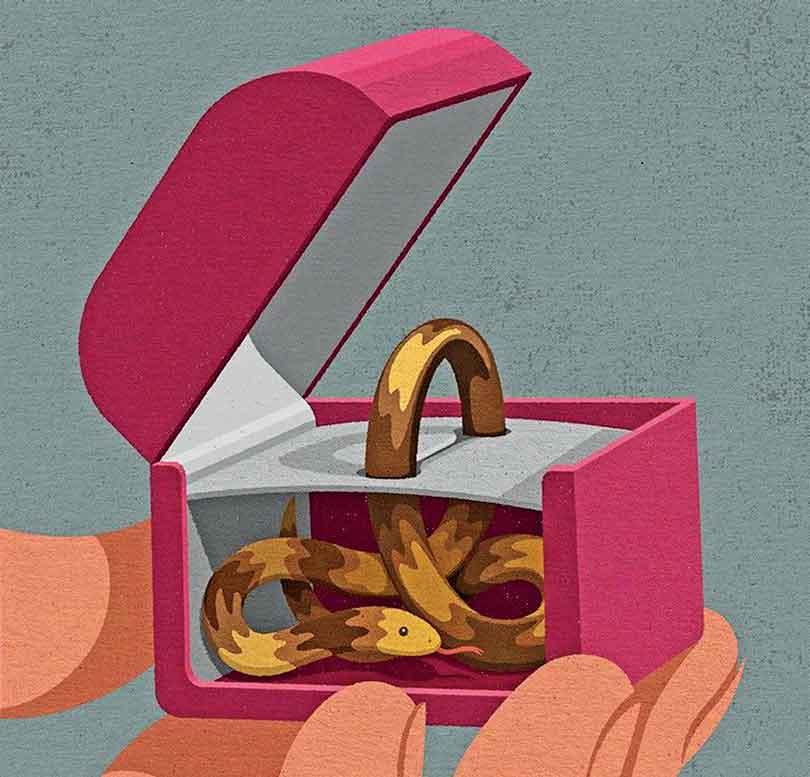
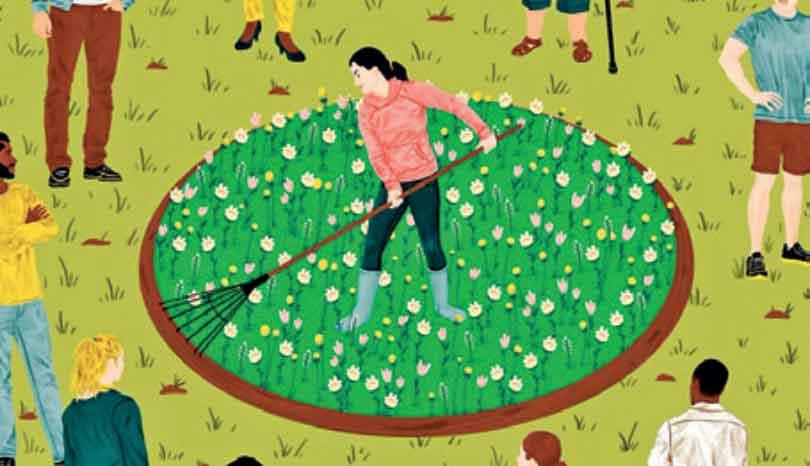
There is also the fear of being seen. Of being known fully and found lacking. Afraid that our personalities will be an A at the beginning, only to turn into B, C, D, and E as time grows. Many of us grow into people who are easy to keep around. Dependable. Agreeable. Low maintenance. We become the ones who never demand too much, who never take up too much space, who never disrupt the room with inconvenient feelings. We wear this reliability like armor, mistaking it for strength.
But often, we are not truly any of those things. We are everything we hide. We are intense, emotional, complicated, and deeply feeling. We simply do not allow those parts to surface because it feels dangerous to let someone know who we really are.
Over time, this self-editing becomes automatic. We soften our desires before they are spoken. We downplay our needs until they feel almost imaginary. We train ourselves to accept less, telling ourselves that wanting more is greedy or unrealistic.
This way of living creates distance even in closeness. We can sit beside someone we care for deeply and still keep an invisible boundary between us. We allow proximity but not intimacy. We tell stories, share memories, laugh easily, yet leave the most important truths untouched. We convince ourselves that silence is safer than honesty.
At the heart of this restraint is the belief that if someone truly knew us, they would leave. That our flaws, our contradictions, our scars would outweigh our softness. So, we curate ourselves carefully. We become versions that are acceptable, digestible, and non-threatening. In doing so, we abandon parts of ourselves that ache to be acknowledged.
This fear does not only affect love. It shapes how we experience joy in all its forms. We postpone rest until exhaustion forces it. We delay celebration until success feels undeniable. We withhold self-compassion until we believe we have earned it, and even then, we ration it carefully.
We tell ourselves stories about responsibility and discipline. We say that life demands sacrifice and endurance. While this is true to some extent, it often becomes an excuse to deny ourselves tenderness. We forget that existing is already demanding. That surviving is not a prerequisite for deserving joy.
I remember my sister saving the grapes in a fruit bowl for last, resisting them deliberately so she could savor them fully later. It took discipline to deny herself something she wanted in the moment, to keep returning to the bowl and choosing restraint. When my brother accidentally knocked it over, scraping his knee in the process, the grapes scattered across the floor. She cried for hours. Not because of the fruit itself, but because of the effort it had taken to resist them. The real loss was not the grapes, but the restraint, the constant negotiation with desire, the belief that pleasure was something to be postponed. In moments like that, we rarely understand the confusion of the person who caused the loss without intention. We are too consumed by the feeling that all that careful waiting has gone to waste. Why do we do this to ourselves? Why do we refuse to savor what is already within reach?
When something rare does enter our lives, a person who sees beyond the surface or a moment that feels undeniably alive, we often do not trust it. We question its validity. We search for reasons it might fail. We downplay its significance to protect ourselves from disappointment. We call it temporary, casual, or insignificant, even when it is anything but.
This is how we chase people away without ever meaning to. Not through cruelty or indifference, but through distance. Through hesitation. Through an inability to meet openness with openness. We build walls so well that even those who want to reach us struggle to find a way in.
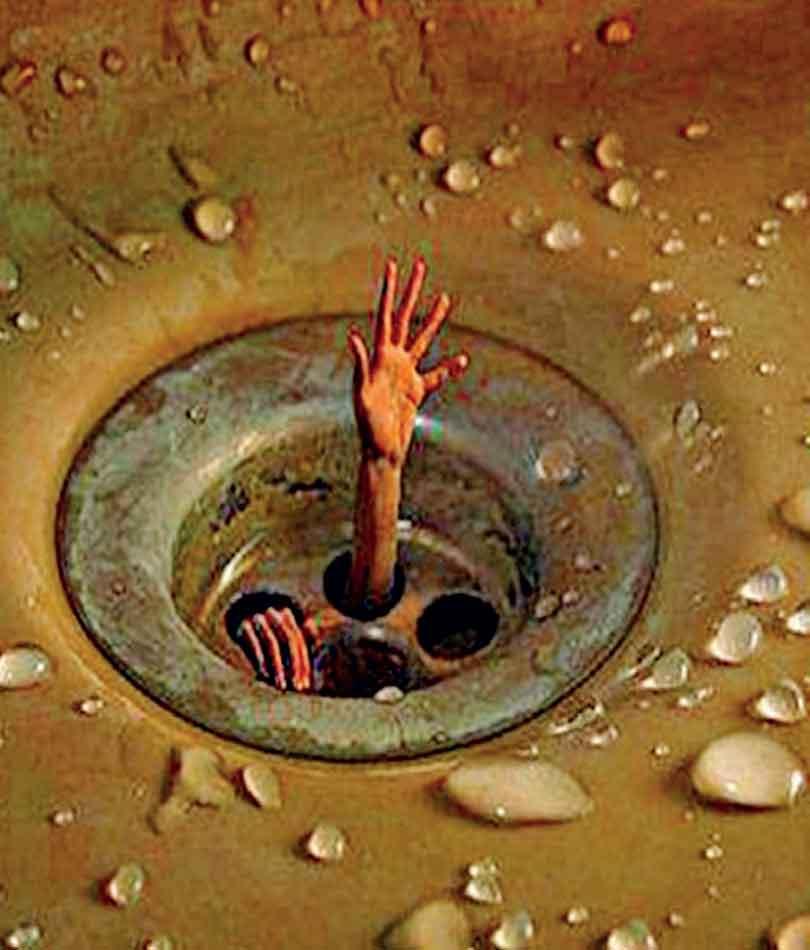
Yet walls are not neutral structures. They do not only keep pain out. They also keep connection out. They prevent the very intimacy we claim to want. Over time, we grow lonely inside the safety we have constructed.
The truth is that being seen is always a risk. Loving is always a gamble. There is no version of intimacy that comes without vulnerability. No way to experience depth without the possibility of loss. Safety and magic rarely coexist comfortably.
When we encounter people who feel like magic, our instinct is often to deny what is happening. To rationalize it away. To convince ourselves that it is not as meaningful as it feels. We are taught to prioritize stability over wonder, sustainability over intensity. We forget that some experiences do not need to last forever to be real.
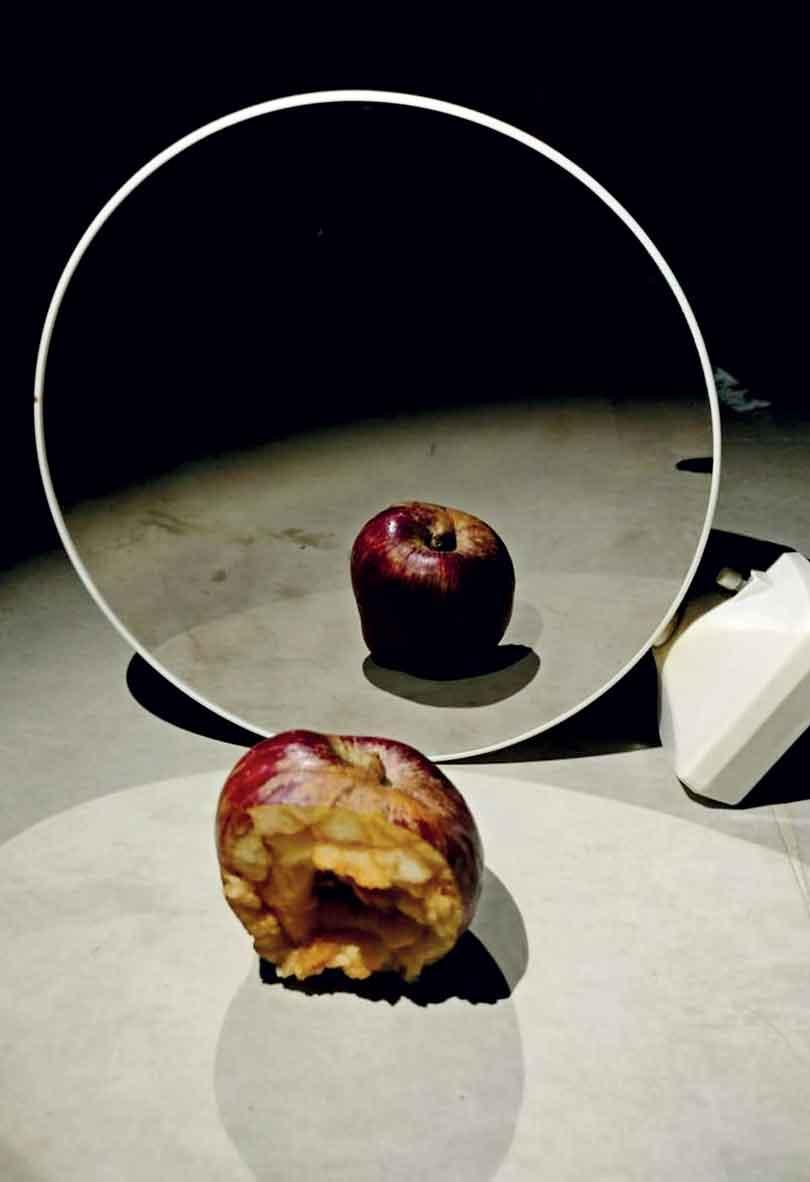
Perhaps the point is not to preserve every beautiful thing indefinitely, but to allow ourselves to experience it fully while it exists. To place the sticker on something imperfect. To eat the fruit before it spoils. To speak the truth before silence turns into distance.
Living this way requires courage. It asks us to believe that we are worthy of joy without conditions. That we are allowed to take up space without justification. That our feelings do not need to be diluted to be acceptable.
We may never fully unlearn the instinct to wait. It has been ingrained in us through fear, culture, and survival. But we can notice it. We can question it. We can choose, occasionally, to act despite it. We can choose to savor instead of saving. To reach instead of retreating. To trust that being fully ourselves is not something that needs to be earned.
Perhaps the bravest thing we can do is stop preparing for life and start participating in it. To allow ourselves the things we keep postponing. To believe that we are not too much, not unworthy, not undeserving.
And maybe, just maybe, the people who stay are not the ones who never see our walls, but the ones who walk through them anyway. Image