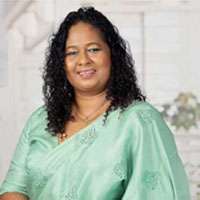
MAHIKA RAJAKARUNA ON COURAGE, CONVICTION AND THE POWER OF LEADING WITH INTEGRITY
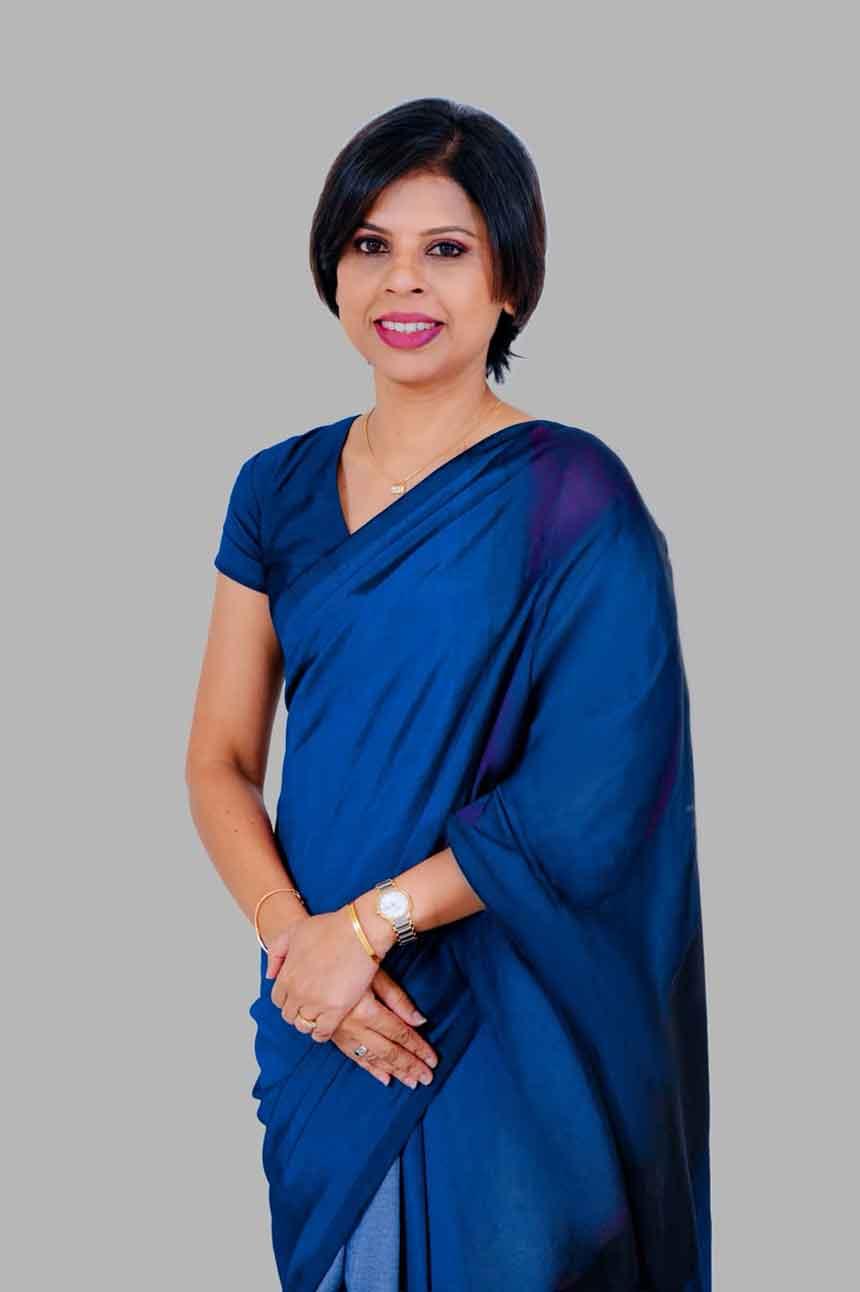
HER STORY, HER STRENGTH. BY: DR. SULOCHANA SEGERA
With more than 25 years of experience in Sri Lanka’s banking and financial services industry, Mahika Rajakaruna, Chief Compliance Officer of Siyapatha Finance PLC, has built a career defined by resilience, integrity and an unwavering commitment to doing what is right. Her professional journey, spanning credit, finance, corporate affairs and compliance, reflects a willingness to embrace challenges, broaden her knowledge and lead with conviction. Yet beyond her corporate achievements lies a woman whose strength is deeply rooted in family values, discipline and the influence of remarkable women in her life. Having navigated the complexities of leadership in a traditionally male-dominated industry, she believes that true success extends far beyond professional recognition. In this conversation, Mahika reflects on the experiences that shaped her, the courage required to uphold principles, the evolving role of women in leadership and the importance of empowering future generations to recognise their worth and lead with confidence.
Before exploring your professional achievements, who is Mahika Rajakaruna, and what experiences shaped the woman you are today?
I grew up in a disciplined environment, having attended Sacred Heart Convent and St. Bridget’s Convent, where values, good conduct and responsibility were strongly emphasised. As a young girl, I was relatively quiet, although I always had big ambitions. I was not necessarily a straight-A student, but I enjoyed extracurricular activities and exploring opportunities beyond academics. Becoming a prefect at St. Bridget’s Convent helped me develop confidence and understand the importance of responsibility. My family was equally influential. My mother, a homemaker, encouraged me to be independent and stand on my own feet, while my father played an important role in shaping my character. My grandmother was another extraordinary influence. She remains one of the strongest women I have known. Watching her navigate life’s challenges taught me invaluable lessons about resilience. Together, these experiences instilled discipline, independence and the belief that I should never limit my aspirations.
Looking back on more than 25 years in financial services, what has been your greatest professional challenge?
One of the greatest challenges has been navigating the corporate environment as a woman in a traditionally male-dominated industry. Sri Lanka has many highly educated and capable women, yet qualifications and competence do not always guarantee equal recognition. Sometimes, women must work harder to establish credibility and demonstrate their abilities. As I progressed into leadership, another challenge emerged. In compliance, you frequently have to convince people to make the right decisions, even when those decisions are difficult or unpopular.
Two pieces of advice have stayed with me. An early mentor warned that it would be lonely at the top. More recently, our outgoing Chairman reminded me that there would always be noise, but I must remain focused on my goal. Experience has taught me the meaning behind both messages. Leadership requires conviction, particularly when decisions attract resistance. Ultimately, leadership is not about pleasing everyone. It is about maintaining integrity, remaining focused and having the courage to do what is right.
Your career spans credit, finance, corporate affairs and compliance. Was this progression intentional?
My career was not strategically planned. It evolved through opportunities that came my way, and I was willing to embrace them. I have always enjoyed learning and stepping outside my comfort zone. Early in my career, I recognised that exposure to different functions would provide a broader understanding of how organisations operate. I believe senior leaders should understand the business as a whole rather than concentrate exclusively on one specialised area. Working across functions has allowed me to appreciate different perspectives, understand how departments are interconnected and make more informed decisions. Academic qualifications provide valuable theoretical knowledge, but practical experience offers insights that cannot always be acquired in a classroom. Looking back, what initially appeared to be an unplanned journey became one of my greatest professional advantages. It gave me the experience and perspective necessary to approach leadership with a broader understanding.
Have you ever felt compelled to prove your competence repeatedly because you are a woman?
Yes, there have been occasions when I felt the need to demonstrate my competence repeatedly, despite having established my professional track record. However, I believe workplace attitudes are gradually changing. Organisations are becoming increasingly conscious of recognising individuals according to their capabilities rather than gender. At Siyapatha Finance, I am fortunate to work in an environment where my judgement and decisions are trusted. I do not feel compelled to constantly justify my competence. Mutual trust and respect are essential. Once someone establishes credibility, they should have the confidence and freedom to fulfil their responsibilities. Women must not allow previous experiences to diminish their confidence. Equally, organisations must create environments where talent, experience and contributions are valued fairly. Compliance is sometimes viewed as an obstacle to business growth.
How do you reconcile regulatory responsibilities with commercial ambitions?
I firmly believe compliance should enable sustainable business growth rather than simply function as a department that says no. Having worked across different business functions, I understand commercial pressures and the importance of achieving organisational objectives. Businesses must grow, respond to opportunities and take calculated risks. However, growth should never compromise regulatory requirements, ethical standards or organisational reputation. My approach begins with understanding the business objective. From there, I work with the relevant teams to identify ways of achieving it within the regulatory framework. Rather than simply rejecting a proposal, compliance professionals should explain potential risks and their implications.
There are, of course, areas where compromise is impossible. Integrity, ethical conduct and regulatory obligations must remain non-negotiable. I also believe compliance should be involved early in strategic discussions rather than consulted only after decisions have been made. Early involvement prevents unnecessary delays and helps businesses make better-informed choices. Ultimately, effective compliance is not measured by how often it prevents decisions, but by how successfully it enables responsible growth without compromising principles.
What inspired your involvement with the Finance Houses Association of Sri Lanka beyond your corporate responsibilities?
My motivation came from believing that compliance standards should improve across the entire financial services industry, not merely within individual organisations. The Compliance Forum of the Finance Houses Association of Sri Lanka was established to contribute towards developing the Licensed Finance Company sector. I saw an opportunity to share the knowledge and experience accumulated throughout my career while learning from fellow professionals. I have always believed that collaboration and knowledge-sharing can strengthen professional standards. For me, participating in the forum was never simply another leadership responsibility. It represented an opportunity to contribute to an industry that has played a significant role in my professional development. Knowledge becomes more meaningful when we use it to support others and contribute towards collective progress.
Why do some capable women still seek validation from male colleagues before trusting their own leadership abilities?
I believe cultural expectations and generational influences contribute significantly, particularly within the Sri Lankan context. Traditionally, men were often regarded as primary decision-makers, while women were encouraged to seek approval or reassurance. Such attitudes can sometimes extend into professional environments. I have encountered highly competent women who nevertheless seek validation before confidently expressing their decisions. This does not necessarily reflect a lack of ability. Often, it reflects the expectations and environments that shaped them. However, younger generations appear increasingly confident about expressing opinions, accepting responsibility and asserting themselves professionally. Education, exposure, changing workplace cultures and visible female leadership have contributed to this progress. Nevertheless, confidence remains individual, and strong women leaders exist across every generation. I believe women should welcome advice and constructive feedback without becoming dependent on external approval. There is an important distinction between seeking guidance and seeking permission. Recognising that difference is essential to developing independent leadership.
How significant is mentorship in helping women advance into senior leadership positions?
Mentorship is extremely valuable for anyone aspiring to professional growth, but successful female mentors can be particularly inspiring for women. Seeing another woman navigate challenges and achieve leadership success reinforces the belief that similar achievements are possible.
A good mentor offers more than encouragement. They provide honest feedback, challenge assumptions, recognise potential and encourage individuals to move beyond familiar boundaries. Mentors can also create exposure to opportunities that might otherwise remain unexplored. However, mentorship should never be limited by gender. Throughout my career, I have benefited tremendously from both male and female leaders. I also believe women who reach senior positions have a responsibility to support those following them. Professional success should not end with personal achievement. It should include creating opportunities, sharing experiences and helping the next generation progress with greater confidence.
Beyond your professional titles and achievements, how would you like your life story to be remembered?
Above everything else, I would like to be remembered as a good mother, wife, daughter and sister. As a mother, my greatest hope is that I have given my daughter the strength, confidence and courage to navigate life independently and stand firmly on her own feet. I would also like people to remember me as someone who willingly shared knowledge, supported others and contributed positively to their lives. Professional achievements are meaningful, but they are not the only measure of a successful life. For me, true success lies in the people we empower, the lives we touch and the positive difference we make. If my journey encourages another woman to believe in herself, pursue her ambitions and lead with courage, that would be a legacy worth leaving.