In Conversation with Thimethma Algama
<
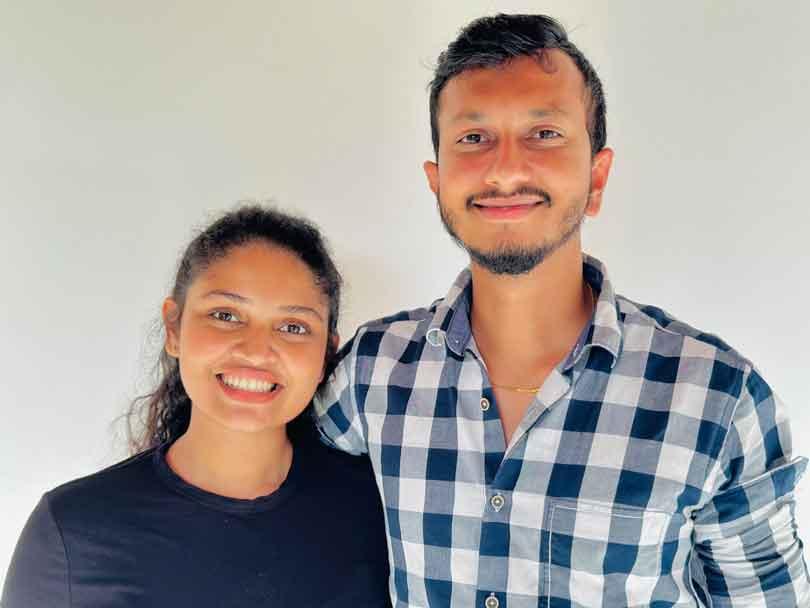
In a world where fashion constantly evolves, few young creatives manage to balance artistry with industry demands as seamlessly as Thimethma Algama. From early childhood inspiration rooted in family creativity to working alongside globally recognized brands, her journey reflects discipline, resilience, and an unwavering belief in her craft. Now building her career in Melbourne, she represents a new generation of Sri Lankan talent stepping confidently onto the global stage. In this conversation, Thimethma shares the personal influences that shaped her path, the challenges of entering a competitive industry, and the lessons that continue to guide her work. Her story is not only about fashion, but also about growth, adaptability, and purpose. Through her experiences across design, branding, and trend forecasting, she offers insight into what it takes to thrive creatively while staying grounded in commercial realities.
Growing up, what initially sparked your interest in fashion and creative design?
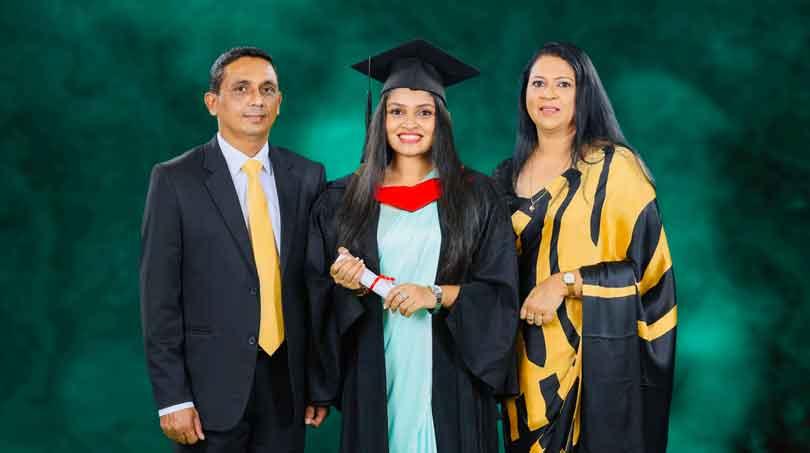
Growing up, my interest in fashion and creative design was deeply influenced by my family. My dad loved drawing, and I was always fascinated watching him bring ideas to life. At the same time, my grandmother used to sew garments for us, which made me appreciate the craftsmanship and attention to detail from a very young age. Most importantly, my mother constantly pushed me to become the best version of myself, encouraging me to think bigger, work harder, and believe in my creativity. Being surrounded by both artistic inspiration and strong support naturally sparked my passion for fashion and motivated me to pursue it further as I grew up.
Can you walk us through your journey from studying Fashion Design and Marketing to working with global brands like Victoria’s Secret and PVH?
My journey began with studying Fashion Design and Marketing, where I built a strong foundation in both the creative and commercial sides of the industry. During my studies, I developed skills in design, trend forecasting, and brand positioning, which helped me understand how fashion connects with consumers. A key turning point was my industry experience at Brandix, where I gained hands on experience working in a fast paced, global manufacturing environment. This exposure allowed me to understand the end-to-end process of apparel production, from concept development to final delivery, while collaborating with international clients. Through this experience, I had the opportunity to contribute to projects associated with global brands like Victoria’s Secret and PVH. Working alongside such well established brands helped me refine my attention to detail, adapt to high standards, and strengthen my ability to design within brand guidelines. Overall, my journey has been shaped by a balance of creativity, technical knowledge, and real-world industry experience, which continues to drive my passion for creating impactful and commercially approved pieces.
What were some of the biggest challenges you faced entering the apparel industry as a young professional?
One of the biggest challenges I faced entering the apparel industry as a young professional was bridging the gap between what I learned academically and the fast paced, results driven nature of the real industry. At university, there is a lot of creative freedom, but in a professional setting, you have to design within strict brand guidelines, timelines, and commercial expectations. Another challenge was building confidence in my ideas while working alongside more experienced professionals. It took time to trust my creative instincts and bring my ideas to the table, especially when collaborating on projects for global brands. However, having a mentor at Brandix who encouraged me to share my ideas freely played a huge role in shaping my confidence. They pushed me to trust my voice and helped me realize that my perspective had value. I also had to quickly adapt to the technical side of the industry, understanding production processes, fabric limitations, and client requirements, which are critical but not always fully covered in theory. These challenges ultimately helped me grow. They pushed me to become more adaptable, detail oriented, and confident, shaping me into a more well-rounded designer who can balance creativity with practicality.
How did working at Brandix shape your mindset and skills as a designer?
Working at Brandix was a turning point in shaping both my mindset and skills as a designer. It shifted my perspective from purely creative thinking to a more commercial and solution-oriented approach. I learned that design is not just about aesthetics, it must align with brand identity, customer expectations, and production feasibility. One of the biggest impacts was understanding the end-to-end apparel process. Being part of a large-scale manufacturing environment exposed me to everything from concept development and fabric selection to sampling and bulk production. This helped me become more detail oriented and mindful of how small design decisions can affect the final product. It also strengthened my ability to work under pressure and meet tight deadlines, especially when dealing with international clients. I learned to be adaptable, take feedback constructively, and refine my designs quickly without losing the core idea. Additionally, collaborating with cross functional teams improved my communication and teamwork skills. I became more confident in presenting ideas. Overall, Brandix helped me evolve into a well-rounded designer, someone who is not only creative, but also practical, efficient, and deeply aware of industry demands.
You have worked across design, graphics, and branding. How do you balance creativity with commercial expectations?
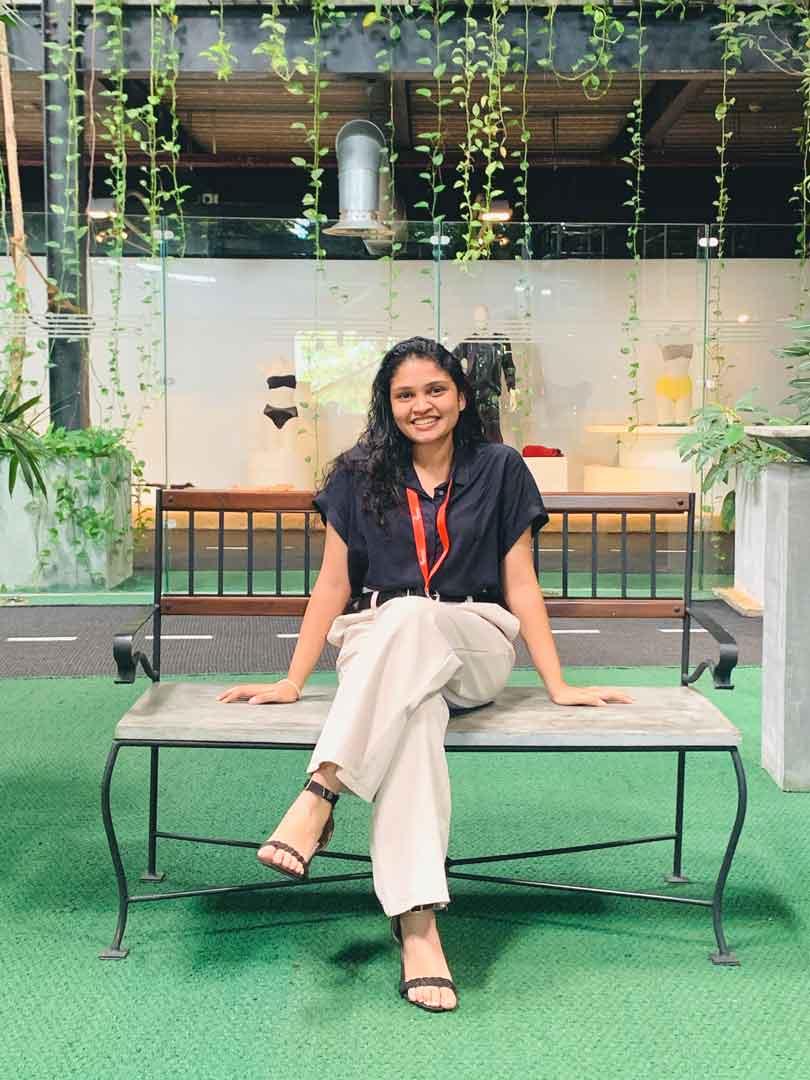
Balancing creativity with commercial expectations comes down to understanding that the two complement each other. I approach every project by first grounding myself in the brand identity, target customer, and market trends. That gives me a clear direction, so my creativity is purposeful rather than just expressive.
From there, I explore ideas within those boundaries, pushing for innovation while asking whether the concept will resonate with the customer, whether it is feasible to produce, and whether it aligns with the brand. This helps me stay creative while still meeting business goals. Working across design, graphics, and branding has also taught me to think holistically. It is not just about one product, but about how everything connects to tell a consistent story that drives sales and brand value. I also see feedback and constraints as part of the creative process rather than limitations. They help refine ideas into something that is visually strong, practical, market ready, and impactful. Ultimately, I balance both by designing with intention and ensuring every creative decision has a clear purpose and commercial relevance.
What role has resilience played in your journey, especially moving to Melbourne and building your career further?
Resilience has played a significant role in my journey, especially moving to Melbourne and starting over in a new environment. It was not just about continuing my career, but about adapting to a different industry landscape, understanding a new market, and rebuilding my confidence from scratch. One of the biggest challenges was stepping out of my comfort zone. Back home, I had relevant experience and industry exposure, but in Melbourne, I had to prove myself again. There were moments of uncertainty, whether it was job searching, navigating a new work culture, or aligning my experience with local expectations. Resilience helped me stay consistent and open minded. Instead of getting discouraged, I focused on learning new skills, improving my portfolio, and understanding what employers were looking for. I became more adaptable, taking on different roles and experiences that contributed to my growth. The move also pushed me to become more independent and confident in my abilities. It taught me to trust my journey, stay patient, and keep showing up even when things felt challenging. Overall, resilience has been the foundation of my growth. It has allowed me to turn challenges into opportunities and continue building my career with determination and purpose.
Can you share a moment where you doubted yourself and how you pushed through it?
A moment I really doubted myself was when I first moved to Melbourne and started applying for design roles. Despite having experience, I was not getting the responses I expected, and it made me question whether my skills and background were enough in a new market. It was a difficult phase because I had to step back and reassess everything, my portfolio, my CV, and how I was presenting myself. Instead of letting that doubt hold me back, I used it as motivation to improve. I refined my portfolio to better match industry expectations, showcased my projects more strategically, and stayed consistent with applications.
At the same time, I reminded myself of the experience and exposure I had already gained, especially working with global brands.
That helped me rebuild my confidence and trust my abilities. Eventually, that persistence paid off. I gained more clarity, more opportunities, and a stronger sense of self belief. That experience taught me that self-doubt is natural, but growth comes from pushing through it rather than letting it define you.
Your work involves trend forecasting. How do you stay ahead in such a fast-moving industry?
Staying ahead in a fast-moving industry like fashion requires a mix of constant curiosity, research, and intuition. I make it a habit to regularly follow global trend platforms, fashion weeks, and brand movements to understand what is emerging across different markets. I also look beyond fashion into art, culture, social media, and consumer behaviour, because trends today are shaped by a wider lifestyle context. Platforms like Instagram and Pinterest, along with street style, provide real time insights into what people are wearing and engaging with. At the same time, my experience in the apparel industry helps me filter trends from a commercial perspective. Not every trend is relevant, so I focus on identifying what aligns with the brand, target customer, and market timing. I also believe in balancing data with instinct. Over time, you develop an eye for patterns, what is evolving, what is repeating, and what has long term potential versus short term hype. Ultimately, staying ahead is about being proactive, continuously learning, observing, and adapting while translating trends into something meaningful and wearable.
Beyond your career, you volunteer teaching English. What inspired you to give back in that way?
Volunteering to teach English came from a genuine desire to give back and support others in a meaningful way. Moving to a new country made me realise how important communication is, not just for work, but for confidence and everyday life. That perspective stayed with me. I was inspired by the idea that something as simple as language can open up opportunities for people, whether it is helping them find a job, connect with others, or feel more included in a community. Teaching English felt like a practical way for me to make a real impact. It is also incredibly rewarding on a personal level. Seeing someone grow in confidence, express themselves better, and feel proud of their progress reminds me why I do it. It keeps me grounded and gives me a sense of purpose beyond my professional goals.
What message would you give to young people in Sri Lanka who want to break into global creative industries?
My message to young people in Sri Lanka who want to break into global creative industries is to believe that your background is not a limitation, it is your strength. Coming from a country known for manufacturing excellence already gives you a strong foundation in discipline, quality, and technical understanding. But to move into global creative spaces, you also need to develop your own point of view. Do not just follow trends, learn to interpret them and add your unique perspective.
Be open to starting small and learning continuously. Every experience, whether it feels big or small, contributes to your growth. Focus on building a strong portfolio, staying curious about global trends, and constantly improving your skills. Most importantly, do not wait for the perfect opportunity. Create visibility for yourself, share your work, seek feedback, and stay consistent even when things feel uncertain. If there is one lesson I have learned, it is that resilience, adaptability, and self-belief matter just as much as talent. The global industry is competitive, but there is always space for originality and persistence.