What Does It Take to Make a Country Curious About Itself? : The Minds Behind Expedition Serendip
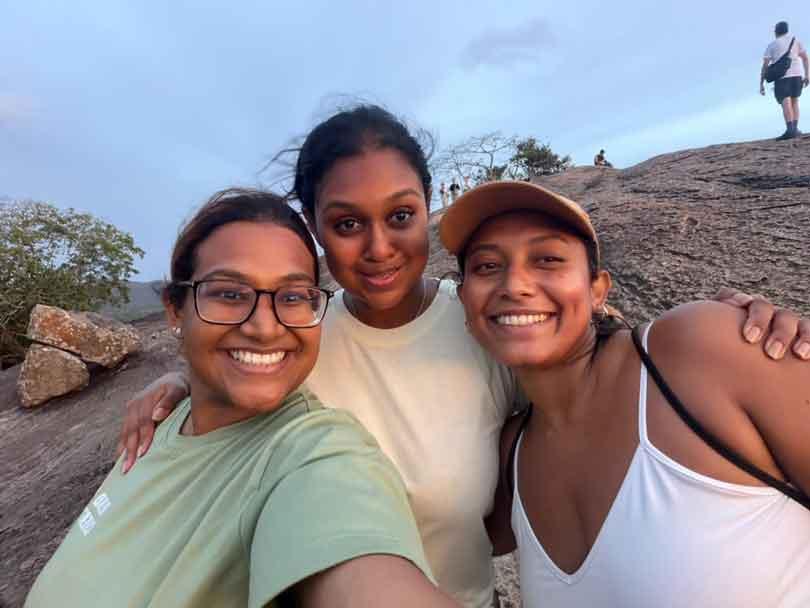
Keshiya, Anargi and Natasha
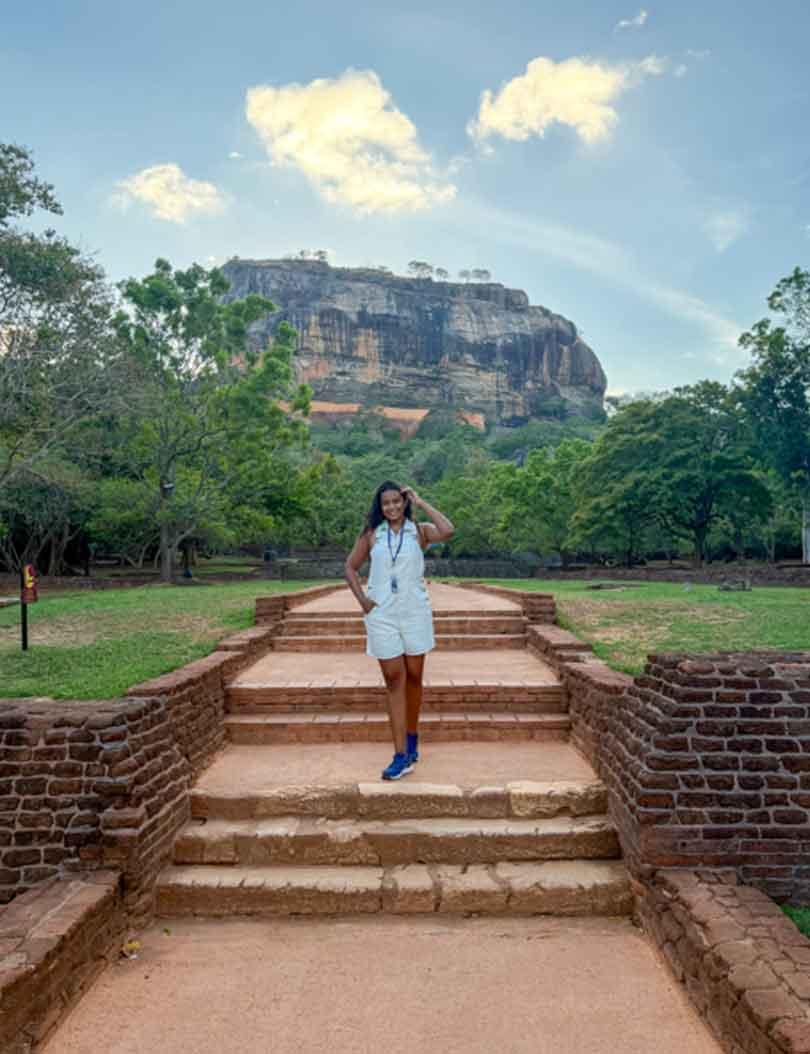
There is a peculiar thing that happens to a place once it becomes famous. It begins to disappear behind its own image. The mountain becomes a viewpoint, the forest becomes a photograph, the ancient ruin becomes an itinerary, and somewhere between the entrance ticket and the inevitable picture, the place itself is quietly reduced to what we already know about it. Sigiriya is a particularly good example. We recognize its silhouette almost instinctively, know the familiar stories of kings and fortresses, and understand where to stand for the photograph. Yet familiarity, for all its comforts, is not necessarily the same as understanding. There are histories beneath the histories we have been taught, ecological relationships that precede the monuments we celebrate, and entire worlds of knowledge that remain invisible to the casual visitor.
It is this distance between seeing and understanding that Expedition Serendip, a four-part Sri Lankan documentary series premiering on 15 November, hopes to explore. Moving through the dry-zone landscapes of Sigiriya, Pidurangala, Gerandigala and Ritigala, the production brings natural and human histories into conversation, examining places not simply as archaeological landmarks or ecological habitats but as environments in which geology, biodiversity, religion and civilization have developed alongside one another. Yet behind this attempt to reconsider the landscape lies another, less visible undertaking: the business of making people curious enough to look.
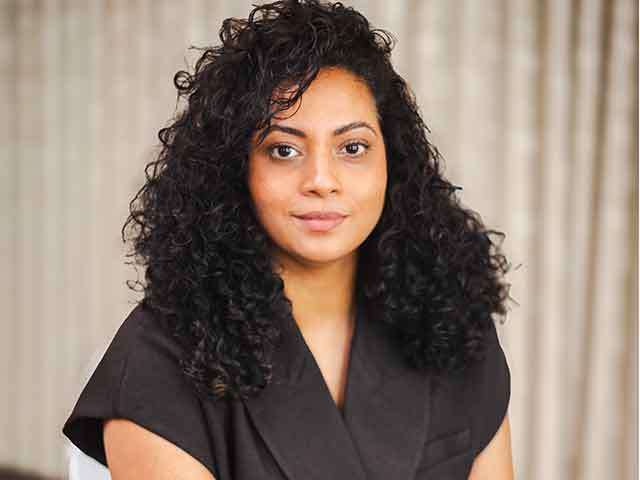
For Natasha Fernando, Head of Operations, and Keshiya Jayasuriya, Head of Media, the challenge is particularly interesting because the documentary's subject belongs to geological and historical timescales, while its audience belongs unmistakably to the present. Their work brings together production coordination, digital storytelling, creative collaborations and audience engagement, disciplines that might appear removed from archaeology or ecology but which ultimately determine how these subjects reach the public. "I've always, whenever I travel, loved to learn a little bit more than what the preview of the destination offers," she explains. There is, after all, a considerable amount that a travel itinerary cannot provide. A mountain may be described by its elevation, a ruin by its historical period and a forest by its most recognizable animals, but such descriptions rarely explain the relationships that give a place its character. Pidurangala, Natasha observes, has become almost synonymous with the view it offers of Sigiriya, while its historical and ecological dimensions receive comparatively little attention. Even lesser-known landscapes can remain unfamiliar to people who live nearby. "Our country is more than what we have heard of," she says, reflecting on how much of Sri Lanka's past remains outside the narratives most people encounter through formal education.
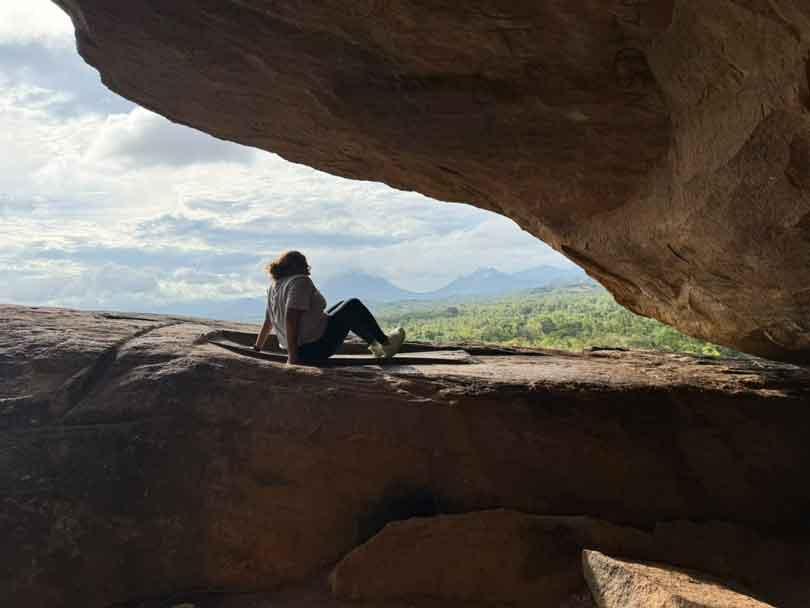
There is something refreshing about the fact that the project is being developed by a relatively young creative collective. Historical and wildlife documentaries are often associated with established institutions, experienced presenters and specialists who have spent decades studying their subjects. Expertise remains indispensable, but Natasha sees considerable value in younger people entering these spaces with curiosity rather than intimidation. The documentary also brings Nilantha's experience in wildlife and nature-based exploration into conversation with a younger generation of storytellers. "It's two generations coming together cohesively to execute a project that a younger generation has sort of initiated," Natasha observes. The relationship carries a personal continuity too. Knowledge, in this instance, is not merely being transferred through research or formal instruction, but through years of shared experience, observation and conversation.
The question of how that knowledge should be communicated has become central to Keshiya's work. History has something of an image problem, not because the subject lacks excitement, but because its traditional presentation can make extraordinary events feel strangely remote. Dates, dynasties, rulers and archaeological classifications are often introduced as information to remember rather than worlds to investigate. Yet a rock inscription was once somebody's act of communication, an ancient pathway was once part of somebody's daily journey, and a reservoir was once an essential response to the practical difficulties of living in a particular environment. History becomes considerably more interesting when it is restored to the physical world in which it occurred.
Keshiya's creative approach begins with familiarity, but deliberately refuses to remain there. A recognizable image of Sigiriya can establish an immediate connection with an audience before introducing an unexpected perspective. "It's like a hook, right?" she explains, describing the decision to use familiar landmarks as an entry point into less familiar histories. But the objective is not to reproduce what people already know. "It's giving people a new perspective altogether," she says. The distinction matters because a documentary that simply repeats conventional narratives may reinforce knowledge without meaningfully expanding it. The team's recurring ambition to make history "cool" therefore carries a more serious intention: to demonstrate that intellectual curiosity and compelling presentation need not be mutually exclusive.
Perhaps the most distinctive expression of this philosophy lies in the documentary's original soundtrack, created by Dinil and Sam, two DJs who approached the assignment by collecting sounds from Sri Lanka's cultural and natural environment. The composition incorporates the sound of a conch shell, recordings associated with railway tracks and bird calls, while the musicians even attempted to capture the sounds of elephants encountered during their travels. The resulting ten-minute composition has been structured so that sections can be used across the documentary's promotional material. For Keshiya, its significance lies in the way familiar sounds establish a sense of place. "They've gone above and beyond to collect sounds around us that make us feel here almost," she says. It is an interesting proposition: that a landscape might be understood not only through what it looks like, but through what it sounds like.
The wider production team reflects a similar willingness to move beyond conventional professional boundaries. Web developers contribute animations, photographers bring historical and ecological awareness to their images, videographers suggest alternative visual approaches, and people from marketing and technology backgrounds participate in shaping the documentary's identity. Keshiya speaks appreciatively of Sahas and the technical contributors whose work has helped develop the project's animated promotional material. "We have a fantastic team," she says, describing the combination of editors, photographers, videographers and creative specialists involved. The working environment, she suggests, is characterized by an unusual openness to experimentation. "Everyone's open to ideas, everyone's open to changing things." Creative direction becomes less an exercise in enforcing a predetermined vision than a process through which different interpretations can be considered.
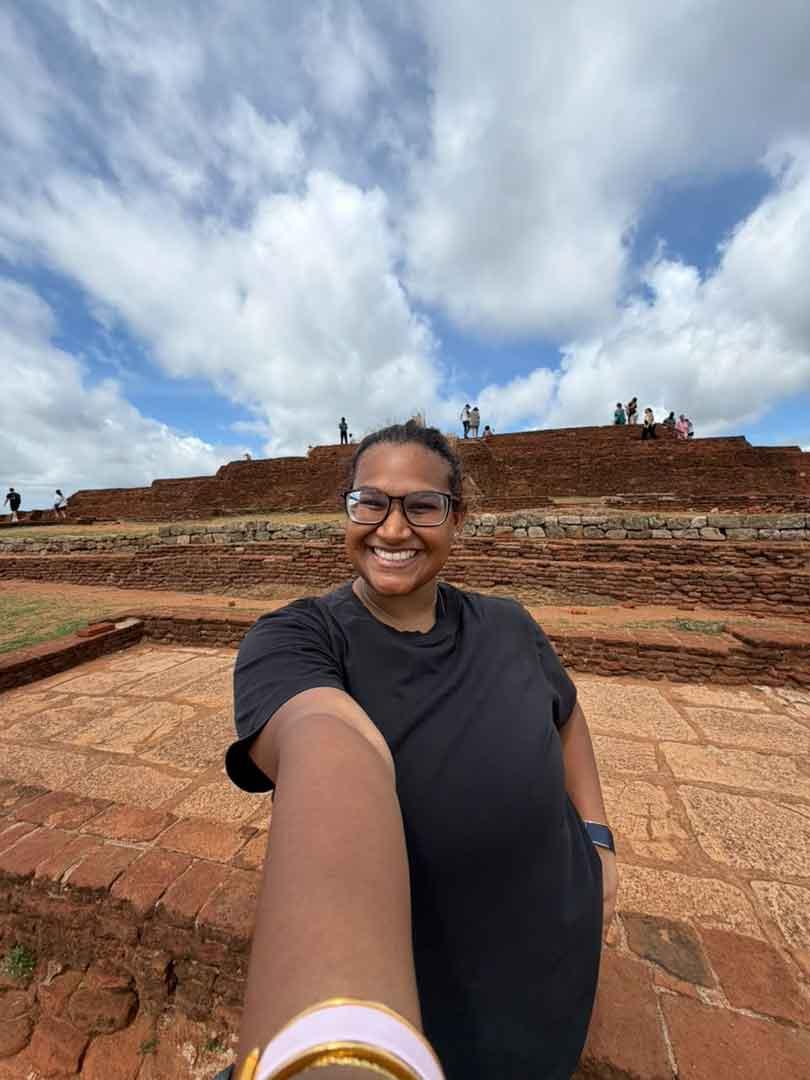
Keshiya
This flexibility is particularly valuable in documentary filmmaking, where the environment itself cannot always be controlled. Weather changes, light moves, animals appear or disappear, and a landscape that seemed predictable during planning may reveal something entirely different when filming begins. Natasha recognizes the importance of navigating such uncertainties while coordinating the practical demands of production. Her professional background in marketing and fast-moving consumer goods may appear distant from archaeology or wildlife, but the organizational experience becomes relevant when bringing together collaborators with different expectations and working methods. "All the collaborators that are in this project bring a certain value," she reflects, emphasizing the shared interest that connects the team despite their different backgrounds.
There is an almost paradoxical ambition in using the speed of social media to encourage the slower habits of observation upon which historical and ecological understanding depend. Digital attention does not automatically become intellectual engagement, and an attractive visual is no substitute for sustained scholarship. Yet the team's approach recognizes that curiosity often begins with something small. A viewer may encounter an unfamiliar fact, recognize a landscape from childhood or discover that a place previously visited for its scenery contains an entirely different history. The documentary can then provide the space for a more developed exploration.
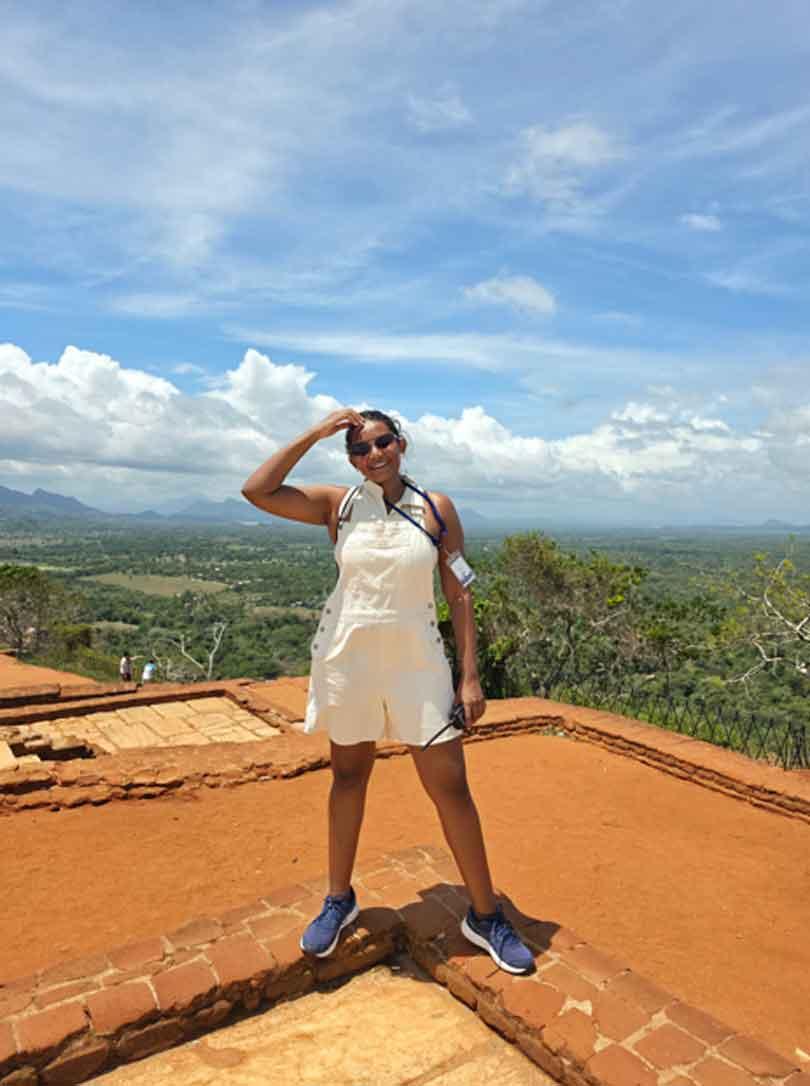
As Expedition Serendip approaches its 15 November premiere, the more meaningful measure of its success may lie beyond its cinematography, soundtrack or digital reach. It will be found in whether someone who has climbed Sigiriya begins to wonder about the rock beyond its royal associations, whether a traveller who knows Pidurangala primarily as a viewpoint becomes curious about its wider history, or whether a person passing Ritigala begins to recognize the ecological and archaeological complexity contained within it. The rocks will remain after the cameras leave, the forests will continue their complicated lives, and the inscriptions will retain their histories whether or not anyone stops to read them. What Natasha, Keshiya and the collective behind the documentary may help change is the attention we bring to those places. For all the sophistication of contemporary media, that remains a remarkably simple ambition: to persuade someone to look again, and perhaps, this time, to see.