The World You See Is the World You Feed Your Mind
Seeing Selectively
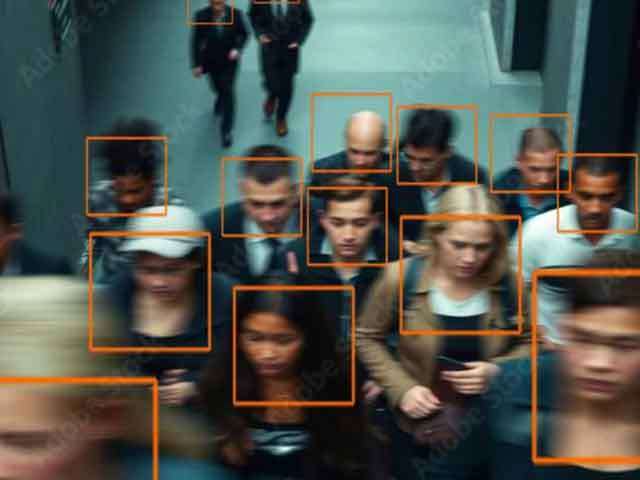
Most people often think of the world as something they simply observe. They wake up, immediately check their phones, keep themselves updated with the latest news, scroll for another hour, and go about the rest of their day, assuming that what they see online is an accurate representation of what is happening around them. But how much of the world does one actually experience, and how much of it is shaped by what they repeatedly expose themselves to?
Humans have selective attention, meaning we cannot possibly absorb everything happening around us. Instead, we filter certain information, and focus on certain people, ideas and experiences while overlooking countless of other ones. And over time, these repeated observations start to become strangely familiar. The familiarity begins to feel important, and what feels important to us gradually finds a place in our thoughts.
Familiarity Becomes Reality
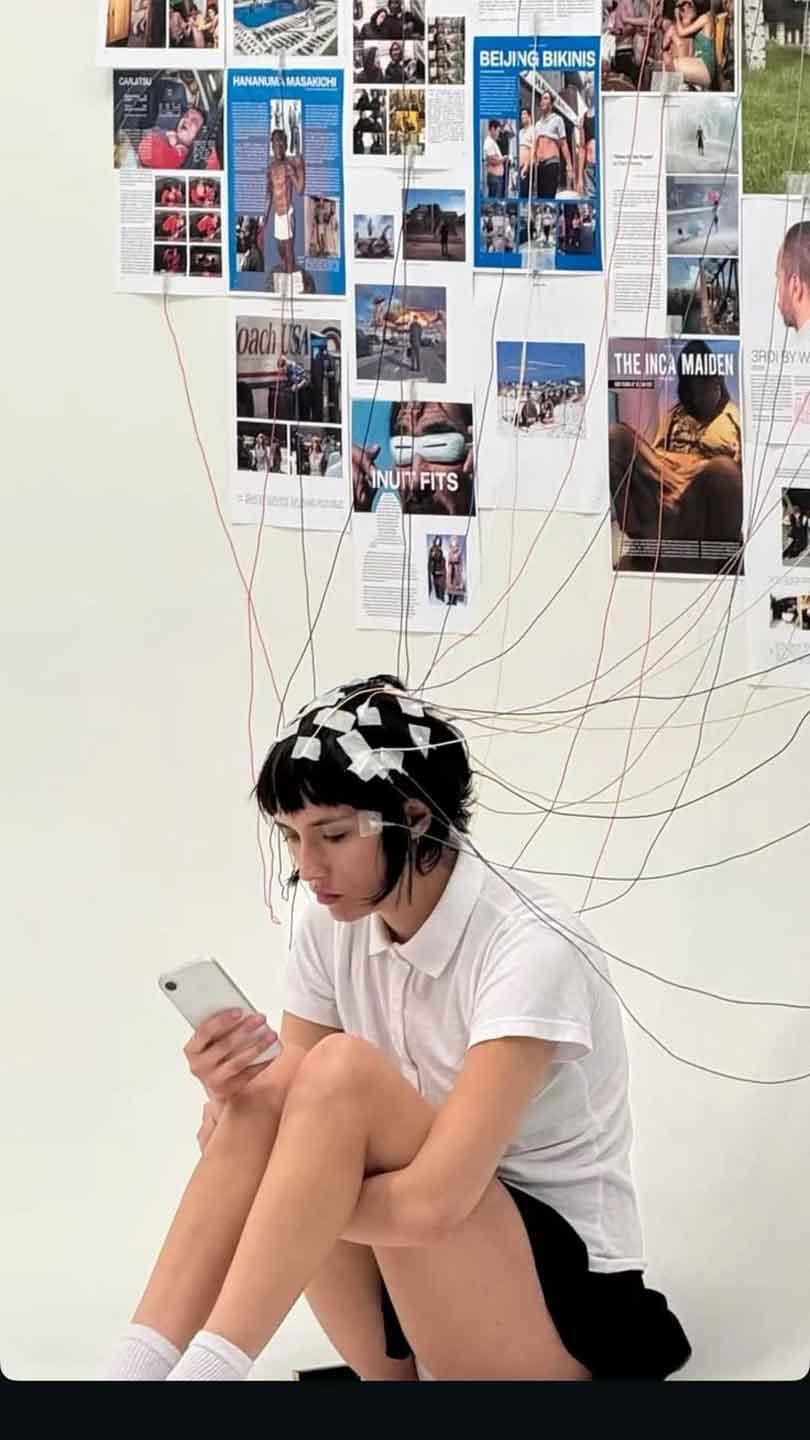
Consider how much of our understanding of the world is influenced by popular culture. Hollywood, for example, occupies a vast amount of space in social media. We recognize actors, keep up with who they are dating, discuss award ceremonies, and become all too familiar with the lifestyles of people living thousands of miles away. Yet, there are entirely different film industries and cultural experiences all around the globe that we know very little about. This does not necessarily mean they lack the talent or significance as opposed to that of Hollywood, but rather that they do not receive the same level of exposure.
When certain things are constantly put in front of our faces, they begin to feel like an important part of our lives. We start to become familiar with it, develop opinions about it, and eventually incorporate it into our understanding of what is currently culturally relevant. This is actually closely connected to the psychological mere-exposure effect, which suggests that constant repeated exposure to something can increase our familiarity and, under certain conditions, our preference for it. In simpler terms, the things that we see most often can begin to feel like the things that matter to us the most.
A Filtered World
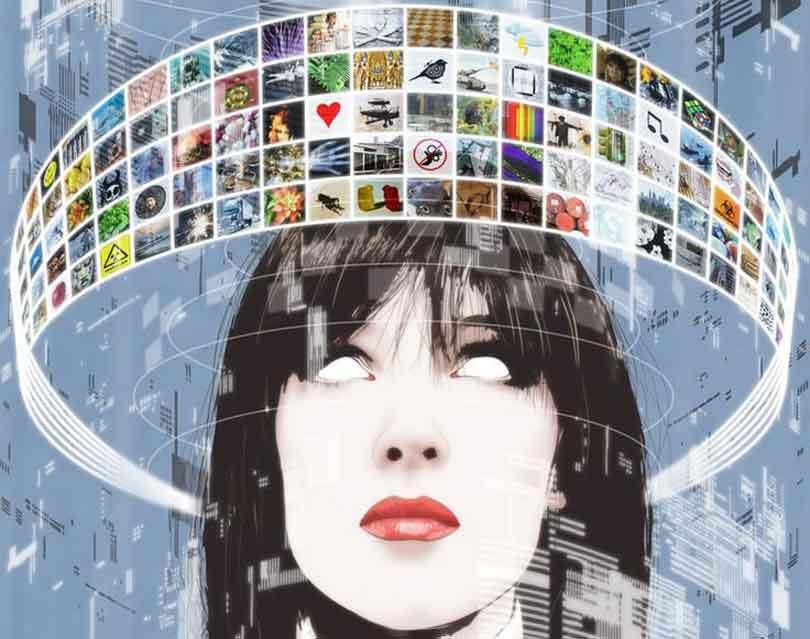
Social media platforms use algorithms to determine what appears on our screens, and the content we see is often based on our previous interactions and interests. The more we engage with one type of content, the more likely we are to encounter similar material.
Unfortunately, this can create an understanding of reality that is rather narrow. Someone who regularly consumes negative news may develop the impression that the world is considerably more dangerous than it actually is. Someone else who spends hours watching content about beauty and appearance may gradually start to evaluate themselves against modern-day beauty standards (which are often HEAVILY curated or unrealistic). The interesting bit is that none of these people really see the entire picture. They see a version of the world that has been filtered through their attention and information repeatedly placed in front of their faces, and over time, the filter can become so familiar that they even forget it exists.
Your Attention Shapes Who You Become
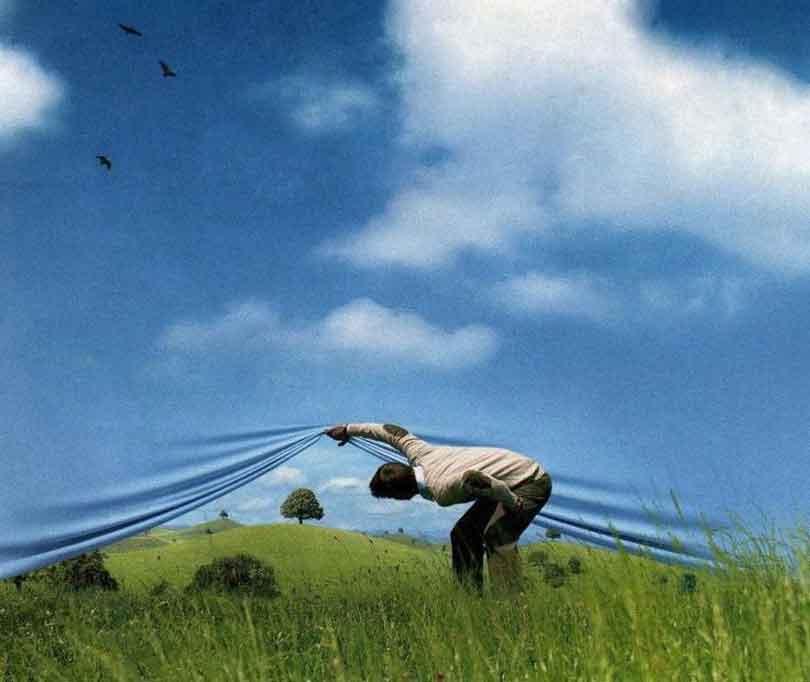
Beyond affecting how people see the world, attention can also play a role in shaping the individuals that we grow into. The ideas we repeatedly entertain can impact our ambitions, habits, and attitudes. This can work for us and against us. When we surround ourselves with curiosity, knowledge and different perspectives, we can create opportunities to expand our understanding of what’s around us. When we repeatedly expose ourselves to comparison, negativity, or unrealistic expectations, those things can begin to influence our internal dialogue.
This does not mean that simply thinking positively will automatically transform our circumstances, or that we can control everything that life throws at us. Instead, it highlights the importance of recognizing that our mental environment matters way more than our physical one. What we read, watch, and listen to contributes to the collection of ideas through which we interpret our experiences. Our minds are constantly making connections, forming associations, and learning what to pay attention to in more ways than one, and what we repeatedly allow into our minds becomes part of the lens through which we ultimately experience life.
Intentional Creation
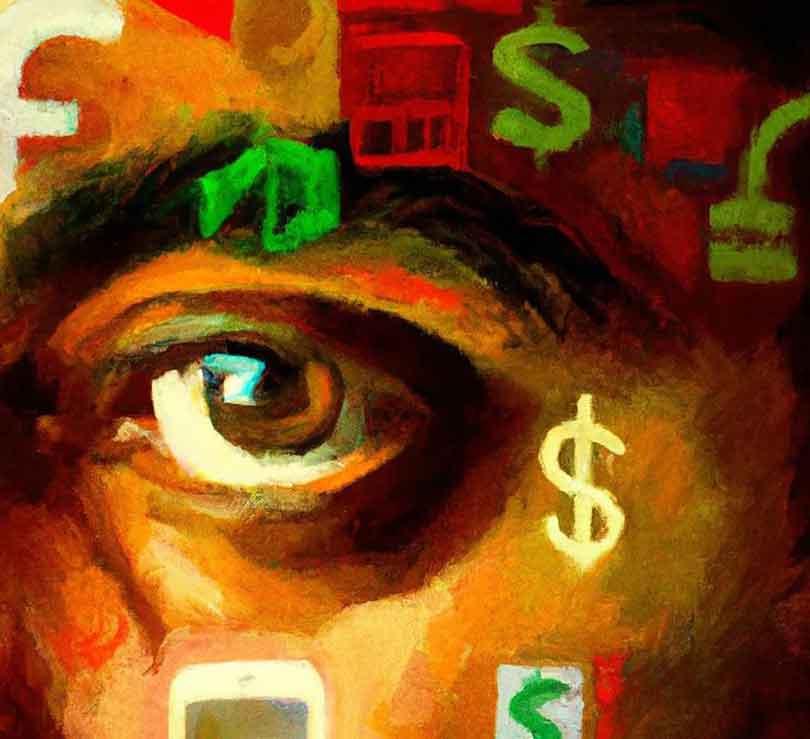
The most eye-opening realisation that we can have, is that we have more influence over our attention than we know. Yes, it is true that we cannot control everything that appears on our screens or every event that unfolds around us. However, we can become way more conscious about what we choose to engulf ourselves in. We can explore the many cultures of the world, beyond the ones constantly presented to us. We can take to books again and read about subjects we are unfamiliar with. We can start using our brains again and question the information, ideas, and perspectives. As a result, this can make room for new perspectives that challenge the beliefs that sit rigid in our minds.
There is a whole world beyond what our screens repeatedly show us, and for those wanting to discover it, it is crucial to have the willingness to look elsewhere. We do not have to abandon entertainment, social media, or any of the things we enjoy watching. We just have to understand that they are not the entirety of reality.

We should occasionally ask ourselves what the things we consume are teaching us to notice and believe. Are we feeding our minds with things that expand our understanding, or are we repeatedly reinforcing the same narrow picture of the world?
Because ultimately, the world is so much bigger than the small portion of it that social media shows us. And while we may not get to choose everything we experience, we can be more careful about what we choose to see, as it definitely has the ability to shape our perspectives.
This proves that the world you see is what you constantly feed your mind, so think twice, and maybe even thrice, about what you feed it.