Excessive Sugar Intake Linked to Brain Diseases and Depression

By Dewmi Dodhani
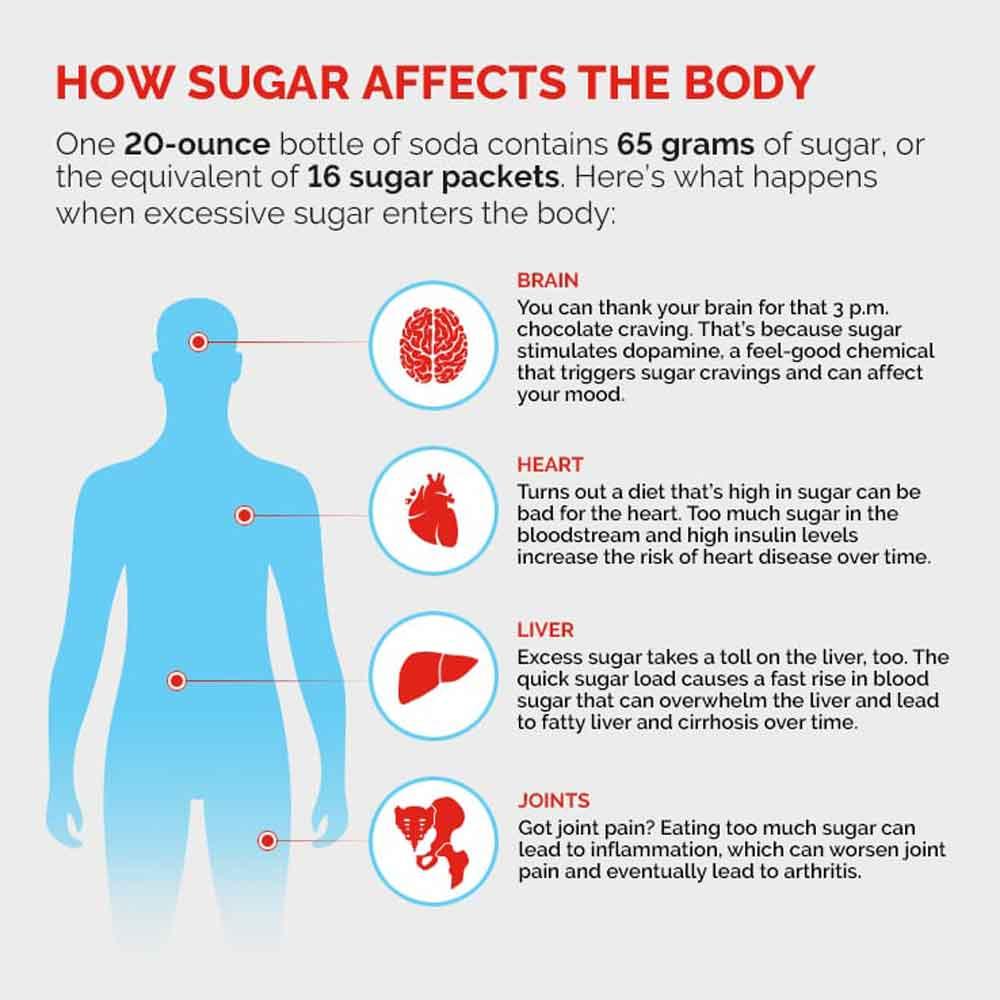
Sugar has quietly embedded itself into nearly every corner of the modern diet. It sweetens morning coffee, hides in breakfast cereals marketed as “healthy,” enhances the flavour of sauces and salad dressings, and dominates the shelves of snack aisles and beverage refrigerators. For many people, avoiding sugar feels almost impossible. While excessive sugar consumption has long been associated with weight gain, obesity, and type 2 diabetes, emerging research suggests its impact may extend far beyond physical health. Increasingly, scientists are examining how high sugar intake may influence brain function, cognitive decline, and mental health disorders.
Over the past decade, a growing body of international research has highlighted a concerning connection between diets high in added sugars and neurological damage. According to findings discussed by the World Health Organization (WHO), excessive consumption of free sugars, those added to foods and drinks, as well as sugars naturally present in honey, syrups, and fruit juices, contributes to chronic inflammation throughout the body. Chronic inflammation is now widely recognized as a major driver of numerous diseases, including cardiovascular illness and metabolic disorders. More recently, researchers have begun linking persistent inflammation to cognitive decline and long-term brain damage.
Inflammation in the brain can interfere with communication between neurons and gradually impair their function. Over time, this may reduce cognitive flexibility, memory retention, and the brain’s ability to adapt to new information. Studies suggest that individuals who consistently consume high amounts of sugar may experience subtle declines in learning ability and memory performance, even before more severe neurological conditions develop.
A key biological factor in this process involves a protein known as brain-derived neurotrophic factor (BDNF). Research highlighted by Harvard Medical School has shown that diets rich in added sugars may lower levels of BDNF in the brain. This protein plays a critical role in supporting the survival of existing neurons, encouraging the growth of new brain cells, and strengthening synaptic connections that allow learning and memory formation to occur. When BDNF levels drop, the brain’s resilience weakens. Reduced BDNF activity has been associated with mood disorders such as depression, as well as neurodegenerative conditions including Alzheimer’s disease.
The relationship between sugar and mental health is particularly concerning. In recent years, researchers have begun examining how dietary patterns influence emotional well-being. A large-scale study published in the journal Scientific Reports and referenced by researchers at University College London found that men who consumed high levels of sugar were significantly more likely to develop common mental disorders over time. Importantly, the study suggested that high sugar intake preceded the onset of depression and anxiety, indicating that sugar consumption may contribute to rather than simply result from, poor mental health.
One possible explanation lies in the way sugar interacts with the brain’s reward system. When a person consumes sugary foods, the brain releases dopamine, a neurotransmitter associated with pleasure and reward. This temporary surge can create feelings of enjoyment and comfort. However, repeated exposure to high sugar levels may alter the sensitivity of dopamine receptors, requiring larger amounts of sugar to achieve the same pleasurable effect. Over time, this pattern can resemble dependency-like behaviour, with cravings intensifying and mood dips becoming more frequent.
Beyond dopamine, excessive sugar intake may disrupt the balance of other critical neurotransmitters, including serotonin, which plays a central role in regulating mood, sleep, and emotional stability. Rapid spikes and crashes in blood glucose levels can influence serotonin production, contributing to irritability, fatigue, and emotional instability. Many individuals are familiar with the so-called “sugar crash” - a period of sluggishness, brain fog, or low mood following the initial burst of energy. When this cycle repeats daily, it may gradually destabilize mood regulation mechanisms.
Neurologists also caution that persistently elevated blood sugar levels can damage the delicate network of blood vessels that supply the brain. Over time, this vascular damage may increase the risk of vascular dementia, a condition caused by reduced blood flow to brain tissue. Experts cited by the National Institute on Aging emphasize that uncontrolled glucose levels contribute to oxidative stress and inflammatory processes that accelerate brain aging. Oxidative stress occurs when harmful molecules known as free radicals accumulate faster than the body can neutralize them, leading to cellular damage. Brain cells are particularly vulnerable to such damage because of their high metabolic demands.
Another emerging area of research focuses on insulin resistance within the brain. Insulin is widely known for regulating blood sugar in the body, but it also plays an essential role in brain signalling. When cells become resistant to insulin, glucose cannot be efficiently utilized for energy. Some researchers have even referred to Alzheimer’s disease as “type 3 diabetes,” underscoring the theory that impaired insulin signalling in the brain may contribute to cognitive decline. Although this terminology remains debated, the growing evidence linking metabolic dysfunction to neurodegenerative disease has strengthened calls for dietary caution.
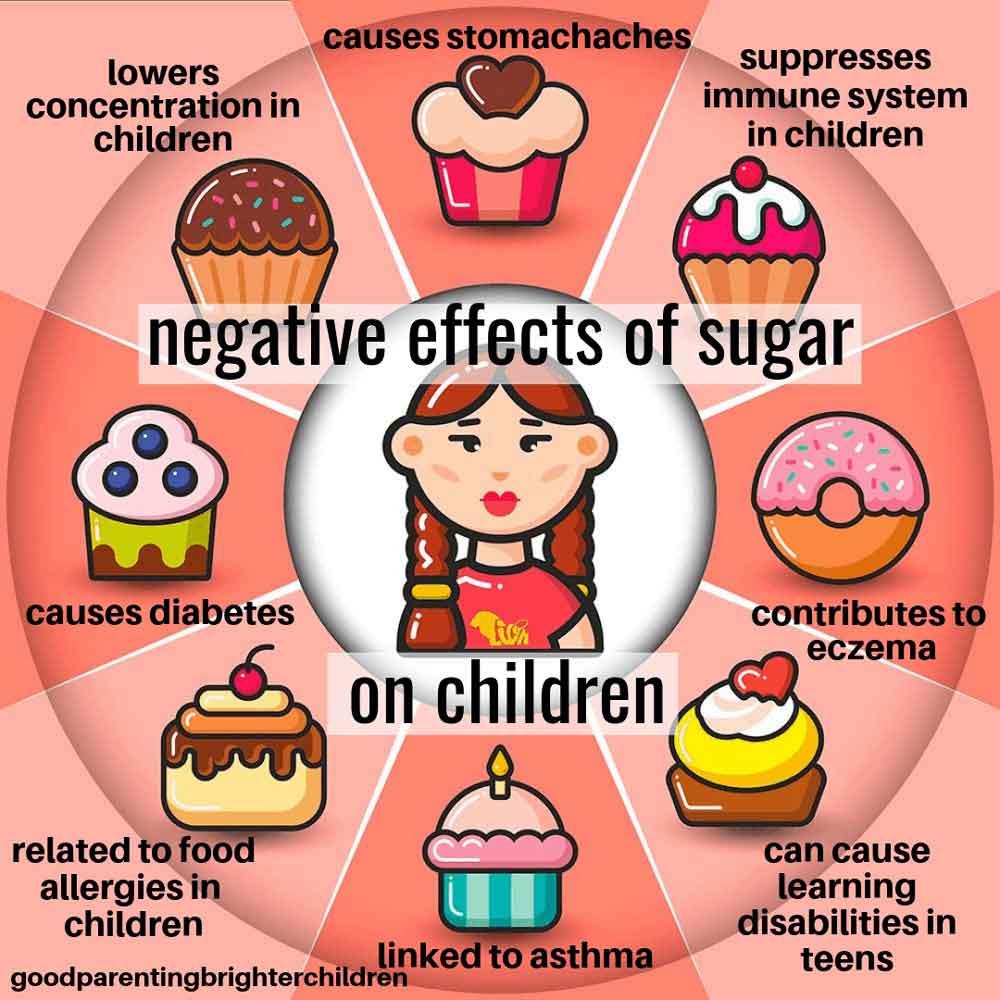
Children and adolescents may face unique risks. Developing brains are highly sensitive to nutritional influences, and early dietary habits can shape long-term health outcomes. With the rising popularity of energy drinks, sweetened milk beverages, flavoured yogurts, and heavily processed snacks, younger generations are exposed to unprecedented levels of added sugar. Paediatric health experts warn that sustained high sugar intake during childhood may affect concentration, impulse control, emotional regulation, and even academic performance. Fluctuating blood sugar levels can interfere with attention span and contribute to behavioural challenges in school settings.
Importantly, not all sugars pose the same risk. Natural sugars found in whole fruits are generally not the primary concern. Fruits contain dietary fibre, vitamins, minerals, and antioxidants that slow the absorption of sugar into the bloodstream and provide protective benefits.
The fibre in fruit helps stabilize glucose levels, preventing the dramatic spikes associated with sugary beverages and processed snacks. The real danger lies in added sugars, particularly those found in soft drinks, confectionery, baked goods, breakfast cereals, and packaged foods that may not even taste overtly sweet.
The World Health Organization recommends limiting free sugars to less than 10 percent of total daily energy intake, with further health benefits observed when intake falls below 5 percent. For an average adult, this equates to roughly six teaspoons, about 25 grams of added sugar per day. Yet surveys in many countries show that actual consumption often doubles or even triples this amount. A single can of soda can exceed the recommended daily limit.
Health professionals emphasize that moderation, rather than complete elimination, is a realistic and sustainable approach. Simple strategies can significantly reduce long-term risk. These include replacing sugary beverages with water or unsweetened alternatives, carefully reading nutrition labels to identify hidden sugars, cooking meals at home using whole ingredients, and gradually reducing sugar added to coffee, tea, and desserts. Even small, consistent changes can help recalibrate taste preferences over time.
Public health advocates argue that greater awareness is essential. Sugar is often marketed in appealing ways, particularly to children. Colourful packaging, celebrity endorsements, and health claims on processed foods can obscure high sugar content. As research continues to uncover the neurological implications of excessive sugar intake, experts hope consumers will make more informed dietary choices. The connection between diet and mental health is becoming increasingly difficult to ignore. In a world where depression, anxiety, and cognitive disorders are on the rise, lifestyle factors deserve careful attention. While sugar alone does not cause complex mental health conditions, it may act as a contributing factor in susceptible individuals. Combined with sedentary lifestyles, chronic stress, and poor sleep, excessive sugar intake may compound existing vulnerabilities.
Ultimately, reducing added sugar represents a simple yet powerful step toward protecting long-term brain health. What was once dismissed as a harmless indulgence may carry deeper neurological consequences than previously understood. Protecting the mind requires more than intellectual stimulation and emotional support; it also demands thoughtful nourishment. As research evolves, one message remains clear: the foods consumed daily shape not only physical health but cognitive and emotional well-being. Cutting back on sugar may not only safeguard the heart and waistline but also preserve memory, stabilize mood, and reduce the risk of future brain disease. In an era marked by rising mental health challenges and aging populations, prioritizing brain-conscious nutrition has never been more important.