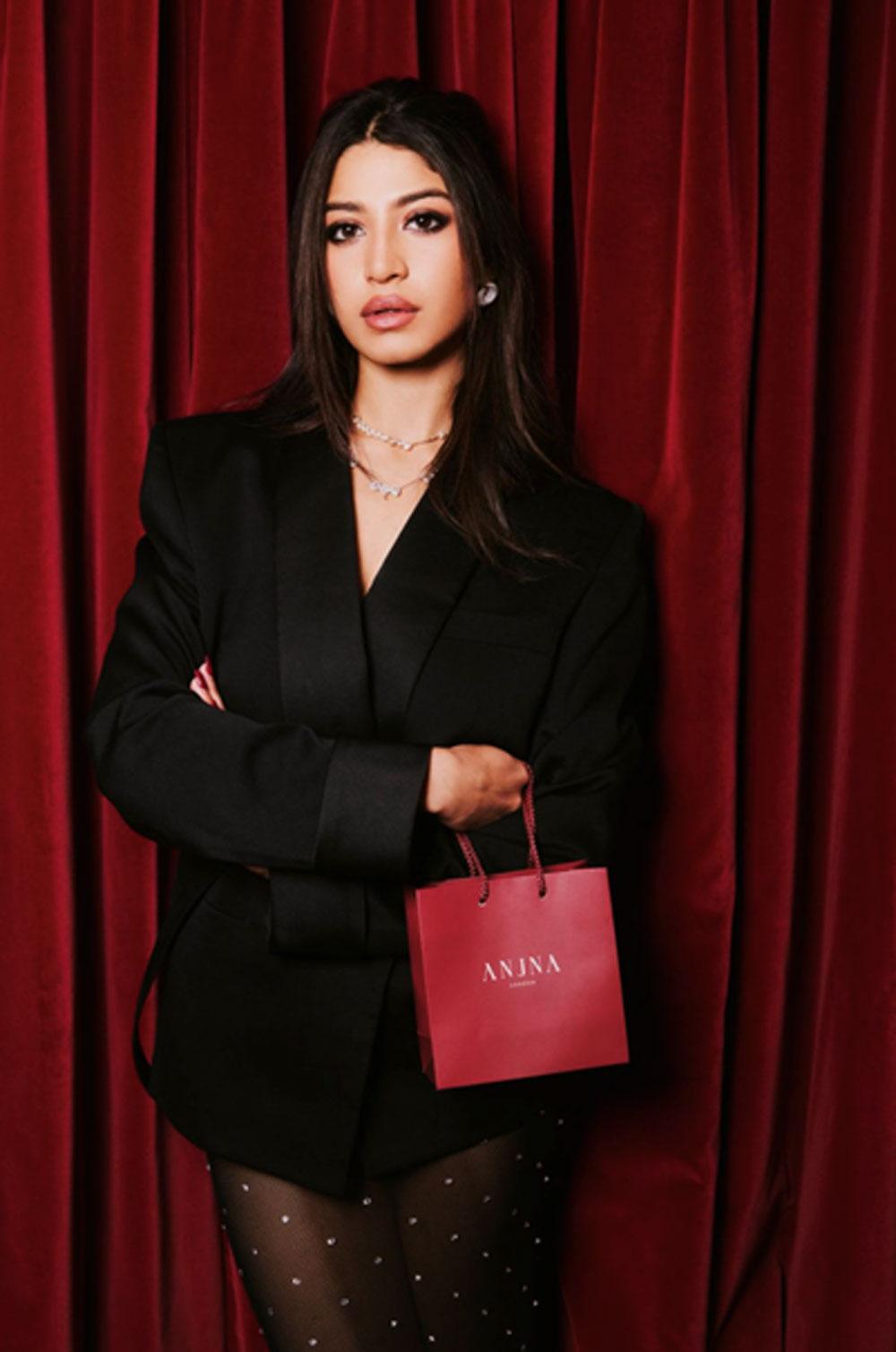
Why the Founder Is the New Face of Fashion
FASHION ROOM BY ANJNA KAUR
For decades, fashion thrived on allure and mystique. Designers appeared briefly at the end of runway shows, while the true force of a brand lived in its logo, campaigns, and meticulously curated image. Luxury relied on distance: the less the public knew, the more coveted it became. Secrecy was power. But that dynamic has shifted. By 2026, the most influential brands are no longer those shrouded in mystery; they are the ones that feel personal, intimate, and approachable. Today, audiences crave connection, not just admiration. The story behind the brand matters as much as the product itself. Increasingly, the founder emerges as the face of fashion, embodying its values, voice, and vision. Logos still matter, but the real resonance comes from human connection. In an era defined by transparency and engagement, personal narratives have replaced anonymity, proving that the strongest luxury brands are those who invite us in rather than keep us out.
From House Codes to Human Stories
Traditional fashion houses were built on heritage, prestige, and legacy. Consumers were drawn to decades of craftsmanship, the weight of brand codes, and the carefully curated identity of the house itself. Designers mattered, but the brand’s persona existed beyond any individual. Luxury was about timelessness, consistency, and distance; an aura that made the unattainable desirable. Today, the landscape has shifted dramatically. Modern consumers no longer seek just a product; they seek the story behind it; the creator, their motivations, and the values their work embodies. Personal storytelling now carries more weight than anonymous luxury. Consider Phoebe Philo: her aesthetic is inseparable from her personality; intelligent, restrained, and deliberate. Her return under her own name was more than a collection launch; it was the revival of a unique perspective.
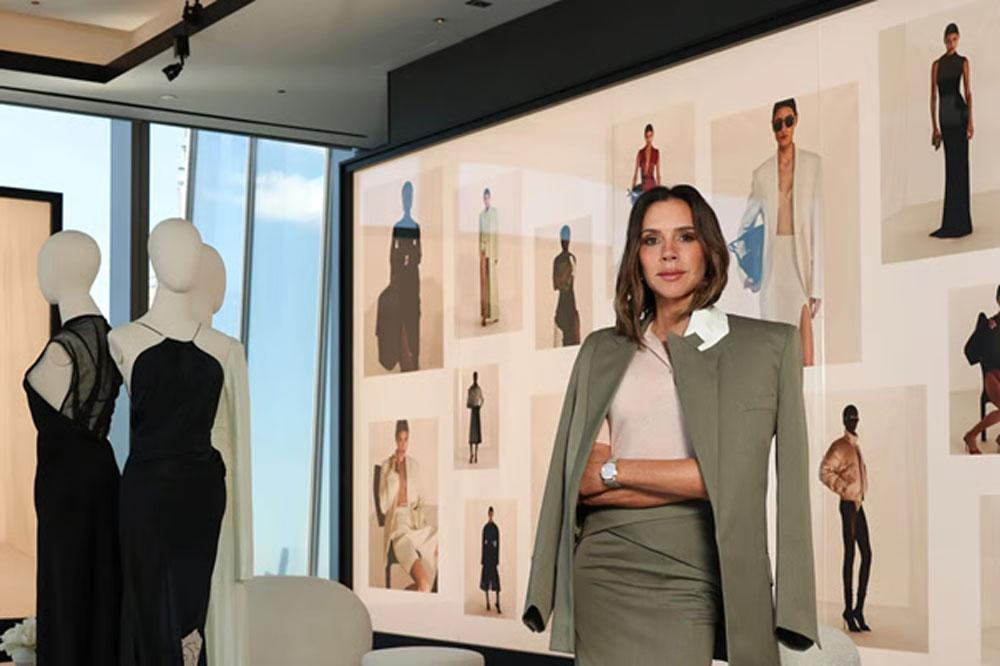
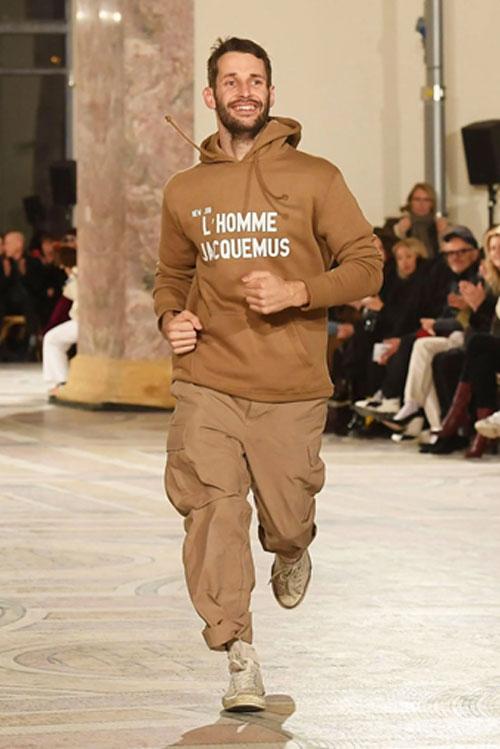
Simon Porte Jacquemus has similarly intertwined his personal narrative with his brand. His upbringing in the South of France, his family, and his humour are as central to Jacquemus as the garments themselves. His Instagram isn’t a marketing channel; it is the brand in motion, bringing audiences inside the creative world. Even Victoria Beckham transformed her public identity into fashion credibility. Her evolution from pop star to respected designer was transparent and deliberate. Audiences followed her journey, witnessing discipline, refinement, and growth firsthand. The pattern is unmistakable: today, people follow people. Authenticity, personality, and narrative drive engagement and loyalty more than heritage or anonymity ever did. In 2026, the most compelling brands are those that reveal the human vision behind the product, where the founder is not just a name, but the face, voice, and soul of the brand itself.

Instagram as Modern Brand Equity
If heritage once defined brand value, today visibility does. Social media has fundamentally changed the architecture of fashion businesses. Instagram, in particular, has become more than a marketing platform, it is a trust-building tool. Consumers now expect:
- Behind-the-scenes insight
- The design process
- The setbacks and the wins
- The human moments
The founder’s face, voice and perspective are no longer optional. They are assets. This shift reflects a broader cultural change. We are living in an era that prizes transparency over perfection. Younger consumers are sceptical of faceless corporations. They gravitate towards brands that feel human, accessible and aligned with their values. The comment section has, in many ways, become the new front row.
Community Over Campaigns
Founder-led brands operate in a fundamentally different way from traditional fashion houses. Instead of relying on large-scale advertising campaigns or wholesale distribution, these brands often grow organically through micro-communities. Early customers become insiders, following the journey from initial sketch to sample to finished product. This process builds a sense of intimacy and connection that conventional marketing cannot replicate.
Customers develop an emotional investment long before making a purchase. Every interaction, whether a behind-the-scenes story on social media, a personal note from the founder, or an invitation to an exclusive event, strengthens trust and loyalty. Buying from a founder-led brand is rarely just a transaction. Customers are aligning themselves with a worldview, a lifestyle, and a philosophy. They invest in the narrative, the values, and the vision of the person behind the brand. This emotional layer cannot be manufactured artificially. It requires the founder to be present, to show vulnerability, and to communicate authentically. Consistency over time reinforces the connection between creator and audience at every point of contact. The founder’s personality, values, and story become inseparable from the identity of the brand. In this approach, loyalty is cultivated through engagement rather than exposure, through storytelling rather than repetition. The strongest founder-led brands create belonging and transform customers from passive consumers into active participants in a shared journey. By centring the human behind the product, these brands make every purchase more than an acquisition. It becomes a personal investment in a philosophy, a community, and a vision that feels alive and meaningful.
The Founder’s Reality
As a founder myself, I have experienced this shift from the inside. Building a brand today is no longer just about design, sourcing or production timelines. It is about visibility. It is about showing up online even on days when the logistics feel overwhelming. It is about sharing the intention behind a collection, the reasoning behind a design decision, and sometimes even the uncertainty that comes with entrepreneurship. There is a strange duality in being a founder in 2026. You are both creative director and storyteller. You are strategist and personality. You are expected to build trust not just through product quality, but through personal presence. I have realised that customers are not only evaluating what I create, they are evaluating the consistency of my voice, the clarity of my message, and the authenticity of my journey. They want to see the human behind the brand. And that visibility, while powerful, comes with responsibility. It requires resilience, honesty and a willingness to be seen. The founder is no longer operating quietly behind the scenes. She is building in public.
A New Era of Authority
We are witnessing a redefinition of fashion authority. It is no longer dictated solely by heritage houses or magazine covers. It is shaped by individuals, founders who articulate a clear point of view and invite their audience into it. In 2026, anonymity is no longer aspirational. Authenticity is. The most compelling brands are those where the story and the storyteller are inseparable. The founder is no longer backstage, quietly directing the narrative. She is front and centre, shaping it in real time. And increasingly, the success of a brand depends not just on what it sells, but on the strength of the voice behind it.