Why Losing a Best Friend Can Feel Like the Most Unexpected Heartbreak
.
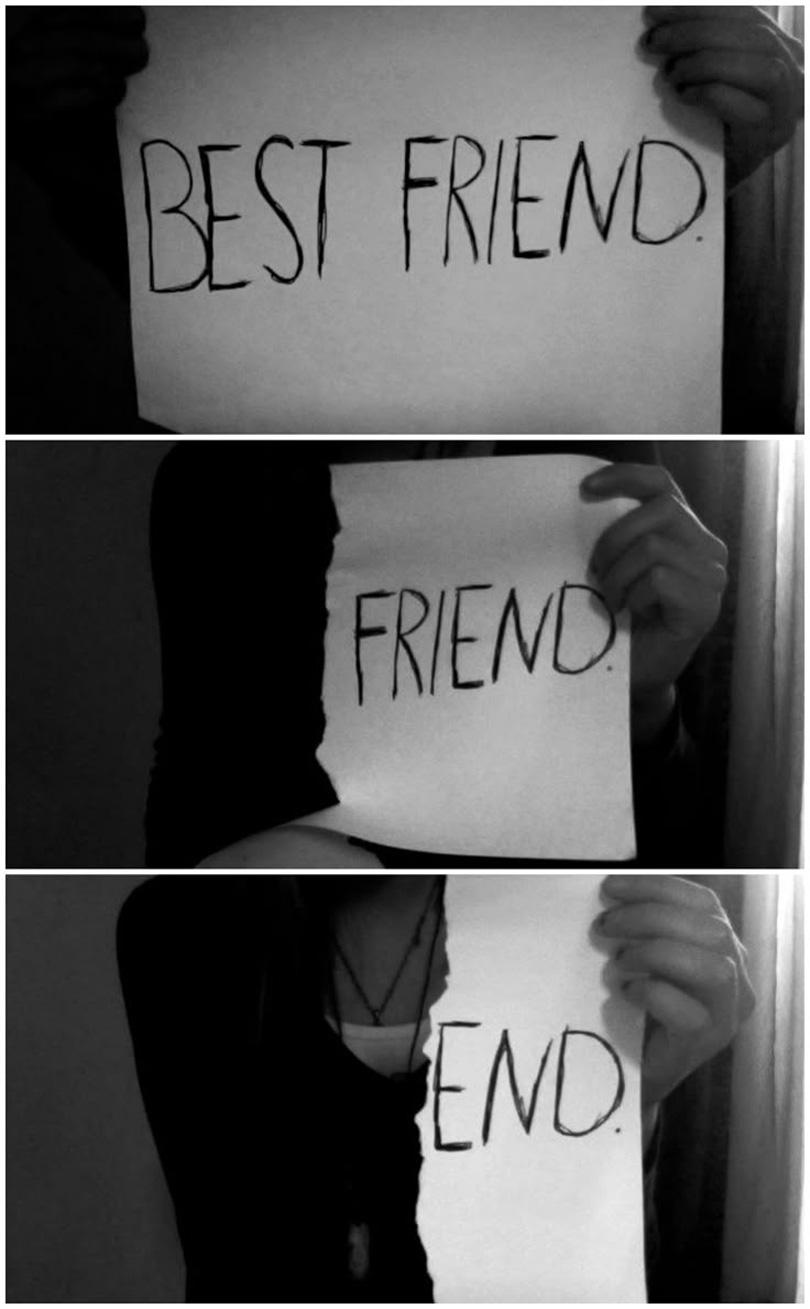
There is a quiet kind of heartbreak that rarely gets the attention it deserves. It does not come with dramatic declarations or a clear beginning and end. It often unfolds slowly, almost imperceptibly, until one day you realise something has shifted beyond repair. A person who once felt like home now feels distant, unfamiliar, or entirely absent. And what follows is not just sadness, but a deep, lingering grief that can last for weeks or even months. This is the experience of losing a best friend.
For many, the intensity of this loss is surprising. Why does it hurt so much? Why does it feel comparable to, or even more painful than, the end of a romantic relationship? The answer lies in the emotional depth of friendship, a connection that is often underestimated but profoundly influential in shaping who we are. At its core, a best friendship is a form of love. It is built on trust, shared experiences, emotional intimacy, and a sense of unwavering presence. Unlike romantic relationships, which are often defined by labels and expectations, friendships exist in a more fluid and often deeper emotional space. There is a freedom in friendship, a sense of being fully known and accepted without the pressures that can accompany romance. This is precisely why the loss can feel so destabilising.

A best friend is not just someone you spend time with. They are woven into the fabric of your everyday life. They are the person you message without thinking, the one who knows your history, your habits, your fears, and your humour. They understand your silences as much as your words. They hold a version of you that no one else quite does. When that relationship ends, what disappears is not just the person, but the role they played in your life. There is a psychological dimension to this that helps explain the depth of the grief. Our identities are shaped not only by our individual experiences but also by the relationships we maintain. A best friend becomes part of how we understand ourselves. They reflect us back to ourselves, affirming our choices, challenging our perspectives, and witnessing our growth.
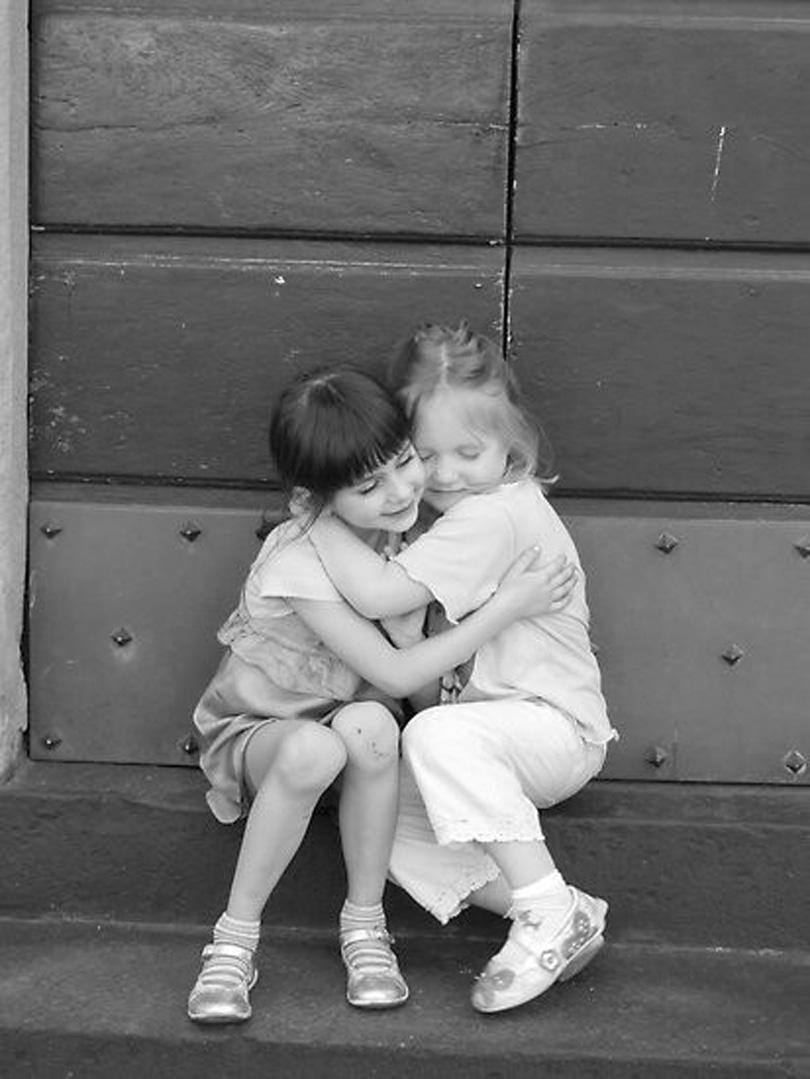
When they are no longer there, it can feel as though a part of your identity has been disrupted. You may find yourself questioning things that once felt certain. Who do you share your thoughts with now? Who understands your references, your memories, your way of thinking? The absence is not just external, it is internal. This sense of disorientation is one of the reasons the grief lingers.
Another reason is the lack of closure that often accompanies friendship breakups. Romantic relationships tend to have clearer endings. There is usually a conversation, a decision, or at the very least a moment that signals finality. With friendships, the ending is often less defined. Messages become less frequent. Plans are postponed. The connection fades rather than breaks. This ambiguity can be incredibly difficult to process. Without a clear ending, the mind searches for explanations. You replay conversations, analyse interactions, and wonder where things changed. You may question whether you could have done something differently or whether the outcome was inevitable. This ongoing uncertainty can prolong the grieving process, making it harder to fully accept the loss.
There is also the issue of how society views friendship compared to romantic relationships. Romantic heartbreak is widely recognised and validated. People understand it. They expect it. They offer support and sympathy. Friendship loss, however, is often minimised. It is seen as less significant, something that can be easily replaced. The assumption is that friends come and go, and that losing one is simply part of life. But this perspective fails to capture the depth of close friendships. When you lose a best friend, you are not just losing a social connection. You are losing a person who has been a constant in your life, someone who has shared your experiences and shaped your journey.
The lack of societal recognition can make the grief feel isolating. You may feel as though your pain is not fully understood or acknowledged. This can lead to suppressing your emotions, which only prolongs the healing process. Another layer of this heartbreak is the weight of shared history. Best friendships often span significant periods of time. They are intertwined with key moments in your life, from milestones and achievements to challenges and personal growth. These memories are not just individual, they are shared.
When the friendship ends, it can feel as though those memories are altered. Certain experiences may feel incomplete without that person to share them with. Places, traditions, and even small routines can carry a sense of loss. You may find yourself thinking about the past in a different way, reinterpreting moments through the lens of what has changed. This can make it difficult to move forward, as the past continues to feel present. The reasons behind friendship breakups vary, but they often fall into two broad categories.
In some cases, there is a clear rupture. This could be a betrayal, a conflict, or a moment that fundamentally changes the dynamic of the relationship. The pain in these situations is often sharp and immediate, accompanied by feelings of anger, hurt, or disbelief. In other cases, the separation is more gradual. Life takes people in different directions. Priorities shift. Values evolve. The connection that once felt effortless begins to require more effort, and eventually, it fades. This slow drift can be particularly difficult to come to terms with. There is no single moment to point to, no clear reason for the loss. It can feel as though something valuable has slipped away without warning. Regardless of how it happens, the emotional impact is significant.
One of the most challenging aspects of losing a best friend is adjusting to their absence in everyday life. It is not just the big moments that are affected, but the small ones. The casual conversations, the shared jokes, the sense of having someone who understands you without explanation. These everyday interactions are often what we miss the most, and their absence can create a sense of emptiness that is difficult to fill. Healing from this kind of loss takes time, and it is not always a linear process. There may be moments when you feel as though you have moved on, only to find yourself reminded of the friendship in an unexpected way. A song, a place, or a memory can bring the feelings back with surprising intensity. It is important to recognise that this is a natural part of the process.

Allowing yourself to grieve is essential. This means acknowledging the loss and giving yourself permission to feel the emotions that come with it. Sadness, confusion, anger, and even relief can all be part of the experience. It is also important to resist the urge to minimise your feelings. Just because the relationship was not romantic does not mean it was any less meaningful. The depth of your grief reflects the depth of the connection you had. At the same time, there is value in reframing how you view the friendship.
Not all relationships are meant to last forever, but that does not diminish their importance. Some friendships are deeply significant for a particular period of your life. They support you, shape you, and help you grow. Their ending does not erase their impact. In many ways, the end of a friendship can also be an opportunity for reflection and growth. It can prompt you to consider what you value in relationships, how you communicate, and what you need from the people in your life. Over time, this understanding can help you build new connections that are more aligned with who you are.
Rebuilding your sense of self is another important part of the process. When a best friend is no longer part of your life, there is an opportunity to rediscover who you are independently of that relationship. This might involve reconnecting with other friends, exploring new interests, or simply spending time on your own. While this can feel uncomfortable at first, it can also be empowering. Gradually, the intensity of the grief begins to fade. The memories remain, but they become less painful. The absence becomes something you can carry without it overwhelming you.
What remains is not just the loss, but also the imprint of the friendship. The ways in which it shaped you, the lessons it taught you, and the moments that brought you joy. Losing a best friend is a different kind of heartbreak, one that is often unspoken but deeply felt. It challenges the idea that only romantic relationships hold emotional significance and reminds us that love exists in many forms. And when that love is lost, it is only natural to mourn it. Because at its heart, the pain of losing a best friend is not just about losing a person. It is about losing a connection that once felt irreplaceable, a bond that helped define a part of your life. And that is something worth grieving, for as long as it takes.