When “Just Ignore It” Doesn’t Work: Helping Children Handle Bullying
Most parents have probably said this to their child at some point:
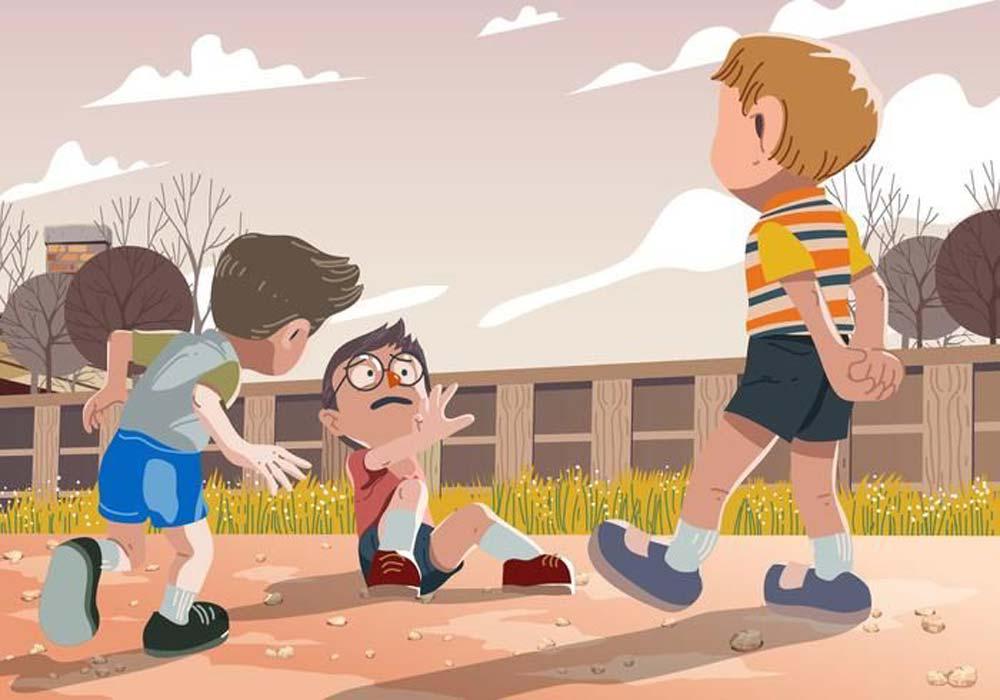
“Just ignore them.” It usually comes from a place of protection. We hope that if our child doesn’t react, the teasing will stop. Unfortunately, many children will quietly tell you that ignoring it doesn’t always work. In fact, sometimes it prolongs the teasing.
Bullying and teasing are realities many children face during their school years, and Sri Lankan data reflects this. A national study found that 47% of children experienced some form of bullying in or around school within a typical month, with being made fun of by classmates affecting about 30% of students. The same study also found that 28% of children simply ignored bullying, suggesting that many are already using the advice adults commonly give them, yet the behavior often continues. This highlights an important reality: children need more than just the instruction to ignore teasing. Instead, they need practical, calm approaches to handle these situations without losing their sense of self.
Why reactions matter
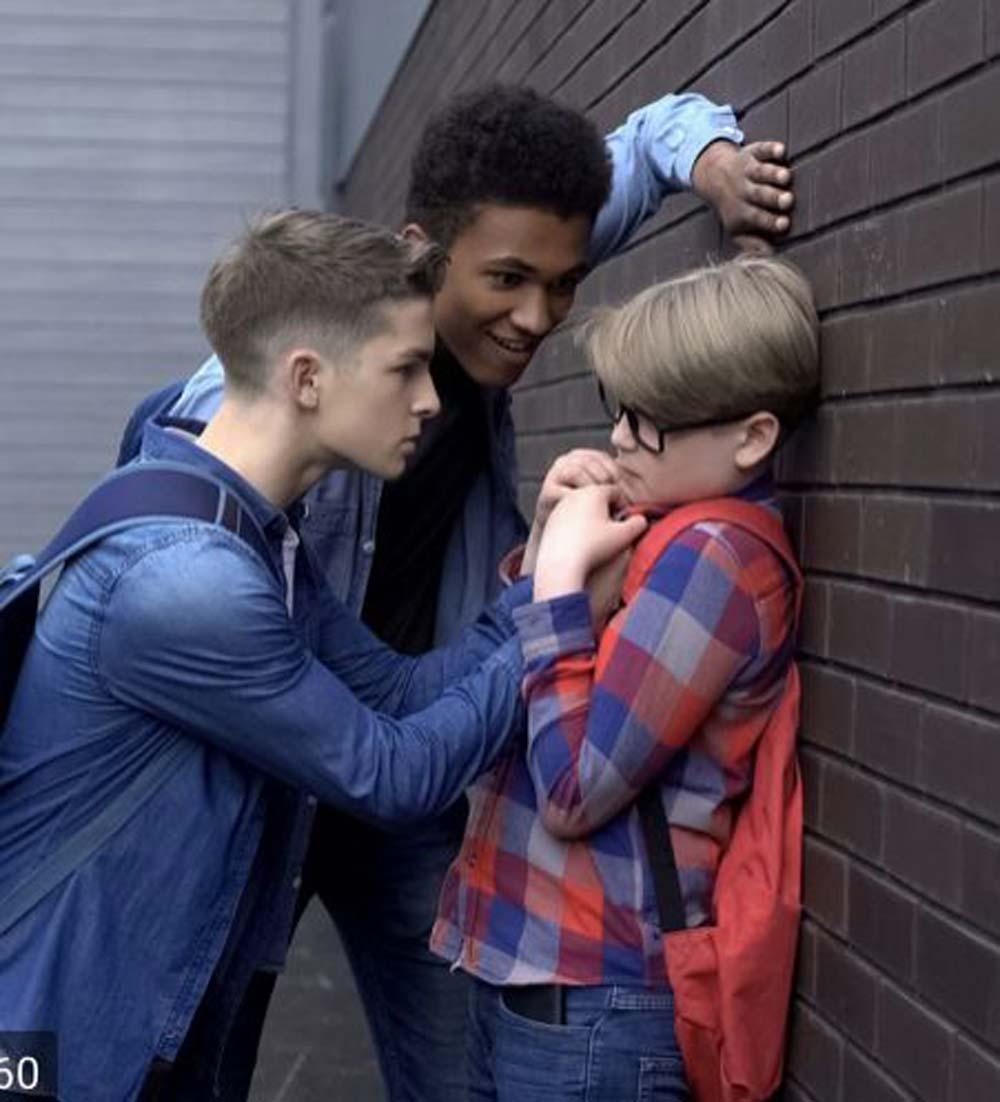
Children tease for many reasons. They may want attention, to feel powerful, or sometimes because they are struggling themselves. But one thing is consistent: teasing often continues because it gets a reaction. When a child is teased, they may naturally become angry, upset, embarrassed, or defensive. The child doing the teasing may find that reaction rewarding. This can unintentionally keep the pattern going. This does not mean the child being teased is to blame. The responsibility always lies with the person engaging in hurtful behavior. However, when parents understand this, they can guide their child in ways that reduce the likelihood of teasing continuing. Rather than simply saying “ignore it,” they can teach their child to respond calmly, briefly, and steadily, showing they are not easily shaken.
Helping children filter hurtful words
Children often take words very personally. A single comment like “you’re stupid” or “you’re weird” can stay in their minds long after the moment has passed.One of the most helpful skills parents can teach is helping children pause and question hurtful comments, rather than immediately believing them, almost like having a mental filter. When a hurtful comment is made, encourage your child to pause and ask, “Is that actually true?”
Most of the time, the answer is no. This simple question helps children distinguish who they are from what others say about them. It teaches them that not every hurtful comment needs to be taken seriously. You can also make this more visual by asking your child to imagine a protective shield around them. When someone says something hurtful, the words hit the shield first, not their heart, and they can decide whether to keep them or simply drop them. Help them understand that they do not have to take every comment to heart; they can choose what matters.
Body language speaks before words.
Before children even say anything, their body language is already communicating. Children who look down, shrink themselves, or appear unsure may unintentionally give the impression that they are uncomfortable or lacking confidence. Children are often judged within seconds based on how they carry themselves, even before they speak. Small changes can make a big difference. Parents can gently guide children to practice simple adjustments such as standing with their shoulders relaxed rather than hunched, keeping their chin level, planting their feet firmly on the ground, and taking a steady breath before responding. For children who find eye contact difficult, a helpful trick is to look at the other person’s eyebrows or forehead, as it feels less intense but still appears confident. Over time, these small shifts help children feel steadier in themselves. That often changes how others respond to them. These changes quietly send a powerful message: “I’m okay. I belong here.”
Calm responses that stop the game
When children are teased, their natural reaction is often emotional, typically in the form of anger or hurt. Unfortunately, both reactions can unintentionally encourage the teasing to continue. Research on peer interactions shows that behaviors that elicit strong reactions are more likely to be repeated. At the same time, simply saying nothing or walking away does not always work in face-to-face situations. Children often need something small but effective to say, not to fight back, but to show quiet confidence. Sometimes, the most effective response is the least dramatic one. This is often described as becoming emotionally “uninteresting,” sometimes referred to as the “grey rock” approach. Instead of arguing, defending, or reacting strongly, the child responds in a calm, brief, and steady way: “Okay,” “Whatever,” or “Anyway.” The key is the tone, calm, neutral, and slightly uninterested. When the teasing no longer gets the reaction it is looking for, it becomes less rewarding and less likely to continue. The aim is not to suppress emotions, but to help children get through the moment without giving away their reaction.
Three simple responses children can practice.
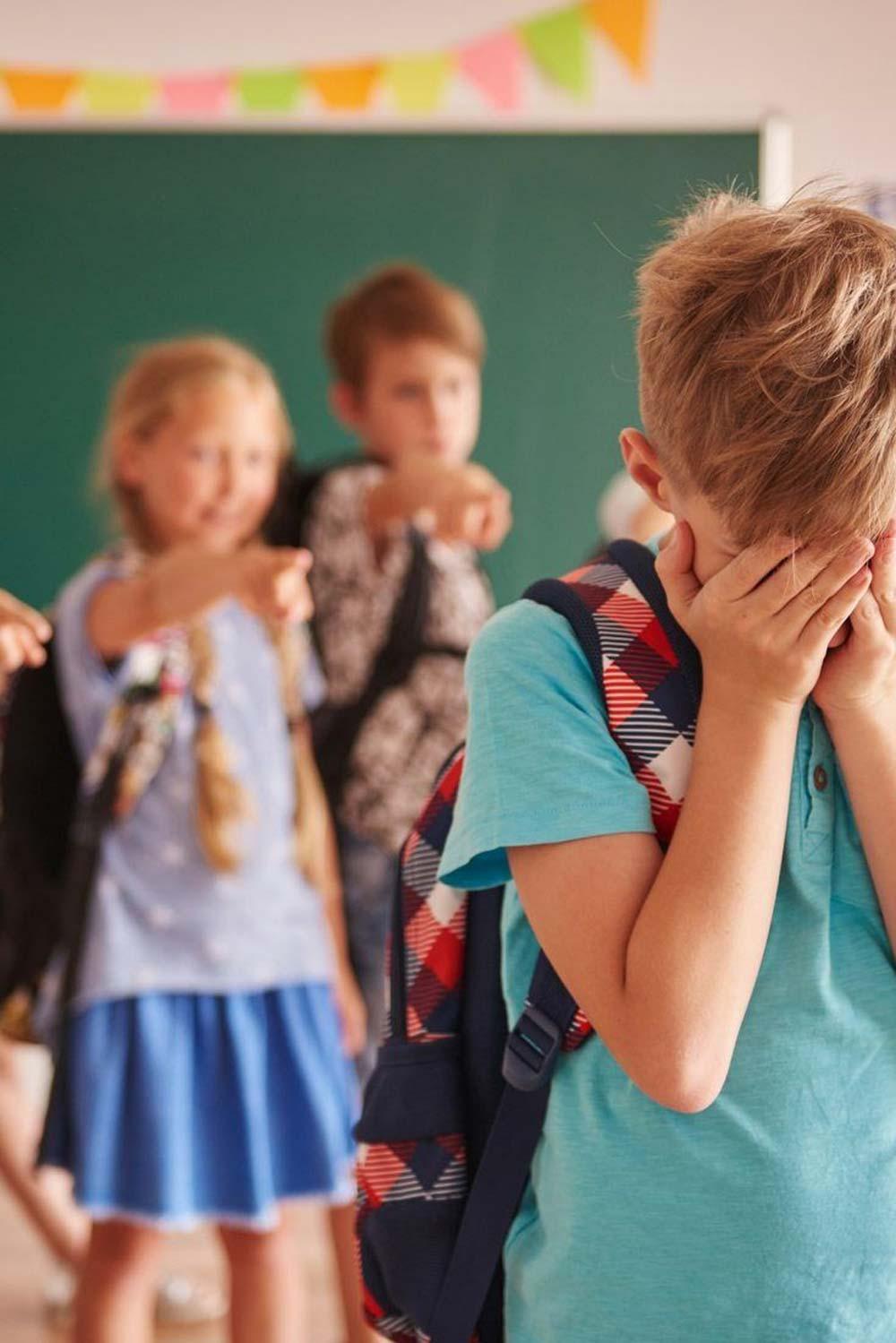
In the moment, children rarely think of what to say. Practicing simple responses at home can make a big difference. When children are prepared with a few short, simple responses, they are more likely to respond calmly rather than react strongly. The first is the curious response, for example, “Why would you say that?” This shifts attention back to the other child, who is often not prepared to explain themselves. The second is neutral agreement, such as saying “Maybe” and calmly walking away. Without something to push against, the comment often falls flat. The third is a clear boundary, “I don’t like that. Stop.” This is calm, firm, and shows self-respect without aggression, while also making the behavior more visible to others. What matters most across all of these is not just the words, but how they are said. A calm, steady, and slightly uninterested tone makes a significant difference. Practicing these responses at home, even in a light and playful way, helps children feel more prepared in real situations. Over time, this practice makes their responses feel more natural, especially in moments of stress, when children tend to rely on what feels familiar.
Confidence begins at home.
Confidence doesn’t suddenly appear at school; it is built quietly at home, in everyday moments. Can your child express disagreement respectfully? Can they say, “I don’t like that”? Can they ask for space without fear? These everyday experiences teach children that their voice matters. When children feel heard and respected at home, they are more likely to carry that confidence into their interactions with others. A child who feels safe to speak up is more likely to express themselves clearly, set boundaries, and hold their ground in difficult situations. Confidence is not about being loud or aggressive; it is about feeling secure enough to be yourself, even when someone tries to make you feel small.
Don’t forget the bystanders.
As parents, it’s easy to focus only on our own child, but it’s also important to think about the children who are watching bullying happen. Many feel uncomfortable and unsure of what to do, and some may even join in, not because they are unkind, but because they are afraid of becoming the next target. You can help your child understand that even small actions can make a difference, such as standing next to someone, not laughing along, or telling a trusted adult. They don’t have to do anything big. They just need to know they have choices.
When parents must step in
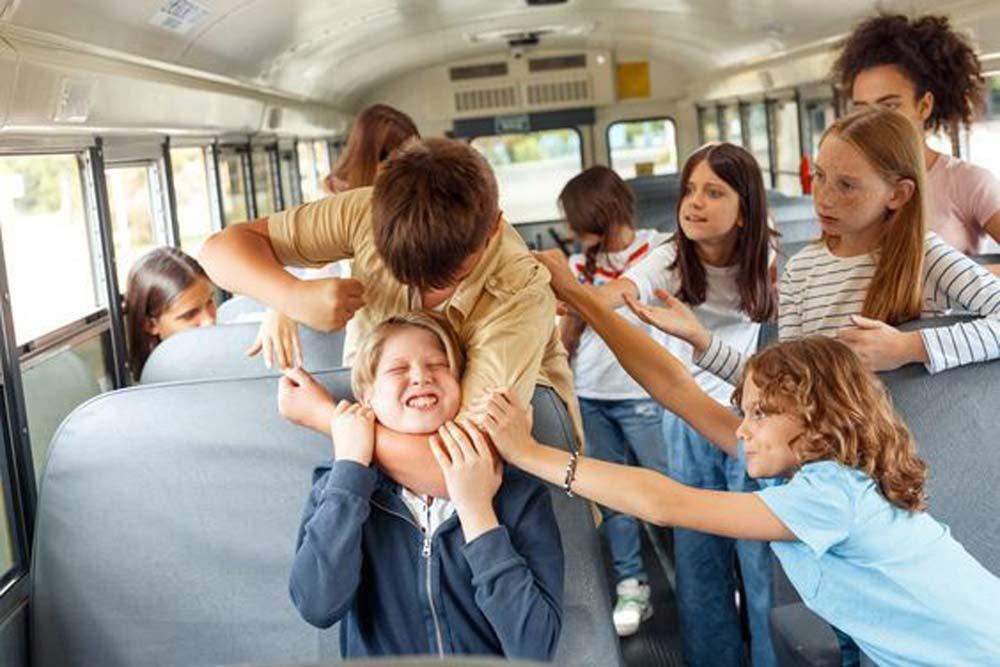
While teasing can sometimes be managed with these skills, there are situations where parents may need to take a more active role. It becomes more serious when the behavior is repeated, intentional, and involves a power imbalance. You may notice signs such as reluctance to go to school, changes in mood, withdrawal from friends, unexplained injuries, or changes in sleep or appetite. In these situations, it is important to speak with teachers or school counselors so that your child feels supported and protected. Children are not meant to handle serious bullying on their own.

Raising children who know their worth
We cannot remove every difficult social experience from our children’s lives, and it is not always helpful to try. What we can do is equip them with the skills to navigate these moments without losing confidence in themselves. When children learn to question hurtful comments, remain steady, and respond with quiet confidence, they begin to develop a stronger sense of self. They come to understand something important: that other people’s words do not define who they are. This is not just about managing school experiences, but about building a sense of self-worth that lasts well beyond the school years.
The writer holds an MSc in Clinical & Health Psychology (UK), BSc in Psychology (MY), Advanced Diplomas in CBT, DBT & Art Therapy (UK), and a BSc (Hons) in Computer Science (UK), and is also a certified parenting practitioner (USA). She can be reached at nimmiu@gmail.com.