THE PRICE OF EMOTIONAL AVOIDANCE
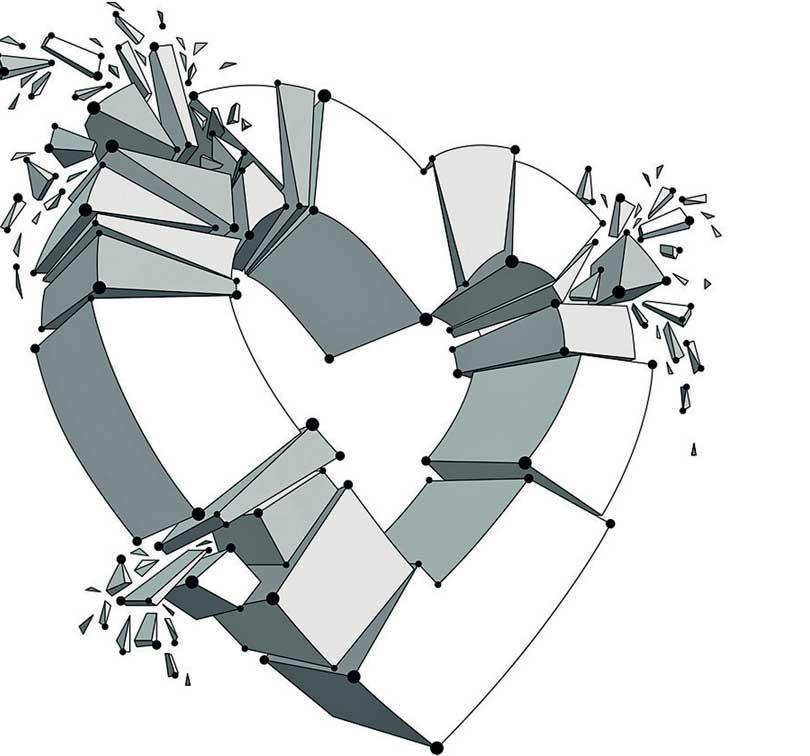

We live in a world that encourages distraction. When sadness creeps in, we scroll. When anger bubbles up, we swallow it. When heartbreak threatens to push us off balance, we drown in work, food, friends or silence. Emotional avoidance has become almost an epidemic of the modern age. We tell ourselves that ignoring our feelings is strength, that pretending we are fine is maturity and that burying pain is the fastest way to move forward. But the truth is far less glamorous and far more human. Feelings do not vanish simply because we refuse to acknowledge them. They wait, they linger, they resurface when we least expect it. There is an old saying that perfectly captures this reality: “If you don’t pay the piper, he will come calling.” Though simple, it speaks an uncomfortable truth about emotional life. The debts we owe ourselves eventually demand to be paid. Every unspoken grief, every unacknowledged wound and every silenced anger becomes a bill accumulating interest, and the more we ignore it, the harsher its eventual arrival.
You can’t move on without feeling.
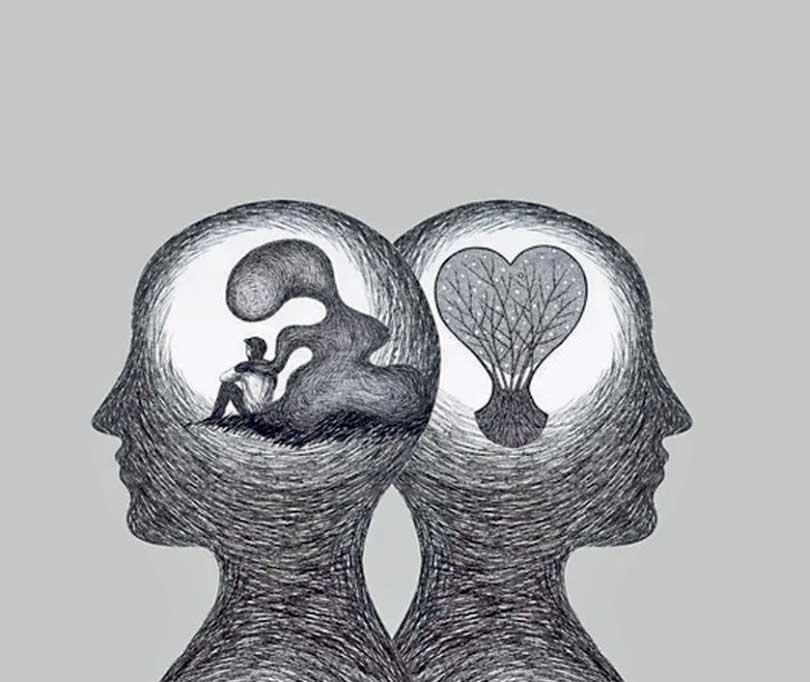
Many people believe healing is a matter of time. “Just give it a few months,” they say. “It will stop hurting eventually.” But time alone does not heal what we refuse to face. If anything, unprocessed emotion settles deeper. It becomes part of the subconscious, shaping the way we react to relationships, work, friendships and even our own sense of worth. Heartbreak that was never grieved can lead to distrust in future partners. Anger that was never expressed becomes chronic irritability. Sadness that was never allowed to surface becomes emotional numbness, and fear that was never acknowledged becomes anxiety wearing the mask of control. Emotional avoidance does not protect us. It simply delays the inevitable. When we push feelings down, they return in disguised, unpredictable ways: explosive arguments over minor issues, sudden waves of sadness at odd times or self-sabotage we cannot explain.
The body keeps the score.
Science confirms what ancient cultures have always known. The body remembers what the mind tries to forget. Emotions are not abstract ideas. They are physical experiences stored in the nervous system. When we avoid them, the body expresses what the mind represses. People who refuse to confront grief may find themselves exhausted, easily overwhelmed or even physically unwell. Those who suppress anger may experience tension, headaches, digestive issues or sleep disturbances. The body becomes a storyteller, narrating what we refuse to articulate. In this way, the piper’s call becomes literal. Our bodies tap us on the shoulder and say, “You haven’t dealt with this yet.” When we still refuse to listen, the tapping becomes louder, more disruptive and harder to ignore.
Why are we afraid of feeling?
Avoidance isn’t laziness. It is mostly fear. We fear vulnerability because it feels like weakness. We fear confronting grief because we think we might drown in it. We fear acknowledging heartbreak because it proves how deeply we cared. We fear revisiting trauma because we do not trust ourselves to survive it again. But avoiding feelings does not make us strong. It makes us fragile. It places us at the mercy of emotions we are unwilling to understand. Emotional courage is not pretending nothing hurts. It is facing the truth of what does. Yet society rewards emotional suppression. We are praised for being “unbothered,” “independent” or “drama free,” even when these traits are masks for unresolved pain. We are told to stay busy as if busyness is a cure for sorrow. We are told to let it go as if letting go does not first require holding, examining and honouring what we feel.
Avoidance in relationships.
Emotional avoidance often reveals itself most clearly in romantic relationships. When someone has not processed their past hurt, they carry its shadow into the present. New partners become mirrors reflecting old wounds. A person afraid of abandonment may cling too tightly, mistaking anxiety for attachment. A person betrayed in the past may become hypervigilant, interpreting every small change as danger. Someone who has never addressed their insecurities may sabotage healthy love because it feels unfamiliar. Avoidance does not shield relationships. It sabotages them. It creates defensiveness, misunderstandings, sudden withdrawals and emotional distance. We cannot build intimacy on foundations we refuse to examine. Love requires presence, but avoidance keeps us absent even when we are physically there. And so, relationships end abruptly and confusingly, but when we look closely, the pattern becomes clear. The piper has come calling again, asking us to face what we have avoided for far too long.
The illusion of control.
Many avoiders believe they are protecting themselves when they refuse to feel. They imagine that if they do not acknowledge their emotions, they stay in control. Yet this is a false sense of power. Unprocessed emotions control us far more than processed ones do. They control our triggers, our fears, our choices and our reactions. They dictate how we respond in conflict, how we interpret affection, how we set boundaries and how we see ourselves. The more we avoid, the more control we surrender. Healing is not about controlling emotions. It is about understanding them. It is about letting them inform us without overwhelming us. It is the difference between drowning and learning to swim.
What paying the piper looks like.
Confronting emotions is not a dramatic breakdown. It is far quieter. It looks like taking time to feel sadness without rushing it away. It looks like journaling what scares you, even when it feels embarrassing. It looks like admitting to yourself that something hurt you.
It looks like speaking truthfully in relationships instead of staying silent. It looks like therapy, self-reflection, solitude or meaningful conversations with people you trust. Paying the piper simply means allowing yourself to face what you have postponed. It means acknowledging your humanity instead of outrunning it. And while it may be painful, the alternative is far worse: carrying unprocessed emotions for years, letting them shape your life without your consent.
Healing isn’t linear.
Emotional processing is not a straight line. Some days you feel powerful and clear. Other days, every feeling resurfaces. This does not mean you are failing. It means you are healing. Feelings often come in waves, and each wave carries a little more understanding than the last. The goal is not to eliminate difficult emotions but to integrate them. Healing is a slow, patient practice of making peace with the parts of yourself that have been ignored or feared. It is learning to sit with discomfort without panicking. It is choosing honesty over avoidance, even when it is inconvenient. It is recognising that emotions do not make us weak. They make us human. When we finally choose to feel, we break the cycle of being haunted by what we refuse to face.
The only way out is through..
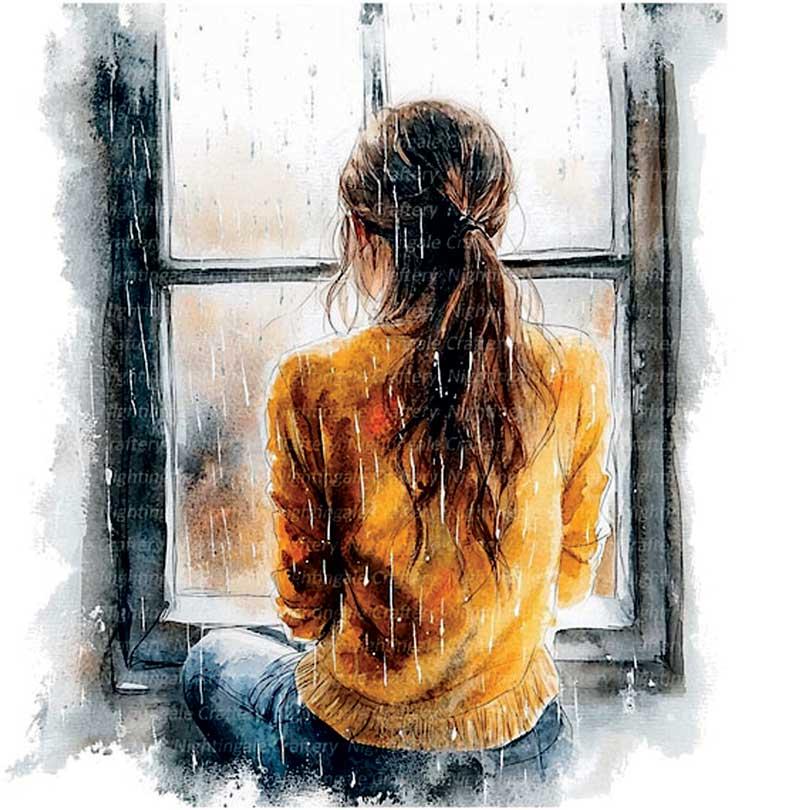
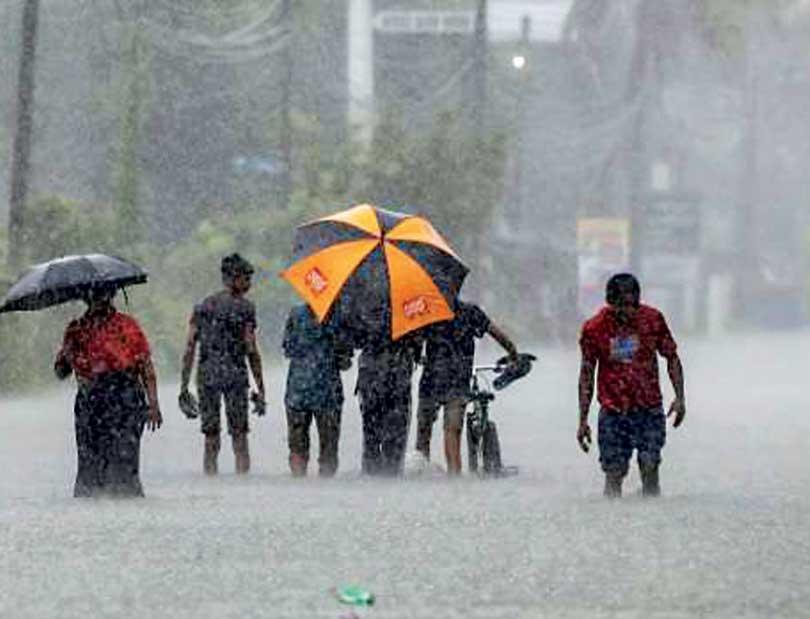
Avoidance promises temporary relief but guarantees long term pain. Confronting emotions demands temporary discomfort but creates lasting freedom. The choice is stark but simple: carry your feelings forever or face them now. The saying still stands. If you do not pay the piper, he will come calling. Not as punishment, not as karma, but as a reminder that your emotional debts are owed to yourself, and you deserve to settle them. Healing is not about avoiding the storm. It is realizing that the rain will not kill you.