Why Sad Music Hurts So Good
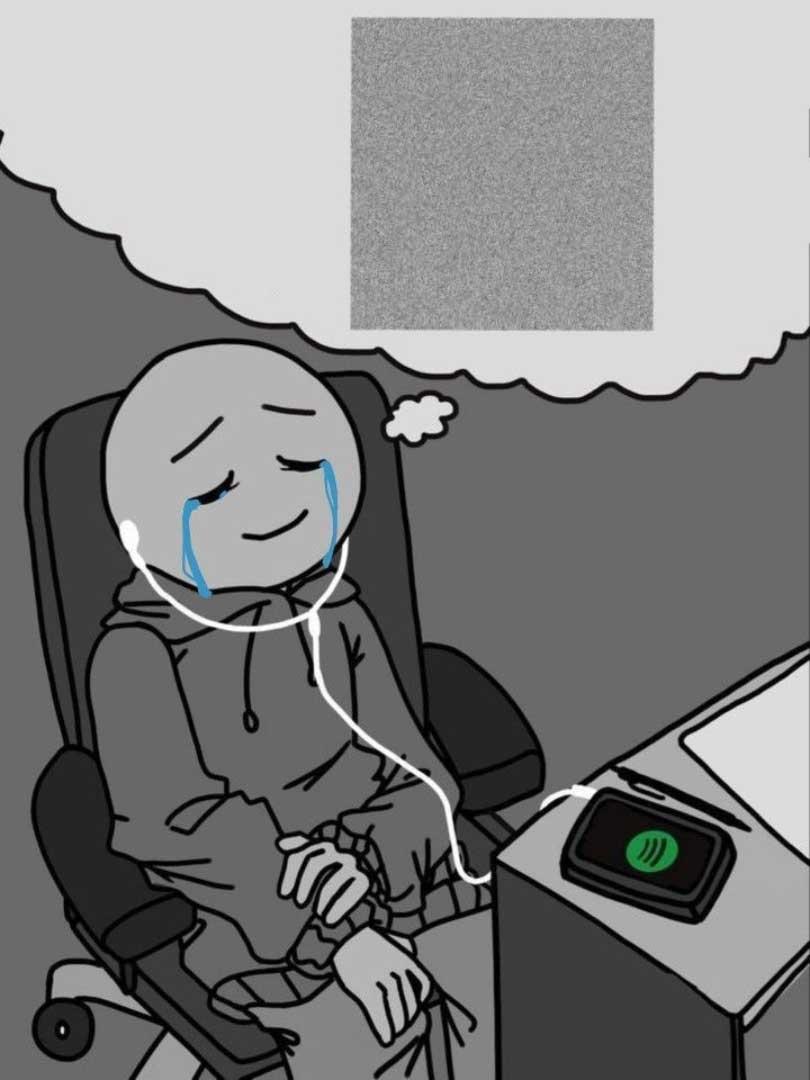
There is something almost irrational about choosing to press play on a song that makes your chest ache. You are already fragile, already thinking too much, and yet you scroll until you find the one track that feels like it was written to wound you. And when it does, you do not turn it off. You let it loop. Sad music hurts, but in a way that feels strangely necessary. Cleansing. Almost addictive.
The Safe Kind of Pain
Psychologists often describe sad music as a form of vicarious emotion. You experience sadness, longing, or grief, but at a distance. The song creates a contained emotional space. The pain is real, yet you are held inside a kind of safe bubble. In real life, sadness can feel chaotic. Breakups, loss, regret, they arrive without structure or warning. Music, however, gives those feelings shape. A beginning. A middle. A chorus that swells at the precise moment your throat tightens. The brain responds to sad music in complex ways. Research suggests that while it activates regions associated with sadness, it can also stimulate the release of prolactin, a hormone linked to comfort and soothing. So even as you feel the sting of a lyric, your body may be calming itself. It is grief contained within four walls, intense but controlled.
Feeling Seen
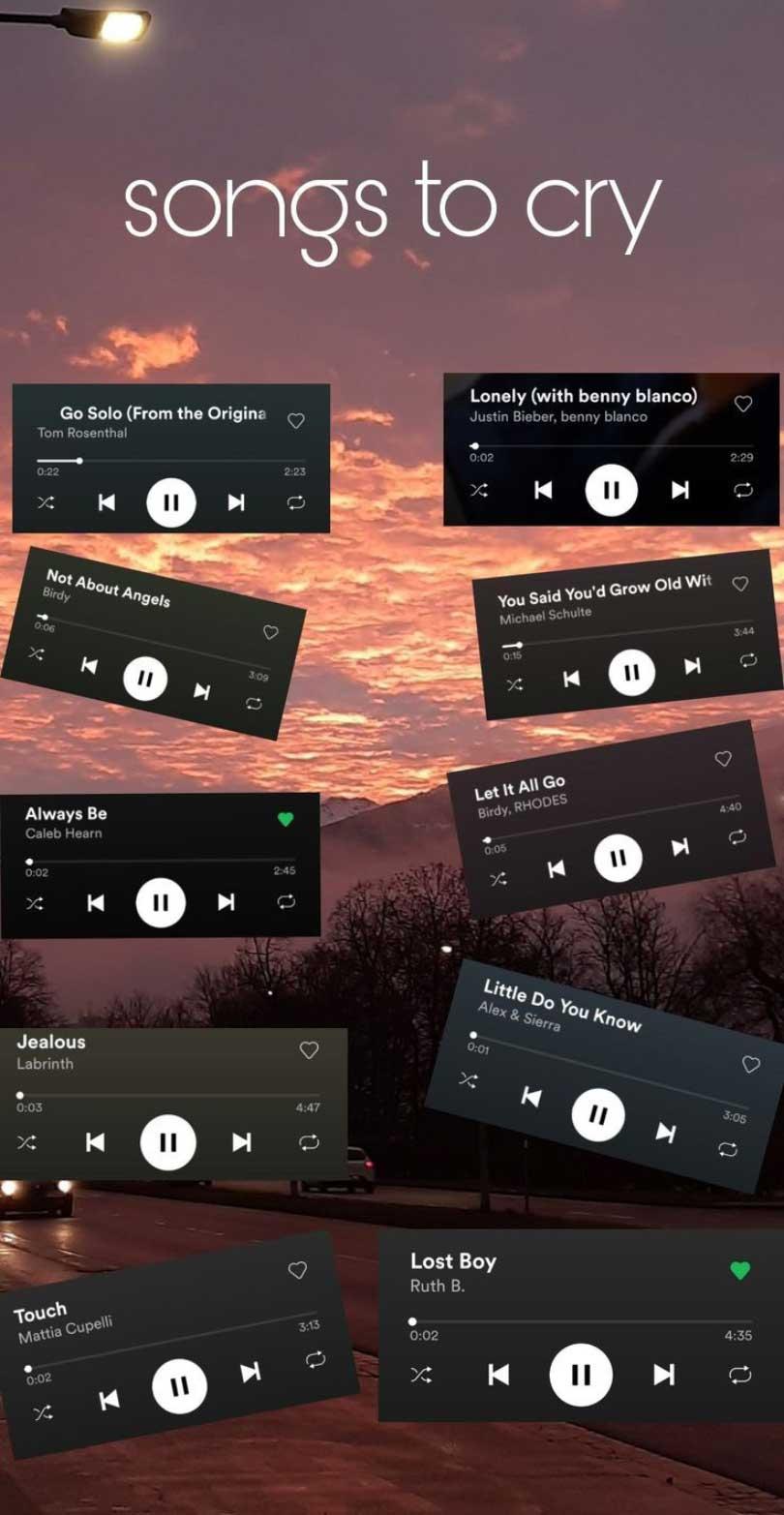
One of the deepest human needs is to feel understood. Sad music often articulates emotions we do not yet have language for. A single line resonates, and suddenly that quiet ache in your chest has words. Consider Every Breath You Take by The Police. On the surface, it sounds smooth and melodic. For years, it was mistaken for a love song. Listen more closely and it reveals something darker, obsessive and haunting. I will be watching you. Beneath the melody lies longing, control, and desperation. For many listeners, the song evokes nostalgia. Not necessarily for obsession, but for intensity. For a time when love felt all consuming. When someone’s presence or absence shaped your entire emotional landscape. Even if the relationship was imperfect, the memory of feeling so deeply can be intoxicating. Sad songs become mirrors. They reflect who we were at certain moments in our lives. When we replay them, we are not just hearing music. We are revisiting older versions of ourselves.
Nostalgia
Nostalgia is a powerful and complicated emotion. It blends sweetness and sorrow into something almost addictive. A song tied to a specific person or period can transport you within seconds. The brain does not simply recall the event. It recalls the feeling.
Neuroscience shows that music is closely linked to memory because it activates the hippocampus and the amygdala, areas involved in emotional processing and recollection. That is why a few opening notes can bring back the scent of someone’s perfume, the colour of a bedroom wall, the quality of light on a particular afternoon. The ache of nostalgia is not purely about loss. It is about contrast. You are measuring who you are now against who you were then. Sometimes that comparison stings. But it also reassures you that you have lived, that you have cared deeply enough for something to be missed.
Emotional Regulation and Shared Experience
Strangely, sad music can help regulate emotion rather than intensify it. When sadness is suppressed, it often resurfaces as irritability, numbness, or anxiety. Listening to music that matches your mood validates what you are feeling instead of resisting it. It tells your nervous system that this emotion is real and allowed. Mood congruent music, meaning music that reflects your current emotional state, can help you process feelings more efficiently. By leaning into sadness deliberately, you are less likely to be overwhelmed by it. It functions much like crying. You do not cry because you enjoy pain. You cry because it releases it. In this way, sad music becomes a ritual. Headphones in. The outside world fades. For a few minutes, you exist inside a private emotional space.
There is beauty in melancholy. Minor chords, slower tempos, and softer vocals create depth and texture. Sad songs explore contradictions that feel distinctly human. Loving someone you should not. Missing someone who hurt you. Wanting closure but not wanting the story to end. This emotional ambiguity feels honest. There is also control in the experience. Real heartbreak is unpredictable and messy. Music is voluntary. You decide when to press play and when to stop. That choice transforms passive suffering into active reflection. Even a song with unsettling lyrics can feel comforting because melody and rhythm allow you to focus on longing and memory rather than chaos.
Finally, there is shared loneliness. Every sad song is evidence that heartbreak is not unique. Someone else felt this. Someone else survived and turned that feeling into art. A voice trembling on a lyric can feel like a confidant. It reduces isolation and reminds you that you are not alone. Sad music hurts so good because it allows you to experience pain while holding it safely. It structures emotion, gives meaning to confusion, evokes memory, and regulates feeling. The ache is not weakness. It is proof that you have felt deeply. When the music stops, the silence remains. And so do you, steady enough to begin again.