Fame Game Featuring Ramzi Rahaman
By Thasmina Sookoor
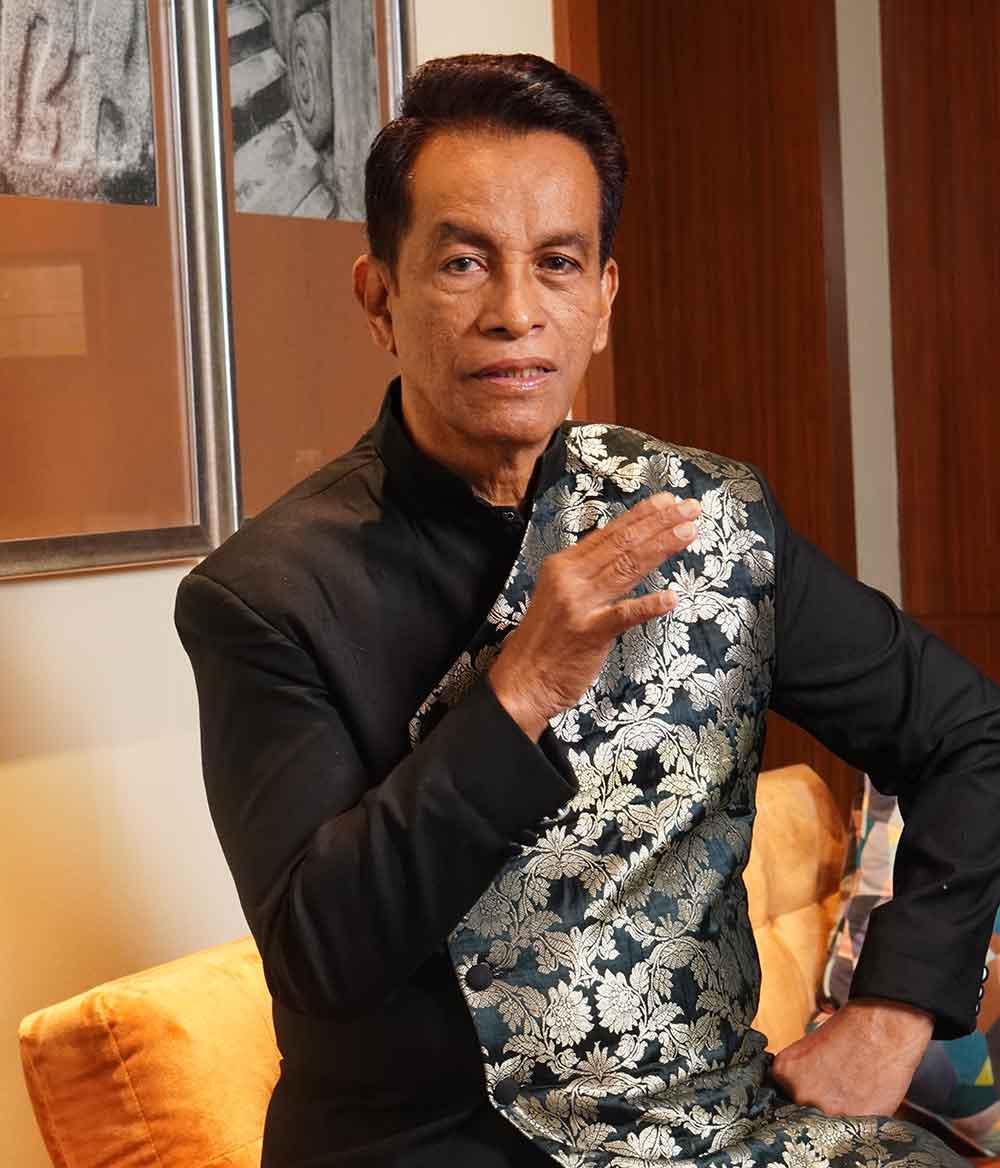
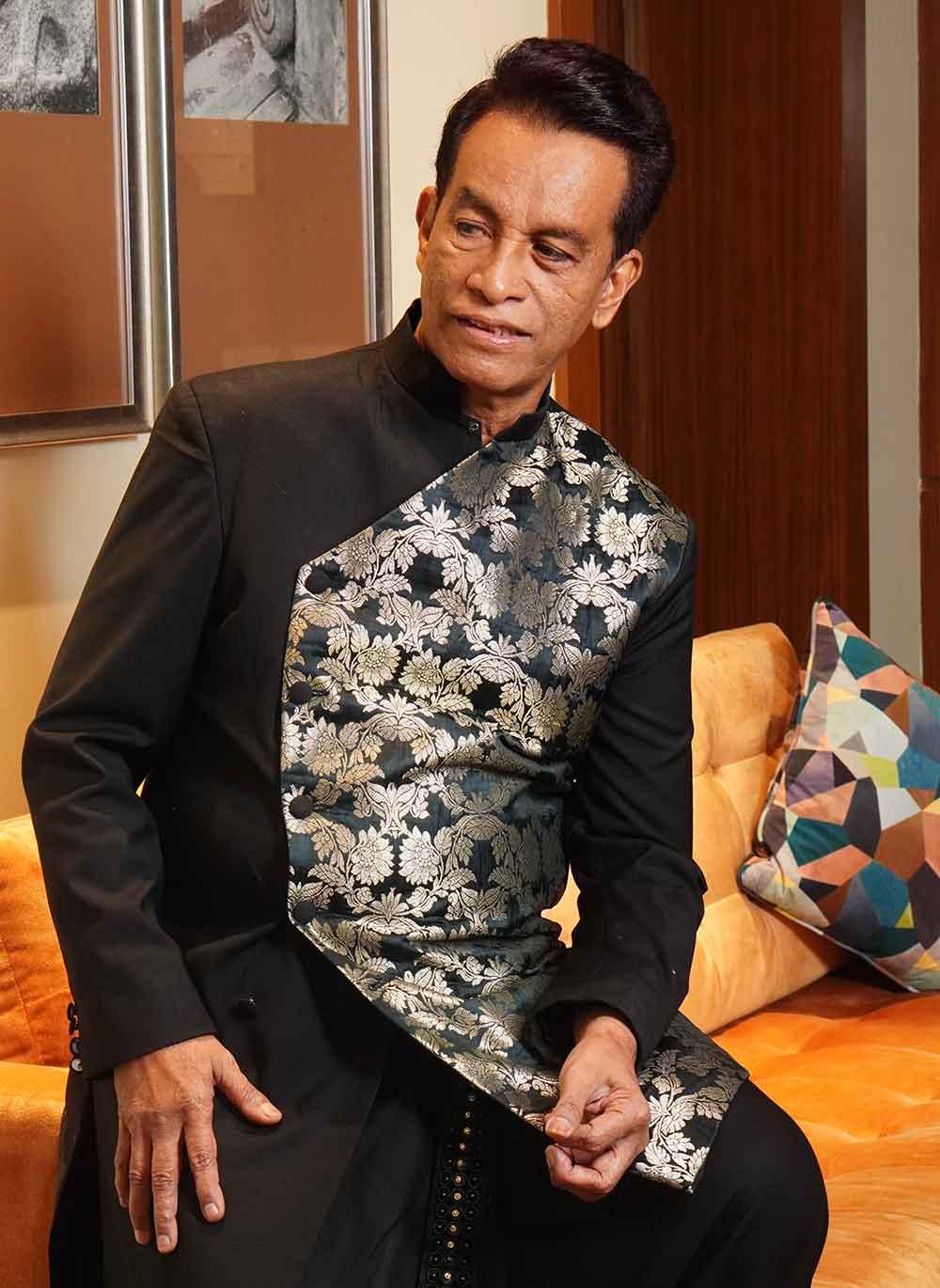
For more than five decades, Ramzi Rahaman has remained one of Sri Lanka’s most respected names in the beauty and fashion industry. Known for his creativity, discipline, and meticulous attention to detail, he has worked with generations of clients, celebrities, politicians, brides, and models, leaving an indelible mark on the industry.
Appearing on Fame Game with hosts Kumar de Silva and Rozanne Diasz, Ramzi reflected on his remarkable journey, from his school days and early artistic influences to his award winning ballroom dancing career and his experiences working with former President Chandrika Bandaranaike Kumaratunga.
What emerged from the conversation was a portrait of a man whose success has been built not only on talent but also on dedication, discipline, and an unwavering commitment to excellence.
Q: Ramzi, many people feel that you have taken a step back from the public spotlight in recent years. How do you see this phase of your life?
A: I would not describe it as taking a back seat. After more than 50 years in the industry, I simply felt it was the right time to slow down a little. Throughout my career, I expanded into different areas and managed several operations, but I have always preferred working independently.
One of the challenges is that I am a perfectionist. I like things done in a particular way, and I often feel more comfortable doing them myself. After the pandemic, I reassessed my lifestyle and work commitments. I decided to make things more convenient for myself.
Today, my salon is located where I live, so I do not need to spend time travelling. It allows me to continue working while enjoying a more balanced lifestyle. If I have appointments early in the morning or late in the evening, I am available. At the same time, I can rest when work is lighter.
So perhaps I am partially retired, but I still enjoy working and being creative.
Q: You have often been described as a perfectionist. How important has that trait been throughout your career?
A: It has been a major part of who I am. Even today, I like to organise everything personally. Whether it is makeup, hairstyling, costumes, or preparing for an event, I want every detail to be exactly right.
People often ask why I prefer working alone. The answer is simple. I have a very clear vision of how I want things done. Even when someone does a good job, I often feel compelled to make small adjustments myself.
That approach has helped me maintain standards over the years. While it can be demanding, it has also allowed me to build a reputation for consistency and quality.
Q: Looking back on your career, do you have any regrets?
A: Honestly, no. Sometimes I look through old photographs, albums, and newspaper clippings and wonder how I managed to achieve so much over the years.
One of the most rewarding aspects is seeing clients who have remained loyal for decades. Some clients who came to me for haircuts 40 or 50 years ago still return today. That level of trust is something I deeply appreciate.
The beauty industry has changed dramatically. Today’s hairstylists are exceptionally talented and have access to tools, products, and training that simply did not exist when we started.
When we began, we had to improvise. There were very few resources available. We did not have the variety of styling products available today, so we learned to work creatively with what we had. Those experiences taught us valuable skills and adaptability.
Q: Let us go back to your childhood. What was school life like for you?
A: My early years were spent at convent schools before I eventually attended All Saints’ College and later other schools. The discipline we experienced during those years was remarkable.
Although I came from a Muslim family, attending convent schools exposed us to a structured environment where discipline, respect, and values were strongly emphasised. Those lessons remained with me throughout my life.
I was always interested in art. While many students focused entirely on academics, I spent a great deal of time sketching and drawing. My notebooks were often filled with illustrations rather than classroom notes.
Q: Were you already interested in beauty and fashion during your school years?
A: Looking back, yes. I may not have realised it at the time, but many of my sketches revolved around hairstyles, fashion, and creative designs.
I constantly drew faces, hairstyles, and fashion concepts. Art was a natural outlet for my creativity.
I also enjoyed painting and participating in school exhibitions. Those experiences gave me confidence and encouraged me to continue exploring my artistic side.
Q: Was there a particular moment when you realised you were creatively talented?
A: There were several moments. One memory that stands out is a writing competition at school.
The teacher announced that there would be prizes for the best submissions. One of the topics was “A Dream.” I remember writing passionately about the subject and, to my surprise, I won the competition.
That achievement gave me confidence. It showed me that creativity could take many forms, whether through art, writing, or design.
Q: Many people know you as a hairstylist and makeup artist, but fewer know about your success in ballroom dancing. How did that begin?
A: Dancing entered my life quite unexpectedly.
My brother encouraged me to attend ballroom dance classes. Initially, I was very reluctant because I was extremely shy.
The first classes were intimidating. I was nervous and lacked confidence. In fact, I was probably one of the slowest learners in the class.
However, once I committed myself to learning, I became very focused. That is my nature. Whenever I decide to do something, I dedicate myself completely.
Q: You eventually became an award winning ballroom dancer. How did that happen?
A: The first competition came along and my teachers encouraged me to participate.
I agreed, but only after carefully selecting a suitable partner. Presentation mattered to me. I believed that success required more than technical skill. The overall image, styling, costumes, and performance all needed to work together.
I designed the costumes, planned every detail, and invested a great deal of time preparing.
When the competition took place, I was extremely nervous. Before going on stage, I remember trying to calm my nerves and gather courage.
To my surprise, we won both the Ballroom and Latin categories.
Q: That success could have been difficult to repeat. Did you feel pressure during later competitions?
A: Absolutely.
Winning once creates expectations. People begin to see you differently, and you expect more from yourself.
When another competition came along, I hesitated because I felt I had a reputation to protect. I did not want to participate unless I was fully prepared.
Again, I focused heavily on presentation. Every detail mattered, from the costumes to the colours, choreography, and overall visual impact.
We worked hard, and once again, we won both categories.
Q: What role did presentation play in your success?
A: Presentation was everything.
I have always believed that first impressions matter. Whether you are a bride, a dancer, a public figure, or a professional, presentation influences how people perceive you.
When I competed, I paid attention to every visual element. I wanted the costumes, colours, and styling to create a memorable impression.
Technical skill is important, but presentation completes the package.
Q: One of the most fascinating chapters of your career was working with former President Chandrika Bandaranaike Kumaratunga. How did that relationship begin?
A: It began quite naturally.
At the time, I was operating my salon and building my client base. One day, Sunethra Bandaranaike came to me and said that her sister wanted a hairstyle trial.
When Chandrika arrived, I treated her like any other client. I did not think about politics or status. My responsibility was simply to do my work.
I completed the trial, and she was satisfied.
At that point, I had no idea that this professional relationship would become such an important part of my career.
Q: You also styled her for her wedding. What do you remember about that experience?
A: I remember being excited because I was a great admirer of Vijaya Kumaratunga.
When I learned that she was marrying him, I immediately agreed to assist with the wedding preparations.
The wedding itself was relatively simple compared with many modern weddings. I focused on her hair, makeup, and overall presentation.
It was a memorable experience because of the personalities involved and because I had such admiration for Vijaya.
Q: What was it like working with her after she became President?
A: It was a completely different experience.
I received a call the night before she was sworn in as President and was asked to prepare her for the ceremony.
Early the next morning, security vehicles arrived and took me to her residence. The atmosphere was understandably very different because of the security arrangements and the national significance of the event.
Yet despite everything, she remained approachable and grounded.
Q: You accompanied her on overseas visits as well. How did that come about?
A: One day, while I was doing her hair, she casually asked about my personal life and then mentioned that her first official overseas visit would be to Paris.
She then asked whether I would like to accompany her.
Naturally, I accepted.
Travelling as part of a presidential delegation was a unique experience. It came with privileges, but it also came with responsibility and risk. Security concerns were always present because she was a high profile political figure.
Q: Was it difficult balancing presidential duties with your regular clients?
A: Very difficult.
The challenge was that overseas trips were often arranged at short notice. Sometimes I had already committed to weddings and bridal appointments.
There were occasions when clients became upset because I could not personally attend to them. One bride was particularly disappointed when I had to make alternative arrangements.
Fortunately, most clients were understanding. Many recognised that the circumstances were extraordinary.
Q: After more than five decades in the industry, what continues to motivate you?
A: Passion.
I still enjoy creating. I still enjoy working with people. I still enjoy transforming an idea into reality.
Success is not something that happens overnight. It requires commitment, discipline, and attention to detail.
If there is one lesson I have learned throughout my journey, it is that excellence comes from caring about the smallest details. Whether it is a hairstyle, a dance performance, or a public appearance, those details matter.
Even after all these years, that passion remains unchanged.