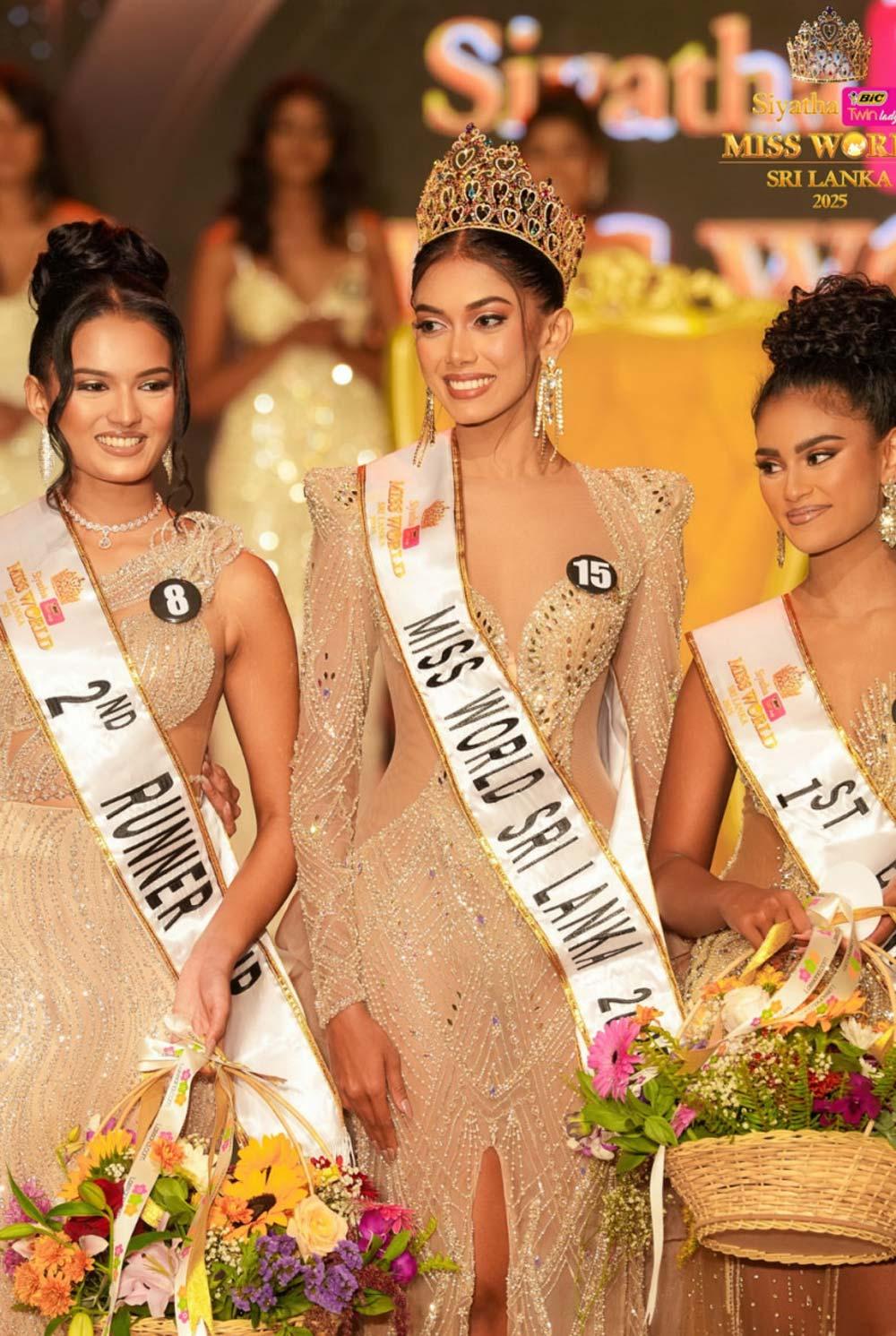
BEYOND THE CROWN: Miss World Sri Lanka 2026
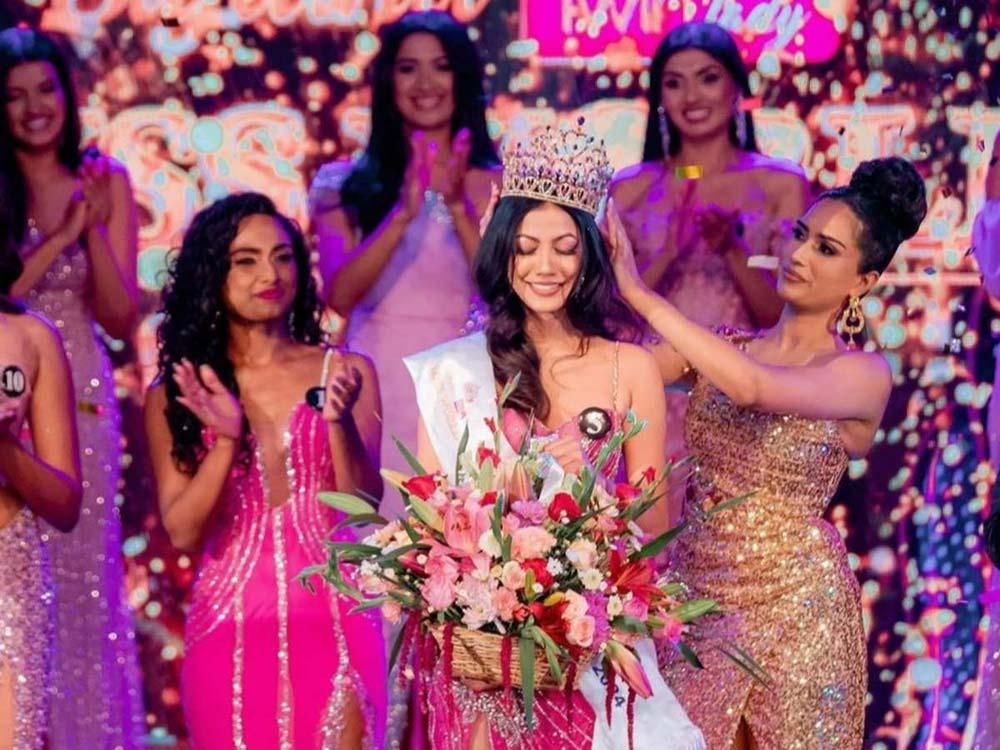
A single woman may wear the crown, but many shape the values it stands for. Behind the carefully choreographed walks and evening gowns, the final announcement depends on the philosophy that beauty should amount to much more than just appearance. At Miss World Sri Lanka, the responsibility extends beyond merely selecting a woman to represent the country on an international stage. It is about preparing an individual who understands the confidence she carries, the communities she can support, and the difference she can make to the country long after the applause fades.
 Some may assume that the crown is simply a symbol of achievement, but this is far from the truth. It is a responsibility that requires character, discipline and above all, purpose. While the audience witnesses the glamour of the grand finale, much of the work that defines a potential queen happens far from the spotlight.
A Legacy Beyond Beauty
Established in London in 1951 by Eric Morley, Miss World began as an international beauty competition before gradually spiralling into something broader. What started as an event celebrating physical appearance evolved into a platform that placed more emphasis on intelligence, personality and humanitarian contribution. Today, it is recognised as one of the world’s longest-running international beauty competitions, and for Miss World Sri Lanka, that history forms an important part of its identity.
However, despite maintaining its presence for more than seven decades, longevity alone does not define the pageant’s ambitions. What separates Miss World from other beauty pageants is the purpose that is attached to the title. A contestant is not expected to solely rely on her appearance or stage presence. Instead, she is encouraged to see beauty as more meaningful when it is accompanied by the willingness to contribute to something bigger than herself.
This philosophy also influences how the national competition is organised. The Sri Lankan pageant places considerable emphasis on transparency, with its various stages, from the initial auditions and preliminary competitions to the grand finale, subject to independent auditing by Ernst & Young. The intention is to maintain accountability throughout the process rather than to allow the competition to be defined by just the spectacle of its final night.
The behind-the-scenes work of the crown is therefore an effort to establish standards that extend beyond the stage, as it is not merely about identifying a winner, but also about ensuring that the person crowned is capable of carrying the responsibilities associated with the prestigious title.
Beauty With a Purpose & the Philosophy Behind It
Since it was brought to life in 1972, “Beauty With a Purpose” has become the defining philosophy behind Miss World. Developed under the leadership of Julia Morley, the initiative encourages contestants to use their influence, resources, and abilities to address social issues and support communities in need. But the meaning behind this philosophy extends beyond participating in charity work or attaching a social cause to a competition entry. At its core, it challenges the contestants to reconsider what they do with the opportunities that are available to them.
It is about understanding the relationship between inner and outer beauty, and recognising how both can be used to make a difference. A woman who has the confidence and ability to influence others also has the opportunity to create a platform for people whose voices are often overlooked. It is this recognition of privilege and responsibility that builds the foundation of the well-known philosophy, and as opposed to merely understanding that less-fortunate communities exist, it focuses on actively engaging with their circumstances and contributing towards improving them.
The Quality That Cannot Be Taught
A candidate can be beautiful, intelligent, and accomplished but still not the right person to wear the crown. There is one quality that can ultimately make or break the decision as to whether a woman is suited to wear the crown. This quality is self-confidence.
In an environment where appearance and public perception are constantly under scrutiny, it can be easy to become preoccupied with meeting an imagined standard of perfection. Yet, true self-confidence lies in understanding that there is no sole definition of what a woman should look like, how she should behave, or what she should aspire to become. For a beauty queen, this means recognising that she does not have to fit into a predetermined mould to be deserving of the crown. Her individuality, experiences and ambitions are what truly distinguish her. This becomes particularly significant when she represents her country on an international stage, as she must have the confidence to embrace her background, communicate her beliefs, and remain truly authentic in unfamiliar environments.
The crown should provide a woman with a platform to express who she already is, rather than become something that defines who she needs to be, because true confidence is not about achieving perfection or seeking approval, but having the courage to stand strong in one’s individuality.
 Preparation Fit For A Queen
The transformation from a contestant to a queen does not magically happen overnight. Behind the confidence you see on stage is a preparation process that requires time, discipline, and willingness to step outside of one’s comfort zone.
Contestants undergo a minimum of three months of training before the competition. The preparation is deliberately comprehensive and covers everything from walking to posture to dining etiquette, personal hygiene, and conducting oneself professionally in public. However, training is not limited to just the physical presentation that is expected of a beauty queen. An equally important part of the process involves developing confidence, communication, and the ability to work with other people effectively. Physical attractiveness does not necessarily translate into self-confidence. Some contestants enter the competition well-qualified but still struggle to recognise their own capabilities or feel comfortable enough to express themselves the way they want to.
The training is intended to assist the girls in overcoming these issues that hold them back, as they are encouraged to trust their instincts, pursue their ambitions, and become less restricted by the fear of being scrutinised by others. In a society where young women can sometimes feel pressured to conform to societal expectations, learning to make their own decisions becomes a vital aspect of their overall development. The training also places emphasis on the importance of working in teams. Although pageants are inherently competitive, contestants must also understand that the women standing beside them are not just their rivals. They are also individuals who are navigating similar experiences, each with their own ambitions and insecurities.
The real achievement of the training process is not producing a woman who knows how to walk perfectly in a fancy gown, but its true purpose is helping her recognise that she is capable of much more than she thought she was.
When The Applause Fades
Many assume that winning a national title represents the culmination of a lifelong dream. The photographs, celebrations and public recognition that follow the crowning can make the moment appear to be the ultimate achievement. Yet, when looking at it from the perspective of the Miss World philosophy, the actual responsibility begins after that moment.
A queen’s work should not be confined to the period during which the title is hers. Her involvement with the causes she stands for should continue long after her sash and crown are passed to another deserving woman.
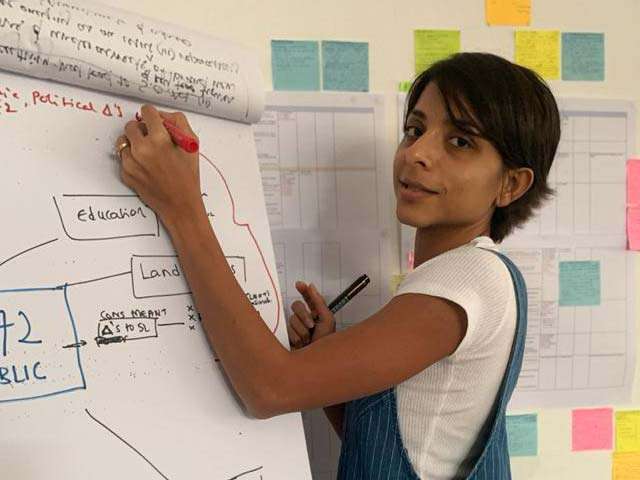
One example of this is Sade Greenwood, who represented the country at the 70th Miss World competition in 2021, with her Beauty With a Purpose project centred on The Pearl Protectors, a Sri Lankan environmental organisation dedicated to marine conservation and raising awareness about pollution. Her involvement brought international attention to the vitality of protecting Sri Lanka’s marine ecosystems and earned her a place among the Top 10 Beauty With a Purpose projects at Miss World, while she also advanced to the overall Top 40, marking a significant achievement for the country.
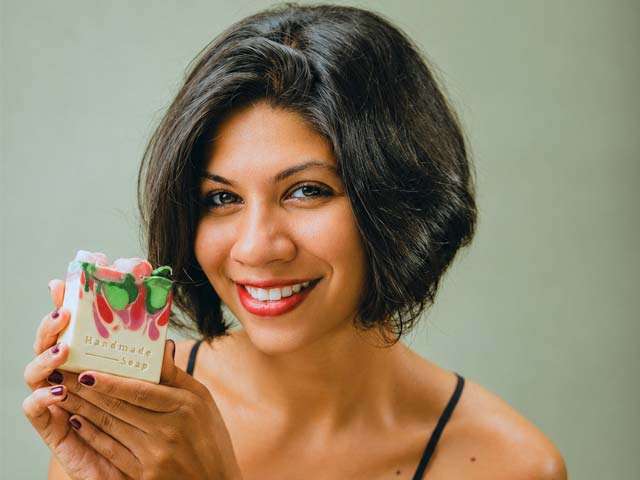
More recently, Prathiba Liyanaarachchi, the reigning Miss World Sri Lanka, continued this momentum as well, with her project, Hoop The Label. Taking a different approach to humanitarian advocacy, her initiative focuses on empowering Sri Lankan women artisans by creating greater opportunities for their traditional craftsmanship to reach much wider markets. Through workshops, product development and business support, it aims to help craftswomen strengthen their livelihoods while preserving the country’s rich artistic heritage. She secured a place among the Top 24 Beauty With a Purpose projects worldwide, and the Top 6 in the Asia and Oceania regional selection, bringing international recognition not just to the country, but also to the talent and creativity of Sri Lankan artisans.
These women have proven that a title should not determine when a woman’s contribution begins or ends.
There is also a wider responsibility attached to becoming a beauty queen. Some young girls often grow up fascinated by crowns and the idea of becoming a princess. However, the women who eventually occupy these positions have an opportunity to redefine what that dream means. A queen can demonstrate that confidence is not dependent on physical appearance alone, and that ambition does not need social approval to succeed.
More Than A Title
The image of a beauty queen is often associated with a defining moment, yet behind that moment lies a much longer process that involves the people who prepare and support the women who eventually take center stage. The gowns and glamour may attract attention, yes, but the values that ground the women after the final night are what ultimately give the crown its true meaning.
Miss World Sri Lanka is a competition that does not expect its women to be remembered only for having been beautiful, but also hopes that they will go down in history being remembered for the conversations they have started, the opportunities they created, and the lives they have impacted.
Because when all is said and done, a crown can establish a woman’s position for a moment, but her character determines what she does with it. If the true measure of a queen is the difference she makes beyond the stage, then the most meaningful part of her journey may begin long after she is crowned.