AmCham Sri Lanka’s Gen Z Means Business Forum Brings Together Young Professionals and Corporate Leaders to Shape the Future of Work
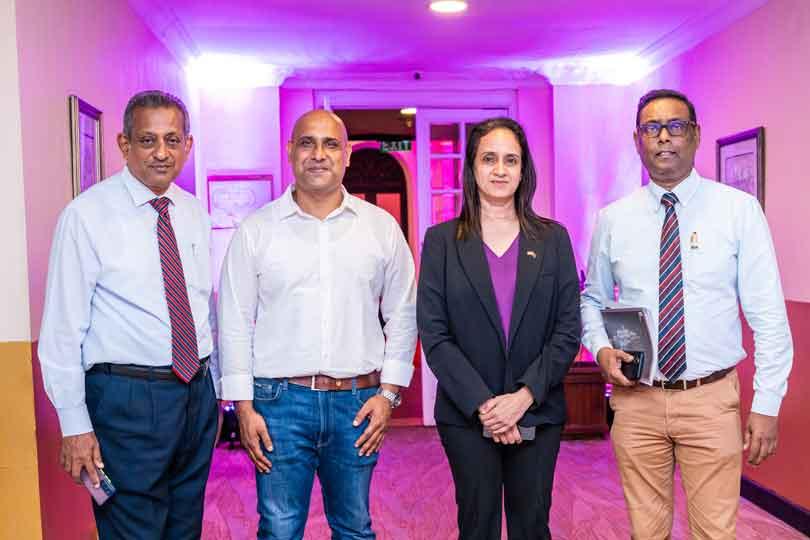
The American Chamber of Commerce in Sri Lanka, widely known as AmCham Sri Lanka, together with its Title Partner Lyceum Campus and Lyceum Placements, successfully concluded its highly anticipated forum titled Gen Z Means Business Rethinking Leadership Communication and Corporate Culture. The event was held on April 7, 2026, at Taj Samudra Colombo and drew a diverse audience of business leaders, human resource professionals, educators, and young professionals at the beginning of their careers.
The forum took place at a time when workplaces across the world are undergoing rapid transformation driven by technological change, shifting employee expectations, and evolving models of leadership. Within this context, the event created a meaningful platform for open conversation between established corporate figures and the newest generation entering the workforce. Rather than focusing on surface level debate, the forum encouraged honest reflection on how organizations can better adapt to changing values, communication styles, and expectations around work.
A central theme of the discussion was the recognition that traditional definitions of leadership and workplace culture are no longer sufficient on their own. As a new generation of professionals becomes a significant part of the workforce, organizations are being challenged to rethink how authority is exercised, how communication flows within teams, and how success is defined. The conversations emphasized that productivity alone is no longer the only measure of success. Purpose, engagement, and personal growth are now equally important in shaping sustainable organizations.
The evening opened with a keynote address by Vidusha Nathavitharana, who set a reflective and candid tone for the discussion that followed. He spoke about the importance of learning from previous generations while also recognizing the need to avoid repeating past mistakes. He stated, If I could give Gen Z one piece of advice, it would be, don’t make the same mistakes we made. This message resonated strongly with the audience as it encouraged a mindset focused on learning and improvement rather than repetition of outdated practices.
His address also highlighted an important shift in how experience is viewed in modern workplaces. Instead of treating experience as something that must be followed without question, he encouraged participants to see it as something that should be examined critically, refined over time, and adapted to current realities. This perspective reinforced the idea that progress in organizations depends on the willingness to challenge assumptions while still respecting foundational knowledge.
Following the keynote, a panel discussion brought together several industry voices who shared their perspectives on leadership, workplace expectations, and evolving employee behaviour. Each speaker contributed insights shaped by their own experiences in corporate environments and people management.
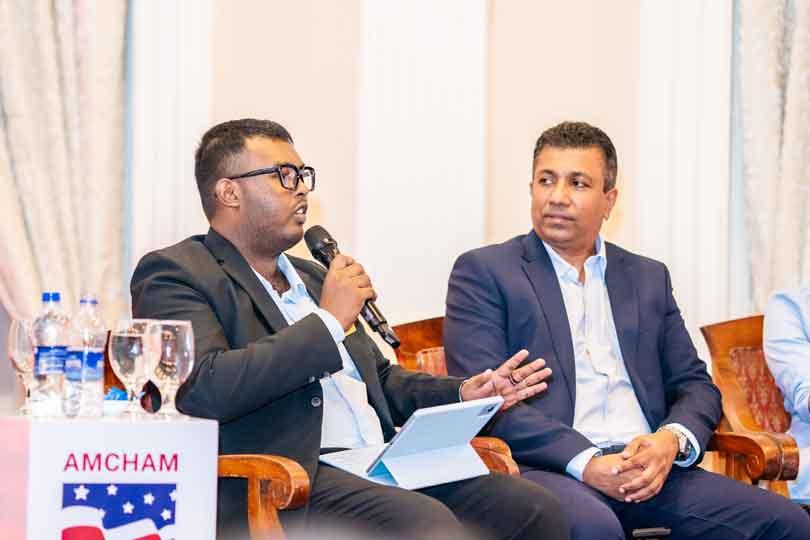
Shamal Gunawardene emphasized that leadership today should not be defined strictly by age or organizational hierarchy. He highlighted the importance of authenticity in leadership, noting that individuals respond more positively to leaders who are genuine and consistent in their actions. He stated, We should focus on being authentic leaders and better humans. If you are authentic enough, performers will perform, irrespective of age. His comments reflected a growing shift away from traditional authority-based leadership toward approaches grounded in trust, respect, and human connection.
Ovin Amaratunga spoke about how younger professionals view work and leadership differently from previous generations. He noted that respect in the modern workplace is no longer automatically given based on titles or position. Instead, it is earned through competence, behaviour, and the ability to create opportunities for others. He stated, We do not respect bureaucracy, authority hierarchy, but instead we respect the competency, the leadership, as well as the people who respect others, as well as people who give others the opportunities. His remarks reflected a broader generational preference for fairness, inclusivity, and merit-based recognition.
Onaya Kulatunga provided a complementary perspective by focusing on the importance of structure within organizations. While acknowledging the need for flexibility, she emphasized that employees still require clarity in order to grow effectively. She explained that when expectations are unclear, individuals struggle to understand how to improve or progress in their roles. She stated, if people do not know what is expected of them, they cannot grow, clarity through competency frameworks is where it begins. Her insight highlighted the balance required between adaptable workplaces and well-defined systems that support employee development.
From a leadership and people management perspective, Dhashma Karunaratne emphasized the importance of going beyond basic managerial responsibilities. She encouraged leaders to treat their team members with the same level of care and attention that they would offer to their most valued clients. She stated, Do something extra, and treat your team members like how you would treat your top client. Her message reinforced the importance of empathy, appreciation, and intentional effort in building strong workplace relationships and maintaining motivation within teams.
Adding a practical dimension to the discussion, Malinda Perera focused on learning and development practices within organizations. He stressed that training approaches should be simple, engaging, and focused on real outcomes rather than overly formal presentations or excessive meetings. He stated, Employers and trainers should stick to simple, practical training, minimize PowerPoints and meetings, and focus on engagement. His perspective reflected a growing demand for interactive learning methods that prioritize participation, clarity, and practical application over theoretical delivery.
Throughout the discussion, a consistent message emerged that the future of work is not defined by generational separation but by shared values that cut across age groups. These values include purpose, clarity, adaptability, respect, and authentic leadership. While generational labels can be useful in understanding different perspectives, the forum emphasized that progress depends on collaboration and mutual understanding rather than division.
The event also highlighted the need for deeper cultural transformation within organizations. Structural policies and formal procedures alone are not enough to ensure success in modern workplaces. Instead, organizations must cultivate environments that encourage open communication, continuous learning, and a willingness to adapt. This cultural evolution is essential for building workplaces that are not only efficient but also meaningful and sustainable for employees at all levels.
By encouraging honest dialogue between generations, the forum demonstrated the value of creating spaces where different perspectives can be shared without hesitation. Such conversations help bridge gaps in understanding and allow organizations to design better systems for communication, leadership, and employee engagement. The emphasis was not on choosing between old and new approaches, but on integrating the strengths of both.
AmCham Sri Lanka, together with its partners, continues to play a significant role in supporting initiatives that strengthen the business community and encourage meaningful engagement between stakeholders. Through platforms like this forum, the organization contributes to shaping a workforce that is more adaptable, inclusive, and prepared to meet the challenges of a rapidly changing global economy.
About AmCham Sri Lanka
Now in its thirty third year, the American Chamber of Commerce in Sri Lanka represents more than two hundred and fifty member companies and remains one of the leading platforms for strengthening business relations between Sri Lanka and the United States. Through initiatives such as this forum, AmCham Sri Lanka continues to promote collaboration, innovation, and constructive dialogue within the business community, while supporting the development of a strong and future ready workforce.