Are We Expecting Less from Men Today?

In everyday life, it is often the smallest, most ordinary moments that reveal the biggest truths about society. Not the grand speeches or viral debates, but the quiet, almost forgettable scenes we encounter without thinking twice. Like getting onto a crowded bus after a long day and noticing an elderly woman holding onto a rail for balance, or a pregnant mother shifting her weight as the bus jolts forward. And then comes the real performance. The collective art of not noticing.
 Suddenly, everyone becomes deeply interested in something else. The view outside the window becomes fascinating, even if it is the same road they have seen a hundred times. Phones become urgent distractions filled with extremely important messages that must be read immediately. Someone studies the ceiling as if it might reveal the meaning of life. It is almost impressive how coordinated this behaviour can be. In that quiet moment, between the swaying bus and the silence, a question begins to form. What exactly happened here? Not just to manners, but to expectations.
There was a time when certain behaviours were simply understood. They were not extraordinary acts deserving praise. They were basic. Offering a seat to someone who needed it, helping carry a heavy bag, stepping in when something clearly required attention. These were not heroic gestures. They were part of being aware and responsible, especially for men, who were often expected to step up when a situation called for it. Now, before we idealize the past too much, it is important to admit that it was far from perfect. Society has evolved, and in many ways, that evolution has been positive. Women today are more independent, more educated, and more empowered than ever before. They are building careers, leading industries, and shaping their own lives without relying on anyone else. That progress matters, and it should not be overlooked. But alongside this progress, another quieter shift seems to have taken place.
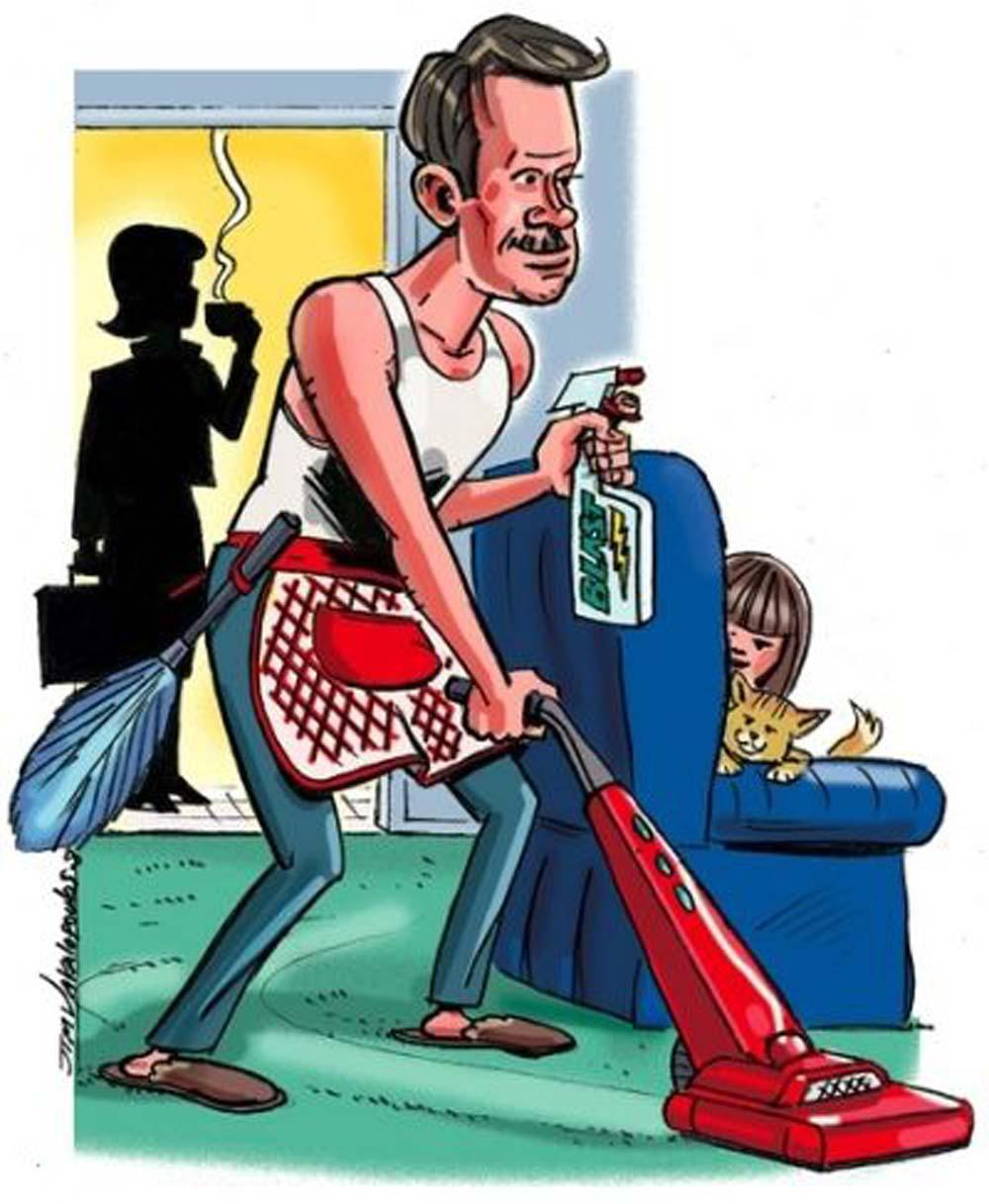
As expectations for women have expanded, have expectations for men evolved in the same way, or have they simply been reduced? It is not an easy question, and it certainly does not apply to every individual. But it is one that appears in subtle, everyday ways. In relationships, for example, there is often talk about effort. Emotional effort, practical effort, the effort of simply being present. Yet sometimes it feels uneven, like one person is managing everything while the other contributes only when reminded. There are stories that are almost humorous if they were not so familiar. The partner who forgets to do basic tasks but somehow remembers every sports fixture, every gaming update, and every plan with friends.
At work, similar patterns can appear. There are those who take initiative and those who seem to have perfected the skill of blending into the background. The moment responsibility appears, they become mysteriously occupied. Yet when it comes to breaks or casual conversations, they are suddenly very available. This is not about all men. It is about a pattern that is noticeable enough to raise questions.
 At the same time, it would be unfair to ignore the pressures men face today. The idea of what it means to be a man has become more complicated. In the past, expectations were rigid but clear. Be strong, provide, do not show vulnerability. Today, those expectations have shifted. Men are encouraged to be emotionally open, supportive, and adaptable. They are expected to share responsibilities and communicate more effectively. While these changes are positive, they can also create confusion. The old rules no longer apply, but the new ones are not always clearly defined. It can feel like being asked to follow instructions that no one has fully explained.
Some adapt quickly. Others hesitate. That hesitation can turn into passivity. Instead of stepping forward, there is a tendency to wait. Instead of taking initiative, there is uncertainty. Over time, that uncertainty can begin to look like disengagement. But confusion, while understandable, should not become an excuse. Because basic decency does not require complicated guidelines. Offering a seat to someone in need is not about gender roles. Listening when someone speaks, keeping promises, showing consideration, taking responsibility. These are not outdated ideas. They are fundamental qualities. Yet there are moments when these qualities seem optional.
In households, despite conversations about equality, responsibilities are not always shared evenly. Tasks and emotional effort often fall on one person more than the other. It may not be intentional, but it is noticeable. In social situations, being late is sometimes treated as acceptable. Reliability feels like an extra rather than a standard. Listening becomes waiting for a chance to respond instead of actually paying attention. Individually, these moments seem small. But together, they begin to form a pattern. A pattern of reduced engagement and lowered expectations. Perhaps that is where the real issue lies. Not in major failures, but in quiet complacency.
When effort becomes optional, relationships begin to feel strained. When responsibility is avoided, someone else has to step in. When respect is no longer automatic, it becomes something that has to be asked for. This is not about blaming men or ignoring the challenges they face. It is about recognizing the consequences of inaction. It is also about understanding the impact on younger generations. Boys learn by watching. They observe how adults behave, how responsibilities are handled, how effort is distributed. From these observations, they form their understanding of what is normal. If they grow up seeing people avoid responsibility or rely on others to carry the weight, they begin to see that as acceptable. If they notice that minimal effort is enough, they internalize that idea.
Over time, these patterns become habits. Habits that prioritize convenience over consideration. Comfort over effort. Entitlement over accountability. This is how change happens. Slowly, through repetition. But the same is true for positive change. Awareness can also spread. Accountability can become normal. Effort can be expected rather than exceptional. Change does not require dramatic actions. It begins with small, consistent choices. Showing up when it matters. Following through on commitments. Offering help without being asked. Paying attention to others. It is not about perfection. It is about consistency. And ultimately, this conversation is not about men versus women. It is not about comparing who is doing more. It is about the kind of society we are creating.
Do we want a culture where respect is automatic or optional? Where is effort expected or avoided? Where is responsibility shared or shifted? These questions are answered every day, in small moments that often go unnoticed. So, the next time you are on that crowded bus, watching people suddenly become very interested in anything but what is happening around them, you might still feel that frustration. But perhaps the more important question is not why no one is moving. It is what we are choosing to accept. Because those choices, repeated over time, shape expectations. And those expectations shape the kind of people we become.