Antelope Canyon
There are places on Earth that feel almost unreal where light dances across stone walls, where silence echoes softly through narrow passages, and where nature appears to have carved art instead of rock. Antelope Canyon, located in the deserts of Arizona in the United States, is one of those breathtaking wonders. Unlike towering mountains or vast oceans, this hidden canyon reveals its magic in curves, colors, and beams of sunlight that transform simple sandstone into a living masterpiece.
At first glance, Antelope Canyon may not seem dramatic from above. It is not a towering cliff visible from miles away or a sprawling valley stretching beyond the horizon. Instead, its beauty lies within. Once you step inside, the world changes. The temperature cools slightly, the light softens, and towering walls of sculpted sandstone rise around you like frozen waves. Every twist and turn unveils a new pattern smooth curves, flowing lines, and intricate textures formed over thousands of years by water and wind.
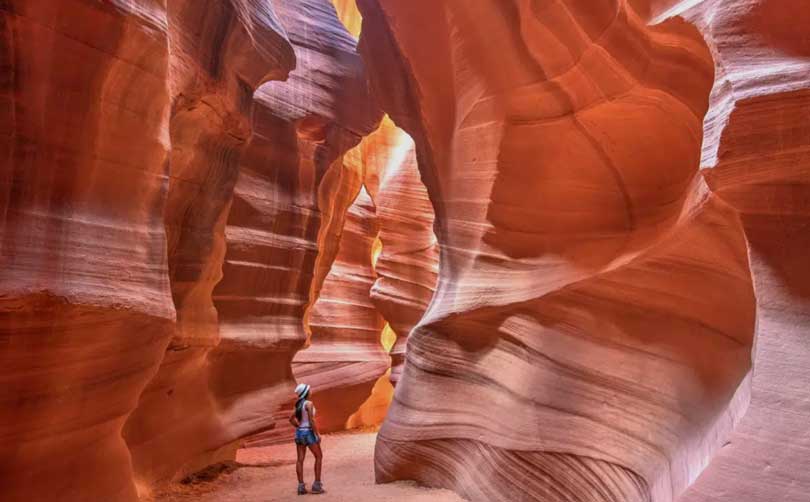
Antelope Canyon was formed by flash floods and erosion. During heavy rains, water rushed through the narrow sandstone corridors, gradually carving out smooth, flowing shapes in the rock. Over centuries, this natural process created the canyon’s signature wave-like formations. The result is a slot canyon; narrow, deep passages with walls so close together in some sections that only a thin ribbon of sky is visible above.
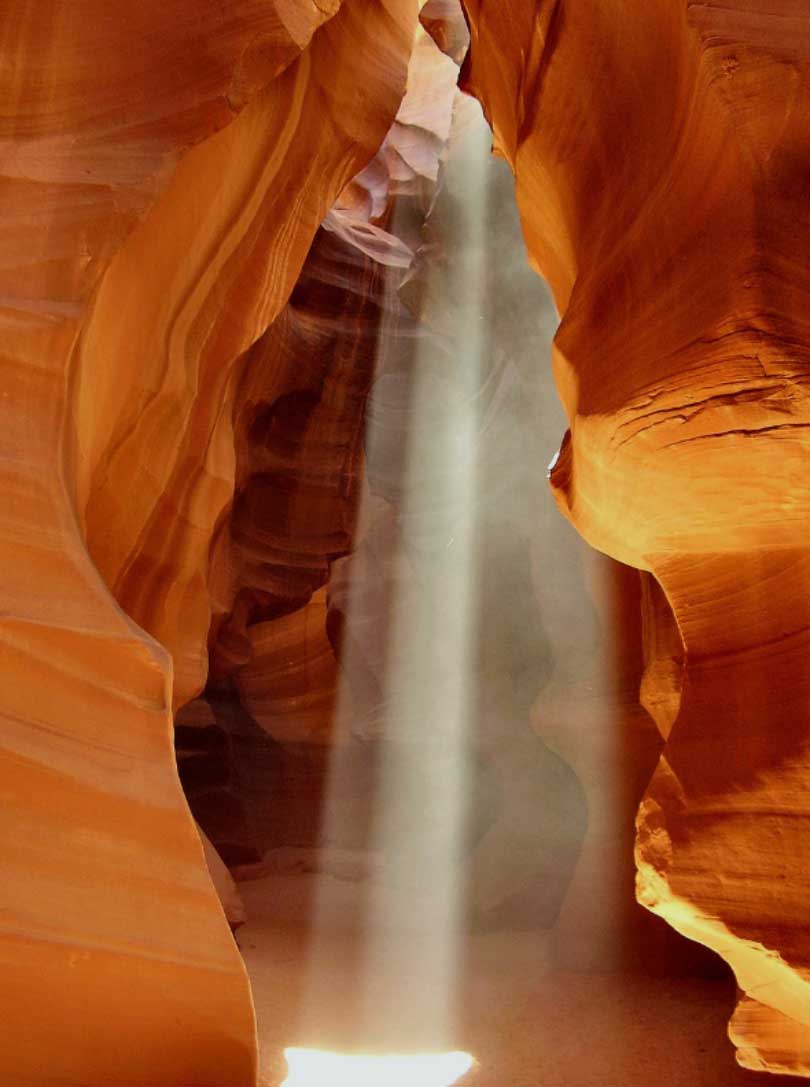
The canyon is divided into two main sections: Upper and Lower Antelope Canyon. The Upper Canyon is famous for its dramatic light beams that shine down from above during certain times of the year. These beams create glowing columns of sunlight that appear almost spiritual, illuminating the red and orange walls with golden brilliance. The Lower Canyon, slightly narrower and more adventurous to navigate, features ladders and winding pathways that allow visitors to explore its deeper sections.
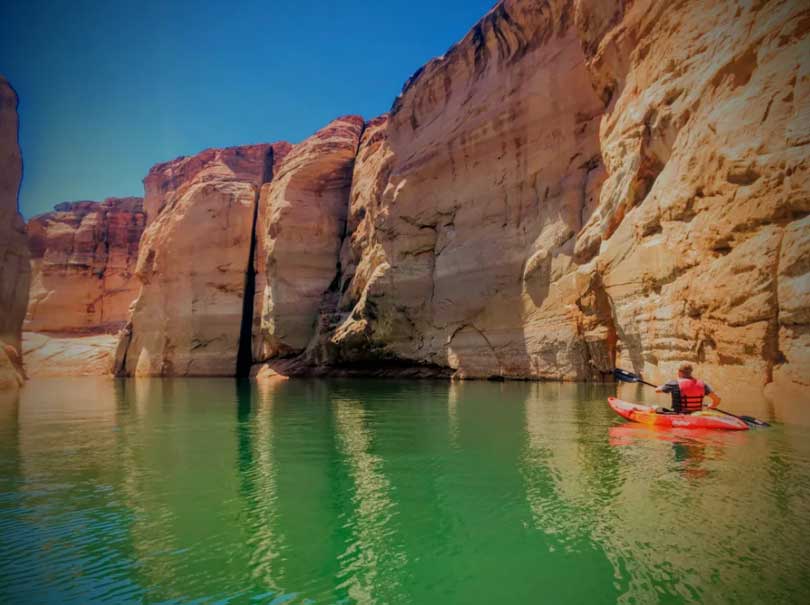
Both sections offer unforgettable experiences, yet each has its own personality. Upper Antelope feels calm and majestic, while Lower Antelope feels intimate and dynamic. Together, they reveal the incredible power of nature’s quiet artistry.
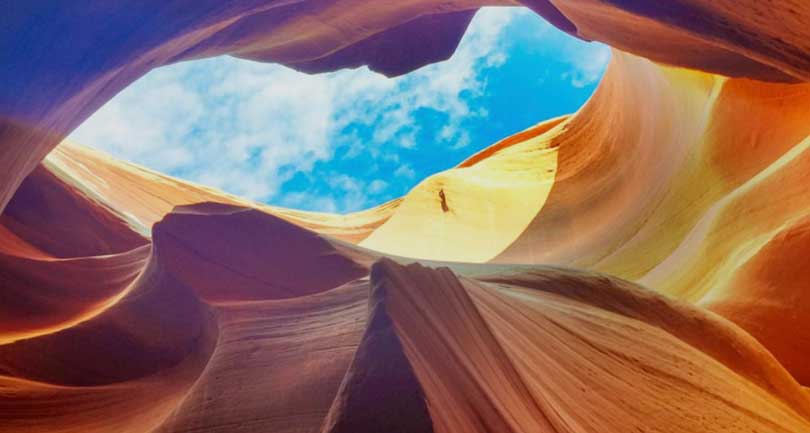
What makes Antelope Canyon truly extraordinary is the way it interacts with light. The sandstone walls reflect and absorb sunlight in ways that create constantly shifting colors. At different times of day, the canyon transforms from deep crimson and burnt orange to soft pinks and glowing gold.
When sunlight filters through the narrow openings above, it creates visible beams that cut through the dust-filled air. Photographers from around the world travel here just to capture these magical moments. The contrast between shadow and illumination gives the canyon a three-dimensional glow that feels almost otherworldly.
Even without a camera, standing beneath one of these light beams is a powerful experience. The silence, the warmth of the sunlight, and the towering stone walls combine to create a feeling of awe and stillness. It is a reminder of how something as simple as light and stone can create beauty beyond imagination.
Antelope Canyon is located on Navajo land and is deeply meaningful to the Navajo Nation. The canyon’s Navajo name translates to “the place where water runs through rocks,” reflecting both its formation and spiritual importance. Visiting Antelope Canyon requires joining a guided tour led by Navajo guides, who share stories about the canyon’s history, cultural meaning, and geological formation.
These guides do more than lead tours they protect and preserve the canyon. Because slot canyons are vulnerable to sudden flash floods, safety and respect for nature are essential. The Navajo Nation carefully manages access to ensure that this natural treasure remains protected for future generations.
Learning about the canyon from those who call this land home adds depth to the experience. It transforms the visit from simple sightseeing into cultural appreciation and understanding.
Reaching Antelope Canyon involves traveling through the vast desert landscape of northern Arizona. The surrounding scenery wide-open skies, sandy terrain, and distant mesas creates a striking contrast to the narrow, enclosed canyon passages. The journey itself feels like stepping into another world.
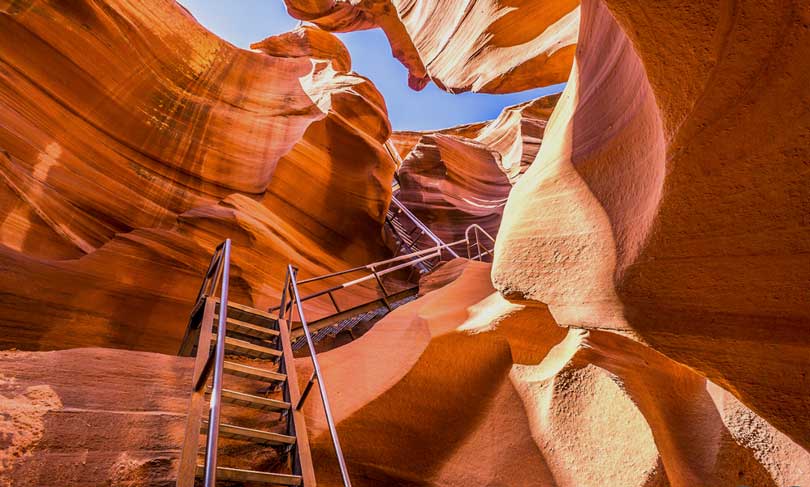
Temperatures in the desert can be intense, especially in summer. Yet inside the canyon, the high sandstone walls provide shade and a cooler atmosphere. The shifting light patterns make every step feel like discovery. No two sections look alike; each curve reveals a new combination of color and texture.
For many visitors, walking through Antelope Canyon feels meditative. The absence of city noise, combined with the natural beauty of the canyon, encourages quiet reflection. It is not a place for rushing it is a place for observing, feeling, and appreciating the slow artistry of nature.
One of the most remarkable aspects of Antelope Canyon is the realization that its beauty was not created overnight. It took thousands of years of erosion, countless flash floods, and the persistent movement of water to sculpt its smooth walls. Nature worked patiently, shaping stone grain by grain.
In a fast-paced world, Antelope Canyon offers a powerful reminder of time’s quiet strength. It shows that even something as solid as rock can be transformed through persistence and natural forces. There is something humbling about standing inside a formation that took centuries to perfect.
Because Antelope Canyon is both fragile and popular, preserving it is a priority. Visitors are required to follow strict guidelines no climbing on the walls, no leaving trash, and no wandering off designated paths. These measures protect the delicate sandstone and ensure that the canyon remains intact.
Flash floods remain a natural risk, even on sunny days, as storms miles away can send water rushing through the canyon. This is why guided tours are mandatory. Safety, respect, and environmental responsibility are central to the Antelope Canyon experience.
Unlike many tourist destinations that rely on grand scale or monumental architecture, Antelope Canyon captivates through detail. It invites visitors to look closely to notice the subtle curves, the interplay of shadow and light, the delicate textures carved by water.
Standing inside the canyon feels almost surreal. The towering walls curve like frozen waves, and the narrow sky above appears like a thin painting of blue. It is easy to forget the outside world and simply exist in the present moment.
Long after leaving Arizona’s desert behind, the memory of Antelope Canyon lingers. It is not just the photographs or the dramatic light beams that stay with you it is the feeling of having witnessed nature’s artistry at its finest. It reminds us that some of the world’s greatest masterpieces are not built by human hands but carved slowly and patiently by the elements.
In its quiet beauty and timeless design, Antelope Canyon stands as proof that even in the harsh desert, wonder can flourish.