

The Silent Competition Between Staying Home and Leaving the Country


It is rarely spoken about directly, yet it exists in almost every conversation among young people in Sri Lanka today. It lingers in family gatherings, friendly catch ups and casual questions that seem harmless on the surface. A quiet comparison. A silent question that hangs in the air. Are you staying, or are you leaving the country.
This is not a competition anyone consciously agreed to take part in. There are no rules, no finish line and no clear reward. Yet many people feel trapped inside it, constantly measuring their lives against those of others. On one side is home. Familiar streets, shared meals, childhood memories, parents growing older and a sense of belonging that feels instinctive and deep. On the other side is the promise of something more stable. Better opportunities, higher salaries, global exposure and the hope of a future that feels less fragile than the one currently available. Both choices hold hope. Both choices carry fear. What makes the decision so heavy is that neither option comes with certainty.
For some, leaving the country is not driven by ambition or a desire for adventure. It feels more like survival. The decision is shaped by economic instability, limited career prospects and the constant anxiety of not knowing what tomorrow might bring. For these individuals, leaving becomes a way to regain control over their lives. It is about wanting consistency, security and the mental space to plan a future without fear. Yet this decision is never simple. It comes with the pain of leaving behind parents, siblings and the comfort of home. Achievements abroad are often accompanied by guilt. Each milestone reached is shadowed by the knowledge that the people who matter most are far away and unable to share those moments in person.
Homesickness is rarely talked about honestly. It is not just missing food, language or familiar places. It is the ache of not being present during important moments. Birthdays celebrated through video calls. Funerals attended through phone screens. Parents ageing faster than expected. Even when life abroad becomes comfortable, the feeling of being torn between two worlds never fully disappears. Leaving does not erase attachment. It stretches it across continents.
For others, staying feels like an act of loyalty. A decision rooted in love for family, culture and the belief that building something meaningful at home still matters. Many who stay do so because of responsibility. They are the ones who remain close to ageing parents. The ones who support siblings. The ones who keep traditions alive. There is pride in this choice, but there is also sacrifice. Staying often comes with limited opportunities, professional stagnation and financial strain. It comes with watching peers move forward in different ways and wondering if staying behind means missing out.
The question of what could have been becomes difficult to ignore. When friends leave and begin new lives elsewhere, staying can start to feel like falling behind, even when it is not. Success becomes narrowly defined by distance travelled rather than impact made. People who stay often find themselves constantly explaining their choice, as if remaining at home requires justification.
What makes this situation particularly painful is the judgment attached to both decisions. Those who leave are sometimes accused of abandoning their country, of benefiting from education and resources only to take their skills elsewhere. Those who stay are questioned for not aiming higher, for not being brave enough to leave. In this environment, no choice feels fully accepted. Every decision is met with criticism disguised as concern.
The truth is that most people are not chasing prestige or running away from responsibility. They are trying to choose the path that feels safest for their mental health, finances and sense of stability. Yet comparison creeps in quietly. It appears through social media posts announcing visas, graduations and new jobs abroad. It surfaces during airport goodbyes that are filled with forced smiles and unspoken envy. It lingers in conversations that begin with a casual question about future plans, but carry deeper implications.
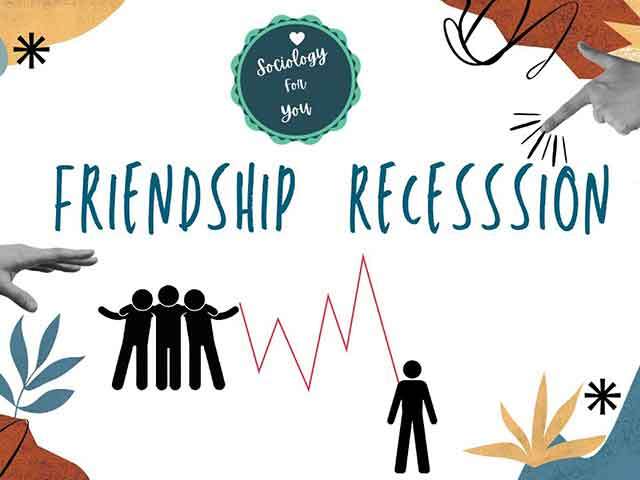
Friendships are often the first casualty of this divide. When one person leaves and another stays, the dynamic inevitably changes. Time zones replace spontaneous meetups. Long voice notes replace shared silence. Important moments are missed. Over time, distance grows not only physically, but emotionally. It is rarely intentional. Life simply pulls people in different directions. Yet the loss is felt deeply on both sides.
Those who leave often feel pressure to succeed, because failure feels unacceptable after sacrificing so much. There is a constant internal voice reminding them that they left everything behind for this opportunity. That pressure can be isolating. Those who stay, on the other hand, may feel forgotten or left behind. They continue living their lives, but with a sense that the world is moving faster elsewhere.
Families experience their own version of this silent competition. Parents feel pride when their children leave and succeed, but also heartbreak at the physical absence. Phone calls become more precious. Visits become events planned months in advance. For families with children who stay, there is relief in proximity, but sometimes unspoken disappointment shaped by societal expectations. Those who remain often shoulder more responsibility. They become the ones who are available, dependable and present. In doing so, they may quietly wonder whether they sacrificed personal dreams for the sake of duty.
What makes this situation especially difficult is that both sides are struggling, just in different ways. Leaving does not guarantee happiness or fulfilment. Staying does not mean failure or lack of ambition. Yet each side often believes the other has it easier. This misunderstanding deepens the divide and feeds resentment that is rarely acknowledged.
Social media amplifies these illusions. Images of snowy cities, new apartments and weekend trips abroad create a narrative of success and freedom. Meanwhile, those who stay share moments of resilience, joy and small victories to prove they are doing well too. What remains unseen are the quiet breakdowns, the loneliness, the financial stress, the homesickness and the constant self doubt experienced by people on both sides. Social media rarely captures uncertainty. It only shows outcomes.
At its core, this silent competition is not really about geography. It is about fear. Fear of making the wrong choice. Fear of regret. Fear of disappointing others. Fear of not becoming the person one hoped to be. Beneath every comparison lies a deeply personal question. What does a good life look like for me.
There is no universal answer to this question. Some people are meant to leave, explore and build lives elsewhere. They grow through exposure to new cultures, ideas and opportunities. Others are meant to stay, to nurture roots and create change within their own communities. Some will leave and return with new perspectives. Others will stay for years and then decide to go. Life is not linear, even though society often pressures people to treat it as such.
The real problem is not staying or leaving. It is measuring our lives against someone else’s timeline. It is believing that success must follow a single path. It is forgetting that circumstances, responsibilities and values differ for everyone. Comparison strips decisions of their context and reduces complex lives to simplistic outcomes.
Choosing to stay is brave. It requires resilience, patience and faith in a future that may not be immediately visible. Choosing to leave is also brave. It demands courage, adaptability and the willingness to start again from scratch. What is exhausting is feeling the need to constantly justify either choice.
As a generation, many Sri Lankans are navigating uncertainty without a clear map. They are making decisions that shape not only their careers, but their identities, relationships and sense of belonging. These are not easy choices. They are made in the shadow of economic instability, social pressure and personal responsibility. Instead of competing silently, perhaps there is room for more understanding.
Offering grace to one another does not mean ignoring reality. It means acknowledging that everyone is doing the best they can with the options available to them. It means celebrating success without turning it into a standard others must meet. It means allowing people to change their minds without judgment.
In the end, no matter where people choose to live, they are all trying to build a life that feels stable, meaningful and true to themselves. That desire is universal. It is not something to be measured, ranked or competed over. It is something to be respected.
The quiet truth is this. There is no single right choice. There is only the choice that feels right for now. And that, in itself, is enough.