GLF postponement similar to NeYo Concert Scandal?

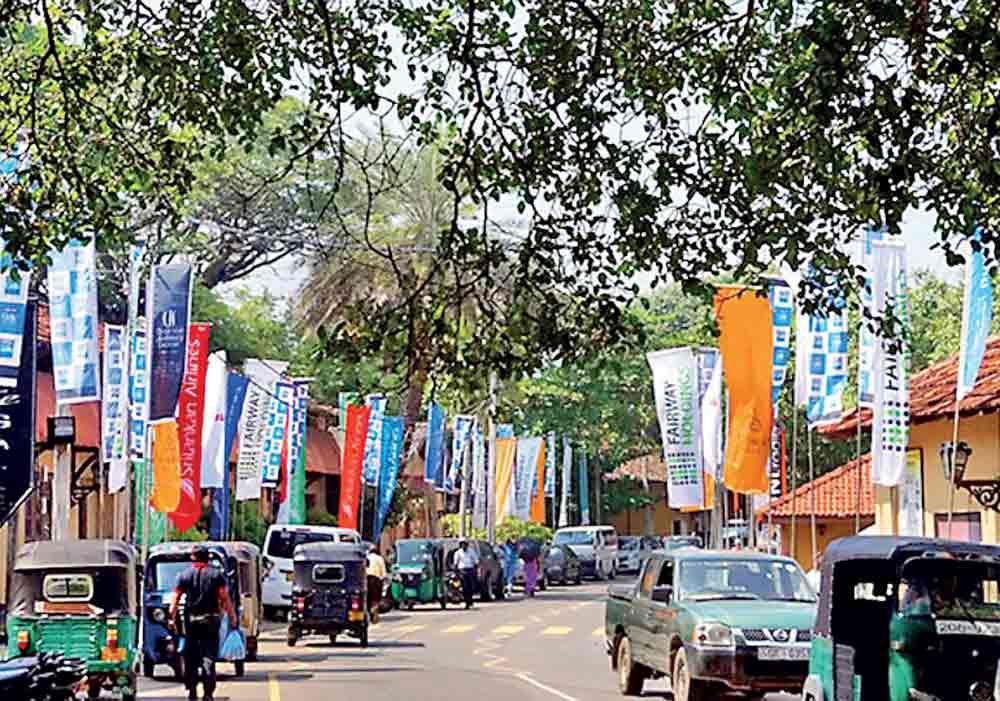
 The Galle Literary Festival has, for many years, been a fixture on Sri Lanka’s social and cultural calendar. It has attracted enthusiastic participation from Sri Lankans and expatriates alike and has built a reputation as a marquee event that places the country on the global literary map.
For many, it is not merely a festival but a reason to travel, to reconnect, and to celebrate literature, ideas, and conversation in one of Sri Lanka’s most historic cities. It is therefore not surprising that when the Galle Literary Festival 2026 was announced, many of us rushed to purchase tickets.
Festival Insider tickets were advertised at a price of Rs 75,000, and a strong marketing campaign followed. The campaign prominently listed authors who were expected to participate, creating excitement and a sense of anticipation. Advertising continued consistently, even as late as October 2025, reinforcing the impression that the event was firmly on track. Based on this messaging, many patrons committed not only to purchasing tickets but also to booking travel and accommodation in Galle, often at premium and non-refundable rates.
Then, without warning, on November 7, just a few weeks before the scheduled event, a general announcement was issued stating that the festival had been postponed to 2027. The announcement came as a shock. There had been no prior indication of uncertainty, no communication suggesting difficulties, and no attempt to prepare patrons for such a drastic decision. Most troubling was the fact that the announcement provided no information whatsoever about refunds and no meaningful contact details. It simply stated that tickets purchased for 2026 would be honoured in 2027.
For many patrons, this response was unacceptable. Some of us were travelling from overseas and had already made significant financial commitments beyond the cost of tickets. Flights had been booked. Hotels had been reserved, often at non-refundable rates. Time off work had been arranged. The casual assumption that patrons would simply accept a postponement of nearly a year and a half, with no option to recover their money, demonstrated a clear lack of concern for those who had supported the festival in good faith.
The announcement itself raised several serious concerns. First, it offered no substantive explanation for the postponement. There was no mention of an epidemic, a natural disaster, or any other force majeure event that might reasonably justify a last-minute cancellation. In the absence of such an explanation, patrons were left to speculate about the real reasons behind the decision.
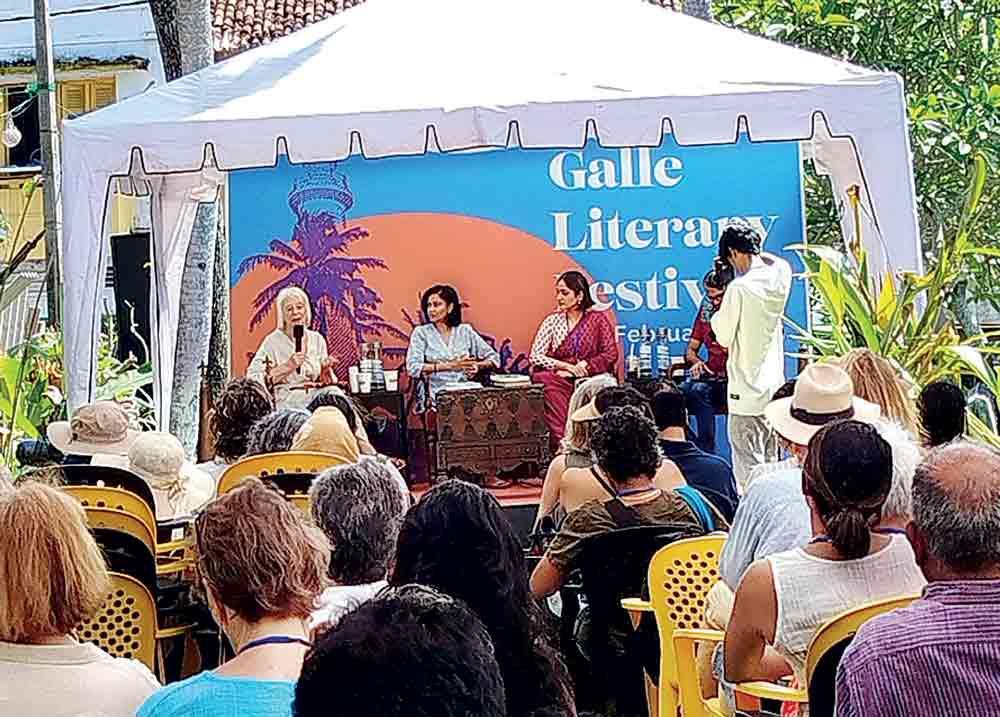
Second, there was no clarity as to why the festival was cancelled so late in the year. If sponsorship had fallen through, this is something that would have been evident well in advance. Sponsorship negotiations do not collapse overnight. The fact that the festival continued advertising and accepting payments as late as October, despite apparently lacking confirmed sponsorship, raises serious questions about transparency and financial planning. Soliciting funds from the public while knowing that the event was financially unviable reflects poorly on the organisers and undermines trust.
Third, the cancellation notice failed entirely to address the issue of refunds. Stating that tickets would be honoured in 2027 does not absolve an organisation of its responsibility to return funds upon request. No organisation has the right to hold an individual’s money for over a year without explicit consent. Many patrons may not be able to attend in 2027 due to personal, professional, or financial reasons. Others may simply no longer wish to support an event that has treated them with such disregard.
There is also the broader concern that if the festival was unable to secure sponsorship for 2026, there is no guarantee that sponsorship will materialise in 2027. If the event were to be postponed again, would ticket holders be expected to wait indefinitely while their money remained inaccessible? This uncertainty places an unreasonable burden on patrons.
It is important to note that the Galle Literary Festival is a global event with international participation. It is not a small, informal venture that can operate without structure or accountability. As such, it must adhere to basic legal and ethical standards, particularly when it comes to handling funds. Cancelling an event at the last minute and failing to refund patrons reflects poorly not only on the organisers but also on Sri Lanka’s reputation as a destination capable of hosting credible international events.
Adding to these concerns is the notable lack of transparency regarding the organisers themselves. Nowhere on the festival’s Instagram page or in its advertising material were the names of the organisers of the 2026 festival clearly listed. This absence is striking and raises questions about accountability. It was particularly alarming to learn that some individuals associated with the organising committee have reportedly been indicted and jailed for fraud in the United Kingdom. Whether or not this information is widely known, its existence represents a significant red flag for both sponsors and patrons. An organisation confident in its integrity would not obscure the identities of those responsible for its management.
Following the postponement announcement in November, we wrote to request a refund using the only available contact address, info@galleliteraryfestival.com. There was no response. Several follow up attempts were made, again with no success. In December, after continued silence, legal counsel was copied on correspondence. Only then did we finally receive a response, this time from the festival manager via boxoffice@galleliteraryfestival.com.
Each email exchange followed a similar pattern. We were assured that the refund would be processed imminently and were asked to check our accounts. However, no funds were received. When we informed them that the refund had not arrived, we were told that the manager had just spoken to the bank and that the transaction would be processed the following day. This cycle repeated itself multiple times. As of December 31, 2025, no refund had been issued.
It became increasingly clear that the festival team had not anticipated refund requests and did not have a credible system in place to process them. This lack of preparedness further underscores the absence of professional management and financial oversight. Patrons were left frustrated, anxious, and out of pocket, with little recourse beyond persistent follow up.
The cancellation of the Galle Literary Festival, alongside other recent event cancellations such as the NeYo concert, highlights a broader issue of accountability in Sri Lanka’s entertainment and hospitality sectors.
Event organisers appear to operate with the understanding that patrons have limited options for redress unless they are willing to pursue costly and time-consuming legal action. There is also very little publicly available information about whether these entities are properly registered, regulated, or compliant with existing laws.
As Sri Lanka’s entertainment and hospitality industries expand, accountability appears to be diminishing rather than improving. Reports of high-end hotels and restaurants operating without licences, charging in foreign currencies, and treating local patrons poorly are increasingly common. These practices thrive in an environment where regulatory capacity is weak, and enforcement is inconsistent. Unless Sri Lankan citizens begin to challenge these practices, to publicly call out unethical behaviour, to use social media effectively, and to speak with a unified voice, such conduct will continue unchecked. Silence enables exploitation. Accountability begins with awareness and collective action.
The Galle Literary Festival has long been associated with culture, intellect, and credibility. The events surrounding the 2026 postponement have seriously undermined that legacy. Rebuilding trust will require transparency, responsibility, and respect for patrons. Without these, no amount of literary prestige can restore confidence.