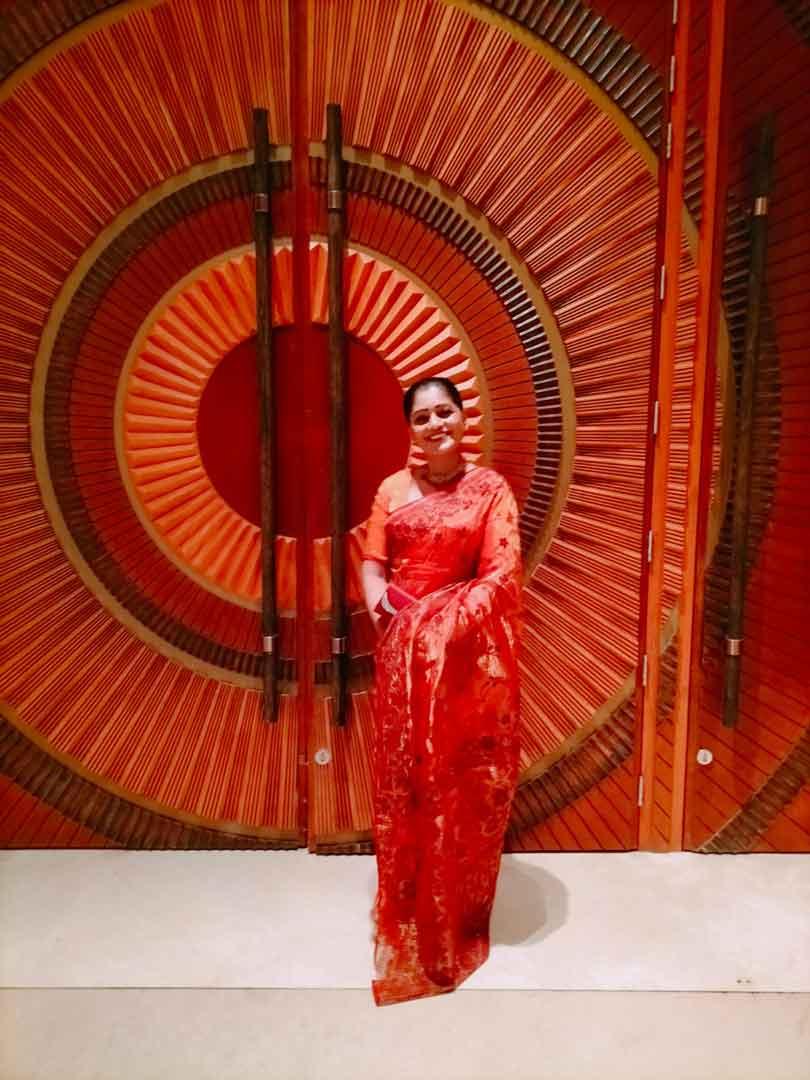
RANJANI ILANGARATHNA, MERCHANDISING MANAGER, REIMA OY
Ranjani Ilangarathna is a senior merchandising professional whose career spans more than three decades in the global apparel industry. Her journey began in the early 1990s, a period when merchandising was undergoing significant transformation due to the rise of global sourcing, faster fashion cycles, and increasing commercial complexity. Over the years, she has built extensive experience working across international markets, global brands, and diverse supply chain ecosystems. Her perspective reflects both the creative and analytical sides of apparel merchandising, where product development, cost management, and consumer understanding come together. In this conversation, she reflects on her career path, the challenges of working across cultures, the evolution of the industry, and the leadership lessons she has gained along the way. She also shares personal insights on resilience, inclusion, and the importance of continuous learning in a fast-changing global environment that continues to redefine itself.
What inspired you to begin a career in apparel merchandising in the early 1990s?
My curiosity about fashion and apparel was the starting point, but my entry into merchandising was also shaped by timing and opportunity. The early 1990s were a period of transformation in the industry with global sourcing expanding and fashion cycles becoming faster and more dynamic. I was drawn to the unique position merchandising held, sitting between creativity and business. It was fascinating to see how a concept could travel from a design sketch to a finished garment in stores across different countries. The role required a very hands-on approach at the time, with limited systems and minimal automation, which meant problem solving, negotiation, and relationship building were essential from the beginning. I also found the pace and responsibility motivating, as each season involved managing cost, quality, fit, and delivery under real commercial pressure. That environment-built resilience and gave me a strong foundation that continues to support my work today.
What did working with global brands and international markets teach you?
Working with global brands taught me that context is everything. A product that appears universally appealing can perform very differently depending on cultural preferences, climate, body types, and lifestyle differences. I learned early that a one size approach does not work in apparel merchandising. Another important lesson came from observing different decision-making styles across regions. Some markets relied on speed and intuition while others were highly structured, and data driven. Adapting my communication and negotiation style to these differences became critical while still maintaining brand standards and commercial objectives. Exposure to sourcing and manufacturing partners also gave me a deeper understanding of the realities behind production, including lead times, compliance, and quality control. This shifted my perspective on cost from being a simple figure to something shaped by real operational and human factors. Overall, global experience strengthened my ability to collaborate across cultures and build more informed and balanced decisions.
What helped you stay resilient in such a fast-changing industry?
Resilience came from accepting early that change is constant in the apparel industry. Consumer behaviour, sourcing models, and technology have all evolved continuously, and each shift required adaptation rather than resistance. I stayed grounded by focusing on the purpose of the work, which is about people, including customers, teams, suppliers, and partners. When pressure increased or systems changed, strong relationships helped maintain stability and direction. I also learned to manage pressure by understanding what required urgency and what required patience. Over time, experience helped me make better decisions in uncertain situations. Continuous learning was equally important, especially when digital tools, sustainability expectations, and new market behaviours began to reshape the industry. Setbacks also played a role in building resilience, as I learned not to view them personally but as opportunities to improve. This mindset helped me remain steady and committed throughout my career journey.
Can you share a moment that significantly shaped your leadership approach?
There was a moment when a major product launch did not perform as expected despite strong planning and experience. The assumptions seemed correct, the team was capable, and established practices were followed. However, the results challenged everything we had relied on. As a leader, I felt responsible not only for the outcome but also for the confidence the team had placed in the process. Instead of reacting quickly, I chose to pause and reflect. I reviewed every stage of the process, including forecasting, decision making, and interpretation of market signals. What became clear was that we had depended too heavily on past success rather than recognizing changes in the environment. This realization was humbling. It reshaped my leadership style by reinforcing the importance of questioning assumptions, encouraging open dialogue, and staying alert to change. It also strengthened collaboration and improved how decisions are made under uncertainty.
Did you face challenges as a woman in merchandising and supply chain roles?
Yes, especially in the earlier part of my career. Many meetings were male dominated, particularly in supply chain and commercial discussions. Being the only woman in the room was not uncommon, and in such environments, competence alone was sometimes not enough to ensure visibility. There were times when ideas were overlooked initially and later recognized when repeated by others. This was challenging, but it pushed me to become more prepared, structured, and confident in how I communicated. I focused on building strong subject knowledge and supporting my views with data and results. Over time, credibility became more important than presence. I also learned the importance of mentors and allies who supported inclusion and helped amplify diverse voices. As I progressed in my career, I became more intentional about creating environments where people feel heard and respected, ensuring others do not face the same barriers.
How have you seen gender representation evolve in the apparel industry?
The change has been significant, although gradual. In the early 1990s, women were highly visible in roles such as design, merchandising coordination, and production support. However, decision making roles, especially in sourcing strategy and supply chain leadership, were largely male dominated. Over time, this has shifted considerably. Today, women are present across all areas of the value chain, including executive leadership. There is also greater recognition that leadership is not defined by one style. Skills such as empathy, adaptability, and collaboration are now valued as business strengths. Another positive change is the openness of conversations around inclusion and equity. Younger professionals are more confident in expressing ambition and expectations. Progress has also been driven by mentorship and support networks that help create opportunities. While there is still work to be done, the industry has moved toward more balanced representation and stronger awareness of diversity as a business advantage.
What lessons did global exposure bring to your professional growth?
Global exposure taught me that scale changes expectations, but discipline builds credibility. Working with brands across the United Kingdom, United States, and Europe showed me that international environments operate with high standards where accountability is shared, and performance is expected. I learned that competence is assumed rather than highlighted. Another important lesson was cultural intelligence. The same challenge can be approached differently depending on the market, and success depends on adapting without losing clarity or values. This balance between flexibility and conviction is essential. Global experience also helped me shift my mindset from focusing on where I come from to what value I bring. It reinforced the idea that talent is not defined by geography. For me, it strengthened confidence and improved how I position myself professionally. It also influenced how I contribute to raising standards within local and international industry contexts.
How do innovation and market intelligence support success in merchandising?
Innovation and market intelligence are both essential for staying relevant in apparel merchandising. Innovation ensures that the industry continues to evolve through better processes, faster development cycles, improved sourcing models, and more sustainable practices. It is not only about technology but also about rethinking how work is done. Market intelligence provides direction by helping understand consumer behaviour, trends, economic factors, and competitor activity. It reduces uncertainty in decision making and ensures that actions are based on insight rather than assumption. When combined, innovation and intelligence create stronger alignment across design, merchandising, and supply chain functions. One without the other is incomplete. Innovation without insight can lead to misdirection, while insight without innovation can slow progress. Together they help organizations remain competitive, responsive, and aligned with changing consumer expectations in a fast-moving global market.
How did you manage balance between career and personal life?
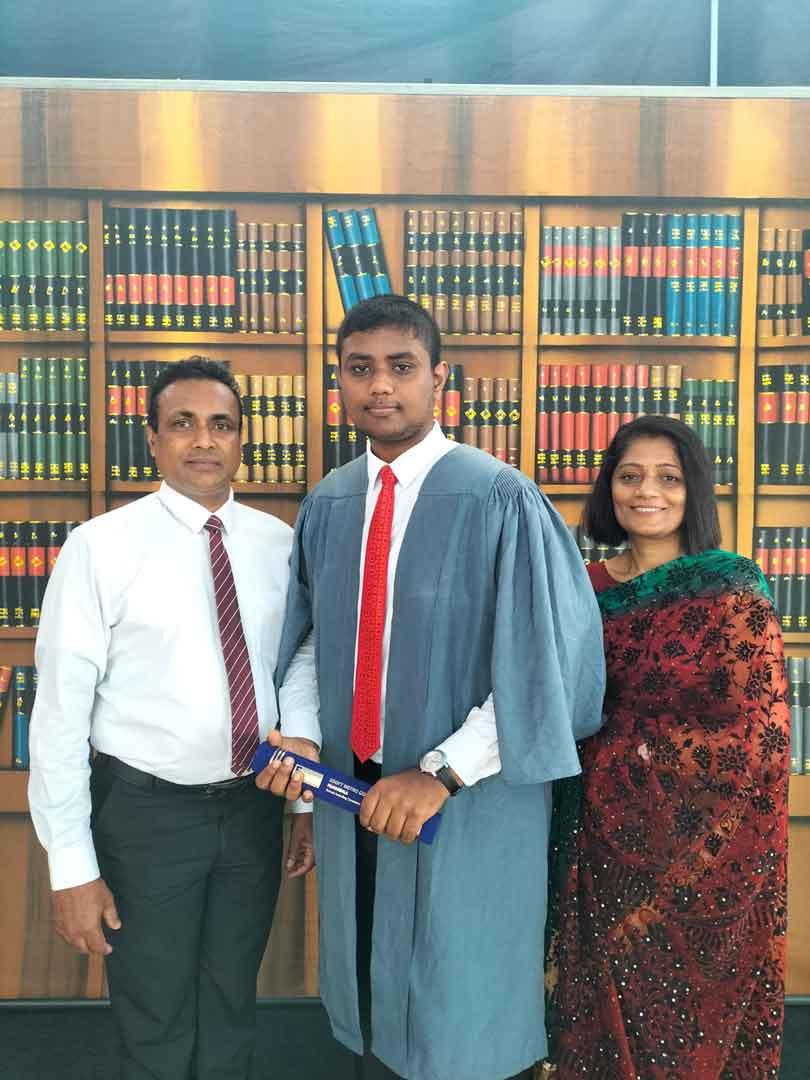
Balance was never about perfection but about making conscious choices. In the early years, work naturally demanded more time due to the fast-paced nature of merchandising and supply chain responsibilities. Over time, I learned that balance is created through prioritization rather than equal division of time. Being present in whatever I was doing became important, whether at work or with family. I also learned to set boundaries, delegate responsibilities, and trust my team. These were not compromises but necessary leadership practices. Support systems played a vital role in maintaining stability throughout my career. Family understanding and professional collaboration made a significant difference. I am especially grateful to my husband Ravi and my son Dinu for their continuous support, patience, and encouragement, which helped me navigate both challenges and achievements with strength and perspective.
What advice would you give young professionals aspiring to global merchandising careers?
Young professionals should focus on building strong fundamentals first, including product development, costing, materials, margins, and customer understanding. These basics create credibility in any global environment. They should also develop a global mindset by learning to view situations from multiple perspectives, including customers, suppliers, and brands. Communication skills are critical, particularly clarity, confidence, and the ability to support ideas with data. Working with numbers and interpreting insights is also essential in modern merchandising roles. Exposure beyond comfort zones is equally important, whether through cross functional projects or international collaboration opportunities. Finally, continuous learning and self-awareness are key. The industry evolves quickly through sustainability, digital transformation, and changing consumer expectations. Professionals who remain curious, adaptable, and disciplined in their growth will be best positioned for long term success in global merchandising careers.